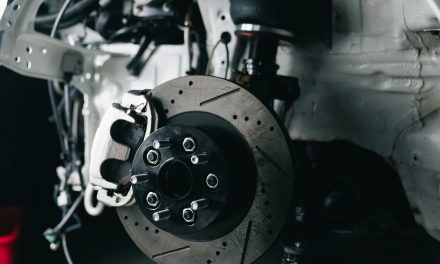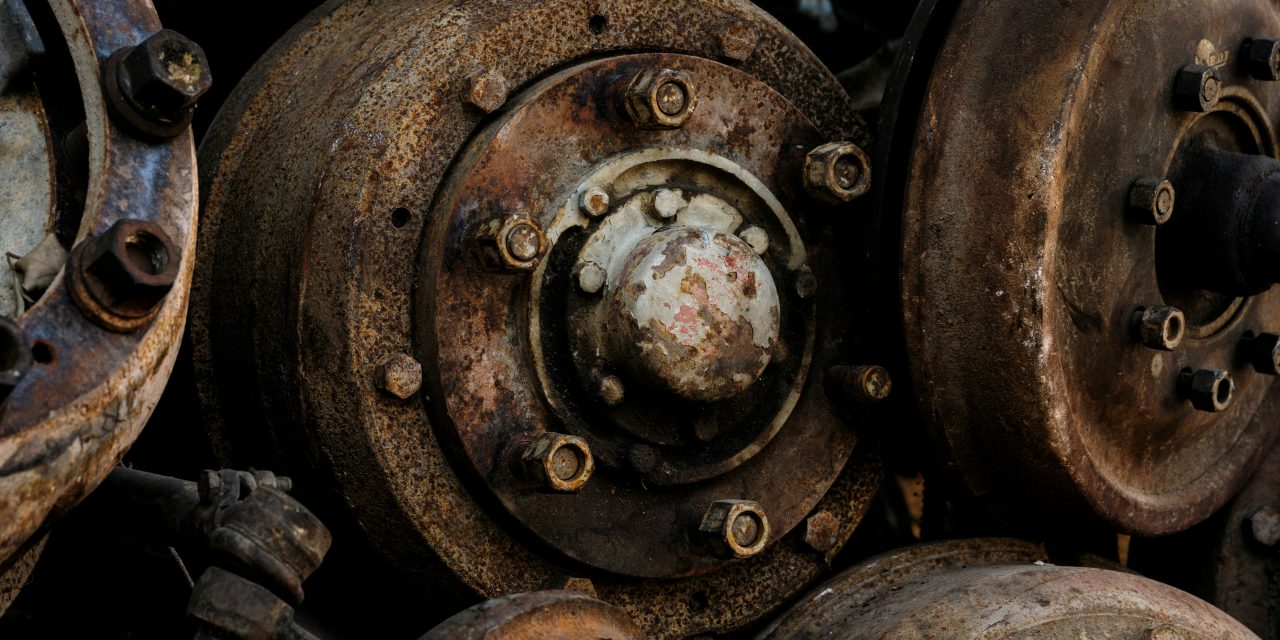
Drum brakes are a crucial component of many vehicles, particularly those with rear-wheel drive systems. They operate on a simple yet effective principle: when the brake pedal is pressed, hydraulic fluid is transmitted to the brake cylinders, which then push the brake shoes outward against the inner surface of a rotating drum. This friction generates the necessary force to slow down or stop the vehicle. The design of drum brakes allows for a compact assembly, making them suitable for various automotive applications.
The primary components of a drum brake system include the brake drum, brake shoes, wheel cylinder, and return springs. The brake drum is typically made from cast iron or aluminum, providing durability and heat dissipation. Brake shoes are lined with friction material that wears down over time, necessitating regular inspection and maintenance. The wheel cylinder converts hydraulic pressure into mechanical force, while return springs ensure that the shoes retract when the brakes are released. Understanding these components is essential for diagnosing issues and performing effective maintenance.
When considering the longevity of drum brakes, it’s essential to understand the various factors that can influence their lifespan, such as driving habits, vehicle type, and maintenance practices. For a deeper insight into how different treatments can affect the performance and durability of various components, you might find it interesting to read an article on the effectiveness of different pest control methods. Check out this article on bed bug treatments to explore how different approaches can yield varying results: Bed Bug Heat Treatment vs. Chemical Treatment: Which Works Better?.
Average Lifespan of Drum Brakes
The average lifespan of drum brakes can vary significantly based on several factors, including driving habits, vehicle type, and environmental conditions. Generally, drum brakes can last anywhere from 30,000 to 70,000 miles before requiring replacement. However, this range is not definitive; some drivers may experience shorter lifespans due to aggressive driving or frequent stop-and-go traffic, while others may achieve longer durations through careful driving and regular maintenance.
It is essential to note that the lifespan of drum brakes is also influenced by the quality of the components used in their construction. High-quality materials and advanced manufacturing techniques can enhance durability and performance. Regular inspections and timely replacements of worn components can further extend the life of drum brakes, ensuring optimal safety and performance.
Factors Affecting Drum Brake Longevity

Several factors contribute to the longevity of drum brakes, including driving conditions, maintenance practices, and the quality of materials used in their construction. For instance, frequent driving in hilly or mountainous terrain can lead to increased wear due to the constant application of braking force. Similarly, urban driving characterized by heavy traffic and frequent stops can accelerate wear on brake components.
Maintenance practices play a pivotal role in determining how long drum brakes last. Regular inspections can identify issues such as worn brake shoes or damaged drums before they escalate into more significant problems. Additionally, using high-quality replacement parts can significantly enhance durability. Environmental factors such as exposure to moisture, road salt, and debris can also contribute to corrosion and wear, further impacting the lifespan of drum brakes.
Common Causes of Drum Brake Wear

Drum brake wear can be attributed to several common causes that affect their performance and longevity. One primary factor is the friction material on the brake shoes, which naturally wears down over time due to repeated contact with the brake drum. The rate of wear can be influenced by driving habits; aggressive braking or riding the brakes can lead to accelerated degradation.
Another significant cause of wear is heat buildup during braking. Excessive heat can lead to brake fade, where the effectiveness of the braking system diminishes due to overheating components. This phenomenon can result in uneven wear patterns on the brake shoes and drums. Additionally, contamination from oil or grease can compromise the friction material’s effectiveness, leading to premature wear and reduced braking performance.
When considering the longevity of drum brakes, it’s important to understand various factors that can influence their lifespan, such as driving habits and maintenance practices. For those interested in related topics, you might find it helpful to explore how the cost-effectiveness of repairs versus replacements applies to other automotive components. A relevant article on this subject can be found here, which discusses the financial implications of choosing between repair and replacement options. This can provide valuable insights into making informed decisions about vehicle maintenance.
Seven Warning Signs You Need Drum Brake Replacement
Recognizing the warning signs that indicate a need for drum brake replacement is crucial for maintaining vehicle safety and performance. Ignoring these signs can lead to more severe issues and costly repairs down the line. Here are seven key indicators that suggest it may be time for a replacement.
1. Squeaking or Grinding Noises
2. Reduced Braking Efficiency
3. Vibrations or Pulsations When Braking
4. Brake Pedal Feels Spongy or Soft
5. Visible Damage or Wear on Brake Components
6. Brake Warning Light Activation
7. Pulling to One Side While Braking
Each of these signs warrants immediate attention from a qualified technician to assess the condition of the drum brake system and determine whether replacement is necessary.
Sign 1: Squeaking or Grinding Noises
One of the most common indicators that drum brakes require attention is the presence of squeaking or grinding noises during braking. Squeaking often occurs when the friction material on the brake shoes has worn down significantly, exposing metal components that come into contact with the drum. This metal-on-metal contact not only compromises braking efficiency but can also lead to further damage to both the shoes and drums if left unaddressed.
Grinding noises are typically more severe and indicate that the brake shoes have worn down completely, resulting in direct contact between the metal backing plate and the drum surface. This situation can cause significant damage to both components and necessitate immediate replacement to restore safe braking performance.
Sign 2: Reduced Braking Efficiency
A noticeable decrease in braking efficiency is another critical sign that drum brakes may need replacement. Drivers may experience longer stopping distances or a lack of responsiveness when applying the brakes. This reduction in effectiveness can be attributed to several factors, including worn brake shoes, contaminated friction material, or warped drums.
If braking efficiency diminishes significantly, it poses a serious safety risk not only to the driver but also to other road users. It is essential to have a qualified technician inspect the braking system promptly to identify any underlying issues and determine whether replacement is necessary.
Sign 3: Vibrations or Pulsations When Braking
Experiencing vibrations or pulsations through the brake pedal while applying pressure is another warning sign that indicates potential issues with drum brakes. These sensations often arise from warped brake drums or uneven wear on the brake shoes. Warping can occur due to excessive heat buildup during braking or improper installation.
When vibrations are felt during braking, it can compromise control over the vehicle and lead to an uncomfortable driving experience. Addressing this issue promptly through inspection and potential replacement is vital for maintaining optimal braking performance.
Sign 4: Brake Pedal Feels Spongy or Soft
A spongy or soft brake pedal feel is an alarming sign that should not be ignored. This sensation often indicates air trapped within the hydraulic brake lines or a leak in the system, leading to reduced hydraulic pressure when applying the brakes. In some cases, it may also signify worn brake components that require immediate attention.
A soft pedal feel can significantly impair a driver’s ability to stop effectively, increasing the risk of accidents. It is crucial to have a professional technician evaluate the braking system to diagnose the issue accurately and recommend appropriate solutions.
Sign 5: Visible Damage or Wear on Brake Components
Regular visual inspections of drum brake components can reveal signs of damage or excessive wear that necessitate replacement. Cracks in the brake drum surface, worn-out friction material on brake shoes, or rust accumulation are all indicators that should prompt immediate action.
Visible damage not only affects braking performance but can also compromise overall vehicle safety. If any signs of wear are detected during routine inspections, it is essential to consult with a qualified technician who can assess whether replacement is necessary.
Sign 6: Brake Warning Light Activation
Modern vehicles are equipped with advanced diagnostic systems that monitor various components, including brakes. If the brake warning light illuminates on the dashboard, it serves as an alert that there may be an issue with the braking system requiring immediate attention.
The activation of this warning light could indicate low brake fluid levels, worn-out brake pads or shoes, or other critical issues within the braking system. Ignoring this warning could lead to severe consequences; therefore, it is imperative to have a professional technician conduct a thorough inspection as soon as possible.
Sign 7: Pulling to One Side While Braking
If a vehicle pulls to one side while braking, it indicates an imbalance in braking force between the left and right wheels. This condition may arise from uneven wear on brake shoes or malfunctioning wheel cylinders within the drum brake system.
Pulling during braking not only affects vehicle control but also poses a significant safety risk by increasing stopping distances and reducing overall stability while driving. Addressing this issue promptly through inspection and potential replacement is crucial for maintaining safe driving conditions.
Importance of Timely Drum Brake Replacement
Timely replacement of worn or damaged drum brakes is essential for ensuring vehicle safety and performance. Delaying necessary replacements can lead to more severe issues such as complete brake failure, which poses significant risks not only to drivers but also to passengers and other road users.
Moreover, neglecting worn drum brakes can result in costly repairs due to damage inflicted on other components within the braking system. Regular inspections and proactive maintenance practices can help identify issues early on and facilitate timely replacements when necessary.
Maintenance Tips to Extend Drum Brake Life
To maximize the lifespan of drum brakes and ensure optimal performance, several maintenance tips should be followed:
1. **Regular Inspections**: Schedule routine inspections every 10,000 miles or as recommended by your vehicle manufacturer.
2. **Quality Components**: Use high-quality replacement parts when servicing your drum brakes.
3. **Brake Fluid Maintenance**: Regularly check and replace brake fluid as needed to prevent contamination.
4. **Driving Habits**: Adopt smooth driving habits by avoiding sudden stops and aggressive acceleration.
5. **Environmental Considerations**: Keep your vehicle clean from road salt and debris that may contribute to corrosion.
6. **Proper Installation**: Ensure that all components are installed correctly by a qualified technician during replacements.
7. **Brake Adjustment**: Periodically check for proper adjustment of brake shoes to maintain optimal contact with the drum surface.
By adhering to these maintenance practices, drivers can significantly extend the life of their drum brakes while ensuring safe and reliable vehicle operation.
In summary, understanding drum brakes involves recognizing their components and functionality while being aware of their average lifespan and factors affecting longevity. Identifying warning signs such as unusual noises, reduced efficiency, vibrations, soft pedals, visible damage, warning lights activation, and pulling during braking is crucial for timely intervention. Regular maintenance practices play an essential role in extending drum brake life while ensuring optimal safety on the road.
FAQs
How long do drum brakes typically last?
Drum brakes generally last between 30,000 to 70,000 miles, depending on driving habits, vehicle type, and maintenance practices. Regular inspections can help extend their lifespan.
What factors affect the lifespan of drum brakes?
Several factors can influence the lifespan of drum brakes, including driving conditions (city vs. highway), driving style (aggressive vs. conservative), vehicle weight, and the quality of the brake components used.
How can I tell if my drum brakes need to be replaced?
Signs that your drum brakes may need replacement include squeaking or grinding noises, a decrease in braking performance, vibrations when braking, or a warning light on your dashboard. Regular inspections by a mechanic can also help identify wear.
Are drum brakes more durable than disc brakes?
Drum brakes can be more durable in certain conditions, particularly in low-speed applications, but they tend to generate more heat and can fade faster than disc brakes under heavy use. Disc brakes are generally preferred for high-performance and heavy-duty applications.
Can I extend the life of my drum brakes?
Yes, you can extend the life of your drum brakes by practicing smooth driving habits, avoiding sudden stops, maintaining proper tire pressure, and having regular brake inspections and maintenance performed by a qualified technician.