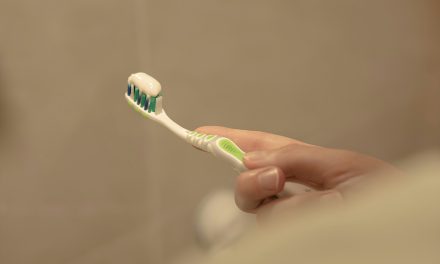
Morning breath, clinically referred to as halitosis, is a common phenomenon experienced by individuals upon waking. This condition is characterized by an unpleasant odor emanating from the mouth, which can be socially embarrassing and psychologically distressing. The genesis of morning breath can be attributed to several factors, including physiological changes during sleep, dietary habits, and oral hygiene practices. Understanding the underlying causes is crucial for effective management and prevention.
During sleep, the body undergoes various physiological changes that can contribute to halitosis. Salivary flow decreases significantly, leading to a dry oral environment. Saliva plays a vital role in maintaining oral health by neutralizing acids produced by bacteria and washing away food particles. When saliva production diminishes, the mouth becomes a breeding ground for bacteria, which can produce volatile sulfur compounds (VSCs) responsible for the foul odor associated with morning breath.
Many people experience bad breath in the morning, often due to factors such as dry mouth, bacteria buildup, or dietary choices. For a deeper understanding of how to maintain overall health and hygiene, you might find it helpful to read this related article on puppy care, which emphasizes the importance of proper oral hygiene for pets. Just as we need to care for our teeth and gums, ensuring our furry friends have good dental health can prevent similar issues. You can check out the article here: Top 10 Essential Tips for Jack Russell Puppy Care and Training.
Reason 1: Dry Mouth and Its Impact on Breath
Dry mouth, or xerostomia, is a primary contributor to morning breath. This condition can arise from various factors, including dehydration, certain medications, or underlying health issues such as Sjögren’s syndrome. When the mouth is dry, the natural cleansing mechanism provided by saliva is compromised, allowing bacteria to proliferate unchecked.
The impact of dry mouth extends beyond mere discomfort; it can lead to significant oral health issues. A lack of saliva increases the risk of dental caries and periodontal disease due to the accumulation of plaque and tartar. Furthermore, dry mouth can exacerbate bad breath by allowing bacteria to produce more VSCs. To mitigate the effects of xerostomia, individuals should consider increasing their fluid intake, using saliva substitutes, or discussing medication adjustments with their healthcare provider.
Reason 2: Poor Oral Hygiene Before Bed

Inadequate oral hygiene practices before bedtime can significantly contribute to morning breath. Failing to brush and floss effectively allows food particles and plaque to accumulate on teeth and gums overnight. This accumulation creates an ideal environment for bacteria to thrive, leading to the production of foul-smelling compounds.
To combat this issue, it is essential to establish a thorough oral hygiene routine before sleep. This includes brushing teeth for at least two minutes with fluoride toothpaste and flossing to remove debris from between teeth. Additionally, using an antibacterial mouthwash can help reduce bacterial load and freshen breath overnight. Regular dental check-ups are also crucial for maintaining optimal oral health and preventing issues that may contribute to halitosis.
Reason 3: Bacterial Growth Overnight

The human mouth harbors a diverse microbiome consisting of both beneficial and harmful bacteria. During sleep, the reduction in saliva flow allows pathogenic bacteria to proliferate, leading to an imbalance in the oral microbiome. These bacteria metabolize food particles and produce VSCs as byproducts, resulting in unpleasant odors.
The types of bacteria responsible for morning breath include anaerobic bacteria such as Porphyromonas gingivalis and Fusobacterium nucleatum. These organisms thrive in low-oxygen environments, such as the mouth during sleep. To minimize bacterial growth overnight, individuals should focus on maintaining good oral hygiene practices and consider using products containing chlorhexidine or cetylpyridinium chloride, which have been shown to reduce bacterial load effectively.
Many people experience bad breath in the morning, which can be attributed to several factors such as dry mouth, bacteria buildup, or dietary choices. If you’re curious about the reasons behind this common issue, you might find it helpful to read a related article that explores various causes and remedies for morning breath. Understanding these factors can help you take steps to improve your oral hygiene and overall health. For more information, check out this insightful piece on frozen fish storage guidelines, which, while seemingly unrelated, emphasizes the importance of proper care and maintenance in various aspects of life.
Reason 4: Diet and Its Role in Morning Breath
Diet plays a significant role in the development of morning breath. Certain foods, particularly those high in sulfur compounds—such as garlic and onions—can contribute to halitosis due to their strong odors. Additionally, diets high in sugar can promote bacterial growth and plaque formation, exacerbating bad breath.
To mitigate dietary impacts on breath odor, individuals should consider incorporating more fresh fruits and vegetables into their diets while reducing their intake of sugary snacks and beverages. Foods rich in fiber can help stimulate saliva production and promote oral health. Drinking plenty of water throughout the day can also aid in flushing out food particles and bacteria that contribute to bad breath.
Many people wonder why their breath smells bad in the morning, and it can often be attributed to factors such as dry mouth, bacteria buildup, or even dietary choices. If you’re curious about how to improve your oral hygiene and tackle this common issue, you might find it helpful to read a related article that discusses effective strategies for maintaining fresh breath throughout the day. For more insights, check out this informative piece on making compost at home, which, while focused on gardening, also touches on the importance of a healthy lifestyle that can positively impact your overall well-being, including your breath.
Reason 5: Smoking and Tobacco Use
Tobacco use is another significant factor contributing to morning breath. Smoking not only dries out the mouth but also introduces harmful chemicals that can alter the oral microbiome and lead to chronic bad breath. The combustion of tobacco products produces a range of volatile compounds that can linger in the mouth long after use.
Quitting smoking is one of the most effective ways to improve oral health and reduce halitosis. Individuals seeking assistance in quitting tobacco can benefit from counseling, nicotine replacement therapies, or prescription medications such as varenicline or bupropion. Additionally, regular dental cleanings can help remove tobacco stains and improve overall oral hygiene.
Reason 6: Medical Conditions Affecting Breath
Certain medical conditions can also contribute to persistent morning breath. Conditions such as diabetes mellitus can lead to ketoacidosis, resulting in a fruity odor on the breath due to elevated ketone levels. Gastroesophageal reflux disease (GERD) can cause stomach acids to flow back into the esophagus, leading to bad breath as well.
Other systemic conditions like chronic sinusitis or respiratory infections can also produce foul-smelling breath due to post-nasal drip or bacterial overgrowth in the throat. Individuals experiencing persistent halitosis despite good oral hygiene should consult a healthcare professional for a thorough evaluation and appropriate management of any underlying medical conditions.
Reason 7: Mouth Breathing During Sleep
Mouth breathing during sleep is another common cause of morning breath. Individuals who breathe through their mouths may experience increased dryness and reduced saliva flow, leading to an environment conducive to bacterial growth. This habit may be due to nasal congestion or anatomical issues such as deviated septum or enlarged tonsils.
To address mouth breathing, individuals should consider consulting an ear, nose, and throat (ENT) specialist for evaluation and potential treatment options. Nasal decongestants or saline nasal sprays may help alleviate congestion and promote nasal breathing during sleep. Additionally, using a humidifier in the bedroom can help maintain moisture levels in the air and reduce dryness in the mouth.
Effective Morning Oral Care Routine to Combat Bad Breath
Establishing an effective morning oral care routine is essential for combating morning breath. Upon waking, individuals should begin by rinsing their mouths with water or an antibacterial mouthwash to remove any residual bacteria accumulated overnight. Following this rinse, brushing teeth thoroughly with fluoride toothpaste is crucial for removing plaque and food particles.
Flossing should follow brushing to ensure that debris trapped between teeth is adequately removed. Additionally, using a tongue scraper can help eliminate bacteria residing on the tongue’s surface, which is often a significant source of bad breath. Finally, drinking water or chewing sugar-free gum can stimulate saliva production throughout the day, further combating halitosis.
Lifestyle Changes to Improve Morning Breath
Incorporating lifestyle changes can significantly improve morning breath over time. Staying hydrated throughout the day is vital for maintaining adequate saliva production and preventing dry mouth. Individuals should aim for at least eight 8-ounce glasses of water daily while avoiding excessive caffeine or alcohol consumption that may contribute to dehydration.
Regular exercise can also enhance overall health and improve circulation, which may positively impact oral health by promoting saliva flow. Additionally, adopting a balanced diet rich in fruits, vegetables, whole grains, lean proteins, and healthy fats can support oral health while reducing bad breath triggers.
When to See a Dentist or Doctor for Persistent Bad Breath
Persistent bad breath that does not improve with good oral hygiene practices warrants consultation with a dentist or healthcare provider. A thorough examination may reveal underlying dental issues such as cavities or gum disease that require treatment. Furthermore, if halitosis is accompanied by other concerning symptoms—such as weight loss or changes in appetite—medical evaluation may be necessary to rule out systemic conditions.
In conclusion, understanding the multifaceted causes of morning breath is essential for effective management and prevention strategies. By addressing factors such as dry mouth, poor oral hygiene practices, dietary choices, tobacco use, medical conditions, and lifestyle habits, individuals can significantly reduce halitosis and improve their overall oral health. Regular dental visits play a crucial role in maintaining optimal oral hygiene and addressing any underlying issues contributing to persistent bad breath.
In summary:
– Morning breath is primarily caused by dry mouth due to decreased saliva production during sleep.
– Poor oral hygiene practices before bed allow bacteria to thrive overnight.
– Dietary choices and tobacco use significantly impact breath odor.
– Medical conditions may also contribute to persistent halitosis.
– Establishing an effective morning oral care routine and making lifestyle changes are essential for combating bad breath.
– Consultation with a dentist or healthcare provider is recommended for persistent cases of halitosis.
FAQs
What causes bad breath in the morning?
Bad breath in the morning, often referred to as “morning breath,” is primarily caused by reduced saliva production during sleep. Saliva helps wash away food particles and bacteria in the mouth. When saliva flow decreases, bacteria can multiply, leading to unpleasant odors.
Can certain foods contribute to morning breath?
Yes, certain foods can contribute to morning breath. Foods with strong odors, such as garlic, onions, and spices, can linger in the mouth and contribute to bad breath. Additionally, consuming sugary or acidic foods before bed can promote bacterial growth, worsening morning breath.
Is dry mouth a factor in morning breath?
Dry mouth, or xerostomia, is a significant factor in morning breath. Conditions that cause dry mouth, such as sleeping with your mouth open, dehydration, or certain medications, can lead to a decrease in saliva production, allowing bacteria to thrive and produce foul-smelling compounds.
How can I prevent bad breath in the morning?
To prevent bad breath in the morning, maintain good oral hygiene by brushing and flossing your teeth before bed. Staying hydrated, using mouthwash, and chewing sugar-free gum can also help stimulate saliva production. Additionally, avoiding strong-smelling foods before sleep can reduce the likelihood of morning breath.
When should I see a dentist about my morning breath?
If bad breath persists despite good oral hygiene practices, it may indicate an underlying dental issue, such as gum disease or tooth decay. It’s advisable to consult a dentist if you experience chronic bad breath, as they can help identify and treat any potential problems.