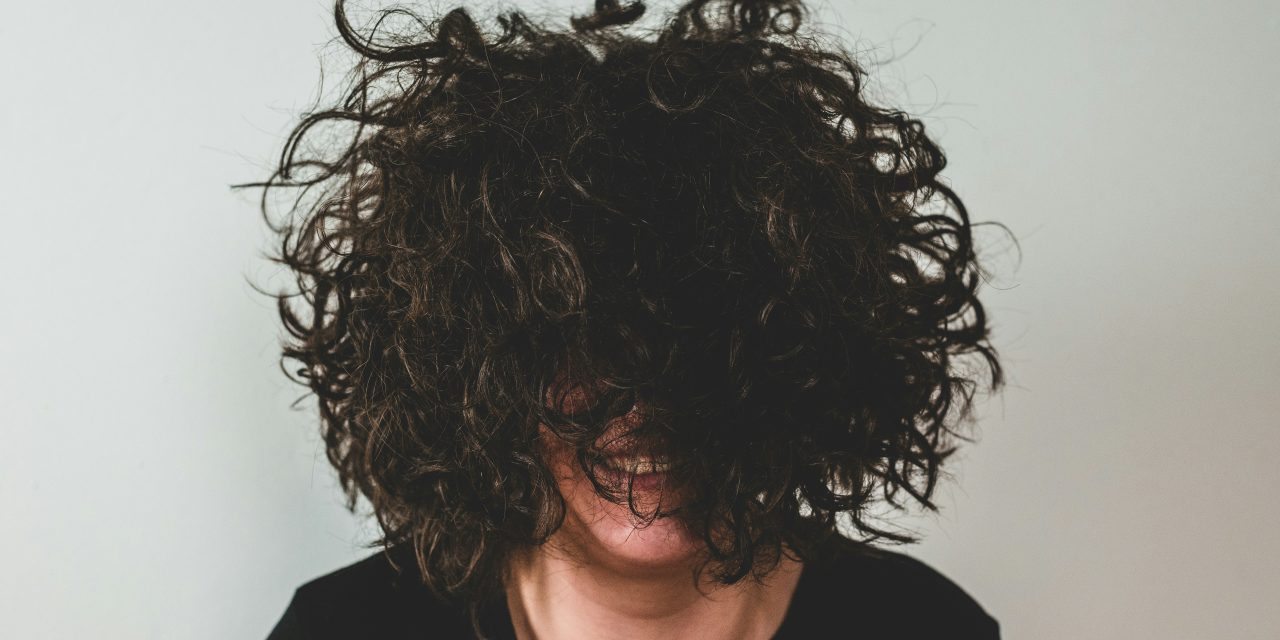
Hard water is defined by its elevated mineral content, primarily calcium and magnesium ions. These minerals are naturally occurring and can significantly impact various aspects of daily life, including hair health. When hard water is used for washing hair, it can lead to a myriad of issues that compromise the integrity and appearance of hair. The interaction between these minerals and hair products can create a barrier that prevents effective cleansing, leading to a range of undesirable effects.
The effects of hard water on hair are multifaceted. The minerals can bind with shampoo and conditioner ingredients, rendering them less effective. This results in a buildup of product residue on the hair strands, which can exacerbate existing hair issues. Furthermore, hard water can alter the pH balance of the scalp, leading to irritation and other complications. Understanding these dynamics is crucial for anyone experiencing hair problems that may be linked to their water supply.
If you’re concerned about how hard water might be affecting your hair, it’s essential to understand the signs of damage it can cause. For a deeper dive into related topics, you might find this article on irresistible dessert recipes interesting, as it highlights the importance of maintaining a balanced lifestyle, which includes taking care of your hair and overall health. Check it out here: 10 Irresistible Dessert Recipes to Satisfy Your Sweet Tooth.
Sign 1: Excessive Dryness and Brittleness
One of the most common indicators of hard water’s detrimental effects on hair is excessive dryness and brittleness. The minerals present in hard water can strip the hair of its natural oils, leading to a parched texture that feels coarse and lifeless. This lack of moisture can make hair more susceptible to damage from environmental factors such as UV rays and pollution.
In addition to feeling dry, brittle hair is often more challenging to manage. It may become tangled easily, making it difficult to style or maintain. Individuals may notice that their hair lacks elasticity, which is essential for maintaining healthy strands. To combat this issue, incorporating hydrating treatments and deep conditioning masks into your hair care routine can help restore moisture levels and improve overall texture.
Sign 2: Unmanageable Frizz and Flyaways

Another prominent sign of hard water’s impact on hair is the emergence of unmanageable frizz and flyaways. The mineral deposits from hard water can create a rough surface on the hair shaft, leading to increased friction between strands. This friction can result in frizz, making it challenging to achieve a smooth and polished look.
Moreover, flyaways can become more pronounced as the hair becomes increasingly porous due to mineral buildup. This porosity allows moisture to escape more readily, exacerbating frizz and making it difficult to maintain a sleek appearance. To mitigate these effects, utilizing anti-frizz serums or leave-in conditioners specifically designed for hard water-affected hair can help smooth the cuticle and reduce flyaway strands.
Sign 3: Dull, Lackluster Hair Appearance

Dullness is another hallmark of hair affected by hard water. The mineral deposits can create a film over the hair strands, preventing light from reflecting off the surface effectively. As a result, hair may appear lackluster and devoid of its natural shine. This visual dullness can be particularly frustrating for individuals who invest time and effort into their hair care routines.
To restore vibrancy and shine, it is essential to incorporate clarifying shampoos into your regimen periodically. These shampoos are formulated to remove buildup from hard water minerals and product residue, allowing for a fresh start. Additionally, using shine-enhancing serums or oils can help impart a glossy finish to the hair, counteracting the effects of dullness caused by hard water.
If you’re concerned about the effects of hard water on your hair, you might find it helpful to explore some practical tips for maintaining healthy indoor plants, as both topics share the importance of proper care and attention. For instance, understanding how to nurture your Monstera Deliciosa can provide insights into the significance of water quality in your home environment. To learn more about caring for your plants, check out this article on easy tips for your Monstera Deliciosa.
Sign 4: Increased Hair Breakage and Split Ends
Increased hair breakage and split ends are critical signs that hard water may be wreaking havoc on your locks. The brittleness caused by mineral depletion weakens the structural integrity of each strand, making them more prone to snapping under tension. Split ends can also become more prevalent as the cuticle layer becomes compromised due to mineral exposure.
To address these issues, regular trims are essential for maintaining healthy ends and preventing further damage from traveling up the hair shaft. Additionally, incorporating protein-rich treatments can help fortify weakened strands and promote resilience against breakage. Products containing keratin or amino acids are particularly beneficial in this regard.
Sign 5: Scalp Irritation and Itchiness
Scalp irritation is another concerning effect of hard water on hair health. The high mineral content can disrupt the scalp’s natural pH balance, leading to dryness, itchiness, and even inflammation. Individuals may experience discomfort that can be exacerbated by the use of certain hair products that interact negatively with hard water.
To alleviate scalp irritation, it is advisable to use gentle, sulfate-free shampoos that are less likely to strip away natural oils. Additionally, incorporating soothing ingredients such as aloe vera or tea tree oil into your scalp care routine can provide relief from itchiness and promote a healthier scalp environment.
Sign 6: Color Fading in Dyed Hair
For those who color their hair, hard water poses an additional challenge: color fading. The minerals in hard water can interact with hair dye molecules, causing them to wash out more quickly than they would in softer water conditions. This fading can lead to uneven color and a lack of vibrancy in dyed hair.
To combat color fading, consider using color-safe shampoos specifically formulated for hard water conditions. These products often contain chelating agents that help bind to minerals and prevent them from adhering to the hair shaft. Additionally, minimizing heat styling and protecting colored hair from UV exposure can help prolong the life of your dye job.
Sign 7: Build-Up and Residue on Hair Strands
Build-up and residue on hair strands are common consequences of hard water exposure. The accumulation of minerals creates a barrier that prevents effective cleansing, leading to a dull appearance and an inability for products to penetrate the hair shaft properly. This build-up can also weigh down the hair, making it feel heavy and lifeless.
To address this issue, regular use of clarifying shampoos is essential for removing mineral deposits and product residue. Additionally, incorporating vinegar rinses or baking soda treatments into your routine can help dissolve build-up effectively. These natural remedies work by breaking down mineral deposits without stripping the hair of its essential moisture.
How to Test if Your Water Is Hard
Testing your water for hardness is relatively straightforward and can be accomplished using various methods. One common approach involves using test strips specifically designed for measuring water hardness levels. These strips change color based on the concentration of calcium and magnesium ions present in your water supply.
Alternatively, you may consider sending a water sample to a laboratory for a more comprehensive analysis. Many local health departments offer testing services that provide detailed information about your water quality. Understanding your water’s hardness level is crucial for implementing appropriate solutions for your hair care routine.
Preventative Measures and Hair Care Tips for Hard Water
Preventative measures are vital for mitigating the adverse effects of hard water on hair health. One effective strategy is installing a water softener system in your home, which can significantly reduce mineral content in your water supply. This system works by exchanging calcium and magnesium ions with sodium ions, resulting in softer water that is gentler on both skin and hair.
In addition to installing a softener, consider using chelating shampoos regularly to remove mineral buildup effectively. Incorporating hydrating masks into your routine will also help replenish moisture levels in your hair. Lastly, using distilled or bottled water for rinsing after washing can provide an additional layer of protection against hard water’s damaging effects.
When to Seek Professional Help for Hard Water Hair Damage
If you notice persistent issues with your hair despite implementing preventative measures, it may be time to seek professional help. A dermatologist or trichologist can assess your scalp and hair health comprehensively, identifying any underlying conditions exacerbated by hard water exposure.
In some cases, professional treatments such as deep conditioning therapies or specialized scalp treatments may be recommended to restore balance and vitality to your locks. Additionally, they may provide personalized recommendations tailored to your specific needs based on your unique hair type and condition.
In summary, understanding the effects of hard water on hair health is crucial for maintaining vibrant locks. Signs such as excessive dryness, frizz, dullness, breakage, scalp irritation, color fading, and build-up indicate potential damage caused by mineral-rich water sources. Testing your water hardness level is essential for implementing effective solutions such as installing softeners or using specialized products designed for hard water conditions. By taking proactive measures and seeking professional guidance when necessary, individuals can protect their hair from the adverse effects of hard water while promoting overall scalp health.
FAQs
What is hard water?
Hard water is water that contains high levels of dissolved minerals, primarily calcium and magnesium. These minerals can accumulate in hair and skin, potentially leading to various issues, including dryness and damage.
How can I tell if my hair is damaged by hard water?
Signs of hair damage from hard water include dryness, brittleness, dullness, and difficulty in styling. You may also notice an increase in tangles and frizz, as well as a lack of shine and softness.
What are the effects of hard water on hair health?
Hard water can strip hair of its natural oils, leading to dryness and breakage. It can also cause mineral buildup on the hair shaft, making it feel rough and look lifeless. Over time, this can result in weakened hair and increased susceptibility to damage.
Can hard water affect hair color treatments?
Yes, hard water can significantly affect hair color treatments. The minerals in hard water can react with hair dye, causing colors to fade more quickly or appear dull. This can lead to uneven color and a less vibrant appearance.
What can I do to mitigate the effects of hard water on my hair?
To mitigate the effects of hard water, consider using a chelating shampoo that removes mineral buildup, installing a water softener, or using distilled water for rinsing. Additionally, incorporating deep conditioning treatments can help restore moisture and improve hair texture.