Brake grinding is a concerning auditory signal that indicates potential issues within a vehicle’s braking system. This sound, often described as a harsh, metallic scraping noise, can arise from various underlying problems that compromise the safety and efficiency of the braking mechanism. Understanding the causes of brake grinding is crucial for vehicle owners, as it not only affects driving comfort but also poses significant safety risks. Ignoring these sounds can lead to more severe damage and costly repairs, making it imperative to address any unusual noises promptly.
The braking system is a complex assembly of components designed to work in harmony to ensure effective deceleration and stopping power. When any part of this system malfunctions, it can lead to grinding noises that signal wear and tear or misalignment. This article delves into the common causes of brake grinding, offering insights into prevention and treatment options to maintain optimal vehicle performance.
If you’ve ever experienced the unsettling sound of grinding brakes when you come to a stop, you might be wondering about the underlying causes and potential solutions. A related article that delves into unexpected household issues, such as pest problems, can provide insights into how seemingly unrelated issues might share common themes of maintenance and care. For more information, you can check out this article on why there might be cockroaches in your clean house: Why Are There Cockroaches in My Clean House?. Understanding the importance of regular maintenance in both your vehicle and home can help prevent these frustrating situations.
Worn Brake Pads: The Most Common Culprit
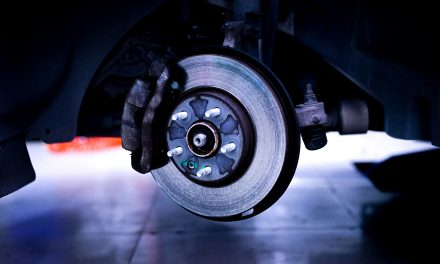
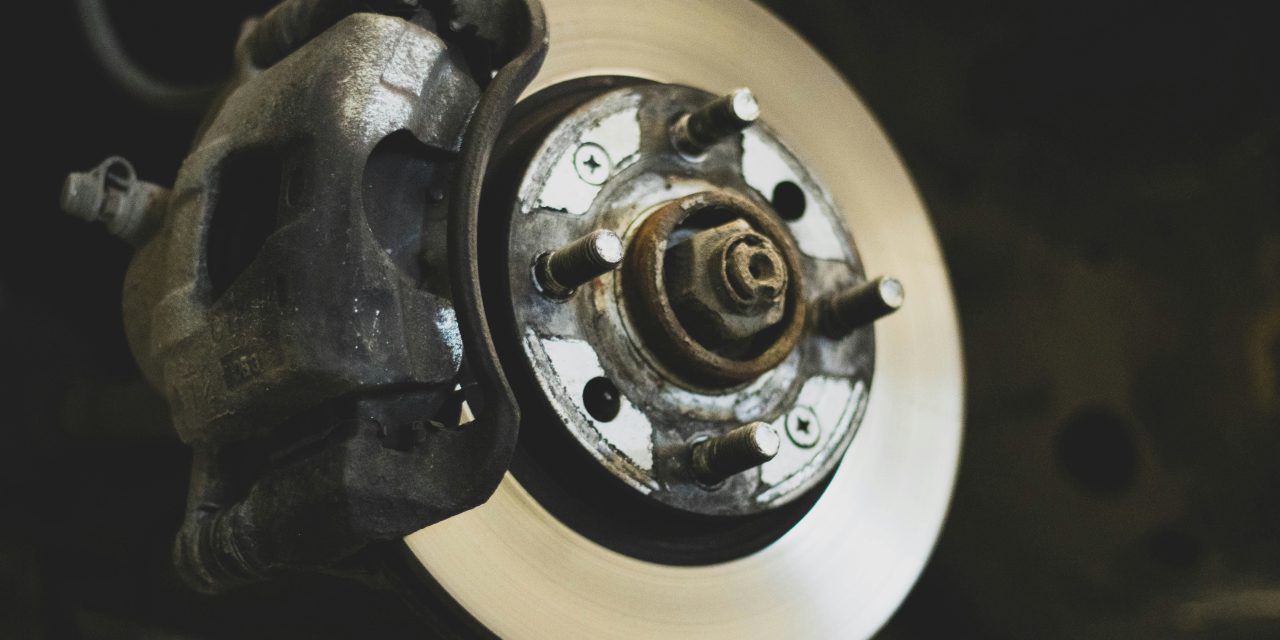
Worn brake pads are frequently the primary reason behind brake grinding noises. Brake pads are designed to create friction against the rotors, allowing vehicles to slow down or stop effectively. Over time, these pads undergo significant wear due to constant friction and heat generated during braking. When the friction material wears down to a certain level, the metal backing plate can come into contact with the rotor, resulting in a grinding sound.
To prevent this issue, regular inspections of brake pads are essential. Most manufacturers recommend replacing brake pads every 30,000 to 70,000 miles, depending on driving habits and conditions. Signs of worn brake pads include squeaking or squealing noises before grinding occurs, reduced braking efficiency, and a warning light on the dashboard. If you suspect your brake pads are worn, it is advisable to have them replaced immediately to avoid further damage to the rotors.
Debris Between Brake Components

Another common cause of brake grinding is debris lodged between the brake components. Small particles such as dirt, dust, or even small stones can become trapped between the brake pads and rotors. This debris can create an abrasive surface that leads to grinding noises when the brakes are applied. Additionally, this contamination can cause uneven wear on both the pads and rotors, exacerbating the problem.
To mitigate this issue, regular cleaning of the braking system is recommended. Vehicle owners should inspect their brakes periodically for any signs of debris accumulation. If debris is found, it should be removed carefully to prevent further damage. Utilizing high-quality brake components can also help minimize the risk of debris-related issues by ensuring a better fit and seal within the braking assembly.
Damaged or Warped Rotors

Warped or damaged rotors are another significant contributor to brake grinding sounds. Rotors can warp due to excessive heat generated during braking, often caused by aggressive driving or prolonged braking periods. When rotors become uneven, they can create a surface that does not allow for smooth contact with the brake pads, leading to grinding noises and reduced braking efficiency.
To prevent rotor damage, it is essential to practice good driving habits, such as avoiding sudden stops and maintaining a safe following distance. Regular inspections can help identify warped rotors early on. If warping is detected, resurfacing or replacing the rotors may be necessary to restore proper function and eliminate grinding sounds.
If you’ve ever experienced the unsettling sound of grinding brakes when you stop, it can be a sign of various issues that need immediate attention. Understanding the underlying causes is crucial for your safety and the longevity of your vehicle. For a deeper insight into common automotive problems and their solutions, you might find this article on brake maintenance particularly helpful. Addressing brake issues promptly can prevent more serious damage and ensure a smoother, safer ride.
Lack of Brake Lubrication
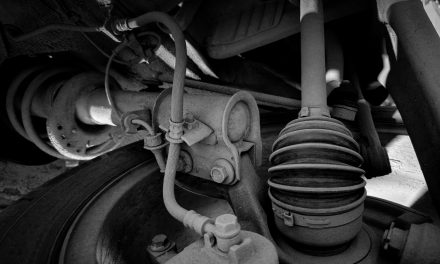
Proper lubrication is vital for the smooth operation of brake components. A lack of lubrication can lead to increased friction between moving parts, resulting in grinding noises when brakes are applied. Brake calipers, slides, and other components require specific lubricants to function correctly; without them, wear and tear can accelerate significantly.
To prevent lubrication-related issues, vehicle owners should ensure that their brakes are serviced regularly by qualified technicians who understand the importance of using appropriate lubricants. During routine maintenance, technicians should inspect all moving parts for signs of wear and apply lubricant as needed to maintain optimal performance.
Stuck Caliper Pistons
Stuck caliper pistons can also lead to brake grinding sounds. Caliper pistons are responsible for pressing the brake pads against the rotors when the brakes are engaged. If these pistons become stuck due to corrosion or lack of lubrication, they may not retract properly after braking, causing continuous contact between the pads and rotors.
To address this issue, regular inspection of caliper pistons is crucial. If a piston is found to be stuck, it may require cleaning or replacement to restore proper function. Additionally, ensuring that calipers are lubricated during routine maintenance can help prevent this problem from occurring in the first place.
Low-Quality Brake Parts
The use of low-quality brake components can significantly impact the performance of a vehicle’s braking system. Inferior materials may wear out more quickly or fail to provide adequate friction, leading to grinding noises and decreased stopping power. Investing in high-quality brake parts from reputable manufacturers can help ensure longevity and reliability.
When replacing brake components, it is essential to choose parts that meet or exceed OEM (Original Equipment Manufacturer) specifications. This not only enhances performance but also reduces the likelihood of issues such as grinding noises arising from subpar materials.
Excessive Brake Dust Accumulation
Brake dust accumulation can also contribute to grinding sounds when brakes are applied. As brake pads wear down, they produce fine particles that can accumulate on various components within the braking system. This buildup can create an abrasive surface that leads to noise and potential damage over time.
To combat excessive brake dust accumulation, regular cleaning of the braking system is recommended. Vehicle owners should consider using high-performance brake pads designed to minimize dust production while maintaining effective stopping power. Additionally, routine inspections can help identify any excessive buildup that may require cleaning.
Rust and Corrosion on Brake Components
Rust and corrosion can severely impact the functionality of a vehicle’s braking system. Moisture exposure can lead to oxidation on metal components such as rotors and calipers, resulting in pitting and uneven surfaces that contribute to grinding noises when brakes are applied. Corrosion can also hinder the movement of caliper pistons and other critical parts.
Preventing rust and corrosion involves regular maintenance practices such as washing the undercarriage of the vehicle and applying protective coatings where necessary. If rust is detected on any braking components, it should be addressed promptly through cleaning or replacement to ensure safe operation.
Impact of Driving Habits on Brake Wear
Driving habits play a significant role in determining how quickly brakes wear out and whether grinding noises occur. Aggressive driving behaviors such as rapid acceleration and hard braking can lead to premature wear on brake components. Conversely, smooth driving techniques can extend the lifespan of brakes and reduce noise-related issues.
To promote better brake health, drivers should adopt habits such as gradual acceleration and deceleration, maintaining a safe following distance, and avoiding unnecessary heavy braking whenever possible. Educating drivers about these practices can significantly enhance overall vehicle safety and performance.
When to Seek Professional Brake Inspection and Repair
It is crucial for vehicle owners to recognize when professional intervention is necessary regarding brake issues. If grinding noises persist despite attempts at maintenance or if there are accompanying symptoms such as vibrations or reduced stopping power, it is essential to seek a qualified technician’s expertise immediately.
Regular brake inspections should be part of routine vehicle maintenance schedules. Technicians can identify potential problems early on and recommend appropriate solutions before they escalate into more severe issues requiring costly repairs.
In conclusion, understanding the various causes of brake grinding is essential for maintaining vehicle safety and performance. Regular inspections, proper maintenance practices, and awareness of driving habits can significantly reduce the likelihood of encountering these issues. By addressing problems promptly and investing in quality components, vehicle owners can ensure their braking systems function optimally for years to come.
### FAQ Section
1. **What does it mean if my brakes are grinding?**
– Grinding brakes typically indicate worn brake pads or damaged rotors that require immediate attention.
2. **How often should I replace my brake pads?**
– Brake pads should generally be replaced every 30,000 to 70,000 miles depending on driving conditions and habits.
3. **Can I drive with grinding brakes?**
– It is not advisable to drive with grinding brakes as it poses significant safety risks and may lead to further damage.
4. **What are signs that my rotors are warped?**
– Signs include vibrations during braking or a pulsating sensation in the brake pedal.
5. **How can I prevent brake grinding?**
– Regular maintenance checks, using quality parts, and adopting smooth driving habits can help prevent brake grinding issues.
6. **What should I do if I hear grinding noises?**
– Have your vehicle inspected by a qualified technician as soon as possible to diagnose and address any underlying issues.
7. **Are there specific lubricants for brakes?**
– Yes, there are specialized lubricants designed for use in braking systems that help reduce friction between moving parts.
8. **How does driving style affect brake wear?**
– Aggressive driving leads to faster wear on brakes due to increased friction from hard stops and rapid acceleration.
9. **What types of brake pads produce less dust?**
– Ceramic brake pads typically produce less dust compared to semi-metallic options while providing effective stopping power.
10. **Is rust on my rotors a serious issue?**
– Yes, rust can compromise rotor integrity and lead to uneven wear; addressing it promptly is crucial for safety.
In summary, understanding the causes behind brake grinding noises is vital for maintaining vehicle safety and performance. Regular inspections combined with proper maintenance practices will help ensure that your braking system remains in optimal condition while minimizing risks associated with neglecting these critical components.
FAQs
What causes brakes to grind when stopping?
Brakes may grind when stopping due to worn brake pads, which can lead to metal-on-metal contact with the brake rotors. Other causes include debris caught between the brake components, rust on the rotors, or damaged brake hardware.
How can I tell if my brake pads are worn?
You can check for worn brake pads by visually inspecting them through the wheel spokes. If the pads appear thin (less than 1/4 inch), or if you hear a squealing or grinding noise when braking, it’s likely time for a replacement.
Is it safe to drive with grinding brakes?
No, it is not safe to drive with grinding brakes. This condition can significantly reduce braking efficiency and increase the risk of accidents. It is advisable to have your brakes inspected and repaired as soon as possible.
How much does it cost to fix grinding brakes?
The cost to fix grinding brakes can vary widely depending on the extent of the damage and the type of vehicle. On average, replacing brake pads can cost between $100 to $300 per axle, while rotor replacement may add an additional $100 to $200.
Can I prevent my brakes from grinding?
Yes, you can prevent brakes from grinding by regularly maintaining your braking system. This includes having your brake pads and rotors inspected periodically, replacing worn components promptly, and ensuring that your brake fluid is at the proper level.