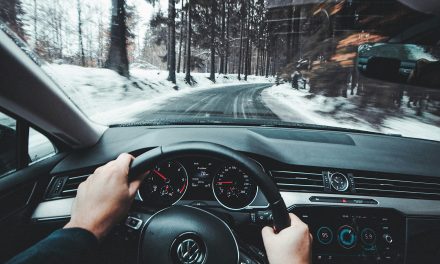
Stopping distance is a critical concept in road safety, encompassing the total distance a vehicle travels from the moment a driver perceives a hazard until the vehicle comes to a complete stop. This distance is not merely a function of the vehicle’s speed; it is a composite of several factors, including perception time, reaction time, and braking distance. Understanding stopping distance is essential for all drivers, as it directly correlates with the ability to avoid collisions and ensure the safety of all road users.
The significance of stopping distance cannot be overstated. In emergency situations, a driver’s ability to stop quickly can mean the difference between a near miss and a catastrophic accident. For instance, at 60 miles per hour, a vehicle can travel approximately 88 feet in just two seconds, which is often the time it takes for a driver to react to an unexpected obstacle. Therefore, being aware of one’s stopping distance allows drivers to maintain appropriate speeds and distances from other vehicles, ultimately fostering safer driving environments.
When considering safe driving practices, understanding the concept of stopping distance at highway speeds is crucial for preventing accidents. A related article that provides insights into effective storage techniques for perishable items, such as mushrooms, can be found at this link. While the article focuses on food preservation, it highlights the importance of being mindful and informed in various aspects of life, much like how drivers must be aware of their stopping distances to ensure safety on the road.
Factors That Affect Your Stopping Distance
Several variables influence stopping distance, making it imperative for drivers to understand these elements to enhance their safety on the road. The primary factors include vehicle speed, road conditions, tire quality, and driver attentiveness. Each of these components plays a pivotal role in determining how quickly a vehicle can come to a halt.
Vehicle speed is perhaps the most significant factor; as speed increases, so does stopping distance exponentially. For example, doubling your speed can quadruple your stopping distance due to the physics of kinetic energy. Additionally, road conditions such as wet or icy surfaces can drastically increase stopping distances due to reduced friction between tires and the road. Tire quality also plays a crucial role; worn or improperly inflated tires can lead to longer stopping distances and decreased control during braking. Lastly, driver attentiveness is vital; distractions or fatigue can delay reaction times, further extending stopping distances.
How Speed Influences Your Stopping Distance

Speed is one of the most critical determinants of stopping distance. The relationship between speed and stopping distance is not linear; rather, it follows an exponential pattern. For instance, if a vehicle traveling at 30 miles per hour requires approximately 75 feet to stop, increasing that speed to 60 miles per hour can require up to 240 feet or more. This dramatic increase underscores the importance of adhering to speed limits and adjusting speed according to road conditions.
Moreover, understanding the physics behind this relationship can help drivers make informed decisions. The formula for calculating stopping distance includes perception distance (the distance traveled while recognizing a hazard), reaction distance (the distance traveled while responding), and braking distance (the distance required to stop once brakes are applied). As speed increases, both perception and reaction distances lengthen, compounding the overall stopping distance. Therefore, maintaining a safe speed is paramount for effective braking and accident prevention.
The Role of Vehicle Condition in Safe Stopping

The condition of a vehicle significantly impacts its braking performance and overall safety on the road. Key components such as brakes, tires, and suspension systems must be regularly maintained to ensure optimal functionality. Worn brake pads can lead to decreased stopping power, while inadequate tire tread can compromise traction, especially in adverse weather conditions.
Regular inspections and maintenance are essential for ensuring that all vehicle components are in good working order. For instance, brake fluid should be checked periodically for contamination or depletion, as this fluid is crucial for effective braking performance. Additionally, tire pressure should be monitored regularly; under-inflated tires can increase stopping distances and reduce handling capabilities. By prioritizing vehicle maintenance, drivers can significantly enhance their ability to stop safely and effectively.
When driving at highway speeds, understanding what constitutes a safe stopping distance is crucial for ensuring road safety. Factors such as vehicle speed, road conditions, and reaction time all play significant roles in determining how far a vehicle needs to stop safely. For a deeper insight into related safety topics, you might find this article on how to tell if your cat is overweight and what to do quite interesting, as it emphasizes the importance of being aware of health indicators, whether for pets or while driving. You can read more about it here.
Weather Conditions and Their Impact on Braking
Weather conditions play a pivotal role in determining stopping distances and overall driving safety. Rain, snow, ice, and fog can create hazardous driving environments that require heightened awareness and adjusted driving behaviors. For example, wet roads can reduce tire traction by up to 50%, leading to longer braking distances and increased risk of skidding.
In snowy or icy conditions, drivers should exercise extreme caution. It is advisable to reduce speed significantly and increase following distances to accommodate longer stopping distances. Additionally, using anti-lock braking systems (ABS) can help maintain steering control during hard braking on slippery surfaces. Understanding how weather affects driving conditions allows drivers to adapt their behaviors accordingly, thereby enhancing safety on the roads.
Maintaining a Safe Following Distance on Highways
Maintaining an appropriate following distance on highways is crucial for preventing rear-end collisions and ensuring safe driving practices. The general rule of thumb is to maintain at least a three-second gap between your vehicle and the one in front of you under normal conditions. This distance allows ample time for reaction in case of sudden stops or emergencies.
In adverse weather conditions or heavy traffic situations, it is advisable to increase this following distance to four or five seconds. This additional space provides extra time for reaction and braking, accommodating longer stopping distances caused by reduced traction or visibility issues. Utilizing techniques such as the “two-second rule” can help drivers gauge their following distance effectively while promoting safer highway travel.
Recognizing and Adjusting for Road Surface Types
Different road surfaces present unique challenges that can affect stopping distances significantly. Asphalt roads typically provide better traction than gravel or dirt surfaces; however, even asphalt can become slippery when wet or covered in debris. Drivers must be vigilant in recognizing these surface types and adjusting their driving accordingly.
For instance, when driving on gravel roads, it is essential to reduce speed significantly due to decreased traction and increased likelihood of skidding during braking maneuvers. Similarly, when approaching intersections or curves on less stable surfaces, drivers should anticipate longer stopping distances and adjust their speeds accordingly. By being aware of road surface types and their implications for braking performance, drivers can enhance their safety on various terrains.
The Effect of Driver Reaction Time on Stopping Distance
Driver reaction time is another critical factor influencing stopping distance. This term refers to the interval between recognizing a hazard and initiating a response—typically involving applying the brakes. On average, a driver’s reaction time ranges from 0.5 to 2 seconds; however, this duration can be affected by numerous factors such as fatigue, distractions, or impairment.
To mitigate the impact of delayed reaction times on stopping distances, drivers should remain vigilant and focused while operating their vehicles. Avoiding distractions such as mobile devices or loud music can help maintain attention on the road ahead. Additionally, practicing mindfulness techniques may enhance overall awareness and responsiveness during critical driving situations.
Tips for Proper Brake Usage and Maintenance
Proper brake usage and maintenance are essential for ensuring optimal vehicle performance and safety on the road. Regular inspections should include checking brake pads for wear and tear, ensuring brake fluid levels are adequate, and examining brake lines for leaks or damage. It is also advisable to replace brake pads according to manufacturer recommendations or when they show signs of significant wear.
When using brakes in various driving scenarios, smooth application is key. Sudden or harsh braking can lead to loss of control or skidding; therefore, gradual pressure should be applied when slowing down or coming to a stop. Additionally, utilizing engine braking—downshifting gears in manual vehicles—can help reduce reliance on brakes while maintaining control during descents or when approaching stops.
Using Technology to Enhance Highway Safety
Advancements in automotive technology have significantly enhanced highway safety by providing drivers with tools that improve awareness and control over their vehicles. Features such as anti-lock braking systems (ABS), electronic stability control (ESC), adaptive cruise control (ACC), and collision avoidance systems are designed to assist drivers in maintaining safe driving practices.
ABS prevents wheel lock-up during hard braking situations, allowing drivers to maintain steering control while reducing stopping distances on slippery surfaces. ESC helps prevent skidding by automatically applying brakes to individual wheels when it detects loss of traction. ACC adjusts vehicle speed based on traffic conditions, promoting safe following distances without constant manual adjustments. By leveraging these technologies, drivers can enhance their safety on highways while reducing the risk of accidents.
Practicing Defensive Driving to Reduce Accident Risks
Defensive driving is an essential skill that empowers drivers to anticipate potential hazards and react proactively rather than reactively. This approach involves maintaining awareness of surrounding vehicles, adhering strictly to traffic laws, and being prepared for unexpected actions from other road users.
Key defensive driving techniques include scanning the road ahead for potential hazards, maintaining safe following distances, using mirrors frequently to monitor blind spots, and signaling intentions well in advance of maneuvers such as lane changes or turns. Additionally, remaining calm and composed during stressful situations can help prevent impulsive reactions that may lead to accidents. By adopting defensive driving practices, individuals can significantly reduce their risk of involvement in collisions while promoting safer roadways for everyone.
In summary, understanding stopping distance is vital for all drivers as it encompasses various factors including speed, vehicle condition, weather conditions, following distances, road surfaces, driver reaction times, brake usage, technology integration, and defensive driving techniques. By recognizing these elements and implementing best practices in each area, individuals can enhance their safety on the roads while contributing positively to overall traffic safety initiatives.
FAQs
What is the general rule for calculating safe stopping distance at highway speeds?
The general rule for calculating safe stopping distance at highway speeds is to use the formula: Stopping Distance = (Speed in mph x 1.5) + Reaction Distance. This means that for every 10 mph, you should allow approximately 15 feet for stopping distance, plus the distance covered during your reaction time, which is typically about 1.5 seconds.
How does speed affect stopping distance?
Speed significantly affects stopping distance; as speed increases, the stopping distance increases exponentially. For example, if you double your speed from 30 mph to 60 mph, your stopping distance can increase by four times due to the physics of motion and the time it takes to react and brake.
What factors can influence stopping distance besides speed?
Several factors can influence stopping distance, including road conditions (wet, icy, or gravel surfaces), vehicle condition (brake efficiency, tire tread), driver reaction time, and the weight of the vehicle. All these elements can either increase or decrease the overall stopping distance required.
What is the recommended following distance at highway speeds?
The recommended following distance at highway speeds is typically three to four seconds behind the vehicle in front of you. This allows enough time to react and stop safely if the vehicle ahead suddenly brakes. In adverse weather conditions, it is advisable to increase this distance to ensure safety.
How can drivers improve their stopping distance on the highway?
Drivers can improve their stopping distance on the highway by maintaining a safe following distance, ensuring their vehicle is well-maintained (including brakes and tires), reducing speed in adverse conditions, and staying alert to traffic conditions ahead. Additionally, practicing defensive driving techniques can help anticipate potential hazards and react more effectively.