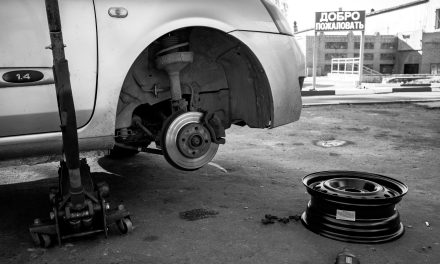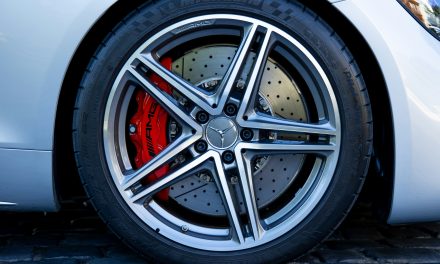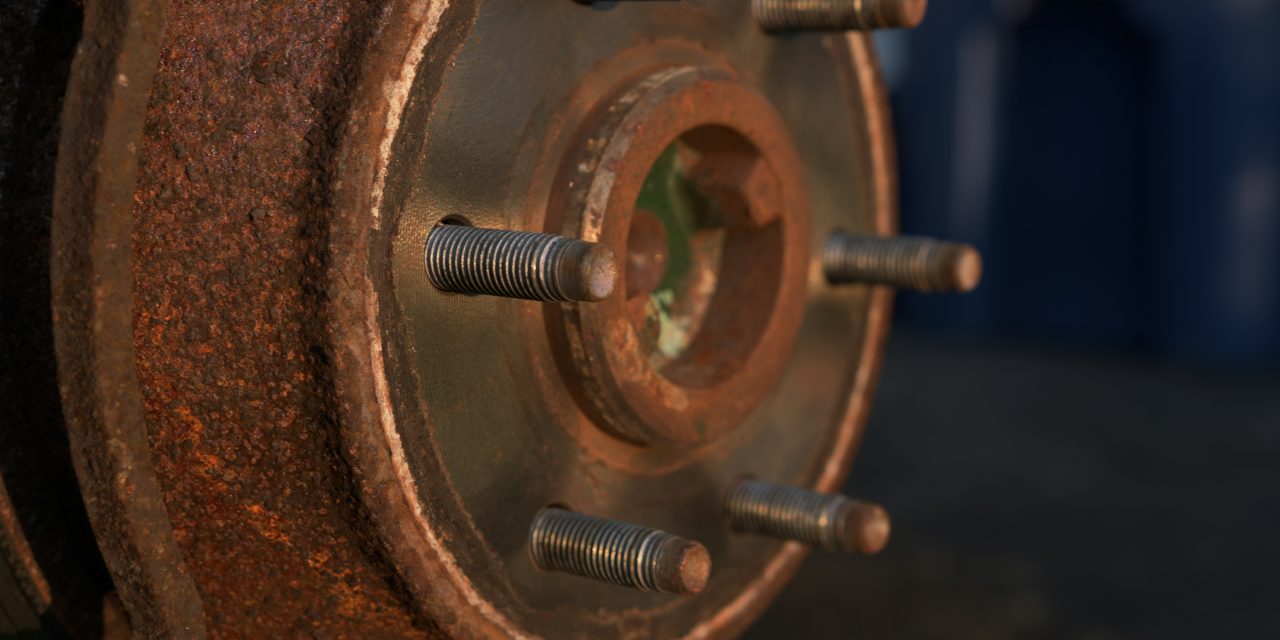
Brake pads and rotors are critical components of a vehicle’s braking system, playing a pivotal role in ensuring safety and performance. Brake pads are friction materials that press against the rotors to slow down or stop the vehicle when the brake pedal is engaged. The rotors, typically made of cast iron or carbon composite, are circular discs that rotate with the wheels. When the brake pads clamp down on the rotors, friction is generated, converting kinetic energy into thermal energy, which ultimately slows the vehicle.
The efficiency of this system is paramount; worn-out brake pads can lead to decreased stopping power and increased stopping distances, while damaged rotors can cause vibrations and noise during braking. Understanding the interplay between these components is essential for maintaining optimal vehicle performance and safety. Regular inspections and timely replacements can prevent more severe issues, such as brake failure or costly repairs.
When considering the cost of replacing brake pads and rotors, it’s essential to understand the various factors that can influence the overall expense, such as the make and model of your vehicle, labor costs, and the type of parts used. For a deeper insight into vehicle maintenance and repair costs, you might find this article helpful: How to Get Makeup and Foundation Stains Out of Clothes. While it primarily focuses on cleaning tips, it underscores the importance of maintaining your belongings, much like how regular vehicle maintenance can save you money in the long run.
Signs You Need to Replace Brake Pads and Rotors
Several indicators suggest that brake pads and rotors may require replacement. One of the most common signs is a squeaking or squealing noise when braking, which often indicates that the brake pads have worn down to their wear indicators. Additionally, if you experience a grinding sound, it may signify that the pads have completely worn away, leading to metal-on-metal contact with the rotors, which can cause significant damage.
Another critical sign is a pulsating sensation in the brake pedal or steering wheel when braking. This can indicate warped rotors, which compromise braking efficiency and safety. Furthermore, if you notice a decrease in braking responsiveness or an increase in stopping distance, it is crucial to have your braking system inspected immediately. Ignoring these symptoms can lead to more severe issues and potentially hazardous driving conditions.
Factors Influencing Brake Pads Replacement Cost

The cost of replacing brake pads can vary significantly based on several factors. First and foremost, the type of vehicle plays a crucial role; luxury or high-performance vehicles often require specialized pads that can be more expensive than standard options. Additionally, the material composition of the brake pads—ceramic, semi-metallic, or organic—can influence pricing. Ceramic pads tend to be more expensive but offer superior performance and longevity compared to their counterparts.
Labor costs also contribute to the overall expense of brake pad replacement. The complexity of the vehicle’s braking system and the location of the brake components can affect how long it takes a mechanic to perform the replacement. Furthermore, regional differences in labor rates can lead to variations in pricing across different areas. It is essential to consider these factors when budgeting for brake pad replacement.
Factors Influencing Rotor Replacement Cost

Rotor replacement costs are influenced by several key factors as well. The type of rotor—standard, slotted, or drilled—can significantly affect pricing. Slotted or drilled rotors are designed for enhanced performance and heat dissipation but come at a premium compared to standard rotors. Additionally, the brand and quality of the rotor can impact costs; reputable manufacturers often charge more for their products due to their reliability and performance.
Another factor is whether the rotors need resurfacing or complete replacement. Resurfacing involves machining the rotor’s surface to remove imperfections and restore its flatness, which can be a cost-effective solution if the rotors are still within acceptable thickness limits. However, if they are too thin or damaged beyond repair, full replacement will be necessary, leading to higher costs.
When considering the expenses associated with vehicle maintenance, understanding the costs involved in replacing brake pads and rotors is essential for any car owner. A detailed analysis can be found in a related article that discusses various factors influencing these costs, helping you make informed decisions about your vehicle’s upkeep. For more insights, you can check out this informative piece on testing your garden soil pH, which, while focused on gardening, emphasizes the importance of regular maintenance in any context.
Average Cost Range for Brake Pads Replacement
The average cost range for brake pad replacement typically falls between $100 and $300 per axle, depending on various factors such as vehicle type and labor rates. For standard passenger vehicles, you can expect to pay around $150 for parts and labor combined. However, for luxury vehicles or high-performance models, costs can escalate to $400 or more due to specialized components and labor requirements.
It is also important to note that some shops may offer package deals that include both brake pad and rotor replacement at a discounted rate. This can be an economical option if both components require servicing simultaneously. Always inquire about potential discounts or promotions when seeking brake services.
Average Cost Range for Rotor Replacement
Rotor replacement costs generally range from $200 to $500 per axle, depending on similar factors that influence brake pad pricing. Standard rotors may cost between $50 and $150 each, while high-performance or specialty rotors can exceed $300 each. Labor costs typically add another $100 to $200 to the total expense.
As with brake pads, some automotive service centers may provide bundled services that include rotor replacement along with brake pad installation at a reduced rate. This approach not only saves money but also ensures that both components work harmoniously together for optimal braking performance.
When considering brake component replacements, one must choose between Original Equipment Manufacturer (OEM) parts and aftermarket alternatives. OEM parts are produced by the vehicle manufacturer and are designed specifically for your make and model. While they often come with a higher price tag—typically 20% to 50% more than aftermarket options—they guarantee compatibility and reliability.
Aftermarket parts offer a more budget-friendly alternative but vary widely in quality and performance. Some aftermarket brands produce high-quality components that meet or exceed OEM specifications, while others may compromise on materials or manufacturing processes. It is crucial to research reputable aftermarket brands if you opt for this route to ensure safety and performance are not compromised.
Labor Costs and How They Affect Total Replacement Price
Labor costs are a significant component of the total expense associated with brake pad and rotor replacement. On average, labor rates range from $75 to $150 per hour, depending on geographic location and shop reputation. The complexity of the job also influences labor time; vehicles with intricate braking systems may require additional time for disassembly and reassembly.
Moreover, some shops may charge a flat rate for specific services rather than hourly rates, which can provide clarity on expected costs upfront. It is advisable to obtain multiple quotes from different service providers to ensure competitive pricing while maintaining quality service.
DIY Brake Pads and Rotors Replacement: Pros and Cons
Replacing brake pads and rotors can be a feasible DIY project for those with mechanical skills and tools. The primary advantage of undertaking this task yourself is cost savings; you eliminate labor fees associated with professional services. Additionally, performing your own maintenance allows you to gain a deeper understanding of your vehicle’s braking system.
However, there are notable drawbacks to consider as well. Brake systems are critical for vehicle safety; improper installation can lead to catastrophic failures or accidents. Furthermore, without access to specialized tools or equipment, achieving optimal results may be challenging. For those lacking experience or confidence in their mechanical abilities, consulting a professional mechanic is often the safer choice.
How to Save Money on Brake Pads and Rotors Replacement
There are several strategies to save money on brake pad and rotor replacements without compromising safety or quality. First, consider scheduling regular maintenance checks; early detection of wear can prevent more extensive repairs down the line. Additionally, take advantage of seasonal promotions or discounts offered by automotive service centers.
Purchasing parts online can also yield significant savings compared to local auto parts stores or dealerships. However, ensure that you choose reputable suppliers who provide quality components with warranties. Finally, consider joining loyalty programs offered by repair shops; these programs often provide discounts on future services for repeat customers.
When to Consult a Professional Mechanic for Brake Repairs
While some individuals may feel confident tackling brake repairs themselves, there are instances when consulting a professional mechanic is essential. If you experience any unusual symptoms such as grinding noises, vibrations during braking, or a spongy brake pedal feel, it is crucial to seek expert assistance immediately. These signs may indicate serious issues that require specialized knowledge and tools for proper diagnosis and repair.
Additionally, if you lack experience with automotive repairs or do not possess the necessary tools for a safe installation, it is advisable to leave brake work to professionals. Ensuring your vehicle’s braking system functions correctly is paramount for your safety and that of others on the road.
In summary, understanding brake pads and rotors is vital for maintaining vehicle safety and performance. Recognizing signs of wear and knowing when to replace these components can save drivers from costly repairs down the line. Factors influencing replacement costs include vehicle type, component quality, labor rates, and whether OEM or aftermarket parts are chosen. While DIY replacements can save money, consulting professionals ensures safety and reliability in critical braking systems.
FAQs
What is the average cost to replace brake pads and rotors?
The average cost to replace brake pads and rotors typically ranges from $300 to $800 per axle, depending on the make and model of the vehicle, the quality of the parts used, and the labor costs in your area.
How often should brake pads and rotors be replaced?
Brake pads generally need to be replaced every 30,000 to 70,000 miles, while rotors can last anywhere from 50,000 to 100,000 miles. However, this can vary based on driving habits and conditions.
What factors influence the cost of brake pad and rotor replacement?
Several factors can influence the cost, including the type of vehicle, the quality of the brake components (OEM vs. aftermarket), labor rates at the repair shop, and whether additional repairs are needed.
Can I replace brake pads and rotors myself to save money?
Yes, if you have the necessary tools and mechanical skills, you can replace brake pads and rotors yourself, which can save you on labor costs. However, it’s important to follow proper procedures to ensure safety and effectiveness.
Are there any signs that indicate brake pads and rotors need replacement?
Common signs that indicate brake pads and rotors may need replacement include squeaking or grinding noises when braking, a pulsating brake pedal, reduced braking performance, or a warning light on the dashboard.