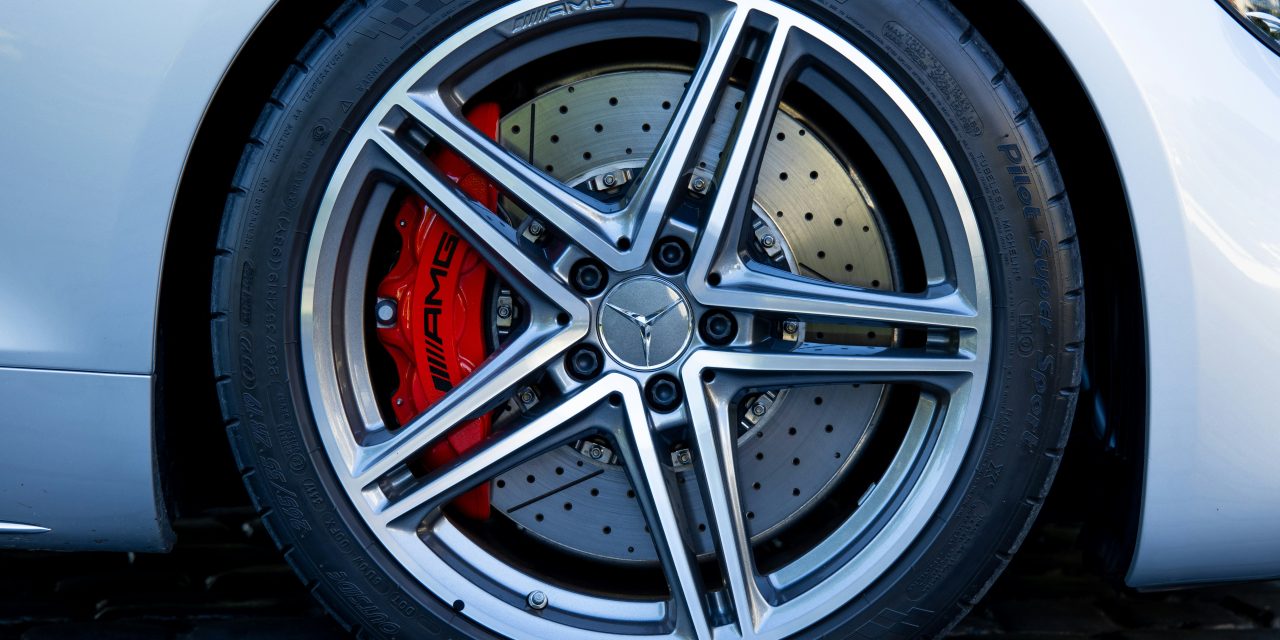
Brake rotors and pads are critical components of a vehicle’s braking system, playing a pivotal role in ensuring safe and effective stopping power. The brake rotor, typically made from cast iron or carbon composite, is a disc that rotates with the wheel. When the brake pedal is pressed, hydraulic pressure forces the brake pads against the rotor, creating friction that slows down or stops the vehicle. This process is essential for maintaining control during driving, especially in emergency situations.
Brake pads, on the other hand, are friction materials that are mounted on either side of the rotor. They are designed to withstand high temperatures and pressures while providing optimal friction. The composition of brake pads can vary significantly, with options ranging from organic materials to semi-metallic and ceramic formulations. Each type has its advantages and disadvantages in terms of performance, noise levels, and wear rates. Understanding the interplay between rotors and pads is crucial for vehicle maintenance and safety.
When considering brake maintenance, many car owners often wonder if they need to replace rotors when changing brake pads. This topic is crucial for ensuring optimal braking performance and safety. For a deeper understanding of vehicle maintenance, you might find it helpful to read a related article on the importance of regular check-ups, which can be found here. This article highlights how preventive care can extend the life of various components, much like how regular brake inspections can help determine the condition of your rotors.
Signs That Indicate Rotor Replacement is Necessary
Several indicators suggest that brake rotors may need replacement. One of the most common signs is a pulsating sensation felt through the brake pedal when applying brakes. This phenomenon often indicates that the rotors have become warped due to excessive heat or wear. Additionally, if there are visible grooves or scoring on the rotor surface, it may compromise braking efficiency and necessitate replacement.
Another telltale sign is the presence of unusual noises during braking, such as grinding or squeaking sounds. These noises can indicate that the brake pads have worn down to the metal backing, which can damage the rotors. Furthermore, if the vehicle pulls to one side when braking, it may suggest uneven wear on the rotors or pads, warranting further inspection and potential replacement.
Can You Replace Brake Pads Without Changing Rotors?

Yes, it is possible to replace brake pads without changing rotors, provided that the rotors are still within acceptable wear limits and are not damaged. However, this practice should be approached with caution. If the rotors exhibit signs of wear such as warping or scoring, simply replacing the pads may lead to suboptimal braking performance and increased wear on the new pads.
When opting to replace only the brake pads, it is essential to inspect the rotors thoroughly for any signs of damage or excessive wear. If the rotors are in good condition, new pads can be installed without issue. However, if there are concerns about rotor integrity, it may be prudent to consider replacing both components simultaneously to ensure optimal braking performance.
How Worn Rotors Affect Brake Pad Performance

Worn rotors can significantly impact brake pad performance and overall vehicle safety. When rotors become uneven or develop grooves, they create an inconsistent surface for the brake pads to grip. This inconsistency can lead to reduced friction, resulting in longer stopping distances and diminished braking efficiency.
Moreover, worn rotors can cause premature wear on new brake pads. As the pads attempt to conform to the uneven surface of the rotors, they may wear unevenly themselves, leading to a shorter lifespan and increased maintenance costs. In extreme cases, this can also lead to brake fade, where the braking system loses effectiveness due to overheating caused by excessive friction.
When considering whether to replace rotors while changing brake pads, it’s essential to understand the factors that influence this decision. Many mechanics recommend inspecting the rotors for wear and damage, as worn rotors can compromise braking performance. For a deeper understanding of related automotive maintenance topics, you might find this article on fridge and freezer temperatures interesting, as it highlights the importance of maintaining optimal conditions for various appliances, much like how proper brake maintenance ensures vehicle safety.
The Risks of Reusing Old Rotors with New Pads
Reusing old rotors when installing new brake pads poses several risks that can compromise vehicle safety. One significant concern is that old rotors may harbor hidden damage or excessive wear that is not immediately visible. If these rotors are not replaced or resurfaced properly, they can lead to uneven pad wear and decreased braking performance.
Additionally, using old rotors can increase the likelihood of noise and vibration during braking. This not only affects driving comfort but can also indicate underlying issues that could lead to more severe problems down the line. Ultimately, while reusing old rotors may seem cost-effective initially, it can result in higher long-term expenses due to increased maintenance needs and potential safety hazards.
When Is It Safe to Resurface Instead of Replace Rotors?
Resurfacing rotors can be a viable option under certain conditions. If the rotors are within manufacturer specifications for thickness and do not exhibit significant damage such as deep grooves or cracks, resurfacing can restore their flatness and improve braking performance. This process involves machining the rotor surface to remove imperfections and create a smooth finish.
However, it is crucial to ensure that resurfacing does not compromise rotor thickness beyond acceptable limits. Each rotor has a minimum thickness specification; exceeding this limit can lead to overheating and failure during operation. Therefore, before deciding to resurface rather than replace rotors, a thorough inspection by a qualified technician is essential.
The cost of replacing rotors versus resurfacing them can vary significantly based on several factors including vehicle make and model, labor costs in your area, and whether you choose aftermarket or OEM parts. On average, replacing rotors can range from $300 to $800 per axle, depending on these variables.
In contrast, resurfacing typically costs between $50 and $100 per rotor. While resurfacing appears more economical upfront, it is essential to consider long-term implications such as rotor lifespan and performance. If resurfaced rotors do not meet safety standards or wear out quickly due to underlying issues, additional costs may arise from premature pad replacement or further rotor work.
How to Inspect Rotors for Damage or Wear
Inspecting brake rotors for damage or wear is a critical aspect of vehicle maintenance that should not be overlooked. Begin by visually examining the rotor surface for any signs of scoring, grooves, or discoloration caused by overheating. A smooth surface is ideal; any irregularities may indicate that replacement or resurfacing is necessary.
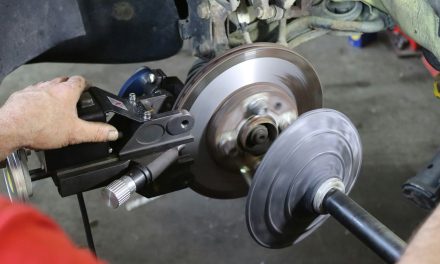
Next, check for warping by spinning the rotor while observing its alignment with the caliper. If you notice any wobbling or uneven contact with the brake pads during this process, it suggests that the rotor may be warped and requires attention. Additionally, measuring rotor thickness with a micrometer can help determine if they are still within acceptable limits for safe operation.
Tips for Choosing Quality Rotors and Brake Pads
Selecting high-quality rotors and brake pads is paramount for ensuring optimal braking performance and safety. When choosing rotors, consider factors such as material composition (e.g., cast iron vs. carbon composite), design (e.g., vented vs. solid), and brand reputation. Look for products that meet or exceed OEM specifications for your vehicle.
For brake pads, evaluate their friction material type—organic pads offer quiet operation but may wear faster than semi-metallic or ceramic options which provide better performance under high-stress conditions. Additionally, consider noise levels and dust production when making your selection; some premium pads are designed specifically to minimize these issues while maximizing performance.
Step-by-Step Guide to Replacing Brake Pads and Rotors
Replacing brake pads and rotors involves several steps that require attention to detail for successful completion:
1. **Gather Tools**: Ensure you have all necessary tools including a jack, jack stands, lug wrench, socket set, torque wrench, and brake cleaner.
2. **Lift Vehicle**: Safely lift the vehicle using a jack and secure it with jack stands before removing wheels.
3. **Remove Old Pads**: Take off caliper bolts using a socket wrench and carefully slide out the caliper to access old brake pads.
4. **Inspect Rotors**: Check rotors for damage; if they are worn beyond acceptable limits or warped, remove them by unscrewing any retaining bolts.
5. **Install New Rotors**: Place new rotors onto the hub assembly and secure them according to manufacturer specifications.
6. **Install New Pads**: Apply brake grease where necessary before sliding new pads into place within the caliper bracket.
7. **Reattach Caliper**: Carefully reposition the caliper over new pads and secure it with bolts.
8. **Reinstall Wheels**: Place wheels back onto hubs and tighten lug nuts in a star pattern for even distribution.
9. **Lower Vehicle**: Remove jack stands and lower the vehicle back onto the ground.
10. **Test Brakes**: Before driving, pump the brake pedal several times to ensure proper pad seating against the rotor.
Maintenance Practices to Extend the Life of Rotors and Pads
To maximize the lifespan of brake rotors and pads, regular maintenance practices should be implemented:
1. **Routine Inspections**: Conduct periodic inspections of brake components every 6 months or as recommended by your vehicle manufacturer.
2. **Brake Fluid Checks**: Ensure that brake fluid levels are adequate; low fluid can lead to decreased braking efficiency.
3. **Avoid Overheating**: Avoid aggressive driving habits such as hard braking which can generate excessive heat leading to premature wear.
4. **Proper Bedding**: Follow proper bedding procedures when installing new pads; this helps establish an effective friction surface.
5. **Use Quality Parts**: Invest in high-quality aftermarket or OEM parts that meet safety standards for your specific vehicle model.
In summary, understanding brake rotors and pads is essential for maintaining vehicle safety and performance. Recognizing signs of wear and knowing when to replace or resurface components can prevent costly repairs down the line while ensuring optimal braking efficiency. Regular inspections combined with quality parts selection will extend their lifespan significantly while enhancing overall driving safety.
### FAQ Section
1. **How often should I replace my brake pads?**
– Brake pads typically need replacement every 30,000 to 70,000 miles depending on driving habits and conditions.
2. **What causes brake rotors to warp?**
– Warping often results from excessive heat generated during braking due to aggressive driving or prolonged braking periods.
3. **Can I mix different brands of brake pads and rotors?**
– While it’s technically possible, mixing brands may lead to inconsistent performance; it’s best to use matched components.
4. **How do I know if my brakes need servicing?**
– Listen for unusual noises during braking or feel vibrations; these are signs that your brakes may need inspection.
5. **Is it necessary to replace all four rotors at once?**
– While not mandatory, replacing all four ensures balanced braking performance across all wheels.
6. **What is the average lifespan of brake rotors?**
– Brake rotors generally last between 50,000 to 70,000 miles but can vary based on driving conditions.
7. **Can I perform brake maintenance myself?**
– Yes! With proper tools and knowledge of your vehicle’s braking system, many people successfully perform their own maintenance.
8. **What should I do if my brakes feel spongy?**
– A spongy feeling often indicates air in the brake lines; bleeding the brakes may resolve this issue.
9. **Are ceramic brake pads better than metallic ones?**
– Ceramic pads produce less dust and noise but may not perform as well under extreme conditions compared to metallic options.
10. **What should I do if my brakes squeak?**
– Squeaking could indicate worn pads; inspect them immediately as continued use could damage rotors.
By adhering to these guidelines regarding inspection, maintenance practices, and understanding component interactions within your vehicle’s braking system, you can ensure both safety on the road and longevity of your braking components.
FAQs
Do you always need to replace rotors when replacing brake pads?
No, you do not always need to replace rotors when replacing brake pads. It depends on the condition of the rotors. If they are within the manufacturer’s specifications for thickness and are not warped or damaged, they can often be resurfaced or reused.
How can I tell if my rotors need to be replaced?
Signs that your rotors may need to be replaced include visible scoring or grooves on the surface, excessive rust, or if you experience vibrations or pulsations when braking. Additionally, if the rotors are below the minimum thickness specified by the manufacturer, they should be replaced.
What is the difference between resurfacing and replacing rotors?
Resurfacing rotors involves machining the surface to remove imperfections and restore a smooth finish, allowing them to be reused. Replacing rotors means installing new ones entirely. Resurfacing is typically done when the rotors are still within acceptable thickness and condition, while replacement is necessary if they are too worn or damaged.
Can I replace brake pads without replacing rotors?
Yes, you can replace brake pads without replacing rotors, provided the rotors are in good condition. However, it is recommended to inspect the rotors for any signs of wear or damage before making the decision to keep them.
What factors can affect the lifespan of brake rotors?
Several factors can affect the lifespan of brake rotors, including driving habits (such as aggressive braking), the quality of the brake pads used, the type of vehicle, and environmental conditions (like exposure to moisture and road salt). Regular maintenance and inspections can help extend their lifespan.