A sticky car dashboard can be an irritating issue for many vehicle owners. This phenomenon often arises from a combination of environmental factors and the materials used in the dashboard’s construction. One primary cause is the degradation of plasticizers, which are additives used in the manufacturing of synthetic materials. Over time, exposure to heat, sunlight, and humidity can lead to the breakdown of these plasticizers, resulting in a sticky surface. Additionally, the accumulation of dust, grime, and residues from various substances—such as food, drinks, or even skin oils—can exacerbate the stickiness.
Another contributing factor is the use of certain cleaning products that may leave behind a residue. Many commercial cleaners contain chemicals that can react with dashboard materials, leading to a tacky feel. Furthermore, prolonged exposure to UV rays can cause fading and deterioration of the dashboard surface, making it more susceptible to stickiness. Understanding these causes is crucial for effectively addressing the problem and preventing its recurrence.
If you’re looking for effective ways to clean a sticky car dashboard, you might find it helpful to explore related tips on maintaining a clean and healthy environment in your home as well. For instance, you can check out this article on 10 Healthy Cooking Tips for Nutritious and Delicious Meals, which emphasizes the importance of cleanliness and organization in your cooking space, paralleling the need for a tidy car interior.
Gathering the Necessary Cleaning Supplies
Before embarking on the cleaning process, it is essential to gather all necessary supplies to ensure a thorough and effective cleaning experience. The primary items required include a high-quality microfiber cloth, which is gentle on surfaces and minimizes the risk of scratches. Additionally, a soft-bristle brush can be beneficial for loosening dirt and debris from crevices without damaging the dashboard.
For cleaning solutions, consider using a mixture of warm water and mild dish soap as a safe and effective option. Alternatively, specialized automotive interior cleaners designed for plastic surfaces can provide targeted results. If opting for commercial products, ensure they are free from harsh chemicals that could further damage the dashboard. Lastly, having a vacuum cleaner with a brush attachment can assist in removing loose particles before applying any cleaning solution.
Preparing Your Car for Dashboard Cleaning

Preparation is key to achieving optimal results when cleaning your car’s dashboard. Begin by parking your vehicle in a shaded area or garage to prevent direct sunlight from heating the dashboard surface. High temperatures can cause cleaning solutions to evaporate too quickly, reducing their effectiveness. Additionally, ensure that the interior temperature is comfortable to work in, as this will facilitate better cleaning conditions.
Next, remove any personal items or clutter from the dashboard area. This includes items such as sunglasses, loose change, or any other objects that may obstruct your cleaning efforts. By creating a clear workspace, you will be able to focus on the task at hand without distractions. It is also advisable to wear gloves during the cleaning process to protect your hands from any chemicals or residues.
Removing Loose Dust and Debris

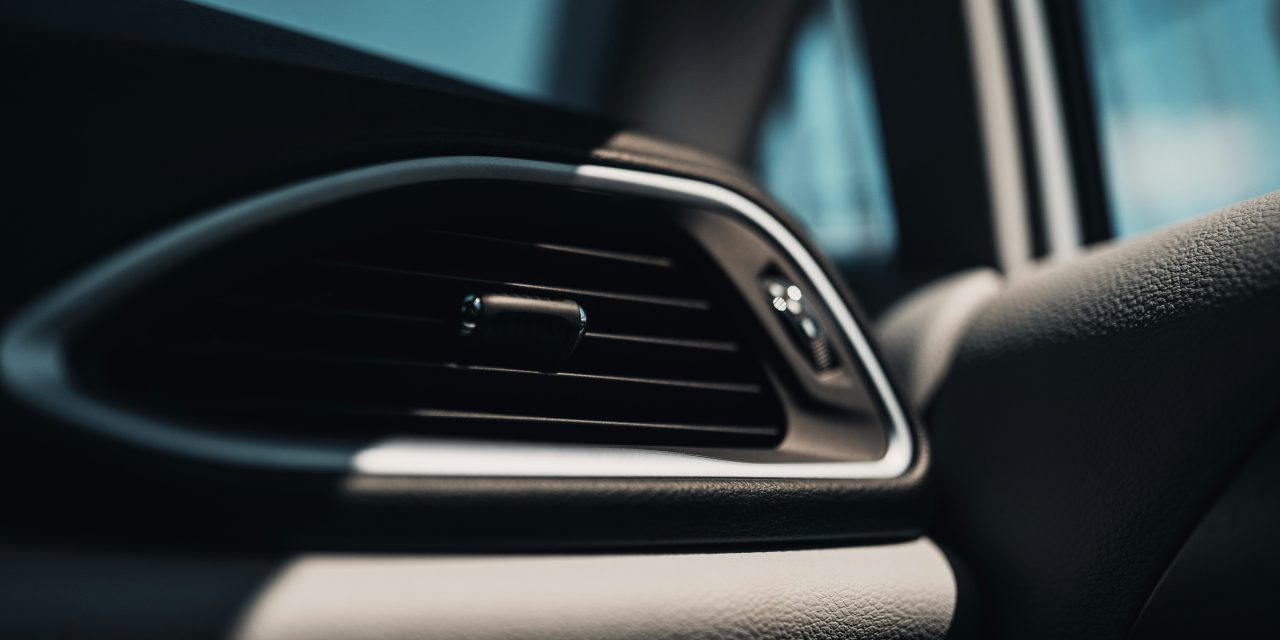
Before applying any cleaning solution, it is crucial to remove loose dust and debris from the dashboard surface. Start by using a soft-bristle brush or a vacuum cleaner with a brush attachment to gently dislodge dirt particles from crevices and corners. Pay special attention to areas around air vents and control knobs where dust tends to accumulate.
Once you have loosened the debris, use a microfiber cloth to wipe down the surface gently. This step will help ensure that no dirt remains trapped under your cleaning solution, which could lead to scratches or further damage during the cleaning process. A thorough initial dusting will set the stage for a more effective deep clean.
If you’re looking to restore your car’s interior, cleaning a sticky dashboard can make a significant difference in its appearance. To achieve the best results, it’s essential to use the right cleaning solutions and techniques. For additional tips on tackling tough cleaning challenges, you might find this article on how to clean shower grout and remove stubborn buildup helpful. It offers practical advice that can be applied to various surfaces, including your car’s dashboard. You can check it out here.
Choosing the Right Cleaning Solution for Sticky Residue
Selecting an appropriate cleaning solution is vital for effectively addressing sticky residues on your dashboard. As mentioned earlier, a mixture of warm water and mild dish soap can be an excellent starting point for most surfaces. This combination is gentle yet effective in breaking down grime without causing harm to the dashboard material.
For more stubborn stickiness, consider using specialized automotive interior cleaners that are specifically formulated for plastic surfaces. These products often contain surfactants that can penetrate and dissolve sticky residues more effectively than standard household cleaners. Always read product labels carefully to ensure compatibility with your dashboard material and avoid any harsh chemicals that could lead to further deterioration.
If you’re looking for effective ways to clean a sticky car dashboard, you might find it helpful to explore some clever storage solutions for your vehicle as well. Keeping your car organized can prevent messes that lead to sticky surfaces. For more insights on maximizing space and keeping your car tidy, check out this article on clever toy storage ideas that can inspire you to maintain a cleaner environment in your vehicle.
Applying the Cleaner Safely to the Dashboard
Once you have chosen your cleaning solution, it is time to apply it safely to the dashboard surface. Begin by dampening your microfiber cloth with the cleaning solution; avoid soaking it completely, as excess liquid can seep into electronic components or crevices. Instead, aim for a lightly dampened cloth that will allow you to clean without risking damage.
Gently wipe down the dashboard in small sections, applying light pressure as needed. This method ensures that you cover every area without overwhelming the surface with moisture. If you encounter particularly sticky spots, allow the cleaner to sit for a minute before wiping it away; this will give it time to penetrate and break down stubborn residues effectively.
Gently Scrubbing the Sticky Areas
In cases where stickiness persists despite initial cleaning efforts, gentle scrubbing may be necessary. Utilize a soft-bristle brush or an old toothbrush specifically designated for this purpose. The bristles should be soft enough to avoid scratching but firm enough to dislodge stubborn residues.
When scrubbing, focus on one small area at a time and apply minimal pressure to avoid damaging the dashboard surface. Use circular motions or back-and-forth strokes to lift away sticky substances effectively. After scrubbing each section, wipe it down with a clean microfiber cloth dampened with your chosen cleaning solution to remove any loosened debris.
Wiping Down the Dashboard with a Microfiber Cloth
After scrubbing away sticky areas, it is essential to wipe down the entire dashboard with a clean microfiber cloth. This step will help remove any remaining cleaner residue and ensure that your dashboard looks pristine. Use long, sweeping motions to cover larger areas while paying attention to smaller sections where dirt may still linger.
It is advisable to use separate cloths for different sections of the dashboard if necessary—one for scrubbing and another for final wiping—to prevent cross-contamination of dirt and grime. Regularly check your cloth for dirt buildup and switch to a clean section as needed to maintain effectiveness throughout the process.
Drying and Polishing for a Smooth Finish
Once you have thoroughly cleaned and wiped down your dashboard, allow it to air dry completely before closing windows or doors. This drying period is crucial as it prevents moisture from becoming trapped in crevices or electronic components. If desired, you can speed up this process by using a dry microfiber cloth to gently buff the surface.
For an added touch of shine and protection, consider applying a specialized dashboard polish designed for automotive interiors after drying. These products often contain UV protectants that help shield against sun damage while enhancing the appearance of your dashboard. Apply sparingly and buff with a clean cloth for an even finish.
Preventative Tips to Keep Your Dashboard Clean
Maintaining a clean dashboard requires ongoing effort and preventive measures. One effective strategy is to regularly dust your dashboard using a microfiber cloth or soft-bristle brush at least once a week. This practice will help prevent dirt buildup and reduce stickiness over time.
Additionally, consider using sunshades or window visors when parking your vehicle in direct sunlight. These accessories can significantly reduce UV exposure and heat buildup inside your car, thereby prolonging the lifespan of your dashboard materials. Furthermore, avoid eating or drinking in your vehicle whenever possible; spills can lead to sticky residues that are difficult to remove.
When to Seek Professional Help for Persistent Stickiness
In some cases, persistent stickiness may indicate underlying issues that require professional intervention. If you have attempted multiple cleaning methods without success or if your dashboard shows signs of significant wear or damage, it may be time to consult an automotive detailing service or professional cleaner.
Professionals possess specialized tools and products designed for deep cleaning automotive interiors effectively without causing harm. They can also assess whether any underlying issues—such as material degradation—are contributing to the problem and recommend appropriate solutions or repairs.
In summary, addressing a sticky car dashboard involves understanding its causes, gathering appropriate supplies, and following systematic cleaning steps while employing preventative measures for long-term maintenance. By taking proactive steps and knowing when to seek professional assistance, vehicle owners can keep their dashboards looking pristine and functional for years to come.
FAQs
What materials do I need to clean a sticky car dashboard?
To clean a sticky car dashboard, you will need a microfiber cloth, a soft-bristle brush, warm water, mild dish soap, and optionally, a vinegar solution or a specialized dashboard cleaner. Avoid using harsh chemicals or abrasive materials that could damage the dashboard surface.
How do I prepare the dashboard for cleaning?
Before cleaning, remove any loose debris or dust from the dashboard using a soft-bristle brush or a dry microfiber cloth. This will prevent scratching the surface during the cleaning process. Ensure the car is parked in a shaded area to avoid direct sunlight, which can cause cleaning solutions to dry too quickly.
What is the best method to clean a sticky dashboard?
The best method involves mixing a few drops of mild dish soap with warm water. Dampen a microfiber cloth with the solution and gently wipe the sticky areas of the dashboard. For tough spots, you can use a soft-bristle brush to agitate the sticky residue. Rinse the cloth with clean water and wipe the dashboard again to remove any soap residue.
Can I use vinegar to clean my car dashboard?
Yes, vinegar can be an effective cleaner for sticky dashboards. Mix equal parts of vinegar and water in a spray bottle, spray it onto a microfiber cloth (not directly on the dashboard), and wipe the sticky areas. Vinegar is a natural cleaner that can help break down sticky residues without damaging the surface.
How can I prevent my dashboard from becoming sticky in the future?
To prevent a sticky dashboard, regularly clean it with a microfiber cloth to remove dust and grime. Use a UV protectant specifically designed for dashboards to shield it from sun damage and reduce stickiness. Additionally, avoid leaving items on the dashboard that can cause heat buildup and stickiness.