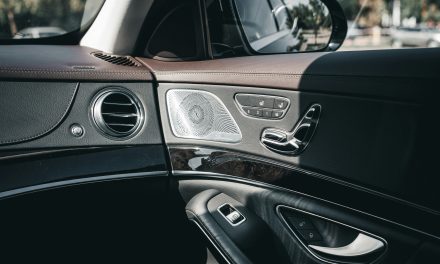
Leather car seats are synonymous with luxury and comfort, providing an aesthetic appeal that enhances the overall interior of a vehicle. However, the allure of leather comes with the responsibility of proper maintenance. Regular cleaning and conditioning are crucial for preserving the integrity of leather, preventing it from becoming dry, cracked, or discolored over time. The natural oils in leather can diminish due to exposure to sunlight, heat, and everyday wear and tear, leading to irreversible damage if not addressed promptly.
Moreover, maintaining clean leather seats contributes to a healthier environment within the vehicle. Dust, allergens, and bacteria can accumulate on surfaces, potentially affecting the well-being of passengers. By implementing a routine cleaning regimen, you not only enhance the visual appeal of your car but also promote a hygienic atmosphere. Understanding the significance of leather care is the first step toward ensuring that your investment remains in pristine condition for years to come.
If you’re looking to maintain the luxurious feel of your leather car seats, it’s essential to know how to properly condition them. Conditioning not only keeps the leather supple but also protects it from cracking and fading. For more tips on maintaining your home and preventing damage during winter, you might find this article on how to prevent frozen pipes helpful. You can read it here: How to Prevent Frozen Pipes.
Gathering the Right Supplies for Leather Care
Before embarking on the cleaning journey, it is essential to gather the appropriate supplies tailored for leather care. The primary items required include a high-quality leather cleaner, a soft microfiber cloth, a vacuum cleaner with upholstery attachments, and a specialized leather conditioner. Each of these components plays a vital role in ensuring effective cleaning without causing damage to the leather surface.
Additionally, consider including a soft-bristled brush for tackling embedded dirt and debris, as well as cotton swabs for reaching tight spaces. It may also be beneficial to have a spray bottle filled with distilled water for diluting cleaners or rinsing surfaces. By assembling these tools beforehand, you can streamline the cleaning process and ensure that you have everything necessary to achieve optimal results.
Preparing Your Car Interior Before Cleaning

Preparation is key when it comes to cleaning leather car seats effectively. Begin by removing any personal items from the interior of the vehicle, including floor mats, trash, and other belongings that may obstruct your cleaning efforts. This step not only clears the space but also allows you to assess the condition of the seats more accurately.
Next, ensure that the car is parked in a shaded area or a garage to prevent direct sunlight from drying out the leather too quickly during the cleaning process. High temperatures can cause cleaners and conditioners to evaporate prematurely, reducing their effectiveness. Once the area is prepared, take a moment to inspect the seats for any visible stains or damage that may require special attention during cleaning.
How to Properly Vacuum Leather Car Seats

Vacuuming is an essential preliminary step in maintaining leather car seats. It removes loose dirt, dust, and debris that can scratch or damage the leather surface during cleaning. Begin by using a vacuum cleaner equipped with an upholstery attachment to gently remove particles from the seats. Pay close attention to seams and crevices where dirt tends to accumulate.
When vacuuming, use slow and deliberate motions to ensure thorough coverage without causing friction against the leather. It is advisable to start from the top of the seat and work your way downwards to avoid redistributing dirt onto already cleaned areas. For tight spaces between seats or in corners, utilize a crevice tool attachment to reach those hard-to-access areas effectively.
If you’re looking to maintain the luxurious feel of your leather car seats, it’s essential to know the right conditioning techniques. Proper conditioning not only enhances the appearance of the leather but also extends its lifespan. For more insights on caring for your pets, you might find this article on healthy cat feeding habits interesting, as it emphasizes the importance of regular maintenance in keeping your furry friends happy and healthy, much like how regular care can keep your car seats looking their best.
Choosing the Best Leather Cleaner for Your Seats
Selecting an appropriate leather cleaner is paramount for effective maintenance. Look for products specifically formulated for automotive leather, as they are designed to break down dirt and grime without compromising the material’s integrity. Avoid using household cleaners or harsh chemicals that may contain alcohol or solvents, as these can lead to discoloration or drying out of the leather.
When evaluating different cleaners, consider those that contain natural ingredients such as lanolin or beeswax, which can nourish and protect the leather while cleaning. Additionally, opt for pH-balanced formulas that are gentle yet effective in removing stains and dirt. Reading product reviews and seeking recommendations from automotive care professionals can also guide you toward making an informed choice.
Step-by-Step Guide to Cleaning Leather Car Seats
Once you have gathered your supplies and selected an appropriate cleaner, it’s time to dive into the cleaning process. Begin by applying a small amount of leather cleaner onto a microfiber cloth—never directly onto the seat—to prevent oversaturation. Gently rub the cloth onto the surface in circular motions, allowing the cleaner to penetrate and lift dirt.
For heavily soiled areas or stubborn stains, allow the cleaner to sit for a few minutes before wiping it away with a clean cloth. After thoroughly cleaning each section of the seat, use a damp cloth to remove any residue from the cleaner. It’s crucial not to saturate the leather; instead, use just enough moisture to wipe away any remaining product.
Tips for Removing Stubborn Stains Safely
Stains on leather seats can be particularly challenging to remove without causing damage. For ink stains, consider using rubbing alcohol applied sparingly with a cotton swab; however, always test on an inconspicuous area first. For food or drink spills, blot immediately with a clean cloth rather than rubbing, which can spread the stain further.
If you encounter grease stains, sprinkle cornstarch or talcum powder on the affected area and let it sit for several hours before vacuuming it away. This method helps absorb excess oil without harming the leather surface. Always remember that patience is key; multiple gentle applications may be necessary for complete stain removal.
Selecting the Ideal Leather Conditioner
After cleaning your leather seats, conditioning is essential for restoring moisture and flexibility. Look for conditioners specifically designed for automotive leather that contain nourishing agents such as aloe vera or vitamin E. These ingredients help replenish lost oils while providing a protective barrier against future wear.
When selecting a conditioner, consider its formulation—creams tend to provide deeper penetration into the leather fibers compared to sprays. Additionally, choose products free from silicones or petroleum-based ingredients that can lead to buildup over time. Reading labels carefully will ensure you select a conditioner that aligns with your leather’s specific needs.
Applying Conditioner for Maximum Leather Protection
To apply conditioner effectively, begin by ensuring that your seats are clean and dry after the initial cleaning process. Use a clean microfiber cloth to apply a small amount of conditioner onto the surface of the leather in circular motions. Focus on one section at a time to ensure even distribution and absorption.
Allow the conditioner to penetrate for several minutes before buffing it with another clean cloth to remove any excess product. This step not only enhances shine but also ensures that no residue remains on the surface that could attract dirt or dust. Regular conditioning helps maintain suppleness and prevents cracking or fading due to environmental factors.
How Often to Clean and Condition Your Leather Seats
The frequency of cleaning and conditioning your leather seats depends on several factors including usage patterns and environmental conditions. As a general guideline, it is advisable to clean your leather seats every three months and condition them every six months. However, if you frequently transport pets or children or if your vehicle is exposed to harsh weather conditions, more frequent maintenance may be necessary.
Monitoring your seats for signs of wear—such as dryness or fading—can also help determine when additional care is needed. Establishing a routine maintenance schedule will not only prolong the life of your leather but also keep it looking its best throughout its lifespan.
Additional Tips to Maintain Leather Car Seats Like a Pro
To maintain your leather car seats like an expert, consider implementing additional preventive measures beyond regular cleaning and conditioning. Use sunshades or window tinting films to protect against UV rays that can cause fading and cracking over time. Additionally, avoid placing sharp objects on seats that could lead to scratches or punctures.
Regularly inspect your seats for any signs of damage or wear; addressing issues early can prevent more extensive repairs down the line. Lastly, consider using seat covers when transporting pets or during activities that may lead to spills or stains—this added layer of protection can significantly extend the life of your leather upholstery.
In summary, maintaining leather car seats requires diligence and attention to detail but pays off in preserving their beauty and functionality over time. By understanding proper cleaning techniques, selecting suitable products, and establishing a routine maintenance schedule, you can ensure that your investment remains in excellent condition for years ahead.
FAQs
What is the purpose of conditioning leather car seats?
Conditioning leather car seats helps to maintain their suppleness, prevent cracking, and protect against drying out. It replenishes the natural oils that leather loses over time due to exposure to sunlight, heat, and regular use, ensuring the longevity and appearance of the seats.
How often should I condition my leather car seats?
It is generally recommended to condition leather car seats every 6 to 12 months, depending on the climate and usage. In hotter, drier environments, more frequent conditioning may be necessary to prevent the leather from drying out and cracking.
What products are best for conditioning leather car seats?
Look for high-quality leather conditioners specifically designed for automotive use. Products that contain natural oils, such as mink oil or lanolin, are effective. Avoid using products with harsh chemicals or solvents, as they can damage the leather.
How do I apply leather conditioner to my car seats?
To apply leather conditioner, first clean the seats with a leather cleaner to remove dirt and grime. Then, using a soft cloth or applicator pad, apply a small amount of conditioner in circular motions, ensuring even coverage. Allow it to absorb for the recommended time before buffing with a clean cloth.
Can I use regular leather conditioner on my car seats?
While some regular leather conditioners may be suitable, it is best to use products specifically formulated for automotive leather. These products are designed to withstand the unique conditions of a car interior, such as temperature fluctuations and UV exposure, ensuring better protection and care.