A car battery is an essential component of any vehicle, serving as the primary source of electrical energy required to start the engine and power various electrical systems. Typically, a standard automotive battery is a lead-acid type, consisting of six cells that produce approximately 12.6 volts when fully charged. Each cell contains a mixture of sulfuric acid and water, which facilitates the electrochemical reactions necessary for energy storage and release. Understanding the basic structure and function of your car battery is crucial for maintaining its health and ensuring reliable vehicle operation.
The lifespan of a car battery can vary significantly based on several factors, including climate, driving habits, and maintenance practices. On average, a well-maintained battery can last between three to five years. However, extreme temperatures—both hot and cold—can accelerate battery degradation. Regularly monitoring the battery’s condition, including checking for corrosion on terminals and ensuring proper voltage levels, can help extend its lifespan and prevent unexpected failures.
If you’re looking for practical tips on maintaining your vehicle, you might find it helpful to explore how to charge a car battery at home. This process can save you time and money, especially during emergencies. For additional insights on caring for your pets, check out this informative article on heartworm protection: Top 10 Heartworm Protection Tips Every Dog Owner Should Know.
Safety Precautions Before Charging
Before attempting to charge a car battery, it is imperative to take specific safety precautions to mitigate risks associated with electrical hazards and chemical exposure. First and foremost, always wear appropriate personal protective equipment (PPE), including safety goggles and gloves, to protect against potential acid spills or electrical shocks. Additionally, ensure that the vehicle is parked in a well-ventilated area to prevent the accumulation of hydrogen gas, which can be emitted during the charging process.
Furthermore, it is essential to inspect the battery for any visible signs of damage or leakage before proceeding with charging. If the battery casing is cracked or swollen, do not attempt to charge it; instead, seek professional assistance for replacement. Disconnecting the battery from the vehicle’s electrical system is also advisable to prevent any accidental short circuits during the charging process.
Using a Portable Battery Charger

A portable battery charger is a convenient tool for recharging a car battery without needing another vehicle. These chargers come in various sizes and capacities, making them suitable for different types of batteries. When using a portable charger, it is crucial to select one that matches the specifications of your battery, particularly in terms of voltage and amperage output.
To use a portable charger effectively, begin by connecting the charger’s positive lead (usually red) to the positive terminal of the battery and the negative lead (typically black) to the negative terminal. Once securely connected, plug in the charger and set it to the appropriate charging mode based on your battery type—standard or maintenance mode. Monitoring the charging process is vital; most modern chargers come equipped with indicators that display charging status and completion.
Jump-Starting with Jumper Cables

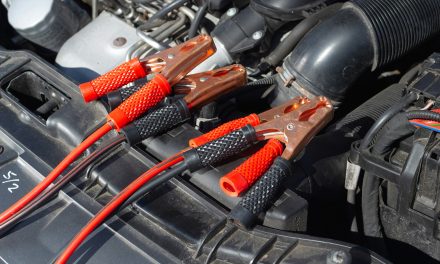
Jump-starting a vehicle using jumper cables is a common method for reviving a dead battery. This technique requires another vehicle with a functional battery and a set of high-quality jumper cables. Begin by positioning both vehicles close enough for the cables to reach but ensuring they do not touch each other.
Start by turning off both vehicles and connecting the jumper cables in the correct order: attach one end of the red cable to the positive terminal of the dead battery, then connect the other end to the positive terminal of the working battery. Next, connect one end of the black cable to the negative terminal of the working battery and attach the other end to an unpainted metal surface on the dead vehicle—this serves as a ground connection. Start the working vehicle and allow it to run for several minutes before attempting to start the dead vehicle. If successful, remove the cables in reverse order once the engine is running smoothly.
If you’re looking for a comprehensive guide on how to charge a car battery at home, you might find it helpful to explore related topics that can enhance your DIY skills. For instance, understanding the importance of maintaining a well-decorated space can improve your overall mood while working on such tasks. You can check out this article on stunning indoor fig plant ideas that can brighten your home decor, making your workspace more inviting as you tackle your car battery charging project.
Employing a Solar Battery Charger
Solar battery chargers are an eco-friendly alternative for maintaining car batteries, particularly in areas with ample sunlight exposure. These chargers utilize photovoltaic cells to convert sunlight into electrical energy, which can then be used to recharge batteries slowly over time. They are especially beneficial for vehicles that are not driven frequently, as they help prevent battery drain.
To use a solar charger effectively, position it in direct sunlight and connect it to your vehicle’s battery according to the manufacturer’s instructions. Many solar chargers come equipped with built-in regulators that prevent overcharging by automatically adjusting output based on sunlight intensity. Regularly check connections and ensure that the solar panel remains clean and unobstructed for optimal performance.
If you’re looking for a comprehensive guide on how to charge a car battery at home, you might find it helpful to explore related resources that provide additional tips and insights. For instance, you can check out this informative article on pet care, which, while focused on a different topic, emphasizes the importance of maintaining your belongings, including your vehicle. Understanding how to properly care for your car battery can save you time and money in the long run.
Utilizing a Trickle Charger for Slow Charging
A trickle charger is designed for slow charging applications, providing a low-level current that gradually replenishes a battery’s charge without risking overcharging. This method is particularly useful for maintaining batteries during prolonged periods of inactivity or for restoring deeply discharged batteries.
When using a trickle charger, connect it to your battery following standard safety protocols—ensuring proper polarity and secure connections. Set the charger according to its specifications; many models allow you to select different charging rates based on your battery’s condition. It is advisable to monitor the charging process periodically, especially if you are using an older model without automatic shut-off features.
Charging with a Battery Tender
A battery tender is an advanced type of charger designed specifically for maintaining batteries at optimal charge levels without overcharging them. Unlike traditional chargers that may deliver high currents, battery tenders provide a low-level charge that keeps batteries topped off while preventing sulfation—a common issue that occurs when lead-acid batteries are left in a discharged state for extended periods.
To utilize a battery tender effectively, connect it to your vehicle’s battery as per manufacturer guidelines. Many tenders come equipped with smart technology that automatically adjusts charging rates based on battery needs and can switch between charging and maintenance modes seamlessly. This feature ensures that your battery remains healthy without requiring constant monitoring.
Checking Battery Water Levels and Cleaning Terminals
Regular maintenance of your car battery includes checking water levels in non-sealed batteries and cleaning terminals to ensure optimal performance. For traditional lead-acid batteries, it is essential to maintain electrolyte levels above the plates; if levels are low, distilled water should be added cautiously to avoid overfilling.
Cleaning terminals involves removing corrosion buildup that can impede electrical flow. Use a mixture of baking soda and water to neutralize acid corrosion on terminals; apply this solution with a brush or cloth, then rinse with clean water and dry thoroughly before reconnecting terminals securely.
Ensuring Proper Voltage and Amperage Settings
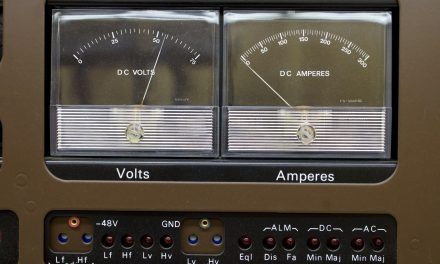
When charging your car battery, ensuring that you are using the correct voltage and amperage settings is crucial for effective charging without damaging the battery. Most automotive batteries operate at 12 volts; therefore, chargers should be set accordingly. Additionally, selecting an appropriate amperage setting based on your battery’s capacity will help optimize charging time while minimizing risks associated with overheating or overcharging.
Consult your vehicle’s manual or battery specifications for guidance on recommended settings before initiating any charging process. Using chargers with adjustable settings allows you greater control over how quickly or slowly you wish to charge your battery.
Monitoring Charging Progress and Avoiding Overcharge
Monitoring the charging progress is essential to avoid overcharging, which can lead to reduced battery lifespan or even catastrophic failure. Many modern chargers come equipped with built-in indicators or digital displays that provide real-time information about voltage levels and charging status.
If using an older model without automatic shut-off features, it is advisable to check on your battery periodically during charging sessions. Disconnecting the charger once the battery reaches full charge—typically around 12.6 volts—is crucial for preventing damage caused by prolonged exposure to high voltage levels.
When to Seek Professional Help for Battery Issues
Despite diligent maintenance efforts, there may be instances when seeking professional assistance becomes necessary due to persistent issues or complex problems beyond basic troubleshooting capabilities. Signs that indicate professional intervention may be required include repeated failures to start despite successful charging attempts, visible swelling or leakage from the battery casing, or unusual smells emanating from the battery area.
Additionally, if you suspect underlying electrical issues within your vehicle’s system—such as faulty alternators or wiring problems—it is prudent to consult an automotive technician who can conduct comprehensive diagnostics and repairs as needed.
In summary, understanding car batteries involves recognizing their fundamental components and functions while adhering to safety precautions during maintenance procedures. Various charging methods exist—ranging from portable chargers to solar options—each suited for specific scenarios. Regular checks on water levels and terminal cleanliness contribute significantly to overall battery health. Monitoring voltage settings during charging helps prevent damage from overcharging while knowing when to seek professional help ensures long-term reliability of your vehicle’s electrical system.
FAQs
What tools do I need to charge a car battery at home?
To charge a car battery at home, you will need a battery charger compatible with your battery type, safety goggles, gloves, and possibly jumper cables if you need to jump-start the battery before charging. Ensure you have a well-ventilated area to work in.
How long does it take to charge a car battery at home?
The time it takes to charge a car battery at home can vary depending on the charger and the battery’s state of charge. Generally, it can take anywhere from 4 to 24 hours. A standard charger may take longer, while a fast charger can significantly reduce the charging time.
Can I charge a car battery without removing it from the vehicle?
Yes, you can charge a car battery without removing it from the vehicle. Just connect the charger to the battery terminals while the battery is still in the car. However, ensure that the vehicle is turned off and that you follow safety precautions to avoid any electrical issues.
What safety precautions should I take when charging a car battery?
When charging a car battery, always wear safety goggles and gloves to protect yourself from acid spills and sparks. Ensure the charger is unplugged before connecting or disconnecting the battery. Work in a well-ventilated area to avoid gas buildup, and never smoke or have open flames nearby.
What should I do if my car battery does not hold a charge?
If your car battery does not hold a charge after attempting to charge it, it may be time to replace it. Batteries typically have a lifespan of 3 to 5 years. You can also have it tested at an auto parts store or by a professional to determine if it needs replacement.