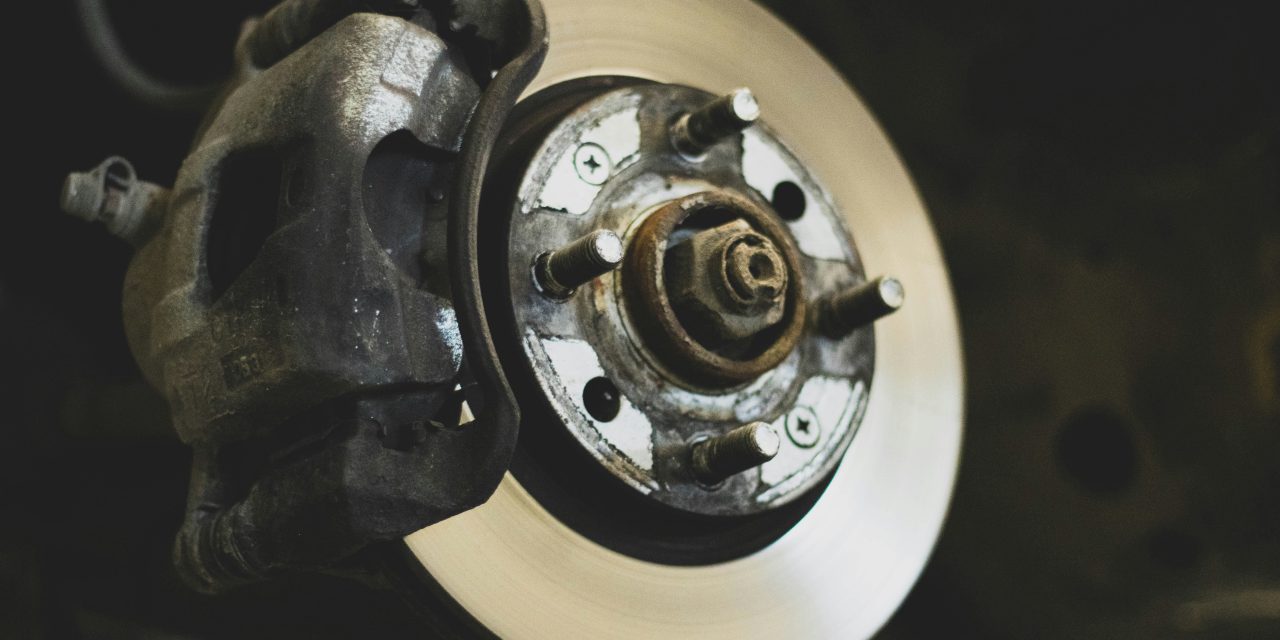
Morning brake squeak is a common phenomenon experienced by many vehicle owners, particularly during the early hours when temperatures are cooler and humidity levels may be higher. This auditory annoyance can range from a mild chirp to a more pronounced squeal, often prompting concern regarding the vehicle’s braking system. Understanding the underlying causes of this noise is crucial for maintaining optimal vehicle performance and ensuring safety on the road.
The brake system is a complex assembly of components designed to slow down or stop a vehicle effectively. When any part of this system malfunctions or experiences wear, it can lead to undesirable sounds, including morning brake squeaks. While some noises may be benign, others could indicate more serious issues that require immediate attention. Identifying the root cause of the squeak not only aids in preserving the integrity of the braking system but also enhances overall driving comfort.
If you’ve ever wondered why your brakes squeak in the morning, you might find it helpful to explore related articles that delve into the causes and solutions for this common issue. For instance, an insightful article on the topic can be found at this link, which discusses various factors that can lead to brake noise, especially in colder temperatures. Understanding these elements can help you maintain your vehicle’s braking system effectively.
Reason 1: Moisture Buildup Overnight
One of the primary reasons for morning brake squeak is moisture accumulation on the brake components overnight. When temperatures drop, dew or frost can form on the brake pads and rotors, creating a thin layer of water that interferes with the friction necessary for effective braking. This moisture can lead to temporary squeaking as the pads make contact with the rotors upon initial use.
In addition to dew, rain or snow can exacerbate this issue, particularly in regions with high humidity or frequent precipitation. The presence of moisture can cause a temporary reduction in braking efficiency until the water evaporates or is displaced through repeated braking. While this phenomenon is typically harmless and resolves itself after a few applications of the brakes, it is essential to monitor for any persistent noises that may indicate underlying problems.
Reason 2: Brake Pad Material and Wear

The composition of brake pads plays a significant role in their performance and noise generation. Brake pads are manufactured from various materials, including organic, semi-metallic, and ceramic compounds. Each material has distinct characteristics that influence noise levels, wear rates, and overall braking efficiency. For instance, semi-metallic pads tend to produce more noise compared to their organic counterparts due to their metallic content.
As brake pads wear down over time, they may develop uneven surfaces or become excessively thin, leading to increased friction and noise during operation. Worn pads can also create vibrations that contribute to squeaking sounds when they come into contact with the rotors. Regular inspection and timely replacement of brake pads are essential for maintaining optimal braking performance and minimizing noise.
Reason 3: Dust and Debris Accumulation

Dust and debris accumulation on brake components is another common cause of morning brake squeak. Over time, brake dust—composed of tiny particles generated during braking—can build up on the surface of the rotors and pads. This accumulation can create a gritty texture that interferes with the smooth operation of the braking system.
In addition to brake dust, environmental contaminants such as dirt, sand, and road grime can also contribute to noise generation. These particles can become lodged between the brake pad and rotor, leading to increased friction and audible squeaking when brakes are applied. Regular cleaning of brake components can help mitigate this issue and prolong the lifespan of the braking system.
If you’ve ever wondered why your brakes squeak in the morning, you might find it helpful to explore some related insights on vehicle maintenance. Factors such as moisture accumulation overnight or the type of brake pads used can contribute to this common issue. For a deeper understanding of how to address various car-related concerns, check out this informative article on local services that can help keep your vehicle in top shape. You can read more about it here.
Reason 4: Glazed Brake Pads or Rotors
Glazing occurs when brake pads or rotors become overheated due to excessive friction, leading to a smooth, shiny surface that reduces their effectiveness. This condition often results from prolonged or aggressive braking, which generates excessive heat and alters the material properties of the pads or rotors. Glazed surfaces can produce a high-pitched squeal when brakes are engaged, particularly in the morning when temperatures are cooler.
To address glazing, it may be necessary to resurface or replace affected components. Resurfacing involves machining the rotor surface to restore its original texture, while replacement may be warranted if the damage is extensive. Regular monitoring of brake performance and temperature management during driving can help prevent glazing from occurring.
If you’ve ever wondered why your brakes squeak in the morning, you might find it helpful to explore some common causes and solutions. Factors such as moisture accumulation overnight or the type of brake pads used can contribute to this annoying sound. For a deeper understanding of related automotive issues, you can check out this informative article on easy garlic butter chicken bites that also touches on maintaining your vehicle’s performance. You can read more about it here.
Reason 5: Lack of Lubrication on Brake Components
Proper lubrication of brake components is essential for smooth operation and noise reduction. Brake systems consist of various moving parts, including calipers, slides, and pins that require adequate lubrication to function effectively. A lack of lubrication can lead to increased friction between these components, resulting in squeaking noises during braking.
Using high-temperature brake grease on contact points can help reduce friction and prevent noise generation. It is crucial to apply lubricant sparingly and avoid over-lubrication, which can attract dust and debris, exacerbating noise issues. Regular maintenance checks should include an assessment of lubrication levels to ensure optimal performance.
Reason 6: Brake Caliper Issues
Brake calipers play a vital role in the braking process by clamping down on the brake pads against the rotors when brakes are applied. If calipers become stuck or fail to retract properly after braking, they can cause continuous contact between the pads and rotors, leading to excessive wear and noise generation. This issue may manifest as a persistent squeak or grinding sound even when brakes are not engaged.
Diagnosing caliper issues typically involves inspecting for signs of wear or damage, such as uneven pad wear or fluid leaks around the caliper assembly. In some cases, caliper replacement may be necessary to restore proper function and eliminate noise. Regular inspections can help identify potential caliper problems before they escalate into more significant issues.
Reason 7: Temperature-Related Metal Contraction
Temperature fluctuations can significantly impact metal components within the braking system. As temperatures drop overnight, metal parts such as rotors and calipers may contract slightly, leading to changes in alignment or fitment that can result in noise upon initial use in the morning. This phenomenon is particularly common in regions with significant temperature variations between day and night.
While temperature-related contraction is generally not a cause for concern, it is essential to monitor for any persistent noises that may indicate underlying issues with alignment or component wear. Ensuring proper installation and alignment during brake service can help mitigate these temperature-related effects.
How to Diagnose the Cause of Your Brake Squeak
Diagnosing the cause of morning brake squeak requires careful observation and assessment of various factors affecting the braking system. Vehicle owners should begin by noting when the noise occurs—whether it is present only in the morning or persists throughout the day—and whether it correlates with specific driving conditions such as wet weather or heavy braking.
A visual inspection of brake components can provide valuable insights into potential issues. Look for signs of wear on brake pads, uneven rotor surfaces, or accumulation of dust and debris. Additionally, checking for proper lubrication on moving parts and assessing caliper function can help pinpoint specific problems contributing to noise generation.
If self-diagnosis proves challenging or if there are concerns about safety, seeking professional assistance from a qualified mechanic is advisable. They possess the expertise and tools necessary to conduct a thorough evaluation of the braking system.
Effective DIY Fixes for Morning Brake Noise
For vehicle owners looking to address morning brake squeak independently, several effective DIY fixes can be implemented. First and foremost, cleaning brake components is essential for removing dust and debris buildup that may contribute to noise generation. Using a brake cleaner spray can effectively eliminate contaminants from pads and rotors.
If moisture buildup is suspected as a cause of squeaking, allowing brakes to dry out by driving at moderate speeds without applying brakes frequently can help alleviate temporary noises. Additionally, applying high-temperature brake grease to contact points can reduce friction and improve overall performance.
For those comfortable with more advanced repairs, inspecting brake pads for wear and replacing them if necessary can significantly enhance braking efficiency and reduce noise levels. Ensuring proper installation and alignment during replacement is crucial for optimal performance.
When to Seek Professional Brake Service
While many minor issues contributing to morning brake squeak can be addressed through DIY methods, certain situations warrant professional intervention. If noises persist despite attempts at resolution or if there are accompanying symptoms such as decreased braking performance or vibrations during braking, it is essential to seek professional service immediately.
Additionally, if there are visible signs of damage—such as warped rotors or leaking calipers—prompt attention from a qualified mechanic is crucial for ensuring safety on the road. Regular maintenance checks by professionals can help identify potential issues before they escalate into more significant problems.
In conclusion, understanding morning brake squeak involves recognizing various factors that contribute to this common issue. From moisture buildup overnight to wear on brake components, each cause requires careful consideration for effective resolution. By implementing preventive measures such as regular inspections and maintenance practices, vehicle owners can enhance their driving experience while ensuring safety on the road.
FAQs
Why do my brakes squeak in the morning?
Brakes may squeak in the morning due to moisture accumulation overnight, which can create a thin layer of rust on the brake rotors. When you first apply the brakes, this rust can cause a squeaking sound until it wears away with use.
Is it normal for brakes to squeak after sitting overnight?
Yes, it is relatively normal for brakes to squeak after sitting overnight, especially in humid or wet conditions. The moisture can lead to temporary rust formation on the brake components, which typically resolves itself after a few brake applications.
Can worn brake pads cause squeaking in the morning?
Yes, worn brake pads can cause squeaking at any time, including in the morning. If the brake pads are worn down to the metal, they may produce a high-pitched squeal as a warning sign that they need to be replaced.
How can I prevent my brakes from squeaking in the morning?
To prevent morning squeaks, ensure that your brakes are properly maintained. Regularly inspect and replace worn brake pads, keep the brake components clean, and consider using anti-squeal shims or lubricants designed for brake systems.
Should I be concerned if my brakes squeak in the morning?
While occasional morning squeaking is usually not a cause for concern, persistent or loud squeaking may indicate a problem that requires attention. If the noise continues or is accompanied by other symptoms, such as reduced braking performance, it’s advisable to have your brakes inspected by a professional.