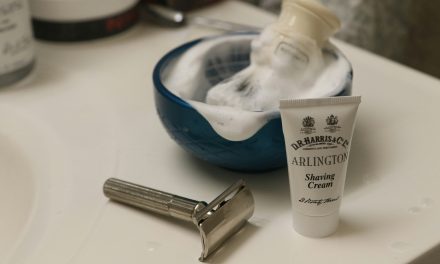
Shaving products have evolved significantly over the years, with shaving gels and creams emerging as two of the most popular options for achieving a smooth and comfortable shave. Both formulations serve the primary purpose of providing lubrication and protection to the skin during the shaving process, but they differ in texture, application, and overall user experience. Understanding these differences is crucial for individuals seeking to optimize their grooming routine while minimizing skin irritation and maximizing comfort.
Shaving gels are typically water-based products that transform into a rich, slick layer upon application. They are designed to provide a clear view of the skin, allowing for precision shaving, particularly in areas requiring meticulous attention. Conversely, shaving creams are often thicker and richer, creating a dense lather that envelops the hair follicles, facilitating a close shave. This article delves into the key aspects of both shaving gels and creams, helping consumers make informed choices tailored to their specific needs.
When considering the best option for your shaving routine, it’s essential to weigh the benefits of shaving gel versus shaving cream. While shaving gel often provides a smoother glide and is suitable for sensitive skin, shaving cream can offer a richer lather and a more traditional experience. For those interested in grooming, you might find it helpful to explore related articles, such as the one on dog grooming tips, which emphasizes the importance of proper care and technique. You can read more about it here: Top 10 Dog Grooming Tips for a Healthy Happy Pup.
Key Ingredients: What’s Inside Your Shaving Product?
The efficacy of shaving gels and creams largely hinges on their ingredient composition. Common components found in these products include emollients, humectants, surfactants, and preservatives. Emollients such as glycerin and aloe vera are integral for providing moisture and soothing properties, ensuring that the skin remains hydrated throughout the shaving process. Humectants attract water to the skin, enhancing hydration levels and preventing dryness.
Surfactants play a pivotal role in creating lather and aiding in the removal of hair. Ingredients like sodium lauryl sulfate (SLS) are often included for their ability to generate foam, although some individuals may prefer sulfate-free options due to potential skin sensitivity. Preservatives such as parabens are utilized to prolong shelf life but can be a concern for those seeking natural formulations. Understanding these ingredients allows consumers to select products that align with their skin type and personal preferences.
The texture and consistency of shaving gels and creams significantly influence the overall shaving experience. Shaving gels typically possess a lightweight, translucent quality that allows for easy application and visibility during shaving. This transparency can be particularly advantageous for precision work, such as shaping facial hair or navigating around sensitive areas.
In contrast, shaving creams offer a denser consistency that creates a rich lather when mixed with water. This thick foam provides a cushion between the razor blade and the skin, reducing friction and enhancing comfort during the shave. The choice between gel and cream often comes down to personal preference; some individuals may favor the lightness of gels, while others appreciate the luxurious feel of a creamy lather.
Application Process: How to Use Shaving Gel and Cream

The application process for both shaving gels and creams is relatively straightforward but varies slightly due to their differing consistencies. For shaving gel, users should begin by wetting their skin with warm water to soften facial hair. A small amount of gel is then dispensed onto the fingertips or directly onto the skin. The gel should be massaged gently into the area being shaved until it forms a slick layer.
When using shaving cream, it is advisable to use a brush or hands to whip the cream into a lather after dispensing it into a bowl or directly onto wet skin. The lather should be applied generously to ensure adequate coverage over the hair follicles. Both methods require rinsing the razor frequently to maintain optimal glide and prevent clogging.
Moisturizing Properties and Skin Benefits

One of the primary advantages of using quality shaving products is their ability to provide moisturizing benefits to the skin. Shaving gels often contain hydrating agents like hyaluronic acid or vitamin E, which help maintain skin elasticity and prevent post-shave dryness. These ingredients work synergistically to create a protective barrier that locks in moisture, leaving the skin feeling soft and supple.
Shaving creams, on the other hand, frequently incorporate nourishing oils such as coconut oil or shea butter. These emollients not only enhance lubrication during shaving but also contribute to long-term skin health by providing essential fatty acids that support the skin’s natural barrier function. Regular use of moisturizing shaving products can lead to improved skin texture and reduced incidence of irritation or razor burn.
When considering the best option for a smooth shave, many people often debate between shaving gel and shaving cream. Each product has its own unique benefits, making it essential to understand which one suits your skin type and shaving routine better. For a deeper dive into this topic, you can explore a related article that discusses various aspects of grooming products and their effectiveness. If you’re curious about how different formulations can impact your shaving experience, check out this insightful piece on homemade soup that touches on the importance of ingredients, which can also be applied to your choice of shaving products.
Lather Formation: Does It Affect Your Shave?
Lather formation is a critical factor in determining the quality of a shave. A well-formed lather provides cushioning that protects the skin from razor blades while allowing for smooth glide over hair follicles. Shaving creams excel in this area due to their ability to create thick, voluminous lather that envelops each hair strand.
Conversely, while shaving gels may not produce as much lather, they compensate with their slickness and transparency. This characteristic allows users to see exactly where they are shaving, which can be beneficial for precision grooming. Ultimately, whether one prefers a rich lather or a slick gel depends on individual preferences and shaving techniques.
Suitability for Different Skin Types
When selecting between shaving gels and creams, it is essential to consider individual skin types and sensitivities. For individuals with oily or acne-prone skin, shaving gels may be more suitable due to their lightweight formulation that does not clog pores. Many gels also contain antibacterial ingredients that can help prevent breakouts during shaving.
On the other hand, those with dry or sensitive skin may benefit more from shaving creams enriched with moisturizing agents. The thicker consistency of creams provides additional hydration and protection against irritation, making them ideal for individuals prone to razor burn or redness. Ultimately, understanding one’s skin type is crucial for selecting the most appropriate product.
Impact on Razor Glide and Shave Smoothness
The glide of a razor across the skin is paramount for achieving a smooth shave without discomfort or nicks. Shaving gels often excel in providing an exceptionally slick surface that allows razors to glide effortlessly over the skin. This characteristic minimizes friction and reduces the risk of cuts or irritation.
Shaving creams also offer excellent glide due to their cushioning properties; however, they may require more effort in rinsing compared to gels. The choice between these two options can significantly impact shave quality; thus, individuals should consider their personal preferences regarding glide versus ease of use.
Sensitivity and Irritation: Which Is Gentler?
Skin sensitivity is a common concern among many individuals when it comes to shaving products. Shaving gels are often formulated with soothing agents like chamomile or calendula extract, which can help calm irritated skin during and after shaving. Their lightweight nature also reduces the likelihood of clogging pores, making them suitable for sensitive skin types.
Conversely, while many shaving creams contain nourishing ingredients that promote hydration, they may also include fragrances or preservatives that could trigger allergic reactions in sensitive individuals. It is advisable for those with reactive skin to opt for fragrance-free or hypoallergenic formulations in either category to minimize irritation.
Price and Availability: Budget Considerations
When considering shaving products, price points can vary significantly based on brand reputation, ingredient quality, and packaging size. Shaving gels tend to be more affordable than creams due to their simpler formulations; however, premium brands may offer higher-priced options that boast advanced ingredients or eco-friendly packaging.
Shaving creams often fall within a broader price range due to their diverse formulations and luxurious branding. Consumers should evaluate their budget while considering product efficacy; investing in high-quality products can lead to better results and improved skin health over time.
Final Verdict: Choosing the Best Option for Your Needs
In conclusion, both shaving gels and creams offer unique benefits tailored to different preferences and skin types. Gels provide a lightweight option with excellent glide and visibility during shaving, making them ideal for precision work or oily skin types. Conversely, creams deliver rich lathering capabilities along with superior moisturizing properties, catering well to dry or sensitive skin.
Ultimately, selecting between these two options hinges on individual needs—whether one prioritizes glide or hydration—and personal preferences regarding texture and application methods. By understanding the nuances of each product type, consumers can make informed decisions that enhance their grooming experience while promoting healthy skin.
Summary: Shaving gels and creams serve distinct purposes in achieving a smooth shave while catering to various skin types and preferences. Key differences lie in their ingredient composition, texture, application methods, moisturizing properties, lather formation, suitability for different skin types, impact on razor glide, sensitivity considerations, price points, and overall user experience. By evaluating these factors carefully, individuals can choose the best option tailored to their grooming needs while minimizing irritation and maximizing comfort during shaving.
FAQs
What is the main difference between shaving gel and shaving cream?
The main difference between shaving gel and shaving cream lies in their texture and formulation. Shaving gel is typically thicker and provides a more transparent application, allowing for better visibility of the skin during shaving. In contrast, shaving cream is usually creamier and can create a richer lather, which may provide more cushioning for the razor.
Which is better for sensitive skin: shaving gel or shaving cream?
Shaving gel is often considered better for sensitive skin because it tends to contain fewer irritants and can provide a smoother glide. Many shaving gels are formulated with soothing ingredients like aloe vera or chamomile, which can help reduce irritation. However, some shaving creams also offer sensitive skin formulations, so it’s essential to choose products specifically designed for this purpose.
Can shaving gel and shaving cream be used interchangeably?
While shaving gel and shaving cream can be used interchangeably in some cases, they may yield different results based on individual preferences and skin types. Users may find that one product works better for them than the other, depending on factors like skin sensitivity, hair type, and desired shaving experience.
How do shaving gel and shaving cream affect razor performance?
Both shaving gel and shaving cream can enhance razor performance by providing lubrication and reducing friction during shaving. Shaving gel often allows for a closer shave due to its slick texture, while shaving cream can create a protective barrier that helps prevent nicks and cuts. Ultimately, the choice between the two may depend on personal preference and the specific razor being used.
Are there any environmental considerations when choosing between shaving gel and shaving cream?
Yes, there are environmental considerations to keep in mind. Many shaving gels come in aerosol cans, which can contribute to environmental pollution if not disposed of properly. On the other hand, some shaving creams are available in eco-friendly packaging or as solid bars, which may have a lower environmental impact. It’s important to check the packaging and ingredients to make a more sustainable choice.