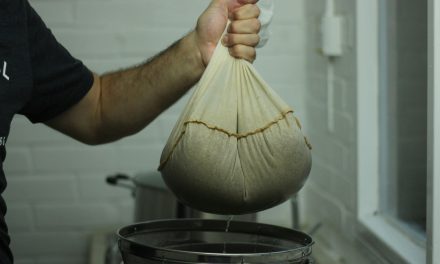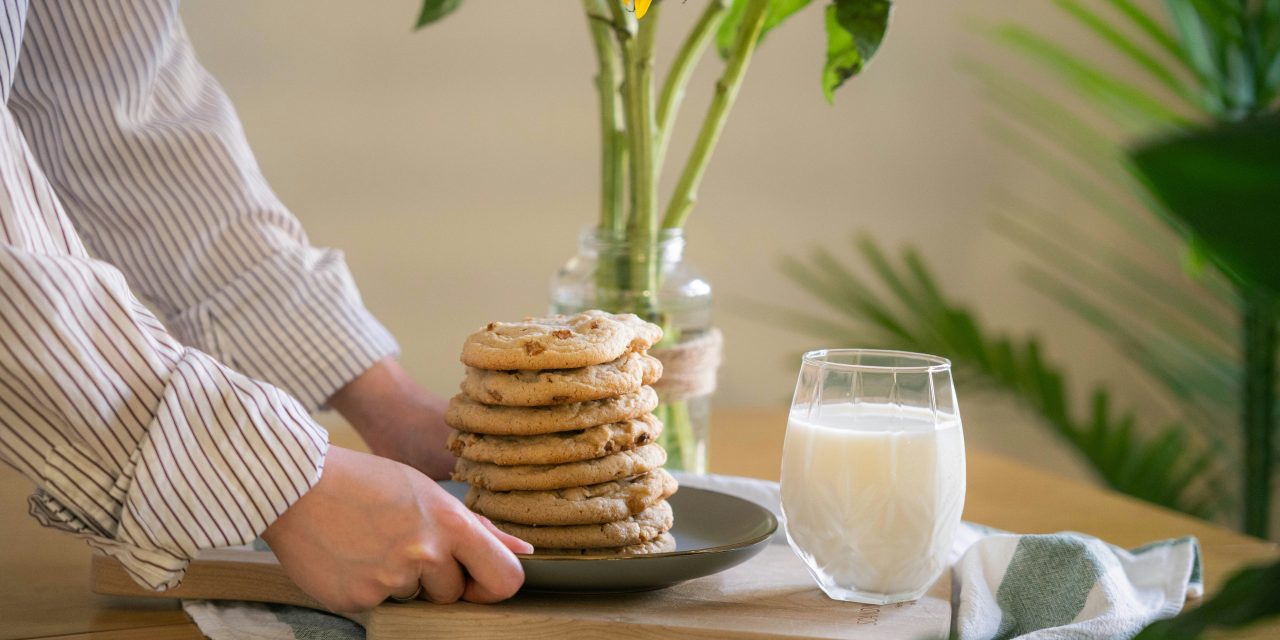
Buttermilk is a staple ingredient in many baking recipes, revered for its unique properties that enhance flavor, texture, and moisture. Traditionally, buttermilk is the liquid left behind after churning butter from cream. Its slightly tangy flavor profile comes from the presence of lactic acid bacteria, which not only contributes to taste but also plays a crucial role in the chemical reactions during baking. The acidity of buttermilk interacts with baking soda or baking powder, resulting in a leavening effect that produces light and fluffy baked goods.
In addition to its leavening properties, buttermilk contributes to the overall tenderness of baked items. The proteins in buttermilk help to create a softer crumb structure, making it an ideal choice for cakes, pancakes, and muffins. Furthermore, the moisture content in buttermilk ensures that baked goods remain fresh and flavorful for longer periods. This ingredient is particularly beneficial in recipes that require a delicate balance between richness and lightness, such as biscuits and cornbread.
If you’re looking to enhance your baking skills, you might find it helpful to learn how to make a buttermilk substitute, which can be a game-changer in many recipes. For more tips on simplifying everyday tasks, you can check out this article on laundry hacks for large families. It offers practical advice that can save you time and effort, allowing you to focus more on your baking adventures. For more information, visit this link.
Why You Might Need a Buttermilk Substitute
There are several reasons why one might seek a substitute for buttermilk in baking. Dietary restrictions, such as lactose intolerance or dairy allergies, can make traditional buttermilk unsuitable for some individuals. Additionally, some bakers may find themselves without buttermilk on hand when a recipe calls for it, leading to the need for alternatives that can replicate its unique properties.
Moreover, certain recipes may require a specific flavor profile or texture that can be achieved through various substitutes. Understanding the role of buttermilk in baking allows bakers to choose the most appropriate alternative based on their needs. Whether it’s for health reasons or simply a matter of convenience, knowing how to effectively replace buttermilk can ensure that your baked goods maintain their intended quality.
Milk and Lemon Juice: A Classic Buttermilk Alternative

One of the most popular and accessible substitutes for buttermilk is a combination of milk and lemon juice. This classic alternative is easy to prepare and requires only two ingredients: milk and fresh lemon juice. To create this substitute, simply add one tablespoon of lemon juice to one cup of milk and let it sit for about five to ten minutes. This process allows the milk to curdle slightly, mimicking the acidity and thickness of buttermilk.
The resulting mixture not only replicates the tangy flavor of buttermilk but also provides the necessary acidity to activate baking soda in recipes. This substitute works exceptionally well in pancakes, cakes, and muffins, ensuring that your baked goods rise beautifully while maintaining a moist texture. Additionally, this option is readily available in most kitchens, making it a convenient choice for last-minute baking endeavors.
Milk and White Vinegar: A Simple Swap

Another effective substitute for buttermilk is the combination of milk and white vinegar. Similar to the lemon juice method, this alternative leverages the acidity of vinegar to create a curdled milk mixture that closely resembles buttermilk. To prepare this substitute, mix one tablespoon of white vinegar with one cup of milk and allow it to sit for approximately five to ten minutes.
This mixture not only provides the necessary acidity for leavening but also contributes to the overall flavor profile of your baked goods. The tanginess from the vinegar enhances the taste of cakes and muffins while ensuring they remain light and fluffy. This substitute is particularly useful for recipes that require a more neutral flavor, as white vinegar does not impart any additional taste compared to lemon juice.
If you’re looking to enhance your baking skills, understanding how to create a buttermilk substitute can be incredibly useful. Many recipes call for buttermilk, but if you don’t have any on hand, there are simple alternatives you can use. For more tips on kitchen solutions, check out this informative article on finding the source of a fruit fly infestation, which offers insights into maintaining a clean and efficient cooking environment.
Yogurt: Thick and Tangy Replacement
Yogurt serves as an excellent substitute for buttermilk due to its similar consistency and tangy flavor. When using yogurt as a replacement, it is advisable to thin it out with a little water or milk to achieve a consistency comparable to buttermilk. For every cup of buttermilk required in a recipe, use three-quarters cup of yogurt mixed with one-quarter cup of water or milk.
The acidity in yogurt not only helps with leavening but also adds richness and moisture to baked goods. This makes yogurt an ideal choice for denser recipes such as pound cakes or quick breads. Additionally, yogurt is packed with probiotics, which can contribute to gut health while enhancing the nutritional profile of your baked treats.
If you’re in the middle of a baking project and find yourself without buttermilk, you can easily create a substitute using common ingredients you likely have at home. For a quick fix, mix one tablespoon of lemon juice or white vinegar with a cup of milk and let it sit for about five minutes. This will give you a tangy liquid that mimics buttermilk’s acidity, perfect for pancakes, cakes, and other baked goods. For more tips on kitchen substitutions, you might find this article on dog nail care interesting, as it discusses how to choose the right tools for grooming, which can also be useful in maintaining a well-stocked kitchen.
Sour Cream: Creamy and Effective Substitute
Sour cream is another viable alternative to buttermilk that offers a rich texture and tangy flavor. Its creamy consistency makes it an excellent choice for recipes that require moisture without compromising on taste. To use sour cream as a substitute, simply replace one cup of buttermilk with one cup of sour cream.
This substitution works particularly well in recipes such as cakes and muffins where added richness is desired. The acidity in sour cream also aids in activating baking soda, ensuring that your baked goods rise appropriately. Furthermore, sour cream can enhance the overall flavor profile of your treats, providing a delightful tang that complements sweet ingredients.
Cream of Tartar and Milk: Quick Homemade Buttermilk
For those who find themselves without any dairy products on hand, a quick homemade solution involves using cream of tartar combined with milk. Cream of tartar is an acidic byproduct of winemaking that can mimic the effects of buttermilk when combined with milk. To create this substitute, mix one and a half teaspoons of cream of tartar with one cup of milk.
This mixture not only provides the necessary acidity for leavening but also helps achieve a similar texture to that of traditional buttermilk. It’s an excellent option for bakers who may have dietary restrictions or simply want to avoid dairy altogether. The resulting baked goods will maintain their intended lightness and moisture while benefiting from the unique properties of cream of tartar.
Kefir: Probiotic-Rich Buttermilk Option
Kefir is a fermented dairy product similar to yogurt but with a thinner consistency and a more pronounced tangy flavor. It serves as an excellent substitute for buttermilk due to its probiotic content and acidity. When using kefir as a replacement, you can use it in equal amounts; simply substitute one cup of kefir for one cup of buttermilk.
The probiotics present in kefir not only contribute to gut health but also enhance the flavor and texture of baked goods. This makes kefir an ideal choice for recipes such as pancakes or muffins where added moisture and tanginess are desired. Additionally, kefir can provide a unique twist on traditional recipes while maintaining their essential qualities.
Evaporated Milk and Vinegar: Pantry-Friendly Substitute
Evaporated milk combined with vinegar offers another pantry-friendly alternative to buttermilk. Evaporated milk has had about 60% of its water content removed through evaporation, resulting in a thicker consistency compared to regular milk. To create this substitute, mix one cup of evaporated milk with one tablespoon of vinegar and let it sit for about five minutes.
This mixture provides both the necessary acidity for leavening and a rich texture that enhances baked goods. It works particularly well in recipes such as cakes or brownies where added moisture is beneficial. The resulting treats will have a delightful richness while still achieving the desired rise and fluffiness.
Tips for Using Buttermilk Substitutes in Different Recipes
When incorporating substitutes for buttermilk into your baking repertoire, there are several tips to keep in mind to ensure optimal results. First, always consider the flavor profile of your chosen substitute; some options may impart stronger flavors than others, which could affect the overall taste of your baked goods.
Additionally, pay attention to the consistency of your substitute; if using thicker alternatives like yogurt or sour cream, be sure to thin them out appropriately to match the texture of buttermilk. Lastly, adjust other ingredients accordingly; if your substitute is sweeter or more acidic than buttermilk, you may need to modify sugar or leavening agents in your recipe.
How to Adjust Baking Recipes When Using Buttermilk Alternatives
Adjusting baking recipes when using buttermilk alternatives requires careful consideration of ingredient ratios and baking times. Start by measuring your substitute accurately; if using yogurt or sour cream, ensure they are thinned out properly before incorporating them into your batter.
Next, monitor your baking times closely; substitutes may alter how quickly your baked goods cook through due to differences in moisture content or acidity levels. It’s advisable to perform the toothpick test earlier than indicated in the recipe to prevent overbaking.
Lastly, consider experimenting with different substitutes based on personal preference or dietary needs; each alternative brings its unique qualities that can enhance your baking experience while still delivering delicious results.
In summary, understanding the role of buttermilk in baking allows bakers to appreciate its unique properties while also recognizing when substitutes are necessary. From classic combinations like milk and lemon juice or vinegar to richer options like yogurt or sour cream, there are numerous alternatives available that can effectively replicate the qualities of traditional buttermilk. By following tips for using these substitutes and adjusting recipes accordingly, bakers can continue creating delightful treats regardless of their ingredient availability or dietary restrictions.
FAQs
What is buttermilk and why is it used in baking?
Buttermilk is a fermented dairy product that is slightly acidic and has a tangy flavor. It is commonly used in baking to add moisture, tenderness, and a subtle flavor to recipes. The acidity in buttermilk also helps to activate baking soda, which can enhance the rise and texture of baked goods.
What are some common substitutes for buttermilk in baking?
Common substitutes for buttermilk include mixing milk with an acid, such as vinegar or lemon juice, or using yogurt or sour cream thinned with a little milk. For every cup of buttermilk needed, you can use 1 cup of milk mixed with 1 tablespoon of vinegar or lemon juice, or 1 cup of yogurt or sour cream mixed with 1/4 cup of milk.
Can I use non-dairy milk to make a buttermilk substitute?
Yes, you can use non-dairy milk, such as almond milk, soy milk, or oat milk, to create a buttermilk substitute. Simply add 1 tablespoon of vinegar or lemon juice to 1 cup of non-dairy milk and let it sit for about 5-10 minutes until it thickens slightly and curdles.
How long can I store homemade buttermilk substitutes?
Homemade buttermilk substitutes should be used immediately for the best results in baking. However, if you have leftover mixtures, they can typically be stored in the refrigerator for up to 1-2 days. Be sure to give it a good stir before using it again.
Does using a buttermilk substitute affect the taste of baked goods?
Using a buttermilk substitute may slightly alter the flavor of baked goods, but it generally maintains the intended taste and texture. The acidity from the substitute will still provide the necessary reaction with baking soda or baking powder, ensuring that your baked goods rise properly.