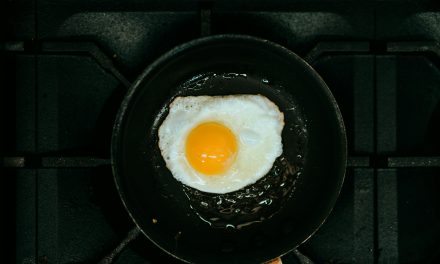
Selecting the appropriate pan is crucial for achieving the perfect egg dish. Various types of cookware can influence the cooking process, texture, and flavor of eggs. A nonstick skillet is often recommended for beginners due to its ease of use and ability to prevent sticking. These pans are coated with a layer that reduces friction, allowing eggs to slide out effortlessly. Alternatively, stainless steel pans can also be used, but they require a bit more finesse to prevent sticking. The choice of pan can significantly affect the outcome; thus, investing in a high-quality skillet designed specifically for egg preparation can yield superior results.
When considering size, a smaller pan is ideal for cooking one or two eggs, while larger skillets are better suited for multiple servings. The material of the pan also plays a vital role in heat distribution. Copper pans provide excellent conductivity, ensuring even cooking, while cast iron skillets retain heat well and can impart a unique flavor to the eggs. Ultimately, the right pan will depend on personal preference and cooking style, but understanding the characteristics of each type can enhance your culinary experience.
If you’re looking to enhance your cooking skills, particularly when it comes to preventing eggs from sticking to a pan, you might find it helpful to explore related culinary techniques. For instance, a great article on preparing a delicious Mediterranean dish can be found here: Easy Mediterranean Chickpea and Tuna Bowls. This recipe not only showcases the importance of using the right cooking methods but also emphasizes the significance of proper pan preparation, which can be beneficial when cooking eggs as well.
Preheat Your Pan Properly Before Adding Eggs
Preheating your pan is an essential step that should not be overlooked. Proper preheating ensures that the cooking surface reaches an optimal temperature, which is critical for achieving the desired texture and doneness of eggs. When the pan is adequately heated, it creates a searing effect that helps to seal in moisture and flavor. This process also minimizes the risk of sticking, allowing for a smoother cooking experience.
To preheat effectively, place your pan on medium heat for several minutes before adding any fat or eggs. A simple test to check if the pan is ready is to sprinkle a few drops of water onto the surface; if they dance and evaporate quickly, the pan is sufficiently hot. However, be cautious not to overheat, as this can lead to burnt eggs and an unpleasant taste. Finding the right balance in temperature is key to mastering egg preparation.
Use an Adequate Amount of Cooking Fat

The use of cooking fat is paramount when preparing eggs, as it not only enhances flavor but also aids in preventing sticking. The type and amount of fat used can vary based on personal preference and dietary considerations. Common options include butter, olive oil, and ghee. Butter adds a rich flavor and promotes browning, while olive oil offers a healthier alternative with its heart-healthy fats.
When adding fat to your preheated pan, it’s essential to use an adequate amount to coat the surface evenly. A tablespoon or two should suffice for most recipes, but this can be adjusted based on the size of your pan and the number of eggs being cooked. Allow the fat to heat until it shimmers before introducing the eggs; this ensures that they cook evenly and develop a beautiful golden hue. Proper use of cooking fat can elevate your egg dishes from ordinary to extraordinary.
Opt for Nonstick or Well-Seasoned Cookware

Choosing nonstick or well-seasoned cookware can significantly improve your egg-cooking experience. Nonstick pans are designed with a coating that prevents food from adhering to the surface, making them ideal for delicate items like eggs. They require less fat than traditional pans, which can be beneficial for those looking to reduce calorie intake without sacrificing flavor.
For those who prefer traditional cookware, well-seasoned cast iron skillets are an excellent alternative. Seasoning involves applying a layer of oil and heating it to create a natural nonstick surface over time. This method not only enhances the skillet’s performance but also adds depth of flavor to dishes prepared within it. Regardless of the choice between nonstick or seasoned cookware, ensuring that your pans are in good condition will lead to better cooking outcomes.
When cooking eggs, one common frustration is dealing with them sticking to the pan, but there are several techniques to prevent this from happening. For instance, using a well-seasoned cast iron skillet or a high-quality non-stick pan can make a significant difference. Additionally, ensuring that the pan is properly heated before adding the eggs is crucial. If you’re interested in maintaining your kitchen tools, you might find it helpful to read about how to clean a microfiber couch without damaging the material, which can provide insights into caring for various surfaces. You can check out the article here.
Crack Eggs Gently to Avoid Shell Fragments
Cracking eggs may seem like a simple task, but doing so gently can prevent unwanted shell fragments from contaminating your dish. To achieve this, tap the egg against a flat surface rather than the edge of a bowl or pan; this technique minimizes the risk of shattering the shell into small pieces. Once cracked, open the egg slowly over the pan or bowl to allow any potential fragments to remain contained.
If you do happen to get shell pieces in your mixture, use a larger piece of shell to scoop them out easily; this method allows for better control than using fingers or utensils. Taking care during this step ensures that your final dish remains smooth and free from any crunchy surprises.
If you’re looking for tips on how to prevent eggs from sticking to a pan, you might find it helpful to explore various cooking techniques and tools that can make a significant difference. For instance, using a non-stick pan or properly seasoning your cookware can greatly enhance your cooking experience. Additionally, understanding the right temperature to cook your eggs can also play a crucial role. To further expand your culinary knowledge, you can check out this informative article on what to do if you accidentally cut your dog’s nail too short, which provides valuable insights on handling unexpected situations. You can read it here: what to do if you accidentally cut your dog’s nail too short.
Cook Eggs on Medium to Low Heat
Cooking eggs over medium to low heat is essential for achieving optimal results. High temperatures can lead to rubbery textures and uneven cooking, detracting from the overall quality of your dish. By maintaining a moderate heat level, you allow the proteins in the eggs to coagulate gently, resulting in tender and fluffy outcomes.
For scrambled eggs, stirring continuously over low heat will yield creamy results without overcooking. For fried eggs, allowing them to cook slowly ensures that the whites set properly while keeping the yolks runny if desired. Patience is key when cooking eggs; taking your time will reward you with perfectly cooked dishes that showcase their natural flavors.
Avoid Overcrowding the Pan
Overcrowding your pan can lead to uneven cooking and steaming rather than frying or scrambling. When too many eggs are placed in a single skillet, they release moisture that inhibits browning and creates a less desirable texture. To achieve optimal results, it’s best to cook eggs in batches if preparing multiple servings.
By giving each egg enough space in the pan, you allow for proper heat circulation and even cooking. This practice not only enhances flavor but also improves presentation; beautifully cooked eggs are visually appealing and elevate any meal.
Use Fresh Eggs for Better Results
The freshness of your eggs plays a significant role in both flavor and texture. Fresh eggs have firmer whites and vibrant yolks that contribute to a more appealing dish. As eggs age, their whites become thinner and less cohesive, leading to less desirable cooking outcomes. To ensure you’re using fresh eggs, check for their sell-by date or perform a simple water test: fresh eggs will sink in water while older ones will float due to increased air cell size.
Incorporating fresh eggs into your cooking routine can elevate your dishes significantly. Whether you’re making omelets, frittatas, or simple scrambled eggs, using high-quality ingredients will always yield better results.
Let the Eggs Set Before Attempting to Flip
Allowing eggs to set before flipping or stirring is crucial for achieving perfect results. This technique enables the proteins in the eggs to firm up slightly before being disturbed, which helps maintain their structure and prevents breakage. For fried eggs, waiting until the edges begin to lift from the pan ensures that they are ready for flipping without falling apart.
For scrambled eggs, letting them sit undisturbed for a moment allows them to form soft curds before stirring gently. This method results in creamy scrambled eggs rather than a dry or rubbery texture. Mastering this technique will enhance your egg-cooking skills significantly.
Clean and Maintain Your Pan Regularly
Regular cleaning and maintenance of your cookware are essential for longevity and performance. After each use, allow your pan to cool before washing it with warm soapy water; avoid using abrasive sponges that could damage nonstick surfaces or scratch seasoned cast iron skillets. Proper care ensures that your pans remain in optimal condition for future cooking endeavors.
Additionally, seasoning cast iron pans periodically helps maintain their nonstick properties and prevents rusting. By investing time in cleaning and maintaining your cookware, you ensure consistent results every time you prepare eggs.
Experiment with Cooking Techniques for Different Egg Styles
Exploring various cooking techniques can lead to delightful discoveries in egg preparation. From poaching and boiling to baking and frying, each method offers unique textures and flavors that can enhance your culinary repertoire. Poached eggs provide a delicate texture perfect for dishes like Eggs Benedict, while hard-boiled eggs serve as nutritious snacks or salad toppings.
Experimenting with different styles allows you to find what suits your palate best while also expanding your cooking skills. Don’t hesitate to try new recipes or techniques; each attempt brings you closer to mastering the art of egg preparation.
In summary, mastering egg preparation involves understanding various techniques and factors that contribute to successful outcomes. From selecting the right pan and preheating it properly to using fresh ingredients and experimenting with different styles, each step plays a vital role in achieving culinary excellence with eggs. By following these guidelines and practicing regularly, you can elevate your egg dishes from ordinary to extraordinary while enjoying the process along the way.
FAQs
What type of pan is best for preventing eggs from sticking?
Non-stick pans are generally the best choice for cooking eggs, as they are specifically designed to minimize sticking. Additionally, well-seasoned cast iron pans can also work effectively if maintained properly.
How can I properly season a cast iron pan to prevent sticking?
To season a cast iron pan, clean it thoroughly, then apply a thin layer of vegetable oil or shortening. Bake it upside down in the oven at a high temperature (around 375°F or 190°C) for an hour to create a non-stick surface.
Should I use oil or butter when cooking eggs to prevent sticking?
Both oil and butter can be effective in preventing eggs from sticking. Using a small amount of oil, such as olive or vegetable oil, can create a non-stick barrier. Butter adds flavor but may burn at high temperatures, so it’s best to use it at lower heat.
What temperature should I cook eggs at to avoid sticking?
Cooking eggs at medium to low heat is ideal for preventing sticking. High heat can cause the eggs to cook too quickly and stick to the pan. Allow the pan to preheat before adding the eggs for better results.
Are there any techniques to use when cooking eggs to prevent sticking?
Yes, gently swirling the eggs in the pan after adding them can help prevent sticking. Additionally, using a silicone spatula to carefully lift the edges of the eggs can help release them from the pan without tearing.