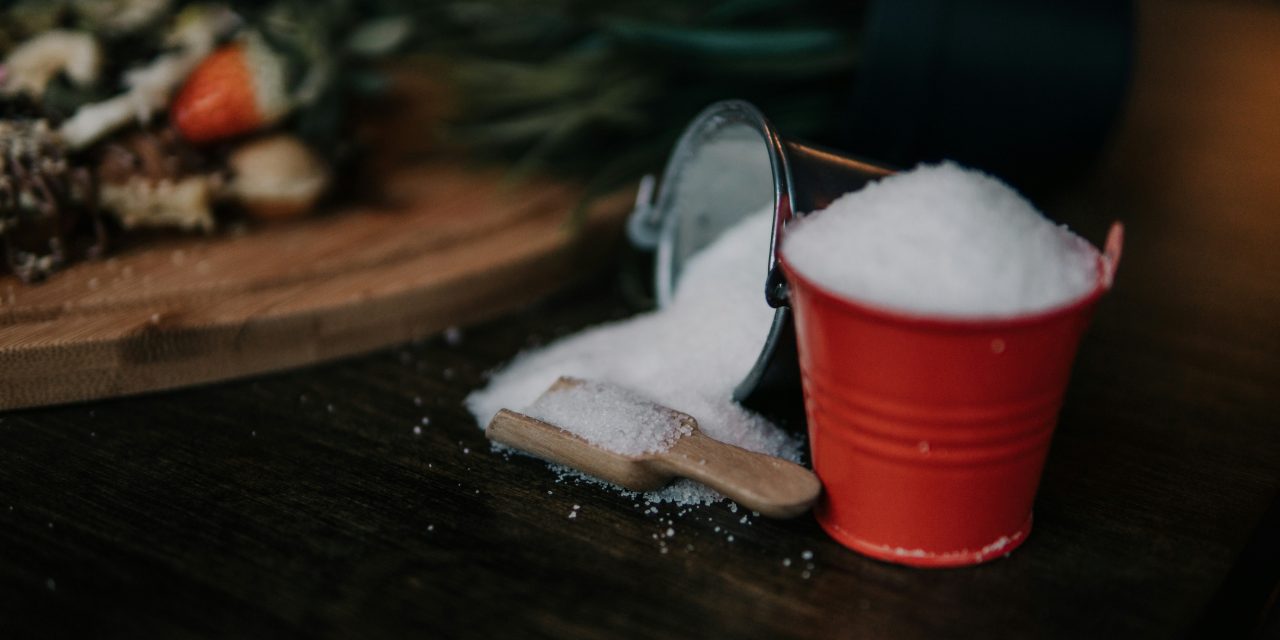
Baking soda, scientifically known as sodium bicarbonate (NaHCO₃), is a white crystalline powder that serves multiple purposes in both culinary and non-culinary applications. This compound is a weak alkaline substance that reacts with acids to produce carbon dioxide gas, which is the fundamental mechanism behind its leavening properties in baking. When combined with acidic ingredients such as vinegar, lemon juice, or yogurt, baking soda releases bubbles of carbon dioxide, causing doughs and batters to rise.
Beyond its culinary uses, sodium bicarbonate has a plethora of applications in household cleaning, personal care, and even medicinal contexts. It acts as a gentle abrasive for scrubbing surfaces, neutralizes odors, and can be used as an antacid to relieve heartburn and indigestion. Its versatility makes it a staple in many households, but understanding its shelf life and proper storage is crucial for maintaining its efficacy.
When considering the shelf life of baking soda, it’s important to understand how it compares to other common kitchen staples. For instance, if you’re curious about the longevity of various food items in your fridge, you might find this article helpful: How Long Does Food Last in the Fridge?. This resource provides insights into the storage duration of perishable goods, which can complement your knowledge about the shelf life of baking soda and other pantry essentials.
Understanding Baking Soda Shelf Life
The shelf life of baking soda is an important consideration for both culinary enthusiasts and those who utilize it for cleaning or medicinal purposes. While baking soda does not spoil in the traditional sense, its effectiveness can diminish over time due to exposure to moisture and air. The chemical stability of sodium bicarbonate allows it to remain safe for consumption indefinitely; however, its leavening power may wane, leading to unsatisfactory results in baking.
Typically, manufacturers provide a “best by” date on packaging, which indicates the period during which the product is expected to maintain optimal potency. This date is not an expiration date but rather a guideline for peak performance. Understanding the nuances of baking soda’s shelf life can help consumers make informed decisions about when to replace their supply.
How Long Does Baking Soda Last Unopened?

Unopened baking soda can last for an extended period, often up to two years or more when stored in a cool, dry place away from direct sunlight. The packaging is designed to protect the contents from moisture and contaminants, which are the primary factors that can compromise its effectiveness. As long as the seal remains intact and the product is kept in optimal conditions, unopened baking soda retains its leavening properties.
It is essential to note that while unopened baking soda has a long shelf life, it is advisable to check the “best by” date on the packaging. This date serves as a guideline for optimal performance rather than an indication of safety. Consumers should also consider their usage frequency; if baking soda is rarely used, it may be prudent to purchase smaller quantities to ensure freshness.
Shelf Life of Opened Baking Soda

Once opened, the shelf life of baking soda decreases significantly due to exposure to air and moisture. Typically, opened baking soda remains effective for about six months to one year when stored properly. After this period, its leavening ability may diminish, leading to less satisfactory results in baking applications.
To maximize the shelf life of opened baking soda, it is crucial to reseal the container tightly after each use. Storing it in an airtight container can help prevent moisture absorption and maintain its potency. Additionally, keeping it in a cool, dry environment away from heat sources will further extend its usability.
When considering the shelf life of baking soda, it’s important to understand how storage conditions can affect its potency. For instance, if baking soda is kept in a humid environment, it may lose its effectiveness more quickly. To learn more about how temperature variations can impact various household items, you might find this article on why one room is hotter or colder than the rest of the house particularly insightful. You can read it here.
Signs That Baking Soda Has Expired
Identifying expired baking soda is essential for ensuring successful baking and other applications. One of the most apparent signs that baking soda has lost its potency is a lack of bubbling reaction when mixed with an acid. If you combine baking soda with vinegar or lemon juice and observe minimal or no fizzing, it indicates that the compound has likely expired.
Other signs include clumping or hardening of the powder due to moisture absorption. If the texture appears lumpy or caked together, it may no longer be effective for leavening purposes. While expired baking soda is not harmful if ingested, it will not provide the desired results in recipes or cleaning tasks.
How to Test If Baking Soda Is Still Good
Testing the effectiveness of baking soda is a straightforward process that can be done at home with minimal effort. To determine if your baking soda is still good, you can perform a simple acid test. Take a small amount of baking soda (approximately one teaspoon) and mix it with a tablespoon of vinegar or lemon juice in a bowl.
If the mixture fizzes vigorously and produces bubbles, your baking soda is still active and suitable for use. Conversely, if there is little to no reaction, it indicates that the baking soda has lost its potency and should be replaced. This test is quick and reliable, ensuring that you do not waste ingredients on ineffective leavening agents.
Proper Storage Conditions for Baking Soda
Proper storage conditions are vital for maintaining the freshness and effectiveness of baking soda. To ensure longevity, store it in an airtight container that protects it from moisture and contaminants. Glass jars with tight-fitting lids or plastic containers with secure seals are excellent options for preserving quality.
Additionally, keep baking soda in a cool, dry place away from heat sources such as stoves or ovens. Exposure to high temperatures can accelerate degradation and reduce its leavening power. Avoid storing it in humid areas like kitchens or bathrooms where moisture levels fluctuate frequently.
Does Refrigeration Extend Baking Soda’s Shelf Life?
Refrigeration is often considered a method for extending the shelf life of various food items; however, this does not apply to baking soda. Storing baking soda in the refrigerator can introduce moisture into the container, leading to clumping and reduced effectiveness over time.
Instead of refrigeration, it is advisable to keep baking soda in a cool pantry or cupboard where temperature fluctuations are minimal. If odor absorption is a concern in your refrigerator, consider placing an open box of baking soda inside as a deodorizer while keeping the main supply stored elsewhere.
Common Uses for Expired Baking Soda
While expired baking soda may not be suitable for culinary applications due to diminished leavening power, it still has several practical uses around the home. One common application is as a gentle abrasive cleaner for scrubbing surfaces such as countertops, sinks, and stovetops. Its mild abrasive properties make it effective at removing stains without scratching surfaces.
Additionally, expired baking soda can be utilized as an odor neutralizer in various settings. Placing it in shoes or refrigerators can help absorb unpleasant smells without introducing harmful chemicals into your environment. Furthermore, it can be used in DIY beauty treatments such as exfoliating scrubs or foot soaks.
Tips to Maximize Baking Soda Freshness
To ensure that your baking soda remains fresh for as long as possible, consider implementing several best practices for storage and usage. First and foremost, always reseal the container tightly after each use to minimize exposure to air and moisture.
Secondly, purchase smaller quantities if you do not use baking soda frequently; this reduces the likelihood of having an expired product on hand. Lastly, regularly check your supply by performing the acid test mentioned earlier to ensure that your baking soda remains effective for your needs.
When to Replace Your Baking Soda
Knowing when to replace your baking soda is crucial for maintaining optimal performance in cooking and cleaning tasks. If you notice any signs of expiration—such as clumping or lack of reaction during testing—it is time to discard the old supply and purchase a new one.
Additionally, if your opened container has been stored for more than six months without use, consider replacing it even if there are no visible signs of degradation. Regularly assessing your inventory will help ensure that you always have fresh baking soda on hand for all your culinary and household needs.
In summary, understanding the properties and shelf life of baking soda is essential for maximizing its effectiveness in various applications. Proper storage conditions play a significant role in maintaining freshness, while regular testing can help identify when it’s time for replacement. By following these guidelines and utilizing expired baking soda creatively, you can ensure that this versatile compound continues to serve you well in your kitchen and home maintenance tasks.
FAQs
What is the shelf life of baking soda?
The shelf life of baking soda is typically around 2 to 3 years when stored in a cool, dry place. However, it can remain effective for longer if kept sealed and away from moisture.
How can I tell if my baking soda is still good?
You can test the potency of baking soda by adding a small amount to vinegar or lemon juice. If it fizzes vigorously, it is still active and good to use. If there is little to no reaction, it may have lost its effectiveness.
Does baking soda expire?
Baking soda does not technically expire, but it can lose its potency over time. While it may still be safe to consume after the expiration date, it may not work as effectively in recipes.
What is the best way to store baking soda?
The best way to store baking soda is in an airtight container in a cool, dry place. This helps prevent moisture from degrading its quality and extends its shelf life.
Can I use expired baking soda for cleaning?
Yes, expired baking soda can still be used for cleaning purposes, even if it has lost its potency for baking. It can still act as a mild abrasive and deodorizer for various cleaning tasks.