Selecting the appropriate potato variety is paramount for achieving the perfect hash browns. The two primary categories of potatoes are waxy and starchy. Waxy potatoes, such as red or new potatoes, contain a higher moisture content and lower starch levels, making them less ideal for hash browns. In contrast, starchy potatoes like Russets or Idaho potatoes are characterized by their high starch content and low moisture, which contributes to a fluffy interior and a crispy exterior when cooked.
When choosing potatoes, consider the intended texture and flavor profile. Russet potatoes are often favored for their ability to achieve a golden-brown crust while maintaining a tender inside. For those seeking a slightly sweeter flavor, Yukon Gold potatoes can also be an excellent choice due to their buttery taste and creamy texture. Ultimately, the right potato variety will significantly influence the final product, ensuring that your hash browns are both delicious and satisfying.
To ensure your hash browns maintain their crispy texture, it’s essential to manage moisture effectively during preparation and cooking. A related article that provides valuable insights on how to store onions without making them soft can offer additional tips on moisture control in your kitchen. You can read more about it here: how to store onions without making them soft. By applying similar principles, you can keep your hash browns perfectly crispy and delicious.
Grate Potatoes Evenly for Consistent Cooking
Uniformity in grating is essential for ensuring that all pieces of potato cook at the same rate. When preparing hash browns, using a box grater or a food processor with a grating attachment can facilitate even shredding. Aim for shreds that are approximately 1/8 inch thick; this size allows for optimal cooking while providing a satisfying texture. Unevenly grated potatoes can lead to some pieces becoming overcooked while others remain undercooked, resulting in an unsatisfactory dish.
Additionally, consider the technique used during grating. A consistent motion and pressure will yield uniform shreds, which is crucial for achieving that coveted crispy exterior. If using a food processor, pulse the potatoes rather than continuously running the machine to avoid turning them into mush. The goal is to create distinct shreds that will crisp up beautifully when cooked.
Rinse and Soak to Remove Excess Starch

After grating the potatoes, rinsing them under cold water is an essential step that should not be overlooked. This process helps to remove excess surface starch, which can lead to gummy or sticky hash browns. By rinsing the grated potatoes, you allow for better separation during cooking, promoting a crispier texture.
Soaking the grated potatoes in cold water for about 30 minutes further enhances this effect. This soaking period not only removes additional starch but also helps to prevent oxidation, which can cause discoloration. After soaking, drain the potatoes thoroughly and rinse them again to ensure that all residual starch is removed. This simple yet effective technique is crucial for achieving that perfect golden-brown crust.
Thoroughly Dry Potatoes Before Cooking

Moisture is the enemy of crispiness when it comes to cooking hash browns. After rinsing and soaking, it is imperative to dry the grated potatoes thoroughly before they hit the pan. Excess moisture can lead to steaming rather than frying, resulting in soggy hash browns instead of the desired crispy texture.
To effectively dry the potatoes, use a clean kitchen towel or paper towels to pat them down gently. Alternatively, you can use a salad spinner to remove moisture efficiently. The goal is to eliminate as much water as possible without damaging the delicate shreds of potato. This step may seem minor, but it plays a significant role in achieving that perfect crunch.
If you’re looking to perfect your breakfast game, it’s essential to know how to keep hash browns from getting soggy. One effective method is to ensure that the potatoes are properly dried before cooking, as excess moisture can lead to a less-than-ideal texture. For more tips on maintaining a clean and pleasant home environment, you might find this article on how to stop a cat from spraying urine indoors particularly helpful. By addressing moisture issues in both your cooking and your living space, you can create a more enjoyable atmosphere. Check out the article here for more insights.
Use a Hot Pan and Preheat Properly
The cooking surface plays a critical role in the final outcome of your hash browns. A hot pan ensures that the potatoes begin to crisp immediately upon contact, locking in moisture and flavor while creating that desirable golden-brown crust. Preheating your skillet or frying pan over medium-high heat for several minutes before adding oil is essential for optimal results.
Cast iron skillets or non-stick pans are excellent choices for cooking hash browns due to their heat retention properties. Once the pan is adequately heated, add your chosen cooking oil or fat and allow it to heat until shimmering but not smoking. This step ensures that the oil coats the surface evenly and provides an ideal frying environment for your grated potatoes.
To ensure your hash browns remain crispy and delicious, it’s essential to manage moisture effectively during cooking. One helpful tip is to thoroughly dry the potatoes before frying, as excess water can lead to sogginess. Additionally, using a well-heated pan and avoiding overcrowding can make a significant difference. For more insights on food preservation techniques, you might find this article on freezing food safely particularly useful, as it discusses how to maintain the quality of various ingredients, including potatoes, for future meals.
Opt for the Right Cooking Oil or Fat
The choice of cooking oil or fat can significantly impact both flavor and texture in your hash browns. Oils with high smoke points, such as canola oil, vegetable oil, or peanut oil, are ideal for frying as they can withstand high temperatures without burning. Alternatively, clarified butter or ghee can add a rich flavor while still providing a high smoke point.
When selecting an oil, consider the flavor profile you wish to achieve. For instance, olive oil offers a distinct taste but has a lower smoke point; thus, it may not be suitable for high-heat frying unless used in moderation. Whichever fat you choose, ensure that it is heated adequately before adding the grated potatoes to achieve that perfect crispiness.
Avoid Overcrowding the Pan
Overcrowding the pan is one of the most common mistakes made when cooking hash browns. When too many potato shreds are added at once, they release moisture into the pan, leading to steaming rather than frying. This results in soggy hash browns instead of the desired crispy texture.
To avoid this pitfall, cook in batches if necessary. Allow enough space between each portion of grated potato so that they can fry evenly and develop that golden-brown crust. If you find yourself with a large quantity of grated potatoes, consider using multiple pans or cooking them in smaller portions to ensure optimal results.
Press Hash Browns Gently for a Crisp Surface
Once you have added the grated potatoes to the hot pan, gently press them down with a spatula or wooden spoon. This technique helps to create contact between the potatoes and the cooking surface, promoting even browning and crispiness. However, be cautious not to press too hard; excessive pressure can lead to mushy hash browns rather than achieving that desired crunch.
Allow the potatoes to cook undisturbed for several minutes before checking for doneness. This resting period enables them to form a crust on one side before flipping or stirring. The result will be beautifully browned hash browns with a satisfying texture.
Flip Only Once for Even Browning
Flipping hash browns multiple times during cooking can disrupt their ability to form a crispy crust. Instead, aim to flip only once during the cooking process. After allowing one side to develop a golden-brown color, carefully flip the entire mass over using a spatula.
This technique ensures that each side receives equal exposure to heat while maintaining structural integrity. If you find it challenging to flip an entire mass at once, consider dividing it into sections before flipping; this approach allows for easier handling while still achieving even browning.
Drain on Paper Towels to Remove Excess Oil
After cooking your hash browns to perfection, it is essential to drain them on paper towels immediately after removing them from the pan. This step helps absorb any excess oil that may have accumulated during frying, preventing greasy hash browns and enhancing overall texture.
Place cooked hash browns on a plate lined with paper towels and allow them to rest briefly before serving. This simple technique ensures that your dish remains light and crispy while enhancing flavor without overwhelming it with oiliness.
Serve Immediately or Keep Warm in the Oven
Hash browns are best enjoyed fresh out of the pan while they retain their crispy texture and warmth. If you need to prepare them ahead of time or serve them alongside other dishes, consider keeping them warm in an oven set at low heat (around 200°F or 93°C). This method allows you to maintain their crispiness without overcooking them.
When serving hash browns, consider garnishing with fresh herbs or accompanying them with condiments such as ketchup or hot sauce for added flavor. The combination of textures and flavors will elevate your dish and leave your guests satisfied.
In summary, achieving perfect hash browns requires attention to detail at every stage of preparation and cooking. From selecting the right potato variety to ensuring proper cooking techniques, each step contributes significantly to the final product’s quality and taste. By following these guidelines diligently, you can create deliciously crispy hash browns that will impress anyone fortunate enough to enjoy them.
### FAQ Section
1. **What type of potato is best for hash browns?**
– Starchy potatoes like Russets are ideal due to their high starch content and low moisture levels.
2. **How do I prevent my hash browns from being soggy?**
– Rinse and soak grated potatoes to remove excess starch, thoroughly dry them before cooking, and avoid overcrowding the pan.
3. **Can I use olive oil for frying hash browns?**
– While olive oil can be used, it has a lower smoke point; consider using oils with higher smoke points like canola or vegetable oil for best results.
4. **How long should I cook hash browns?**
– Cook each side for about 5-7 minutes until golden brown; adjust time based on heat level and thickness of potato shreds.
5. **Is it necessary to soak grated potatoes?**
– Yes, soaking helps remove excess starch and prevents discoloration while promoting crispiness during cooking.
6. **Can I make hash browns ahead of time?**
– While best served fresh, you can keep cooked hash browns warm in an oven set at low heat until ready to serve.
7. **What should I do if my hash browns are falling apart?**
– Ensure proper grating technique and avoid excessive flipping; pressing gently during cooking helps maintain structure.
8. **How do I know when my hash browns are done?**
– Look for a golden-brown color on both sides; they should feel crispy when touched.
9. **Can I add ingredients like onions or peppers?**
– Yes! Just ensure they are finely chopped and added early enough so they cook through without burning.
10. **What’s the best way to store leftover hash browns?**
– Store in an airtight container in the refrigerator for up to 3 days; reheat in an oven or skillet for best results.
By adhering closely to these guidelines and techniques, you will master the art of preparing deliciously crispy hash browns that are sure to delight any palate!
FAQs
What causes hash browns to become soggy?
Hash browns can become soggy due to excess moisture from the potatoes. When grated potatoes are not properly dried before cooking, the moisture can release during the cooking process, leading to a soggy texture. Additionally, cooking at too low a temperature can prevent the moisture from evaporating quickly enough.
How can I properly dry potatoes before cooking hash browns?
To properly dry potatoes, first, rinse the grated potatoes in cold water to remove excess starch. Then, place them in a clean kitchen towel or paper towels and squeeze out as much moisture as possible. You can also let them sit in a colander for a few minutes to drain further before cooking.
What cooking method helps prevent soggy hash browns?
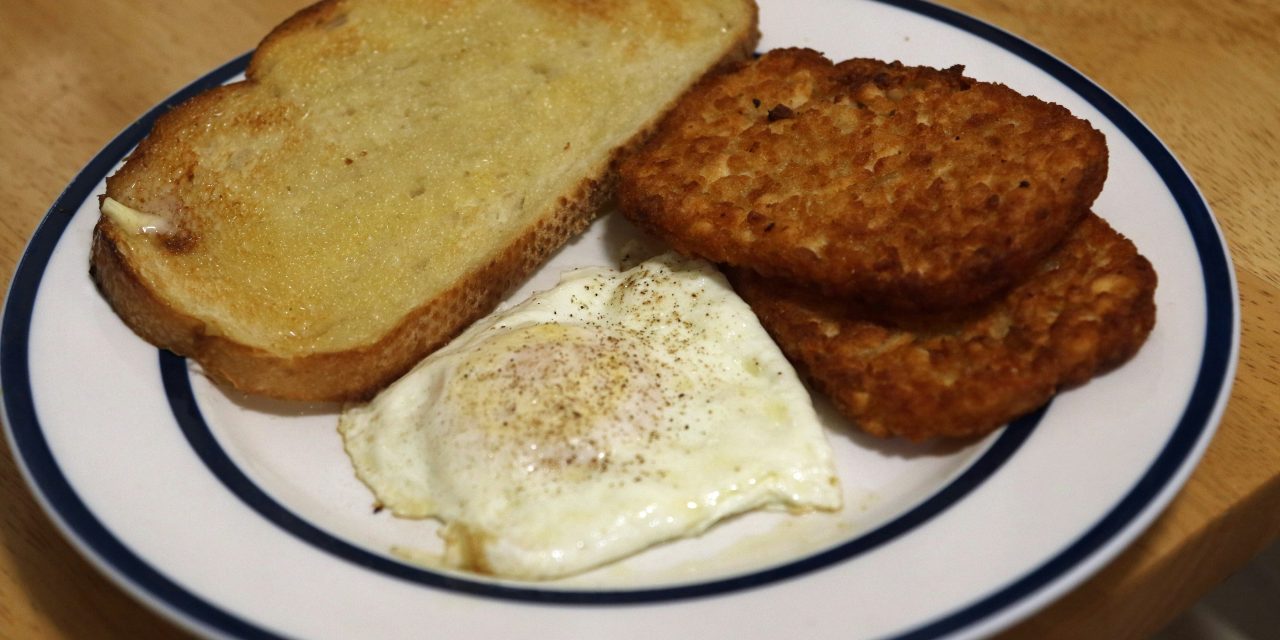
Cooking hash browns in a hot skillet with enough oil is essential to achieving a crispy texture. Using a cast-iron skillet or non-stick pan allows for even heat distribution. Preheating the pan and ensuring the oil is hot before adding the potatoes helps to create a crispy exterior while keeping the inside fluffy.
Should I cover the pan while cooking hash browns?
It is generally not recommended to cover the pan while cooking hash browns, as this traps steam and moisture, leading to sogginess. Instead, cook them uncovered to allow moisture to escape and promote crispiness.
Can I use frozen hash browns without them getting soggy?
Yes, you can use frozen hash browns without them getting soggy by ensuring they are cooked directly from frozen without thawing. Spread them evenly in a hot skillet with oil and avoid overcrowding the pan, which can trap steam and moisture. Cooking them at a high temperature will help achieve a crispy texture.