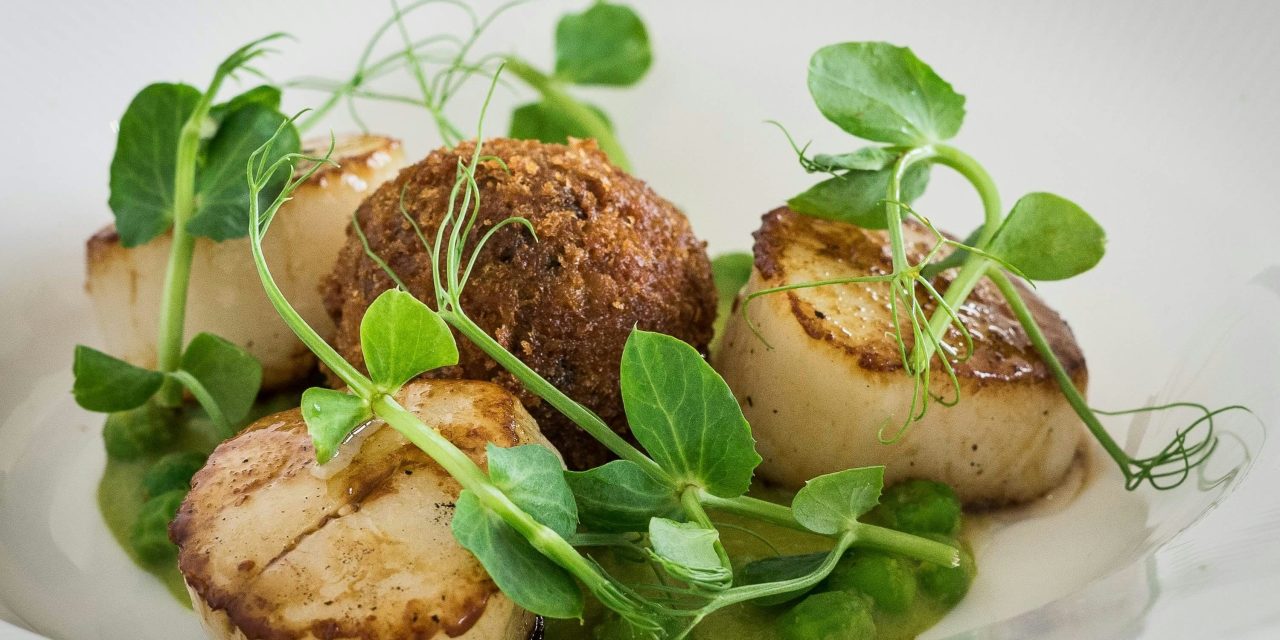
Fresh scallops are a culinary delight, revered for their delicate flavor and tender texture. These bivalve mollusks, primarily harvested from the North Atlantic and Pacific Oceans, are not only a gourmet ingredient but also a nutritional powerhouse. Rich in protein, omega-3 fatty acids, and essential vitamins such as B12 and selenium, scallops contribute significantly to a balanced diet. Their low-calorie count makes them an excellent choice for health-conscious individuals seeking to indulge in seafood without compromising their dietary goals.
The importance of freshness cannot be overstated when it comes to scallops. Freshly harvested scallops exhibit a sweet, briny flavor that is unmatched by frozen or previously thawed varieties. The texture of fresh scallops is firm yet tender, providing a satisfying bite that enhances any dish. When selecting scallops, it is crucial to consider their appearance; they should have a translucent, pearly sheen and a mild oceanic aroma. Avoid scallops that appear dull or have an overly fishy smell, as these are indicators of age and potential spoilage.
If you’re looking to elevate your culinary skills, mastering the art of searing scallops with a golden crust is essential. This technique not only enhances the flavor but also adds an appealing texture to the dish. For those interested in honing their cooking abilities further, you might find valuable insights in this article on dog care, which emphasizes the importance of patience and practice in any skill, including cooking: 10 Essential Dog Care Training Tips Every Owner Should Know.
Choosing the Right Type of Scallops for Searing
When it comes to searing scallops, the choice between sea scallops and bay scallops is paramount. Sea scallops (Placopecten magellanicus) are larger, typically measuring 1 to 2 inches in diameter, making them ideal for searing due to their ability to develop a beautiful crust while remaining tender inside. Their size allows for a more pronounced caramelization during cooking, enhancing their natural sweetness.
On the other hand, bay scallops (Argopecten irradians) are smaller and more delicate, often used in soups or salads rather than searing. While they can be seared, their size makes it challenging to achieve the same level of crust without overcooking them. For optimal results in searing, always opt for dry-packed sea scallops, which have not been treated with preservatives or water. This ensures that they will sear beautifully without releasing excess moisture during cooking.
Preparing Scallops: Cleaning and Patting Dry

Preparation is key to achieving perfectly seared scallops. Begin by rinsing the scallops under cold running water to remove any residual sand or grit. After rinsing, it is essential to pat them dry thoroughly using paper towels. Excess moisture on the surface of the scallops can hinder the searing process, preventing the formation of that coveted golden crust.
In addition to drying, inspect each scallop for the small side muscle, known as the “foot,” which can be tough and chewy if left intact. Gently remove this muscle by pulling it away from the scallop with your fingers. This step ensures that each bite remains tender and enjoyable. Once cleaned and dried, the scallops are ready for seasoning and cooking.
Selecting the Best Pan for a Perfect Sear

The choice of cookware plays a significant role in achieving a perfect sear on scallops. A heavy-bottomed skillet or cast-iron pan is ideal for this purpose, as these materials retain heat exceptionally well and distribute it evenly across the cooking surface. Non-stick pans may not provide the same level of browning and caramelization due to their coating, which can inhibit the Maillard reaction—the chemical process responsible for browning food.
When selecting a pan, ensure it is large enough to accommodate the scallops without overcrowding. A spacious cooking surface allows for better heat retention and ensures that each scallop has ample contact with the pan, promoting even cooking and browning. Preheating the pan before adding the scallops is crucial for achieving that perfect sear.
If you’re looking to elevate your culinary skills, mastering the technique of searing scallops with a golden crust is essential. This method not only enhances the flavor but also adds a delightful texture to the dish. For more tips on creating a perfect cooking environment, you might find it helpful to explore this article on smart laundry basket ideas that can help you save space in your kitchen. A well-organized kitchen can make all the difference when preparing gourmet meals like perfectly seared scallops.
Heating the Pan to the Ideal Temperature
Achieving the ideal temperature is critical when searing scallops. The pan should be heated over medium-high heat until it reaches a temperature of approximately 400°F (204°C). At this temperature, the surface of the pan is hot enough to create a beautiful crust while preventing the scallops from becoming overcooked.
To test if the pan is ready, sprinkle a few drops of water onto the surface; if they sizzle and evaporate almost immediately, the pan is sufficiently heated. It is essential to avoid overheating the pan, as this can lead to burnt scallops with an unpleasant flavor. Conversely, if the pan is not hot enough, the scallops will release moisture instead of searing properly.
If you’re looking to elevate your culinary skills, mastering the art of searing scallops with a golden crust can be a game-changer in your kitchen. The technique not only enhances the flavor but also adds an appealing texture to the dish. For those interested in complementing their seafood with fresh ingredients, you might find inspiration in this article about top veggies and herbs perfect for raised garden beds, which can provide the ideal accompaniments to your perfectly seared scallops.
Using the Right Oil for a Golden Crust
The choice of oil is another critical factor in achieving a golden crust on seared scallops. Oils with high smoke points are ideal for this purpose; options such as grapeseed oil, canola oil, or clarified butter (ghee) work exceptionally well. These oils can withstand high temperatures without burning or imparting undesirable flavors to the scallops.
When adding oil to the preheated pan, use just enough to coat the bottom lightly—approximately 1-2 tablespoons should suffice. Allow the oil to heat until it shimmers before adding the scallops; this ensures that they will sear immediately upon contact with the pan, locking in moisture and flavor.
Properly Timing the Searing Process
Timing is crucial when searing scallops to achieve that perfect balance between a golden crust and tender interior. Once placed in the hot pan, allow the scallops to cook undisturbed for about 2-3 minutes on one side. During this time, refrain from moving them around; this allows for proper caramelization and browning.
After 2-3 minutes, gently flip each scallop using tongs or a spatula. The second side will require slightly less cooking time—approximately 1-2 minutes—until they are opaque and firm to the touch. Overcooking can lead to rubbery textures; therefore, monitoring closely during this stage is essential.
Avoiding Overcrowding in the Pan
Overcrowding is one of the most common mistakes made when searing scallops. Placing too many scallops in the pan at once can lower the temperature significantly, resulting in steaming rather than searing. This not only prevents proper browning but also leads to uneven cooking.
To avoid overcrowding, consider cooking in batches if necessary. This allows each scallop ample space to develop that desirable crust while ensuring even heat distribution throughout the cooking process. If cooking multiple batches, keep cooked scallops warm in a low oven (around 200°F or 93°C) while preparing additional servings.
Knowing When to Flip Scallops for Even Cooking
Knowing when to flip scallops is essential for achieving even cooking and optimal texture. The visual cues are crucial indicators; look for a golden-brown crust forming on one side before attempting to flip them. The edges should appear opaque while the center remains slightly translucent.
Using tongs or a spatula, gently lift one scallop to check its color before flipping all of them. If they release easily from the pan without sticking, it’s time to turn them over. This technique ensures that each scallop receives equal attention during cooking while maintaining their integrity.
Resting Scallops for Maximum Juiciness
Resting cooked scallops is an often-overlooked step that significantly enhances their juiciness and flavor profile. After removing them from the pan, allow them to rest on a plate for about 2-3 minutes before serving. This resting period enables the juices within each scallop to redistribute evenly throughout its flesh.
Failing to rest scallops can result in lost moisture during cutting or plating, leading to dryness and diminished flavor. By allowing them time to rest, you ensure that each bite remains succulent and flavorful.
Serving Suggestions to Complement Seared Scallops
Seared scallops can be paired with various accompaniments that enhance their natural sweetness and delicate flavor profile. Consider serving them atop a bed of creamy risotto infused with lemon zest or alongside sautéed seasonal vegetables such as asparagus or green beans.
For an elegant touch, drizzle a citrus beurre blanc sauce over the scallops just before serving; this rich sauce complements their flavor beautifully while adding an extra layer of sophistication to your dish. Alternatively, serve them with a fresh herb salad dressed lightly with vinaigrette for a refreshing contrast.
In conclusion, mastering the art of searing fresh scallops involves understanding their importance as a culinary ingredient, selecting appropriate types for cooking, preparing them correctly, and employing precise techniques throughout the cooking process. By following these guidelines—from choosing the right pan and oil to timing and resting—home cooks can achieve restaurant-quality results in their own kitchens.
FAQ Section:
1. **What are sea scallops vs bay scallops?**
Sea scallops are larger and ideal for searing due to their size and texture; bay scallops are smaller and more delicate.
2. **How do I know if my scallops are fresh?**
Fresh scallops should have a translucent sheen and mild oceanic aroma; avoid those with dull appearances or strong fishy smells.
3. **Can I freeze fresh scallops?**
Yes, but freezing may alter their texture; it’s best to consume them fresh whenever possible.
4. **What’s the best way to season scallops?**
Simple seasoning with salt and pepper enhances their natural flavor; consider adding herbs or citrus zest for additional complexity.
5. **How long should I cook scallops?**
Cook sea scallops for about 2-3 minutes on one side and 1-2 minutes on the other until opaque.
6. **What should I do if my scallops stick to the pan?**
Ensure your pan is adequately heated before adding oil; if they stick, they may not be ready to flip yet.
7. **Can I use olive oil for searing?**
While olive oil has a lower smoke point than other oils recommended for high-heat cooking, you can use light olive oil if necessary.
8. **What sides pair well with seared scallops?**
Creamy risotto, sautéed vegetables, or fresh salads complement seared scallops beautifully.
9. **Is it necessary to remove the foot from scallops?**
Yes, removing this muscle ensures tenderness in each bite.
10. **How do I store leftover cooked scallops?**
Store cooked scallops in an airtight container in the refrigerator for up to two days; reheat gently before serving.
In summary, mastering seared scallops involves understanding their freshness and preparation techniques while employing precise cooking methods for optimal results. With careful attention to detail—from selecting appropriate pans and oils to timing—home cooks can create exquisite dishes that highlight this delectable seafood delicacy.
FAQs
What type of scallops are best for searing?
The best scallops for searing are dry sea scallops, which have not been treated with preservatives. These scallops have a firmer texture and will sear better, resulting in a golden crust. Avoid wet scallops, as they contain added moisture that can prevent proper browning.
How do you prepare scallops for searing?
To prepare scallops for searing, first rinse them under cold water and pat them dry with paper towels. Remove the side muscle if present, as it can be tough. Season the scallops generously with salt and pepper just before cooking to enhance their flavor.
What type of pan is best for searing scallops?
A heavy-bottomed skillet, such as cast iron or stainless steel, is ideal for searing scallops. These materials retain heat well and provide an even cooking surface, which helps achieve a perfect golden crust without sticking.
What temperature should the pan be for searing scallops?
The pan should be preheated over medium-high heat until it is hot but not smoking. A temperature of around 400°F (204°C) is ideal for searing scallops. You can test the heat by adding a drop of water; it should sizzle and evaporate immediately.
How long should scallops be cooked on each side?
Scallops should be cooked for about 2 to 3 minutes on each side. They are done when they are golden brown on the outside and opaque in the center. Overcooking can lead to a rubbery texture, so it’s important to monitor them closely.