When organizing a gathering, whether it be a casual get-together or a more formal event, planning ahead is crucial for ensuring a smooth experience. A well-thought-out menu serves as the backbone of any successful meal. Begin by considering the dietary preferences and restrictions of your guests. This includes vegetarian, vegan, gluten-free, and nut-free options. A simple menu should consist of a balanced selection of appetizers, main courses, sides, and desserts that can cater to various tastes while remaining manageable for preparation.
To streamline the process, aim for a cohesive theme that ties the dishes together. For instance, if you choose an Italian theme, consider serving bruschetta as an appetizer, followed by a classic lasagna and a light tiramisu for dessert. By limiting the number of dishes and focusing on complementary flavors, you can create an inviting atmosphere without overwhelming yourself in the kitchen. Additionally, drafting a shopping list based on your menu will help ensure that you have all necessary ingredients on hand, minimizing last-minute trips to the grocery store.
When planning to make breakfast for a large group, it’s essential to consider efficient cooking methods that can save time and effort. One great resource is an article that discusses how to convert traditional oven recipes for an air fryer, which can be particularly useful for preparing breakfast items quickly and evenly. You can check out the article here: How to Convert Oven Recipes for an Air Fryer. This guide provides tips on adjusting cooking times and temperatures, making it easier to whip up delicious breakfast dishes for everyone.
Choose Make-Ahead Recipes to Save Time
Selecting make-ahead recipes is an effective strategy for reducing stress on the day of your event. Dishes that can be prepared in advance allow you to focus on hosting rather than cooking when guests arrive. Consider options such as casseroles, marinated salads, or desserts that benefit from resting time, like cheesecakes or puddings. These recipes not only save time but often taste better after the flavors have had a chance to meld.
For example, a hearty chili can be made a day or two in advance and simply reheated before serving. Similarly, pasta salads can be assembled ahead of time and stored in the refrigerator until needed. By incorporating these make-ahead dishes into your menu, you can ensure that your gathering runs smoothly while still providing delicious food that your guests will enjoy.
Utilize Large Appliances Like Slow Cookers and Griddles

Large kitchen appliances can be invaluable tools when preparing meals for a group. Slow cookers are particularly useful for creating flavorful stews, soups, or pulled meats that require minimal supervision. Simply add your ingredients in the morning and let the slow cooker do the work while you attend to other tasks. This method not only saves time but also allows for tenderizing tougher cuts of meat through low and slow cooking.
Griddles are another excellent option for cooking large quantities of food simultaneously. They are perfect for breakfast gatherings where pancakes, eggs, and bacon can all be cooked at once. This not only speeds up the cooking process but also ensures that everything is served hot and fresh. By leveraging these appliances, you can maximize efficiency in the kitchen while providing a satisfying meal for your guests.
Prep Ingredients the Night Before

Preparation is key to a successful event, and prepping ingredients the night before can significantly reduce stress on the day of your gathering. Take time to chop vegetables, marinate proteins, and measure out dry ingredients for your recipes. Store these prepped items in airtight containers in the refrigerator to maintain freshness. This not only saves time but also allows you to visualize your meal components more clearly.
Additionally, consider setting up any necessary cooking equipment or utensils in advance. For example, if you plan to use a slow cooker or griddle, ensure they are clean and ready to go. By organizing your workspace ahead of time, you can create an efficient cooking environment that allows you to focus on executing your menu rather than scrambling to find tools or ingredients.
When planning to make breakfast for a large group, it’s essential to consider dishes that are both easy to prepare and can be served in bulk. One helpful resource is an article that provides tips on how to streamline the cooking process while ensuring everyone enjoys a delicious meal. For more insights on managing large gatherings, you can check out this informative piece on removing grease and oil stains, which can be particularly useful when dealing with messy breakfast preparations.
Opt for Buffet-Style Serving to Streamline Distribution
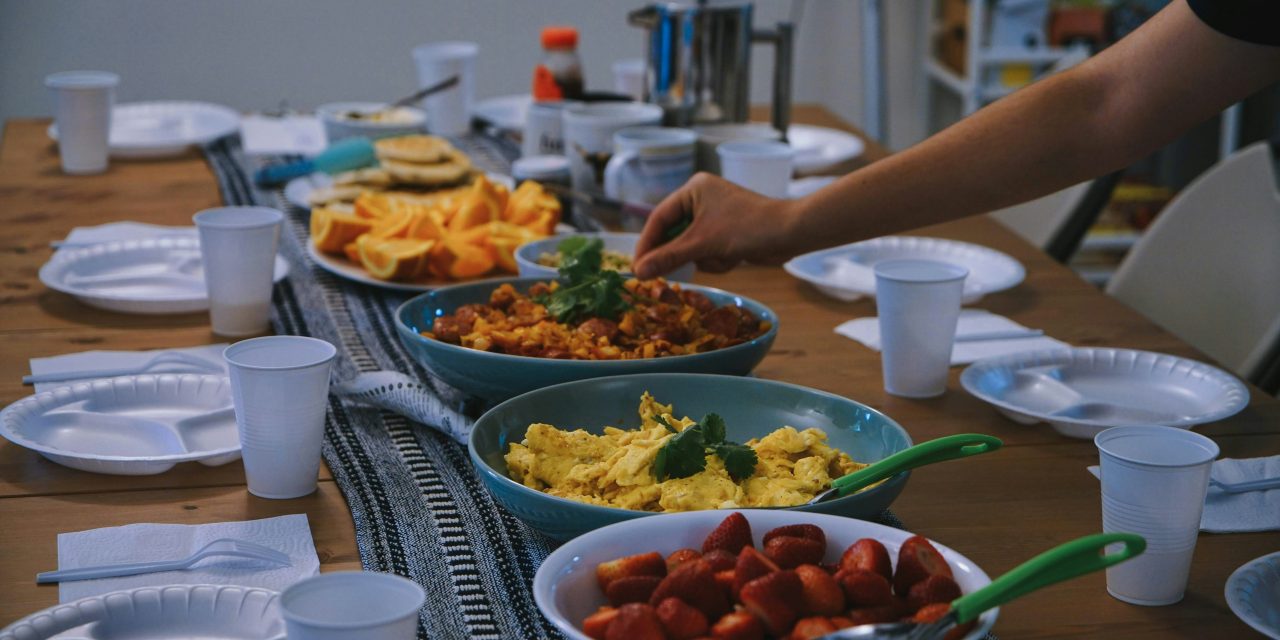
Buffet-style serving is an excellent way to streamline meal distribution during gatherings. This approach allows guests to serve themselves at their own pace while reducing the pressure on hosts to plate individual meals. Set up a designated area with all dishes arranged in an appealing manner, ensuring that there is enough space for guests to move around comfortably.
When planning a buffet, consider using chafing dishes or warming trays to keep food at optimal temperatures throughout the event. Label each dish clearly to inform guests about ingredients and potential allergens. This not only enhances the dining experience but also promotes safety by allowing individuals with dietary restrictions to make informed choices.
Incorporate One-Pot or One-Pan Meals
One-pot or one-pan meals are ideal for group gatherings as they simplify both cooking and cleanup processes. These meals typically involve combining all ingredients in a single vessel, allowing flavors to meld beautifully while minimizing the number of dishes used. Options such as stir-fries, casseroles, or sheet pan dinners can be both satisfying and visually appealing.
For instance, a chicken and vegetable stir-fry can be prepared quickly and served over rice or noodles for a complete meal. Alternatively, a sheet pan dinner featuring roasted vegetables alongside seasoned proteins can be both nutritious and easy to prepare. By incorporating these types of meals into your menu, you can provide hearty options while keeping kitchen chaos to a minimum.
Delegate Tasks to Helpers or Guests
Enlisting help from friends or family members can significantly ease the burden of hosting a gathering. Delegating tasks not only fosters a sense of community but also allows everyone to contribute to the event’s success. Assign specific roles based on individual strengths; for example, someone may excel at setting up decorations while another may enjoy preparing appetizers.
Encourage guests to bring along their favorite dish or beverage as part of a potluck-style gathering. This not only diversifies the menu but also alleviates some of the pressure from the host. By sharing responsibilities, you create an enjoyable atmosphere where everyone feels involved and appreciated.
Use Store-Bought Items to Fill in the Gaps
While homemade dishes are often cherished, there is no shame in utilizing store-bought items to complement your menu. Pre-made appetizers, desserts, or side dishes can save valuable time without sacrificing quality. Many grocery stores offer gourmet options that are both delicious and visually appealing.
Consider purchasing items such as artisan bread, gourmet cheeses, or pre-made dips that can elevate your spread with minimal effort. Additionally, frozen appetizers like spring rolls or stuffed mushrooms can be quickly baked and served hot from the oven. By strategically incorporating store-bought items into your menu, you can create an impressive meal without overwhelming yourself in the kitchen.
Keep Beverages Easy and Accessible
Beverages play an essential role in any gathering, so it’s important to keep them easy and accessible for guests. Consider offering a selection of alcoholic and non-alcoholic options that cater to various preferences. A signature cocktail can add a personal touch while providing guests with something unique to enjoy.
For non-alcoholic choices, consider serving infused water with fresh fruits or herbs for a refreshing alternative. Additionally, setting up a self-serve beverage station allows guests to help themselves throughout the event without requiring constant attention from the host. Ensure that ice is readily available and provide cups or glasses within easy reach to encourage guests to stay hydrated.
Set Up a Self-Serve Station for Condiments and Toppings
A self-serve station for condiments and toppings enhances the dining experience by allowing guests to customize their meals according to their preferences. Set up an area with various sauces, dressings, and toppings that complement your menu items. For example, if serving tacos or burgers, provide options such as salsa, guacamole, shredded cheese, lettuce, and various sauces.
Label each condiment clearly to inform guests about their contents and potential allergens. This not only promotes safety but also encourages creativity as guests mix and match flavors according to their tastes. By providing this interactive element, you enhance guest engagement while simplifying meal assembly.
Clean as You Go to Maintain an Organized Kitchen
Maintaining an organized kitchen during meal preparation is essential for reducing stress and ensuring efficiency. Cleaning as you go helps prevent clutter from accumulating and allows you to focus on cooking rather than dealing with messes later on. Designate specific areas for dirty dishes and utensils so they don’t interfere with your workspace.
As you finish using each ingredient or tool, take a moment to wash it or place it in the dishwasher immediately. This practice not only keeps your kitchen tidy but also makes post-event cleanup significantly easier. By fostering an organized environment throughout the cooking process, you create a more enjoyable experience for both yourself and your guests.
In summary, planning ahead is vital when hosting gatherings; creating a simple menu tailored to guest preferences sets the stage for success. Utilizing make-ahead recipes saves time while large appliances like slow cookers streamline cooking processes. Prepping ingredients in advance further enhances efficiency, while buffet-style serving simplifies meal distribution. Incorporating one-pot meals minimizes cleanup efforts; delegating tasks fosters community involvement among guests. Using store-bought items fills gaps effortlessly while keeping beverages accessible ensures hydration throughout the event. Setting up self-serve condiment stations encourages customization while cleaning as you go maintains organization in the kitchen—ultimately leading to a memorable gathering experience for all involved.
FAQs
What are some easy breakfast options for a large group?
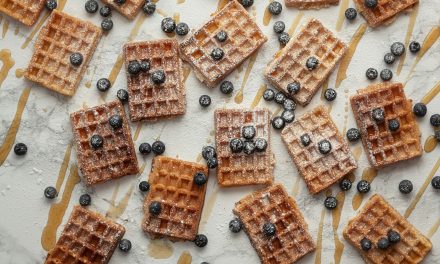
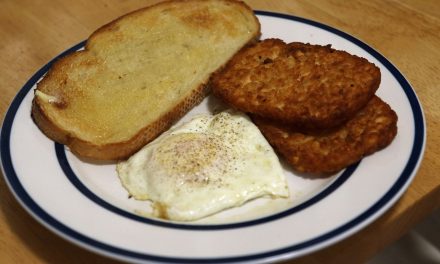
Some easy breakfast options for a large group include breakfast casseroles, pancakes or waffles, scrambled eggs, and a variety of pastries. You can also consider setting up a breakfast bar with yogurt, granola, fruits, and toppings to allow guests to customize their meals.
How can I prepare breakfast for a large group in advance?
You can prepare several breakfast items in advance by making casseroles or baked goods the night before and refrigerating them. Items like muffins, scones, and overnight oats can also be made ahead of time. On the day of the breakfast, simply reheat or serve cold as needed.
What kitchen equipment do I need to cook breakfast for a large group?
Essential kitchen equipment includes large pots and pans, baking dishes, mixing bowls, and utensils. You may also need a griddle for pancakes or a large skillet for eggs. Additionally, having multiple serving platters and utensils will help in serving the food efficiently.
How do I calculate the amount of food needed for a large group?
A general guideline is to plan for about 1-2 eggs per person, 1-2 pancakes or waffles per person, and 1-2 servings of sides like fruit or yogurt. It’s also wise to consider the appetite of your guests and adjust quantities accordingly, keeping in mind that some may eat more than others.
What are some dietary considerations to keep in mind when cooking for a large group?
When cooking for a large group, it’s important to consider dietary restrictions such as vegetarian, vegan, gluten-free, or nut allergies. Offering a variety of options, including plant-based dishes and gluten-free alternatives, can help accommodate different dietary needs and preferences.