The ultimate seafood boil experience is a culinary adventure that brings together the freshest seafood, vibrant flavors, and a communal dining atmosphere. Originating from coastal regions, particularly in the Southern United States, this feast is characterized by its lively presentation and the joyous gathering of family and friends. The essence of a seafood boil lies not only in the delectable ingredients but also in the shared experience of enjoying a meal that is both hearty and flavorful.
Imagine a large table adorned with newspaper or butcher paper, where succulent shrimp, tender crab legs, and an array of colorful vegetables are heaped together. The aroma of spices fills the air, enticing everyone to dig in. This communal feast encourages laughter, storytelling, and a sense of togetherness, making it an ideal choice for celebrations, gatherings, or simply a weekend treat. The seafood boil is more than just a meal; it’s an event that creates lasting memories.
If you’re looking to elevate your culinary skills with a delicious seafood boil featuring shrimp and crab, you might find inspiration in a related article that offers tips on organizing your kitchen for a more efficient cooking experience. A well-organized kitchen can make the process of preparing a seafood boil much smoother and more enjoyable. Check out this helpful guide on organizing your kitchen to ensure you have all your ingredients and tools at hand when it’s time to cook.
Essential Ingredients for a Shrimp & Crab Feast
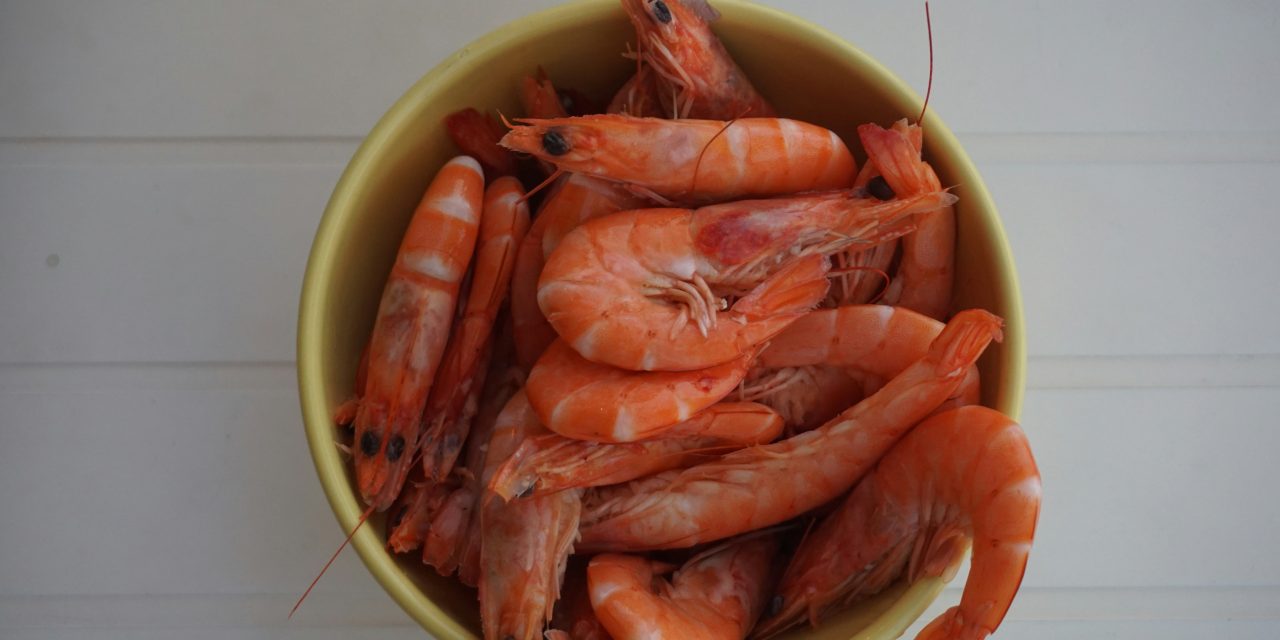
To create an unforgettable seafood boil, selecting the right ingredients is paramount. The star players of this culinary spectacle are undoubtedly shrimp and crab, but the supporting cast plays an equally important role. Fresh shrimp, preferably large or jumbo varieties, should be the first choice. They should be sweet and succulent, providing a delightful contrast to the other ingredients.
Crab legs, whether they are snow crab or king crab, add a luxurious touch to the feast. Their sweet meat pairs beautifully with the spices used in the boil. In addition to seafood, essential ingredients include potatoes, corn on the cob, and smoked sausage. Potatoes should be waxy varieties like red or new potatoes, as they hold their shape well during cooking. Corn adds sweetness and crunch, while sausage introduces a savory depth to the dish.
Other ingredients that can elevate your seafood boil include garlic, onions, and lemons. Garlic infuses the broth with aromatic flavors, while onions add sweetness. Lemons provide acidity that balances the richness of the seafood. Fresh herbs such as parsley or dill can be used as garnishes to enhance presentation and flavor.
Selecting Fresh Seafood: Tips and Tricks

Choosing fresh seafood is crucial for achieving the best flavor and texture in your boil. When selecting shrimp, look for those that are firm to the touch with a slight sheen. Avoid any that have a strong fishy odor or are discolored. If possible, opt for shrimp that are still in their shells, as they retain moisture and flavor better during cooking.
For crab legs, freshness is key. Look for legs that are bright in color and feel heavy for their size; this indicates they are full of meat. If purchasing live crabs, ensure they are active and responsive. Always check for any signs of spoilage or off-putting smells before making your selection.
When buying from a fish market or grocery store, don’t hesitate to ask questions about the source of the seafood. Sustainable practices are essential for maintaining healthy ocean ecosystems. Look for certifications such as the Marine Stewardship Council (MSC) label to ensure you are making environmentally responsible choices.
Preparing Your Cooking Equipment and Setup

Before diving into the cooking process, it’s essential to prepare your cooking equipment and setup adequately. A large stockpot is necessary for boiling seafood; it should have a capacity of at least 5 gallons to accommodate all ingredients comfortably. A propane burner or outdoor gas stove is ideal for achieving high heat quickly.
Ensure you have all necessary utensils on hand: long-handled tongs for handling hot seafood, a slotted spoon for retrieving ingredients from the pot, and a large colander for draining excess liquid. Additionally, having a large serving platter or tray will make it easier to present your feast.
Setting up your cooking area is equally important. If cooking outdoors, ensure you have adequate ventilation and safety measures in place to prevent accidents. Lay down newspaper or butcher paper on your dining table for easy cleanup and an authentic seafood boil experience. Gather plenty of napkins and disposable plates to accommodate your guests comfortably.
If you’re looking to elevate your seafood boil with shrimp and crab, you might find it helpful to explore some essential tips and techniques. For instance, understanding the right spices and cooking times can make a significant difference in flavor. You can read more about enhancing your culinary skills in this informative article on pet care, which, while focused on grooming, offers valuable insights into the importance of preparation and attention to detail in any endeavor. Check it out here for some great ideas that can inspire your next cooking adventure.
Crafting the Perfect Boil Seasoning Blend
The seasoning blend is what transforms your seafood boil from ordinary to extraordinary. A classic blend typically includes Old Bay seasoning as its base due to its unique combination of spices that complement seafood beautifully. However, you can customize your blend according to personal preferences.
Start with a base of salt and pepper, then add garlic powder, onion powder, paprika, cayenne pepper for heat, and dried herbs such as thyme or oregano. For an extra kick, consider incorporating crushed red pepper flakes or even fresh chopped jalapeños if you enjoy spicy flavors.
To enhance the aromatic profile of your boil, consider adding fresh herbs like bay leaves or parsley during cooking. Citrus zest from lemons or limes can also brighten up the flavors significantly. Experimenting with different spices allows you to create a signature blend that reflects your taste preferences.
Step-by-Step Guide to Cooking Shrimp and Crab
Cooking shrimp and crab requires careful attention to timing to ensure optimal tenderness without overcooking. Begin by filling your stockpot with water—enough to cover all ingredients—and bring it to a rolling boil over high heat. Add your seasoning blend at this stage to infuse the water with flavor.
Once boiling, add potatoes first since they take longer to cook; allow them to simmer for about 10-15 minutes until they are fork-tender. Next, introduce corn on the cob cut into halves or thirds; cook for an additional 5-7 minutes until tender.
Finally, add the crab legs and shrimp simultaneously; both typically require only 3-5 minutes of cooking time. The shrimp will turn pink and opaque when done, while crab legs will become vibrant in color. Once cooked through, carefully drain all ingredients using a colander.
Adding Corn, Potatoes, and Sausages to the Boil
Incorporating corn, potatoes, and sausages into your seafood boil not only enhances flavor but also adds heartiness to the meal. Begin by selecting high-quality smoked sausage—such as Andouille or kielbasa—which will impart rich flavors as it cooks alongside the seafood.
When preparing potatoes and corn, ensure they are cut into manageable pieces for even cooking. Potatoes should be halved or quartered depending on their size while corn can be broken into smaller sections for easier serving.
As mentioned earlier, add potatoes first since they require more time to cook through completely. Afterward, introduce corn and sausage into the pot; their cooking times align well with shrimp and crab. The result is a medley of flavors that meld beautifully together in each bite.
How to Serve Your Seafood Boil Like a Pro
Serving your seafood boil requires both presentation skills and practicality for guests’ enjoyment. Once all ingredients have been drained from the pot, transfer them onto a large serving platter lined with butcher paper or directly onto the table covered in newspaper.
For an authentic experience, encourage guests to dig in using their hands—this adds an element of fun! Provide plenty of napkins nearby as things can get messy quickly when enjoying succulent seafood.
Consider garnishing your spread with lemon wedges and fresh herbs like parsley or dill for added color and flavor enhancement. Additionally, offering dipping sauces such as melted butter infused with garlic or tangy cocktail sauce can elevate the dining experience further.
Pairing Drinks and Side Dishes with Your Feast
Complementing your seafood boil with appropriate beverages enhances the overall dining experience significantly. Light beers such as lagers or wheat beers pair well due to their refreshing qualities that balance out rich flavors from the seafood.
For non-alcoholic options, consider serving iced tea or lemonade infused with fresh herbs like mint for added freshness. Sparkling water with citrus slices can also provide a refreshing palate cleanser between bites.
As for side dishes, consider serving coleslaw or a light salad featuring seasonal vegetables to provide contrast against the richness of the seafood boil. Garlic bread or crusty rolls can also be delightful accompaniments for soaking up any leftover broth.
Cleanup Tips After Your Seafood Boil Party
After indulging in a delicious seafood boil feast comes the inevitable cleanup process—however, it doesn’t have to be daunting! Start by gathering all disposable items such as plates and utensils into trash bags for easy disposal.
For any leftover food remnants on tables or surfaces covered in newspaper or butcher paper, simply roll up the paper along with any debris before discarding it altogether. This method minimizes mess significantly!
To tackle pots and utensils used during cooking effectively, soak them in warm soapy water immediately after use; this will loosen any stubborn residue making it easier to clean later on.
Creative Variations and Flavor Enhancements for Next Time
Once you’ve mastered the classic seafood boil recipe, consider experimenting with creative variations for future gatherings! One option is incorporating different types of seafood such as mussels or clams alongside shrimp and crab—this adds variety while enhancing flavors further.
Another idea involves infusing international flavors into your boil by using spices inspired by various cuisines—think Cajun spices for a Louisiana twist or Asian-inspired seasonings like ginger and soy sauce for an exciting fusion dish!
Additionally, consider adding unique vegetables such as artichokes or asparagus into your boil mix; these additions can provide unexpected textures while complementing traditional ingredients beautifully.
In summary, hosting an ultimate seafood boil experience involves careful selection of fresh ingredients combined with thoughtful preparation techniques that culminate in a delightful communal feast filled with flavor and joy! From crafting perfect seasoning blends to serving creatively alongside refreshing beverages—each step contributes towards creating lasting memories around delicious food shared among loved ones!
FAQs
What ingredients are typically used in a seafood boil with shrimp and crab?
A typical seafood boil with shrimp and crab includes fresh shrimp, crab (usually blue or Dungeness), potatoes, corn on the cob, and sausage. Seasonings such as Old Bay seasoning, garlic, lemon, and bay leaves are also commonly used to enhance the flavor.
How long does it take to cook a seafood boil?
The cooking time for a seafood boil generally ranges from 30 to 45 minutes. This includes bringing the water to a boil, cooking the potatoes and sausage first, and then adding the corn, shrimp, and crab towards the end to ensure everything is cooked perfectly without overcooking the seafood.
What type of pot is best for making a seafood boil?
A large stockpot or a seafood boiler pot is best for making a seafood boil. It should be big enough to hold all the ingredients and allow for boiling without overflowing. A pot with a strainer insert can also be helpful for easy removal of the cooked seafood and vegetables.
Can I make a seafood boil in the oven instead of boiling?
Yes, you can make a seafood boil in the oven by using a method called “oven steaming.” Place the ingredients in a large baking dish or a foil packet, season them, and then bake at a high temperature (around 400°F) for about 30-40 minutes. This method allows the flavors to meld while cooking the seafood evenly.
What are some common side dishes to serve with a seafood boil?
Common side dishes to serve with a seafood boil include coleslaw, garlic bread, and a variety of dipping sauces such as melted butter, cocktail sauce, or garlic aioli. Additionally, a refreshing salad or corn bread can complement the meal nicely.