Mahi Mahi, scientifically known as Coryphaena hippurus, is a vibrant and flavorful fish that has gained immense popularity in culinary circles worldwide. This species, often referred to as “dolphin fish” or “golden dorado,” is characterized by its striking blue-green coloration and a streamlined body, making it not only a feast for the palate but also a visual delight. Found in warm oceanic waters, Mahi Mahi is a fast-growing fish that can reach lengths of up to 30 inches and weigh as much as 40 pounds. Its firm texture and mild flavor make it an incredibly versatile ingredient, suitable for various cooking methods, including grilling, baking, and frying.
The culinary appeal of Mahi Mahi extends beyond its taste; it is also a sustainable seafood choice. Many fisheries practice responsible fishing methods to ensure the population remains stable, making it an environmentally friendly option for seafood lovers. With its rich flavor profile and health benefits, Mahi Mahi has become a staple in many kitchens, offering endless possibilities for delicious meals.
If you’re looking to expand your culinary skills beyond cooking mahi mahi in a skillet, you might find it helpful to explore different grain options that can complement your dish. For instance, learning how to cook quinoa without a bitter taste can elevate your meal to new heights. You can read more about this technique in the article available here: how to cook quinoa without a bitter taste. This will not only enhance your main course but also provide a nutritious side that pairs beautifully with fish.
Health Benefits of Eating Mahi Mahi
Incorporating Mahi Mahi into your diet can yield numerous health benefits due to its impressive nutritional profile. This fish is an excellent source of high-quality protein, providing approximately 20 grams of protein per 3-ounce serving. Protein is essential for muscle repair, immune function, and overall bodily maintenance. Additionally, Mahi Mahi is low in calories and saturated fat, making it an ideal choice for those seeking to maintain a healthy weight or reduce fat intake.
Mahi Mahi is also rich in essential vitamins and minerals. It contains significant amounts of B vitamins, particularly niacin (B3) and vitamin B12, which play crucial roles in energy metabolism and neurological function. Furthermore, this fish is a good source of selenium, an antioxidant that helps protect cells from oxidative stress and supports thyroid function. The omega-3 fatty acids found in Mahi Mahi contribute to cardiovascular health by reducing inflammation and lowering triglyceride levels. Regular consumption of this fish can promote heart health and enhance overall well-being.
Essential Tips for Selecting Fresh Mahi Mahi

When selecting fresh Mahi Mahi, several key factors should be considered to ensure you are purchasing the highest quality product. First and foremost, look for fish that has a bright, vibrant color. Fresh Mahi Mahi should exhibit a rich blue-green hue with golden-yellow accents. The flesh should appear moist and translucent rather than dull or dry. Additionally, the fish should have a mild oceanic scent; any strong or unpleasant odors may indicate spoilage.
Another important aspect to consider is the texture of the fish. Fresh Mahi Mahi should feel firm to the touch and spring back when pressed gently. Avoid fish that feels mushy or has any signs of browning or discoloration. If purchasing fillets, ensure they have clean edges without any ragged cuts. Lastly, inquire about the source of the fish; purchasing from reputable suppliers who practice sustainable fishing methods can help ensure you are getting a fresh and environmentally responsible product.
How to Prepare Mahi Mahi for Cooking

Preparing Mahi Mahi for cooking is a straightforward process that can be tailored to suit various culinary techniques. Before cooking, it is essential to properly clean and season the fish to enhance its natural flavors. If you have purchased whole Mahi Mahi, begin by scaling the fish using a fish scaler or the back of a knife. Rinse it under cold water to remove any residual scales or debris.
Once cleaned, you can choose to leave the skin on or remove it based on your preference. The skin can add flavor and texture when grilled or baked but may not be desirable for all cooking methods. Afterward, pat the fish dry with paper towels to remove excess moisture; this step is crucial for achieving a nice sear when cooking. Season the fish generously with salt and pepper or your choice of marinades or spices to enhance its flavor profile.
If you’re looking to elevate your cooking skills, you might find it helpful to explore various techniques for preparing different types of fish. For instance, learning how to cook mahi mahi in a skillet can be a delightful experience, as this fish is known for its firm texture and mild flavor. To further enhance your culinary repertoire, you can also check out this informative article on understanding plant care, which can inspire you to create a beautiful setting for your meals.
Step-by-Step Guide: How to Cook Mahi Mahi in a Skillet
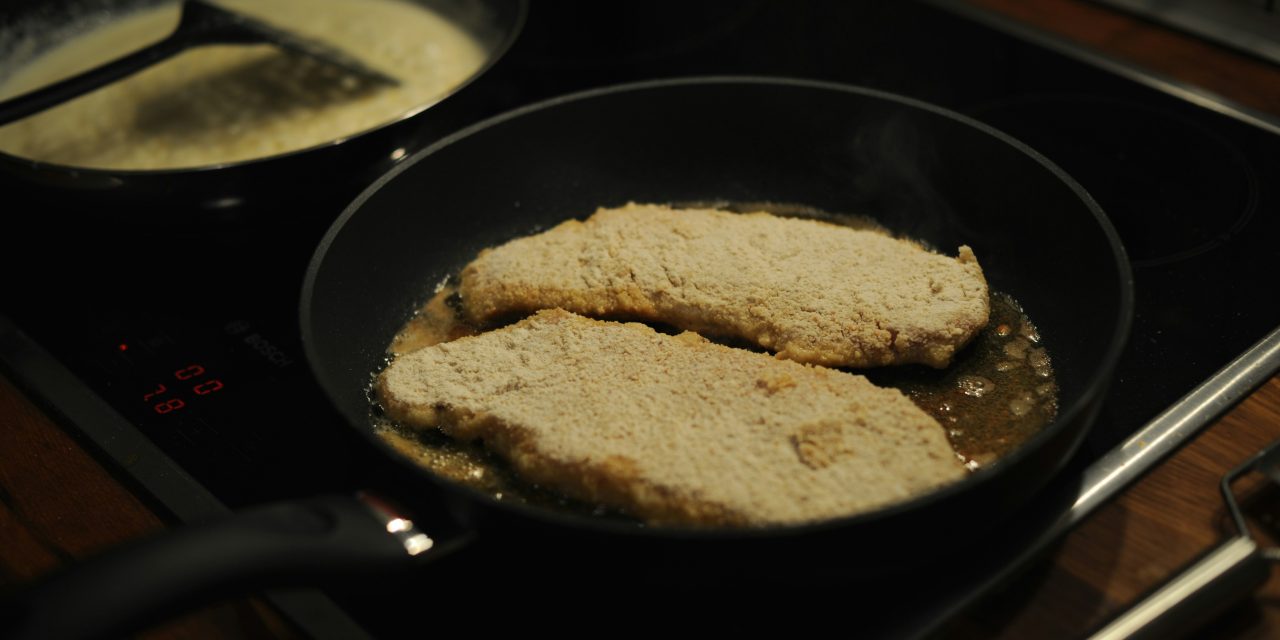
Cooking Mahi Mahi in a skillet is an efficient method that yields delicious results while preserving the fish’s moisture and flavor. To begin, gather your ingredients: fresh Mahi Mahi fillets, olive oil or butter, salt, pepper, and any additional seasonings you desire.
1. Heat the skillet: Place a non-stick skillet over medium-high heat and add 1-2 tablespoons of olive oil or butter.
2. Season the fillets: While the skillet heats up, season both sides of the Mahi Mahi fillets with salt and pepper.
3. Cook the fish: Once the oil is shimmering or the butter has melted, carefully place the fillets in the skillet. Cook for approximately 4-5 minutes on one side without moving them to allow for proper browning.
4. Flip and finish: Gently flip the fillets using a spatula and cook for an additional 3-4 minutes until the fish is opaque and flakes easily with a fork.
5. Serve: Remove from heat and let rest for a minute before serving with your choice of sides or sauces.
Recipe 1: Garlic Butter Mahi Mahi
For those who appreciate rich flavors, Garlic Butter Mahi Mahi is an exquisite dish that combines the delicate taste of the fish with aromatic garlic and creamy butter.
Ingredients:
– 2 Mahi Mahi fillets
– 4 tablespoons unsalted butter
– 4 cloves garlic, minced
– Salt and pepper to taste
– Fresh parsley for garnish
Instructions:
1. In a skillet over medium heat, melt butter until bubbly.
2. Add minced garlic and sauté until fragrant.
3. Season fillets with salt and pepper before placing them in the skillet.
4. Cook each side for about 4-5 minutes until golden brown.
5. Garnish with fresh parsley before serving.
Recipe 2: Spicy Cajun Mahi Mahi
For those who enjoy a kick of heat, Spicy Cajun Mahi Mahi offers a delightful blend of spices that elevate this dish to new heights.
Ingredients:
– 2 Mahi Mahi fillets
– 2 tablespoons Cajun seasoning
– 2 tablespoons olive oil
– Lime wedges for serving
Instructions:
1. Rub Cajun seasoning evenly over both sides of the fillets.
2. Heat olive oil in a skillet over medium-high heat.
3. Cook fillets for about 4 minutes on each side until cooked through.
4. Serve with lime wedges for an added zesty flavor.
Recipe 3: Lemon Herb Grilled Mahi Mahi
Grilling brings out the natural flavors of Mahi Mahi beautifully, especially when paired with zesty lemon and fresh herbs.
Ingredients:
– 2 Mahi Mahi fillets
– Juice of 1 lemon
– 2 tablespoons olive oil
– Fresh dill or parsley
– Salt and pepper to taste
Instructions:
1. Marinate fillets in lemon juice, olive oil, herbs, salt, and pepper for at least 30 minutes.
2. Preheat grill to medium-high heat.
3. Grill fillets for about 5 minutes on each side until cooked through.
4. Serve with additional lemon wedges.
Recipe 4: Tropical Mango Salsa Mahi Mahi
This vibrant dish combines sweet mango salsa with grilled Mahi Mahi for a refreshing tropical experience.
Ingredients:
– 2 Mahi Mahi fillets
– 1 ripe mango, diced
– 1/2 red onion, finely chopped
– Juice of 1 lime
– Cilantro for garnish
Instructions:
1. Combine mango, onion, lime juice, and cilantro in a bowl; set aside.
2. Season fillets with salt and pepper before grilling them for about 5 minutes on each side.
3. Top grilled fillets with mango salsa before serving.
Recipe 5: Mahi Mahi Tacos with Avocado Crema
Mahi Mahi tacos are a fun twist on traditional tacos that are sure to impress at any gathering.
Ingredients:
– 2 Mahi Mahi fillets
– Corn tortillas
– 1 avocado
– Sour cream
– Lime juice
– Cabbage slaw
Instructions:
1. Blend avocado with sour cream and lime juice until smooth; set aside.
2. Grill or pan-sear fillets until cooked through.
3. Assemble tacos by placing fish in tortillas topped with cabbage slaw and avocado crema.
Recipe 6: Baked Parmesan Crusted Mahi Mahi
Baking provides a healthier alternative while still delivering crispy textures through a parmesan crust.
Ingredients:
– 2 Mahi Mahi fillets
– 1/2 cup grated Parmesan cheese
– 1/4 cup breadcrumbs
– Olive oil spray
– Salt and pepper to taste
Instructions:
1. Preheat oven to 400°F (200°C).
2. Mix Parmesan cheese with breadcrumbs; season with salt and pepper.
3. Coat fillets lightly with olive oil spray before pressing into breadcrumb mixture.
4. Bake for about 15 minutes until golden brown.
Recipe 7: Asian-Inspired Mahi Mahi Stir-Fry
This quick stir-fry showcases the versatility of Mahi Mahi while incorporating vibrant vegetables and savory sauces.
Ingredients:
– 2 Mahi Mahi fillets, cut into bite-sized pieces
– Mixed vegetables (bell peppers, broccoli)
– Soy sauce
– Ginger and garlic
– Sesame oil
Instructions:
1. Heat sesame oil in a wok over high heat; add ginger and garlic.
2. Add vegetables and stir-fry until tender-crisp.
3. Add fish pieces along with soy sauce; cook until fish is opaque.
4. Serve over rice or noodles.
Tips for Serving and Pairing Mahi Mahi Dishes
When serving dishes featuring Mahi Mahi, consider pairing them with complementary sides that enhance their flavors without overpowering them. Light salads featuring citrus dressings work well alongside grilled preparations, while roasted vegetables can add depth to baked dishes. For those opting for tacos or wraps, consider adding fresh toppings such as avocado slices or pico de gallo for added texture.
Beverage pairings can also elevate your dining experience; crisp white wines like Sauvignon Blanc or light beers can complement the delicate flavors of this fish beautifully. For non-alcoholic options, consider serving sparkling water infused with citrus fruits or herbal teas that provide refreshing contrasts.
In summary, incorporating Mahi Mahi into your culinary repertoire offers not only delicious meals but also numerous health benefits due to its rich nutritional profile. With various preparation methods available—from skillet cooking to grilling—this versatile fish can be enjoyed in countless ways through diverse recipes that cater to different palates. By selecting fresh ingredients and experimenting with flavors, you can create memorable dishes that highlight the unique qualities of this remarkable seafood choice while promoting sustainable eating practices.
FAQs
What is mahi mahi?
Mahi mahi, also known as dolphinfish, is a tropical fish known for its vibrant colors and firm texture. It has a mild, sweet flavor and is commonly found in warm ocean waters, making it a popular choice for grilling and pan-searing.
What ingredients do I need to cook mahi mahi in a skillet?
To cook mahi mahi in a skillet, you will typically need fresh mahi mahi fillets, olive oil or butter, salt, pepper, and optional seasonings such as garlic, lemon juice, or herbs like parsley or cilantro for added flavor.
How long does it take to cook mahi mahi in a skillet?
Cooking mahi mahi in a skillet usually takes about 4 to 5 minutes per side over medium-high heat. The fish is done when it flakes easily with a fork and reaches an internal temperature of 145°F (63°C).
Should I marinate mahi mahi before cooking?
While marinating mahi mahi is not necessary, it can enhance the flavor and tenderness of the fish. A simple marinade of olive oil, lemon juice, and herbs can be used for about 30 minutes before cooking.
What side dishes pair well with skillet-cooked mahi mahi?
Skillet-cooked mahi mahi pairs well with a variety of side dishes, including steamed vegetables, rice, quinoa, or a fresh salad. Citrus-based sauces or salsas also complement the fish nicely.