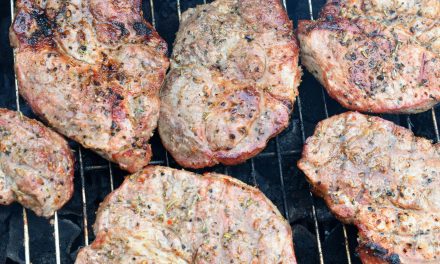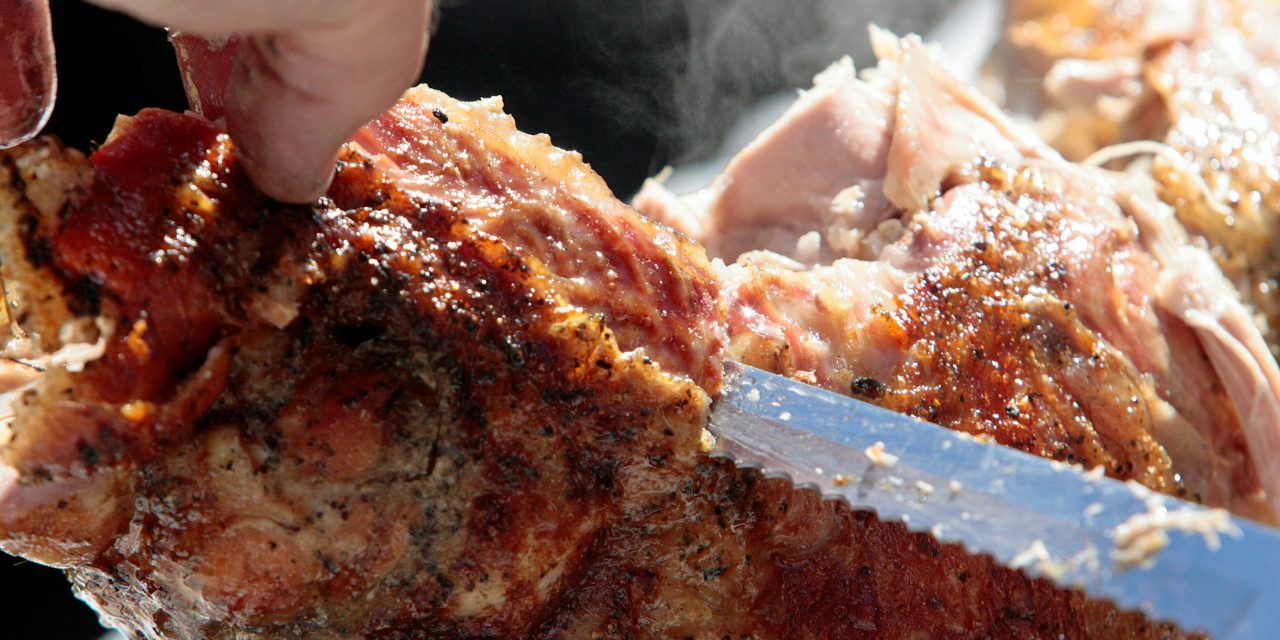
When embarking on the culinary journey of preparing pork shoulder, it is essential to understand the unique characteristics of this cut of meat. Pork shoulder, also known as pork butt or Boston butt, is derived from the upper part of the pig’s front leg. This cut is renowned for its rich marbling and connective tissue, which contribute to its flavor and tenderness when cooked properly. The ideal cooking method for pork shoulder is low and slow, allowing the collagen to break down and transform into gelatin, resulting in a succulent and juicy dish.
Before diving into the cooking process, it is crucial to gather all necessary tools and ingredients. A sharp knife, cutting board, roasting pan, and meat thermometer are indispensable for achieving optimal results. Additionally, having a reliable oven is paramount, as temperature consistency plays a significant role in the cooking process. Understanding the anatomy of the pork shoulder will also aid in making informed decisions regarding preparation and cooking techniques.
If you’re looking to master the art of cooking pork shoulder in the oven, you might find it helpful to explore related cooking techniques and tips. For instance, understanding how to manage your kitchen environment can significantly enhance your cooking experience. A great article on preventing pests in your home, which can be a distraction while cooking, can be found here: How to Prevent Ants Around Your Home’s Foundation. This resource offers practical advice that ensures your cooking space remains pleasant and free from unwanted interruptions.
Selecting the Right Cut for Oven Cooking
Choosing the appropriate cut of pork shoulder is vital for achieving the desired flavor and texture. The two primary cuts are the Boston butt and the picnic shoulder. The Boston butt is well-marbled and ideal for roasting due to its higher fat content, which enhances moisture retention during cooking. Conversely, the picnic shoulder contains more connective tissue and is often used for braising or slow-cooking methods.
When selecting your pork shoulder, look for a piece with a good balance of meat and fat. The fat cap should be at least ¼ inch thick to ensure that it renders during cooking, imparting flavor and moisture to the meat. Additionally, consider purchasing from a reputable butcher or farmer’s market to ensure quality and freshness. The weight of the pork shoulder typically ranges from 4 to 10 pounds, so choose a size that fits your needs while allowing for leftovers.
Essential Ingredients and Seasonings for Flavor

Flavoring your pork shoulder is an integral part of the preparation process. A well-seasoned cut can elevate the dish from ordinary to extraordinary. Essential ingredients include salt, pepper, garlic powder, onion powder, and paprika. These basic seasonings create a robust foundation that complements the natural flavors of the meat.
For those looking to enhance their flavor profile further, consider incorporating herbs such as rosemary, thyme, or sage. Citrus elements like lemon or orange zest can also add brightness to the dish. Additionally, marinades or dry rubs can be employed to infuse flavor deeply into the meat. A marinade consisting of apple cider vinegar, soy sauce, brown sugar, and mustard can create a delightful balance of sweet and savory notes.
Prepping the Pork Shoulder: Trimming and Scoring

Properly prepping your pork shoulder is essential for achieving optimal results during cooking. Begin by trimming excess fat from the surface of the meat while leaving a thin layer intact to ensure moisture retention. This fat will render during cooking, providing flavor and juiciness.
Scoring the fat cap is another crucial step in preparation. Using a sharp knife, make shallow cuts in a crisscross pattern across the surface of the fat. This technique allows seasonings to penetrate deeper into the meat while promoting even cooking. Additionally, scoring helps render fat more effectively, resulting in a crispy exterior that contrasts beautifully with the tender interior.
If you’re looking to perfect your pork shoulder in the oven, you might find it helpful to explore various cooking techniques and tips that can enhance your culinary skills. For instance, understanding essential home repairs can significantly improve your kitchen experience, ensuring that your cooking environment is both safe and efficient. You can read more about these important skills in this article on essential home repairs. With the right knowledge, you’ll not only master the art of cooking pork shoulder but also create a more enjoyable cooking space.
Marinating Techniques for Maximum Tenderness
Marinating pork shoulder is an effective technique for enhancing tenderness and flavor. A marinade typically consists of an acidic component (such as vinegar or citrus juice), oil, and various seasonings. The acid helps break down tough muscle fibers while infusing flavor throughout the meat.
To marinate effectively, place your pork shoulder in a resealable plastic bag or a shallow dish and cover it with your marinade of choice. Allow it to marinate in the refrigerator for at least 4 hours, but ideally overnight for maximum flavor absorption. Remember to turn the meat occasionally to ensure even coverage. For those pressed for time, even a quick 30-minute marinade can yield noticeable results.
Setting the Oven: Temperature and Timing Guidelines
The key to perfectly cooked pork shoulder lies in setting your oven to the right temperature and adhering to proper timing guidelines. Preheat your oven to 225°F (107°C) for low-and-slow cooking or 325°F (163°C) for a slightly faster method while still achieving tenderness.
Cooking time will vary based on the weight of your pork shoulder; generally, plan for approximately 1.5 to 2 hours per pound at 225°F (107°C). For example, a 6-pound pork shoulder may take anywhere from 9 to 12 hours to reach optimal tenderness. It is crucial to monitor internal temperature closely; aim for an internal temperature of 195°F (90°C) for pulled pork or 145°F (63°C) for sliced pork.
Using a Roasting Pan and Rack for Even Cooking
Utilizing a roasting pan with a rack is essential for achieving even cooking throughout your pork shoulder. The rack elevates the meat above the bottom of the pan, allowing hot air to circulate evenly around it while preventing it from sitting in its juices.
When placing your pork shoulder in the roasting pan, ensure that it is positioned fat-side up. This allows the rendered fat to baste the meat as it cooks, enhancing moisture retention and flavor development. Additionally, consider adding aromatics such as onions, garlic, or carrots to the bottom of the pan; these will infuse additional flavor into both the meat and any drippings collected during cooking.
Monitoring Internal Temperature for Perfect Doneness
Monitoring internal temperature is crucial for ensuring that your pork shoulder reaches perfect doneness without overcooking. Invest in a reliable meat thermometer that can provide accurate readings throughout the cooking process.
Insert the thermometer into the thickest part of the meat without touching bone or fat for an accurate reading. For pulled pork, aim for an internal temperature of around 195°F (90°C), which allows collagen breakdown and results in tender shreds. If you prefer sliced pork, remove it from the oven at 145°F (63°C) and allow it to rest before carving.
Resting the Meat: Why It’s Crucial Before Carving
Resting your pork shoulder after cooking is an essential step that should not be overlooked. Allowing the meat to rest for at least 30 minutes before carving enables juices to redistribute throughout the fibers, resulting in a more succulent final product.
During this resting period, cover your pork shoulder loosely with aluminum foil to retain warmth without trapping steam that could make the exterior soggy. This step ensures that each slice remains juicy and flavorful when served.
Carving and Serving Suggestions for Pork Shoulder
Carving pork shoulder requires precision and technique to achieve beautiful slices or shreds. For pulled pork, use two forks or meat claws to shred the meat along its grain into bite-sized pieces. Serve with barbecue sauce on the side or mixed in for added flavor.
For sliced pork shoulder, use a sharp knife to carve against the grain into uniform slices approximately ½ inch thick. This technique ensures tenderness with each bite. Consider serving alongside traditional accompaniments such as coleslaw, cornbread, or roasted vegetables for a well-rounded meal.
Tips for Storing and Reheating Leftover Pork Shoulder
Proper storage techniques are vital for preserving leftover pork shoulder’s quality and flavor. Allow any remaining meat to cool completely before transferring it to an airtight container or resealable plastic bag. Store in the refrigerator for up to four days or freeze for longer storage—up to three months.
When reheating leftover pork shoulder, avoid using high heat as this can dry out the meat. Instead, opt for low-and-slow methods such as reheating in an oven set at 250°F (121°C) until warmed through or using a slow cooker with a splash of broth or sauce to maintain moisture.
In summary, preparing pork shoulder involves understanding its unique characteristics and employing proper techniques throughout each stage of cooking—from selecting quality cuts and seasoning effectively to monitoring internal temperatures and allowing adequate resting time before serving. By following these guidelines, you can create a deliciously tender dish that will impress family and friends alike while ensuring that leftovers are stored correctly for future enjoyment.
FAQs
What temperature should I cook pork shoulder in the oven?
Pork shoulder should be cooked in the oven at a temperature of 300°F (150°C) for slow roasting. This low and slow method helps to break down the tough connective tissues, resulting in tender and flavorful meat.
How long does it take to cook pork shoulder in the oven?
The cooking time for pork shoulder in the oven typically ranges from 4 to 6 hours, depending on the size of the roast. A general rule of thumb is to cook it for about 1.5 to 2 hours per pound at 300°F (150°C).
Should I cover the pork shoulder while cooking?
Yes, it is recommended to cover the pork shoulder with aluminum foil during the initial cooking phase to retain moisture. You can remove the foil during the last hour of cooking to allow the skin to crisp up and develop a nice crust.
What internal temperature should pork shoulder reach when done?
The internal temperature of pork shoulder should reach at least 195°F (90°C) for optimal tenderness. At this temperature, the collagen in the meat breaks down, making it easier to shred and enjoy.
Can I season the pork shoulder before cooking?
Absolutely! Seasoning the pork shoulder before cooking is highly recommended. You can use a dry rub or marinade to enhance the flavor. Allow the seasoned meat to rest for a few hours or overnight in the refrigerator for the best results.