Selecting the appropriate cut of steak is paramount for achieving a delectable meal. Various cuts offer distinct textures and flavors, making it essential to understand the characteristics of each. Popular options include ribeye, filet mignon, sirloin, and T-bone. Ribeye, known for its marbling, provides a rich flavor and tenderness, while filet mignon is celebrated for its buttery texture. Sirloin offers a balance of flavor and affordability, making it a versatile choice for many home cooks. T-bone combines the best of both worlds, featuring a portion of tenderloin alongside a strip steak.
When choosing a cut, consider the cooking method and desired outcome. For high-heat methods like searing, cuts with good marbling are ideal as they retain moisture and flavor during cooking. Conversely, leaner cuts may require marinating or slower cooking techniques to enhance tenderness. Additionally, sourcing high-quality meat from reputable suppliers can significantly impact the final dish. Look for steaks that are bright red with a firm texture and minimal discoloration, indicating freshness and quality.
If you’re looking to elevate your cooking skills, mastering the art of cooking steak in a cast iron skillet is essential. For a comprehensive guide on this technique, you might find it helpful to explore related articles that delve into various cooking methods and tips. One such article that could pique your interest is about safely trimming rabbit nails at home, which highlights the importance of proper handling and preparation in cooking. You can read it here: How to Trim Rabbit Nails Safely at Home.
Preparing Your Steak: Seasoning and Resting
Preparation is crucial in elevating the flavor profile of your steak. Seasoning should be approached with care; kosher salt and freshly cracked black pepper are classic choices that enhance the natural flavors without overpowering them. Generously season both sides of the steak at least 30 minutes before cooking to allow the salt to penetrate the meat, which helps in drawing out moisture and intensifying flavor. For those looking to experiment, additional spices such as garlic powder, onion powder, or smoked paprika can add depth.
Resting the steak before cooking is equally important. Allowing the meat to come to room temperature ensures even cooking throughout. A cold steak placed directly into a hot skillet can lead to uneven doneness, with the exterior cooking faster than the interior. Aim for a resting period of about 30 minutes prior to cooking; this simple step can significantly improve the overall texture and juiciness of the final product.
Selecting and Preheating Your Cast Iron Skillet

A cast iron skillet is an excellent choice for cooking steak due to its ability to retain heat and distribute it evenly. When selecting a skillet, ensure it is well-seasoned to prevent sticking and enhance flavor. A 10-12 inch skillet is typically sufficient for most cuts of steak, providing ample space for searing without overcrowding.
Preheating your skillet is essential for achieving that coveted crust on your steak. Place the skillet over medium-high heat for approximately 5-10 minutes before adding any fat. To test if the skillet is ready, sprinkle a few drops of water onto the surface; if they sizzle and evaporate immediately, your skillet is adequately heated. This step is crucial as it ensures that the steak sears properly upon contact, locking in juices and creating a flavorful crust.
Adding the Perfect Cooking Fat

Choosing the right cooking fat can elevate your steak’s flavor profile while also aiding in achieving a perfect sear. Options such as vegetable oil, canola oil, or clarified butter have high smoke points, making them ideal for high-heat cooking. Olive oil can also be used but should be monitored closely due to its lower smoke point.
When adding fat to your preheated skillet, aim for about one tablespoon. Allow the fat to heat until it shimmers before introducing the steak. This ensures that the meat begins to sear immediately upon contact with the skillet, creating a beautiful crust while preventing sticking. The choice of fat can also influence flavor; for instance, using ghee or duck fat can impart unique tastes that complement the beef beautifully.
If you’re looking to master the art of cooking steak in a cast iron skillet, you might find it helpful to explore some related techniques that enhance your culinary skills. For instance, understanding the importance of resting your meat after cooking can significantly improve its flavor and tenderness. You can read more about this topic in a fascinating article that discusses various cooking tips and tricks. Check it out here for more insights that can elevate your steak-cooking game.
Searing the Steak: Achieving a Beautiful Crust
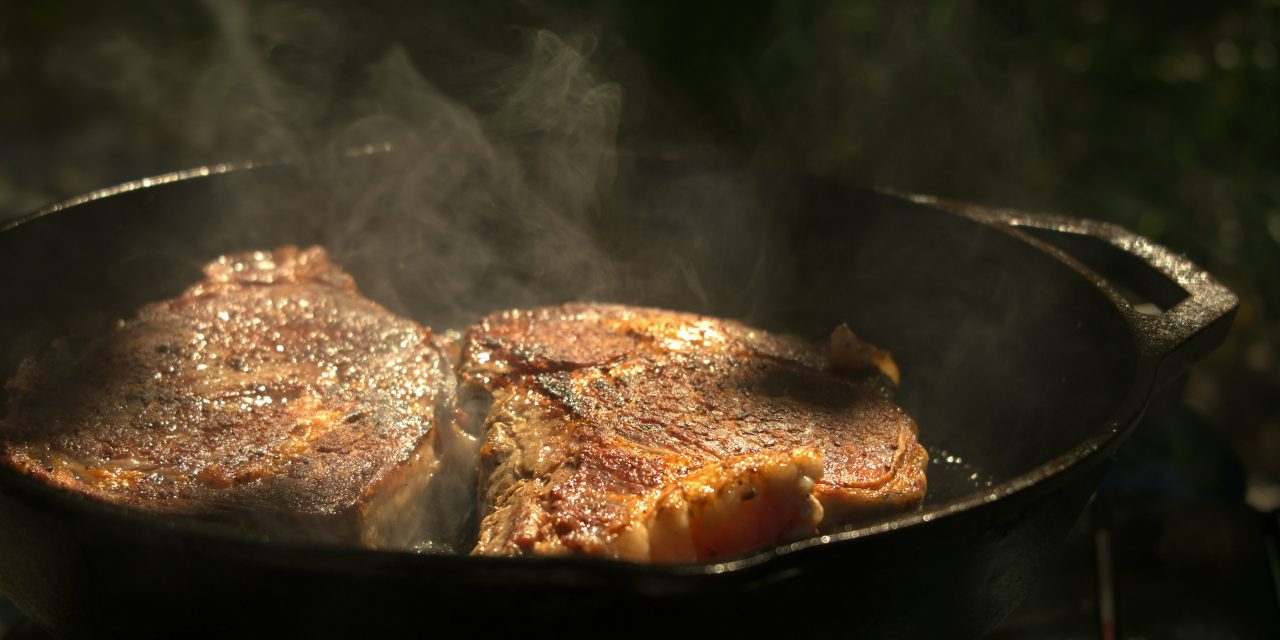
Searing is a critical step in steak preparation that enhances both flavor and texture. Once your steak is placed in the hot skillet, avoid moving it around; let it sear undisturbed for about 3-5 minutes depending on thickness. This allows the Maillard reaction to occur, which creates that desirable brown crust packed with flavor.
To achieve an even sear, ensure that your steak is dry before placing it in the skillet. Patting it down with paper towels removes excess moisture that can hinder browning. Additionally, consider using a meat thermometer to monitor internal temperature during this process; this will help you achieve your desired level of doneness without overcooking.
Flipping the Steak for Even Cooking
Flipping your steak at the right moment is crucial for even cooking and achieving optimal doneness. After allowing one side to sear for several minutes, use tongs to gently lift and flip the steak over. This action should be done carefully to maintain the integrity of the crust formed on the first side.
Once flipped, reduce heat slightly if necessary to prevent burning while allowing the interior to cook through. Depending on thickness and desired doneness, continue cooking for an additional 3-5 minutes on this side. Monitoring temperature with a meat thermometer will provide precise control over doneness levels—rare (120-125°F), medium-rare (130-135°F), medium (140-145°F), medium-well (150-155°F), and well-done (160°F and above).
Using Butter and Aromatics to Enhance Flavor
Incorporating butter and aromatics during the final stages of cooking can significantly enhance your steak’s flavor profile. Once both sides are seared, add a couple of tablespoons of unsalted butter along with aromatics such as garlic cloves, fresh thyme, or rosemary into the skillet. As the butter melts, use a spoon to baste the steak with this flavorful mixture.
Basting not only adds richness but also infuses the meat with aromatic flavors that elevate its taste. The combination of butter and herbs creates a luxurious finish that complements the natural beef flavors beautifully. Continue basting for about 1-2 minutes before removing from heat to allow all flavors to meld together.
Checking for Doneness: Temperature Tips
Accurate temperature measurement is essential for achieving your preferred level of doneness in steak preparation. Utilizing an instant-read meat thermometer provides precise readings without compromising juiciness by cutting into the meat prematurely. Insert the thermometer into the thickest part of the steak without touching bone or fat for an accurate reading.
For reference:
– Rare: 120-125°F
– Medium-Rare: 130-135°F
– Medium: 140-145°F
– Medium-Well: 150-155°F
– Well-Done: 160°F and above
Understanding these temperature ranges allows you to tailor your cooking process according to personal preferences while ensuring food safety standards are met.
Resting the Steak Before Serving
Resting is an often-overlooked step that plays a vital role in ensuring a juicy steak. After removing your cooked steak from the skillet, place it on a cutting board or plate and cover loosely with aluminum foil. Allow it to rest for at least 5-10 minutes; this period enables juices that have been driven toward the center during cooking to redistribute throughout the meat.
Failing to rest your steak can result in significant juice loss upon slicing, leading to dryness and diminished flavor. By allowing time for resting, you ensure each bite remains succulent and flavorful.
Slicing and Serving Your Perfect Steak
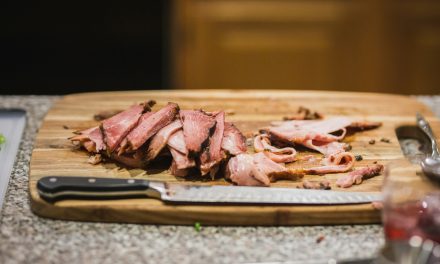
Slicing your steak correctly is essential for presentation and texture. Always slice against the grain; this means cutting perpendicular to the direction of muscle fibers. Doing so shortens those fibers, resulting in a more tender bite.
When serving, consider pairing your steak with complementary sides such as roasted vegetables or creamy mashed potatoes. A drizzle of pan juices or a dollop of herb butter can further enhance presentation while adding layers of flavor.
Cleaning and Maintaining Your Cast Iron Skillet
Proper care of your cast iron skillet ensures longevity and optimal performance over time. After cooking, allow your skillet to cool slightly before cleaning; avoid soaking it in water as this can lead to rusting. Instead, use hot water and a stiff brush or sponge to scrub away food particles.
For stubborn residue, consider using coarse salt as an abrasive scrubber along with a small amount of water. Once clean, dry thoroughly with a towel or by placing it on low heat on the stove until completely dry. To maintain seasoning, apply a thin layer of vegetable oil after cleaning; this helps prevent rust while keeping your skillet ready for future culinary endeavors.
In summary, mastering steak preparation involves careful selection of cuts, proper seasoning techniques, effective cooking methods using cast iron skillets, and attention to detail throughout each step—from searing to resting and serving. By following these guidelines diligently, you can create restaurant-quality steaks at home that are sure to impress family and friends alike.
FAQs
What type of steak is best for cooking in a cast iron skillet?
While many cuts of steak can be cooked in a cast iron skillet, popular choices include ribeye, sirloin, and filet mignon. These cuts have good marbling and tenderness, which allows them to cook evenly and develop a nice crust when seared in the skillet.
How do you prepare a steak before cooking it in a cast iron skillet?
Before cooking, it’s important to bring the steak to room temperature by letting it sit out for about 30 minutes. Season it generously with salt and pepper, or your preferred seasoning, to enhance the flavor. Pat the steak dry with paper towels to ensure a good sear.
What temperature should the cast iron skillet be before adding the steak?
The skillet should be preheated over medium-high heat until it is very hot, typically around 400°F to 450°F (204°C to 232°C). You can test the heat by adding a few drops of water; they should sizzle and evaporate almost immediately.
How long should you cook a steak in a cast iron skillet?
The cooking time will depend on the thickness of the steak and your desired level of doneness. Generally, for a 1-inch thick steak, cook for about 4-5 minutes on each side for medium-rare. Use a meat thermometer to check for doneness, aiming for 130°F (54°C) for medium-rare.
Should you use oil when cooking steak in a cast iron skillet?
Yes, it’s recommended to use a high smoke point oil, such as canola, grapeseed, or avocado oil, to prevent sticking and enhance the searing process. Add a tablespoon of oil to the skillet just before placing the steak in, ensuring it coats the bottom evenly.