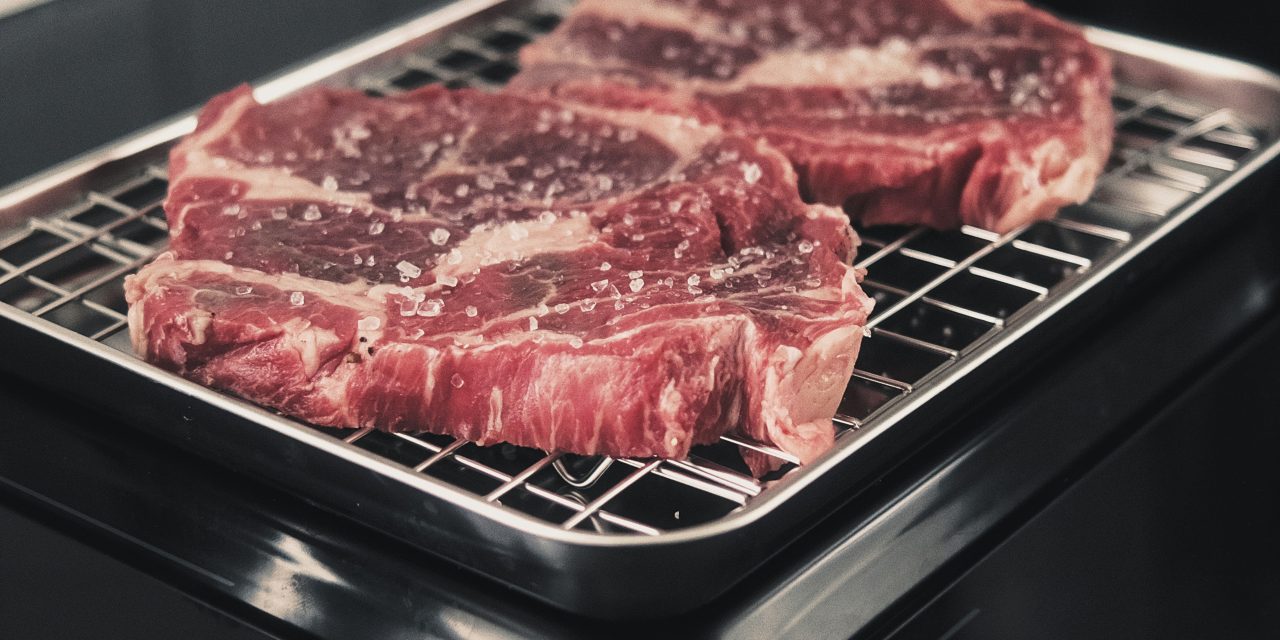
Selecting the perfect ribeye steak is crucial for achieving a delicious meal. Ribeye, known for its rich marbling and tenderness, is derived from the rib section of the cow. When choosing a ribeye, look for steaks that exhibit a generous amount of intramuscular fat, often referred to as marbling. This fat not only enhances flavor but also contributes to the juiciness of the meat during cooking. A well-marbled ribeye will have a creamy white fat interspersed throughout the red meat, indicating a higher quality cut.
Additionally, consider the thickness of the steak. A ribeye that is at least 1.5 inches thick is ideal for achieving a perfect sear while maintaining a juicy interior. The color of the meat should be a vibrant red, indicating freshness. Avoid steaks that appear dull or have excessive browning, as these may be past their prime. Lastly, if possible, opt for USDA Prime or Choice grades, as these classifications ensure superior quality and flavor.
If you’re looking to master the art of cooking ribeye steak in the oven, you might also be interested in exploring a variety of delicious vegetarian recipes to complement your meal. For a delightful culinary experience, check out this article on 10 delicious vegetarian recipes you need to try today. These recipes can serve as perfect side dishes or even standalone meals that cater to different dietary preferences, enhancing your overall dining experience.
Preparing Your Steak for Cooking
Preparation is key to maximizing the flavor and texture of your ribeye steak. Begin by removing the steak from the refrigerator and allowing it to come to room temperature for about 30 to 60 minutes before cooking. This step is essential as it promotes even cooking throughout the meat. Cold steaks can lead to uneven doneness, resulting in a chewy exterior and an undercooked interior.
Once the steak has reached room temperature, pat it dry with paper towels to remove excess moisture. This step is vital for achieving a good sear, as moisture can create steam and prevent browning. After drying, trim any excessive fat if desired, but be cautious not to remove too much, as this fat contributes to flavor during cooking. Finally, score the fat cap lightly with a knife to prevent curling during cooking, ensuring an even sear.
Preheating the Oven and Setting the Temperature

Preheating your oven is an essential step in preparing your ribeye steak, particularly if you plan to finish cooking it in the oven after searing. Set your oven to 400°F (204°C) to create an ideal environment for roasting the steak after it has been seared on the stovetop. This temperature allows for a perfect balance between achieving a crusty exterior and ensuring that the interior reaches your desired level of doneness.
While the oven preheats, ensure that your cast iron skillet is also ready for use. Place it on the stovetop over medium-high heat to allow it to become hot enough for searing. A properly heated skillet will create a Maillard reaction, which is responsible for developing that coveted crust on your ribeye steak. This reaction occurs when proteins and sugars in the meat react under high heat, resulting in complex flavors and aromas.
Seasoning Your Ribeye Steak

Seasoning is an integral part of preparing your ribeye steak, as it enhances the natural flavors of the meat. A simple yet effective approach is to use kosher salt and freshly cracked black pepper. Generously season both sides of the steak with salt at least 30 minutes before cooking; this allows the salt to penetrate the meat and enhance its flavor profile. The salt also helps to draw out moisture, which will later caramelize during cooking.
For those looking to elevate their seasoning game, consider adding garlic powder, onion powder, or smoked paprika for additional depth of flavor. Fresh herbs such as rosemary or thyme can also be used; simply chop them finely and mix them with your salt and pepper blend before applying it to the steak. Remember that seasoning should be balanced; too much can overpower the natural taste of the ribeye, while too little may leave it bland.
If you’re looking to master the art of cooking ribeye steak in the oven, you might find it helpful to explore techniques that enhance flavor and tenderness. For instance, understanding how to properly season and sear your steak can make a significant difference in the final result. Additionally, you may want to check out this informative article on removing ink stains, which, while seemingly unrelated, offers valuable tips on maintaining a clean cooking environment, ensuring that your culinary experience is as enjoyable as the meal itself.
Using a Cast Iron Skillet for Searing
A cast iron skillet is an excellent choice for searing ribeye steaks due to its ability to retain and distribute heat evenly. This type of cookware allows for high-temperature cooking without warping or losing heat quickly, making it ideal for achieving that perfect crust on your steak. Before placing your ribeye in the skillet, ensure that it is thoroughly preheated; you can test this by sprinkling a few drops of water into the pan—if they sizzle and evaporate immediately, your skillet is ready.
When using a cast iron skillet, consider adding a high smoke point oil such as canola or avocado oil to facilitate browning without burning. Swirl the oil around the pan until it shimmers before adding your seasoned ribeye steak. The goal is to create a beautiful golden-brown crust while locking in juices and flavors.
Searing the Steak on the Stovetop
Once your ribeye steak is placed in the hot cast iron skillet, resist the urge to move it around too much; allow it to sear undisturbed for about 4-5 minutes on one side. This undisturbed cooking allows for optimal browning and caramelization. After achieving a rich crust on one side, carefully flip the steak using tongs and sear the other side for an additional 4-5 minutes.
During this process, you may choose to add aromatics such as crushed garlic cloves or sprigs of fresh herbs like thyme or rosemary to infuse additional flavors into the meat. Basting with melted butter during the last minute of searing can also enhance richness and impart a luxurious finish to your ribeye steak.
Transferring the Steak to the Oven
After achieving a beautiful sear on both sides of your ribeye steak, it’s time to transfer it to the preheated oven for finishing. Carefully place the skillet directly into the oven—ensure you are using oven mitts as both the skillet and handle will be extremely hot. The oven will help cook the steak evenly throughout while allowing you to achieve your desired level of doneness without overcooking the exterior.
If you prefer a more controlled cooking environment, you can transfer the steak onto a baking sheet lined with aluminum foil or parchment paper instead of placing it directly in the skillet. This method allows for easier cleanup while still providing excellent results.
Cooking Time and Temperature Guidelines
Cooking times for ribeye steaks can vary based on thickness and desired doneness. As a general guideline, for a 1.5-inch thick ribeye cooked at 400°F (204°C), aim for approximately 6-8 minutes in the oven for medium-rare (130-135°F or 54-57°C) doneness. For medium (140-145°F or 60-63°C), extend cooking time by an additional 2-3 minutes.
It’s essential to monitor your steak closely during this phase; using a meat thermometer will provide accurate readings without cutting into the meat and losing precious juices. Insert the thermometer into the thickest part of the steak without touching bone or fat for precise results.
Checking for Doneness: Using a Meat Thermometer
A meat thermometer is an invaluable tool when cooking ribeye steaks, ensuring that you achieve your desired level of doneness without guesswork. For optimal results, insert the thermometer into the thickest part of the steak after transferring it to the oven. The following temperature guidelines will help you determine doneness:
– Rare: 120-125°F (49-52°C)
– Medium Rare: 130-135°F (54-57°C)
– Medium: 140-145°F (60-63°C)
– Medium Well: 150-155°F (65-68°C)
– Well Done: 160°F (71°C) and above
Once your steak reaches its target temperature, remove it from the oven immediately; residual heat will continue cooking it slightly even after being taken out.
Resting the Steak Before Serving
Resting is a critical step that should not be overlooked when preparing ribeye steaks. After removing from heat, allow your steak to rest on a cutting board or plate for at least 5-10 minutes before slicing into it. This resting period enables juices that have been driven toward the center during cooking to redistribute throughout the meat, resulting in a more flavorful and tender bite.
Covering your resting steak loosely with aluminum foil can help retain warmth without trapping steam that could make it soggy. Avoid cutting into your steak prematurely; doing so will result in lost juices and diminished flavor.
Serving Suggestions and Final Tips
When serving your perfectly cooked ribeye steak, consider pairing it with complementary sides such as roasted vegetables, creamy mashed potatoes, or a fresh garden salad drizzled with vinaigrette. A robust red wine like Cabernet Sauvignon or Malbec can enhance flavors beautifully while providing an elegant touch to your meal.
For added flair, consider garnishing with fresh herbs or compound butter made from softened butter mixed with herbs and spices of your choice—this adds richness and visual appeal to your dish. Remember that presentation matters; slice against the grain for tender pieces that are easy to chew.
In conclusion, mastering ribeye steak preparation involves careful selection, proper seasoning, precise cooking techniques, and thoughtful presentation. By following these steps diligently, you can create an unforgettable dining experience that showcases this exquisite cut of beef at its finest.
Summary: Choosing high-quality ribeye steaks involves selecting well-marbled cuts with vibrant color and appropriate thickness. Preparation includes bringing steaks to room temperature and seasoning effectively before searing in a hot cast iron skillet followed by oven finishing. Monitoring doneness with a meat thermometer ensures perfect results while resting allows juices to redistribute for optimal flavor upon serving alongside complementary sides and garnishes.
FAQs
What temperature should I preheat the oven to for cooking ribeye steak?
For cooking ribeye steak in the oven, you should preheat your oven to 400°F (204°C). This temperature allows for a good sear on the steak while ensuring it cooks evenly throughout.
How long should I cook ribeye steak in the oven?
The cooking time for ribeye steak in the oven typically ranges from 15 to 25 minutes, depending on the thickness of the steak and your desired level of doneness. A 1-inch thick steak usually takes about 15-20 minutes for medium-rare.
Should I sear the ribeye steak before putting it in the oven?
Yes, searing the ribeye steak in a hot skillet for 2-3 minutes on each side before transferring it to the oven enhances the flavor and creates a nice crust. This step is recommended for achieving a better texture and taste.
What internal temperature should ribeye steak reach for medium-rare?
For medium-rare ribeye steak, the internal temperature should reach 130-135°F (54-57°C). It’s advisable to use a meat thermometer to check the temperature accurately.
Do I need to let the ribeye steak rest after cooking?
Yes, allowing the ribeye steak to rest for about 5-10 minutes after cooking is important. This resting period helps the juices redistribute throughout the meat, resulting in a more flavorful and tender steak.