The reverse sear method has gained significant popularity among culinary enthusiasts and professional chefs alike for its ability to produce perfectly cooked steaks with a delectable crust. This technique involves cooking the steak at a low temperature in the oven before finishing it with a high-heat sear on the stovetop. The primary advantage of this method lies in its ability to achieve an even doneness throughout the meat, minimizing the risk of overcooking the exterior while ensuring that the interior reaches the desired temperature.
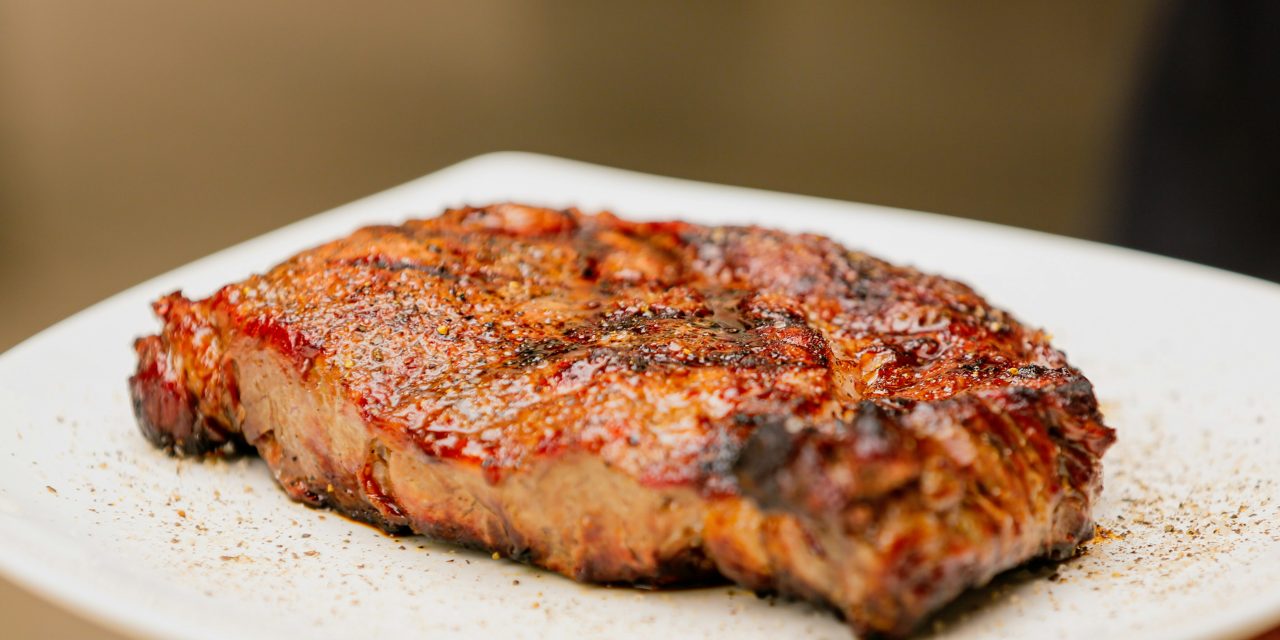
By starting with a low and slow cooking process, the reverse sear allows for better control over the final doneness of the steak. This method is particularly beneficial for thicker cuts, as it promotes a gradual rise in internal temperature, resulting in a tender and juicy steak. The final searing step not only enhances the flavor through the Maillard reaction but also creates an appealing crust that elevates the overall dining experience.
If you’re looking to enhance your culinary skills, mastering the reverse sear technique for thick steaks is essential. This method not only ensures a perfectly cooked interior but also creates a delicious crust on the outside. For those interested in expanding their cooking repertoire, you might find it helpful to explore related gardening tips, such as how to grow your own ingredients. Check out this informative article on 10 tips for growing bell peppers in containers successfully, which can inspire you to cultivate fresh produce to complement your steak dishes.
Choosing the Right Cut and Thickness
Selecting the appropriate cut of steak is crucial for achieving optimal results with the reverse sear method. Popular choices include ribeye, strip steak, filet mignon, and T-bone, each offering unique flavors and textures. Ribeye, known for its marbling, provides a rich taste and tenderness, while filet mignon is prized for its buttery texture. Strip steak offers a balance of flavor and tenderness, making it a versatile option.
Thickness plays a pivotal role in the success of this cooking technique. Ideally, steaks should be at least 1.5 to 2 inches thick to allow for sufficient time in the oven without overcooking. Thicker cuts retain moisture better during the cooking process, resulting in a juicier final product. When selecting your steak, look for cuts with good marbling and a bright red color, indicating freshness and quality.
Preparing Your Steak: Seasoning and Resting

Preparation is key to enhancing the flavor profile of your steak. Begin by seasoning generously with kosher salt and freshly cracked black pepper. Salt not only enhances flavor but also helps to draw moisture to the surface, creating a flavorful crust during the searing phase. For added complexity, consider incorporating garlic powder, onion powder, or smoked paprika into your seasoning blend.
Once seasoned, allow your steak to rest at room temperature for about 30 to 60 minutes before cooking. This resting period enables the meat to come to an even temperature, promoting more uniform cooking throughout. Additionally, resting allows the salt to penetrate deeper into the meat fibers, enhancing flavor and tenderness.
Setting Up Your Oven for Even Cooking

To achieve consistent results with the reverse sear method, proper oven setup is essential. Preheat your oven to a low temperature, typically between 225°F to 275°F (107°C to 135°C). This low heat allows for gentle cooking, ensuring that the steak cooks evenly without developing an undesirable crust prematurely.
Using an oven-safe wire rack placed on a baking sheet can further enhance airflow around the steak, promoting even cooking on all sides. This setup prevents moisture accumulation and allows for better heat distribution. Additionally, consider using a convection setting if available, as it circulates hot air throughout the oven, further ensuring uniform cooking.
If you’re looking to elevate your steak-cooking skills, you might find it helpful to explore techniques like reverse searing, which ensures a perfectly cooked thick steak with a delicious crust. For more tips on maximizing your kitchen efficiency, check out this article on smart ways to store seasonal clothes in small spaces, as it offers insights that can help you organize your cooking space better. A well-organized kitchen can make all the difference when you’re preparing a gourmet meal.
Monitoring Internal Temperature Accurately
Accurate monitoring of internal temperature is critical for achieving your desired level of doneness. Invest in a reliable meat thermometer or probe thermometer that can provide precise readings without opening the oven door frequently. For medium-rare steaks, aim for an internal temperature of approximately 125°F (52°C) before searing; for medium, target around 135°F (57°C).
Insert the thermometer into the thickest part of the steak to obtain an accurate reading. Keep in mind that the internal temperature will continue to rise slightly during the searing phase due to residual heat. Therefore, it is advisable to remove the steak from the oven when it is about 5°F (3°C) below your target temperature.
Timing the Oven Phase for Perfect Doneness
Timing is crucial when utilizing the reverse sear method. Depending on the thickness of your steak and your desired level of doneness, cooking times may vary significantly. Generally, steaks will require anywhere from 30 minutes to an hour in the oven.
For example, a 2-inch thick ribeye may take approximately 45 minutes at 250°F (121°C) to reach medium-rare doneness. To ensure accuracy, monitor internal temperatures closely rather than relying solely on time estimates. Once your steak reaches the desired temperature, promptly remove it from the oven and prepare for searing.
Selecting the Best Pan for Searing
The choice of pan can significantly impact the quality of your sear. A heavy-bottomed cast iron skillet or stainless steel pan is ideal for achieving high heat and excellent browning. These materials retain heat well and distribute it evenly across the surface of the pan.
Before adding your steak, preheat your pan over medium-high heat until it is smoking hot. This high temperature is essential for creating a flavorful crust through caramelization and browning reactions. Avoid overcrowding the pan; if cooking multiple steaks, sear them in batches to maintain optimal heat levels.
Achieving the Ideal Sear: Heat and Technique
To achieve that coveted crust on your steak, mastering searing technique is paramount. Once your pan is adequately heated, add a small amount of high smoke point oil such as canola or grapeseed oil to prevent sticking and enhance browning.
Place your steak in the pan without moving it for at least 1-2 minutes to allow for proper caramelization. After achieving a golden-brown crust on one side, flip it using tongs and sear the other side for an additional 1-2 minutes. For added flavor and richness, consider basting with butter during this phase by tilting the pan and spooning melted butter over the steak.
Using Butter, Herbs, and Aromatics to Enhance Flavor
Enhancing flavor during the searing process can elevate your steak from ordinary to extraordinary. Incorporating aromatics such as garlic cloves, fresh thyme, or rosemary into your basting butter can infuse rich flavors into the meat.
As you baste your steak with butter during searing, allow these aromatics to release their essential oils into the fat, creating a fragrant and flavorful coating on your steak. This technique not only enhances taste but also adds visual appeal when serving.
Resting the Steak After Searing
Resting is an often-overlooked step that is crucial for achieving optimal tenderness and juiciness in your steak. After searing, transfer your steak to a cutting board or plate and loosely tent it with aluminum foil. Allow it to rest for at least 5-10 minutes before slicing.
During this resting period, juices redistribute throughout the meat fibers, preventing them from spilling out when cut. This ensures that each bite remains moist and flavorful. Avoid cutting into your steak too soon; patience will reward you with a superior dining experience.
Serving Suggestions and Final Presentation Tips
When it comes to serving your perfectly cooked reverse-seared steak, presentation matters just as much as flavor. Consider slicing against the grain into thick slices to showcase its tenderness and juiciness. Arrange slices on a warm plate and garnish with fresh herbs or microgreens for an elegant touch.
Pair your steak with complementary sides such as roasted vegetables, creamy mashed potatoes, or a fresh arugula salad drizzled with balsamic vinaigrette. A well-chosen wine can elevate your meal further; consider a full-bodied red wine like Cabernet Sauvignon or Malbec that complements the richness of beef.
In conclusion, mastering the reverse sear method requires attention to detail at every stage—from selecting quality cuts of meat to perfecting seasoning and cooking techniques. By following these guidelines meticulously, you can achieve restaurant-quality steaks in your own kitchen that are sure to impress family and friends alike.
FAQs
What is the reverse sear method for cooking steak?
The reverse sear method involves cooking a thick steak slowly at a low temperature before finishing it with a high-heat sear. This technique allows for even cooking throughout the steak, resulting in a tender and juicy interior, followed by a flavorful crust on the outside.
What temperature should I cook the steak to before searing?
For a medium-rare steak, you should aim to cook the steak to an internal temperature of about 125°F (52°C) before searing. This allows the steak to reach the desired doneness after the searing process, which typically raises the temperature by about 5-10°F (3-5°C).
How long does it take to reverse sear a thick steak?
The total time for reverse searing a thick steak can vary based on the thickness of the steak and the cooking method used. Generally, it can take anywhere from 30 minutes to 1 hour to cook the steak at low temperature in the oven or on a grill, followed by an additional 2-5 minutes for searing on high heat.
What is the best way to sear the steak after cooking it low and slow?
The best way to sear the steak is to use a hot cast-iron skillet or grill. Preheat the skillet or grill until it is very hot, then add a small amount of oil with a high smoke point, such as canola or avocado oil. Sear the steak for 1-2 minutes on each side until a golden-brown crust forms.
Can I use the reverse sear method for other types of meat?
Yes, the reverse sear method can be used for other thick cuts of meat, such as pork chops, lamb chops, or even whole roasts. The key is to ensure that the meat is thick enough to benefit from the low-and-slow cooking followed by a high-heat sear for a flavorful crust.