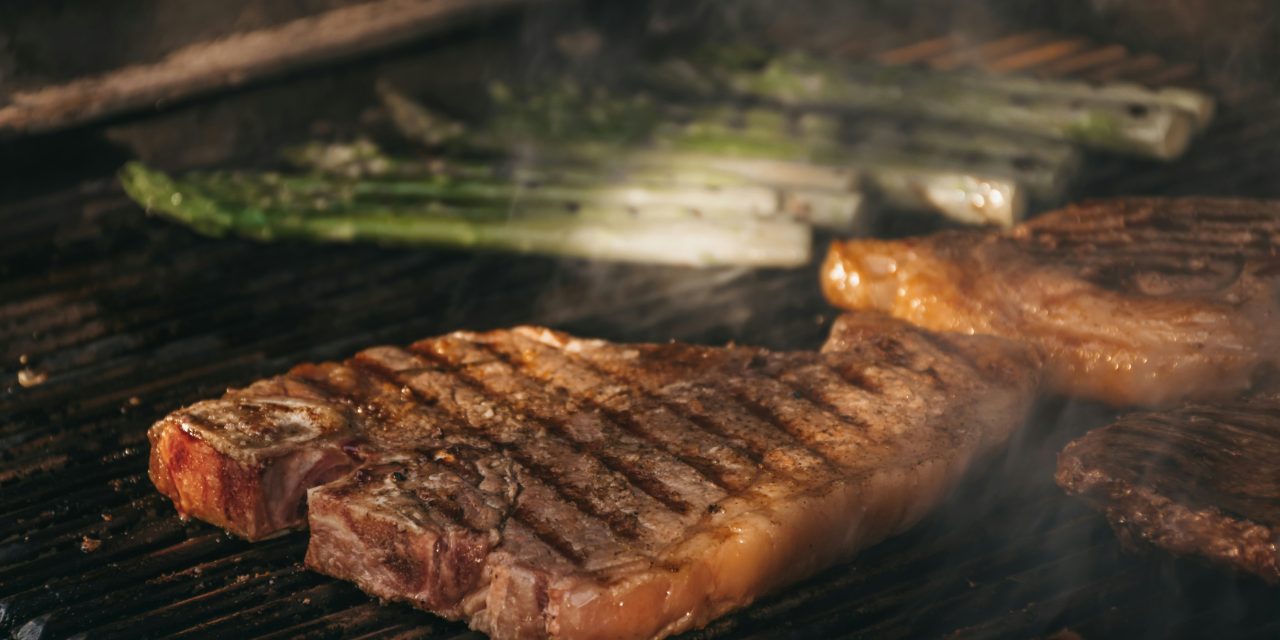
Achieving the perfect medium rare steak is an art form that combines culinary skill with an understanding of meat science. A medium rare steak is characterized by a warm, red center, typically cooked to an internal temperature of 130°F to 135°F (54°C to 57°C). This level of doneness allows the natural juices to remain intact, resulting in a tender and flavorful experience. The Maillard reaction, which occurs during the cooking process, creates a beautiful crust on the exterior while preserving the succulent qualities within.
To master this technique, one must appreciate the importance of meat quality and cut selection. The ideal steak should possess a good amount of marbling—intramuscular fat that enhances flavor and tenderness. Cuts such as ribeye, filet mignon, and New York strip are often favored for their rich taste and texture. Understanding the anatomy of beef and how different cuts respond to heat will significantly impact your grilling success.
When it comes to grilling the perfect steak, achieving a medium-rare finish is often the goal for many enthusiasts. To ensure you get it just right, it’s essential to monitor the cooking time closely. For a detailed guide on grilling steak to medium-rare perfection, you might find this article helpful. Additionally, if you’re interested in expanding your culinary skills, you can check out this related article on how to make fluffy omelets without overcooking them at How to Make Fluffy Omelets.
Choosing the Right Cut for Grilling
Selecting the appropriate cut of steak is crucial for achieving that perfect medium rare finish. Each cut has unique characteristics that influence flavor, tenderness, and cooking time. Ribeye steaks are renowned for their rich marbling and robust flavor, making them a popular choice among steak enthusiasts. The fat content in ribeyes not only enhances taste but also helps maintain moisture during cooking.
Filet mignon, on the other hand, is celebrated for its tenderness. This cut comes from the tenderloin and has minimal fat, resulting in a buttery texture that melts in your mouth. However, it may require careful attention to prevent overcooking due to its lower fat content. New York strip steaks offer a balance between flavor and tenderness, with a firmer texture than ribeye but still boasting sufficient marbling for a juicy bite.
Preparing Your Steak: Seasoning and Resting

Preparation is key to elevating your steak experience. Begin by seasoning your steak generously with kosher salt and freshly cracked black pepper. This simple yet effective seasoning enhances the natural flavors of the meat without overpowering it. For those looking to experiment, consider adding garlic powder, onion powder, or even fresh herbs like rosemary or thyme for an aromatic touch.
Once seasoned, allow your steak to rest at room temperature for about 30 minutes before grilling. This resting period is essential as it promotes even cooking throughout the meat. Cold steaks placed directly on a hot grill can lead to uneven doneness, with the exterior cooking faster than the interior. By bringing your steak to room temperature, you ensure a more consistent cooking process.
Preheating the Grill for Optimal Heat

Preheating your grill is a critical step that should not be overlooked. Whether using a gas or charcoal grill, achieving the right temperature is vital for searing the steak effectively. Aim for a grill temperature of around 450°F to 500°F (232°C to 260°C) for optimal results. This high heat allows for proper caramelization of the meat’s surface, creating that desirable crust while sealing in juices.
For gas grills, simply ignite the burners and let them heat up for about 10-15 minutes with the lid closed. If using charcoal, ensure that the coals are fully lit and covered with a layer of ash before placing the grate on top. A well-preheated grill not only enhances flavor but also reduces sticking, making it easier to achieve those perfect grill marks.
When it comes to grilling the perfect steak, achieving that ideal medium rare doneness can be a bit of an art. For those looking to refine their grilling skills, it’s essential to know the right cooking times and techniques. If you’re interested in learning more about the nuances of grilling steak, you might find this article on emergency veterinary hospitals helpful, as it emphasizes the importance of being prepared for any situation, including cooking mishaps. Check it out for some insightful tips here.
Timing is Key: Cooking 4-5 Minutes Each Side
Timing plays a pivotal role in achieving medium rare perfection. For most cuts of steak, a cooking time of approximately 4-5 minutes per side will yield an internal temperature within the desired range. However, this can vary based on thickness; thicker cuts may require additional time while thinner cuts may cook faster.
To ensure accuracy, use an instant-read meat thermometer to monitor internal temperature without cutting into the steak. Insert the thermometer into the thickest part of the meat, avoiding contact with bone or fat for an accurate reading. Remember that carryover cooking will occur after removing the steak from the grill; it can rise by an additional 5°F (2°C) during resting.
When it comes to handling your steak on the grill, using the right tools can make all the difference. Tongs are preferred over forks for flipping and moving steaks because they allow you to grip without piercing the meat. Piercing can cause valuable juices to escape, leading to a drier final product.
Investing in high-quality stainless steel tongs with a good grip will enhance your grilling experience. Look for tongs that are long enough to keep your hands away from heat while providing excellent control over your steak’s movement on the grill.
Checking Doneness Without Cutting
Determining doneness without cutting into your steak is essential for maintaining its juiciness and presentation. One effective method is the touch test: gently press the center of the steak with your finger or tongs. A medium rare steak will feel slightly firm yet springy to the touch, similar to pressing the fleshy part of your palm beneath your thumb when your hand is relaxed.
Another reliable method is using an instant-read thermometer as previously mentioned. Insert it into the thickest part of the steak to check for an internal temperature between 130°F and 135°F (54°C to 57°C). This ensures you achieve that perfect medium rare without compromising the integrity of your beautifully grilled steak.
Resting Your Steak After Grilling
Resting is a crucial step that many overlook in their quest for grilling perfection. After removing your steak from the grill, allow it to rest on a cutting board or plate for at least 5-10 minutes before slicing into it. This resting period enables juices that have been driven toward the center during cooking to redistribute throughout the meat.
Failing to rest your steak can result in a loss of moisture when cut, leading to a less enjoyable eating experience. Covering your resting steak loosely with aluminum foil can help retain warmth while allowing steam to escape, preventing overcooking.
Enhancing Flavor with Finishing Touches
To elevate your perfectly grilled medium rare steak further, consider adding finishing touches that enhance flavor and presentation. A pat of herb-infused butter placed atop the hot steak just before serving can melt into a luscious sauce that complements its richness. Alternatively, drizzle with high-quality olive oil or balsamic reduction for added depth.
Fresh herbs such as parsley or chives can provide a pop of color and freshness when sprinkled over your plated steak. Additionally, consider serving with sides like grilled vegetables or creamy mashed potatoes that harmonize with the robust flavors of beef.
Common Mistakes to Avoid When Grilling Medium Rare
Grilling medium rare steaks can be straightforward if you avoid common pitfalls that can lead to disappointment. One frequent mistake is not allowing steaks to come to room temperature before grilling; this can result in uneven cooking and a less desirable texture.
Another common error is overcrowding the grill surface; placing too many steaks at once can lower grill temperature and lead to steaming rather than searing. Additionally, avoid excessive flipping; let your steak develop a crust before turning it over.
Lastly, neglecting to use a thermometer can lead to overcooked or undercooked steaks—investing in this tool will ensure consistent results every time.
Serving Suggestions for Your Perfectly Grilled Steak
Once you’ve achieved grilling perfection with your medium rare steak, consider how best to serve it for maximum enjoyment. Pairing your steak with complementary sides can elevate your meal significantly; classic accompaniments include roasted asparagus or sautéed mushrooms drizzled with garlic butter.
For those looking to add a gourmet touch, consider serving alongside a rich red wine reduction sauce or chimichurri—a vibrant herb sauce that adds brightness and acidity to balance out the richness of beef.
In conclusion, mastering the art of grilling a perfect medium rare steak involves understanding various factors from cut selection and preparation techniques to timing and resting methods. By following these guidelines and avoiding common mistakes, you can create an unforgettable dining experience that showcases both skill and flavor.
In summary, achieving a perfect medium rare steak requires attention to detail in every step—from selecting quality cuts and seasoning appropriately to mastering grilling techniques and allowing for proper resting time post-cooking. With practice and patience, anyone can enjoy this culinary delight at home while impressing family and friends alike.
FAQs
What is the ideal internal temperature for medium rare steak?
The ideal internal temperature for a medium rare steak is 130-135°F (54-57°C). This temperature ensures that the steak is warm and juicy while still retaining a pink center.
How long should I grill a steak for medium rare?
The grilling time for a medium rare steak typically ranges from 4 to 5 minutes per side, depending on the thickness of the steak and the heat of the grill. A thicker steak may require a bit more time, while a thinner cut may cook faster.
Should I let the steak rest after grilling?
Yes, it is recommended to let the steak rest for about 5 to 10 minutes after grilling. This allows the juices to redistribute throughout the meat, resulting in a more flavorful and tender steak.
What type of steak is best for grilling medium rare?
Popular cuts for grilling medium rare include ribeye, sirloin, filet mignon, and T-bone steaks. These cuts are well-marbled and tender, making them ideal for achieving the perfect medium rare doneness.
How can I check if my steak is medium rare without a thermometer?
You can check for medium rare doneness by using the touch test. Gently press the center of the steak with your finger; it should feel soft and springy, similar to the fleshy part of your hand below your thumb when your hand is relaxed.