In the realm of automotive safety and maintenance, car warning lights serve as critical indicators of a vehicle’s operational status. These illuminated symbols on the dashboard are designed to alert drivers to potential issues that may require immediate attention or ongoing monitoring. Understanding these warning lights is essential for maintaining vehicle integrity and ensuring the safety of both the driver and passengers. With the advancement of automotive technology, modern vehicles are equipped with sophisticated diagnostic systems that can detect a myriad of problems, ranging from minor malfunctions to severe mechanical failures.
The dashboard serves as the nerve center for a vehicle’s operational health, providing real-time feedback on various systems. Each warning light has a specific meaning, often represented by universally recognized symbols. Familiarity with these indicators can empower drivers to take proactive measures, potentially preventing costly repairs and enhancing overall road safety. This article delves into the significance of car warning lights, focusing particularly on the triangle symbol with an exclamation mark, its implications, and the necessary actions to take when it appears.
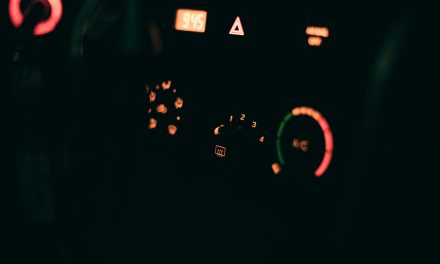
If you’ve ever noticed a triangle with an exclamation mark illuminated on your car’s dashboard, you might be wondering what it signifies. This warning symbol typically indicates a general alert, often related to the vehicle’s safety or maintenance systems. For more insights on how to handle various car-related issues, you can check out this informative article on removing fabric softener stains from clothes, which, while not directly related, offers valuable tips for maintaining your belongings: How to Remove Fabric Softener Stains from Clothes.
Understanding the Importance of Dashboard Symbols
Dashboard symbols are not merely decorative; they are vital communication tools between the vehicle and its operator. Each symbol conveys critical information regarding the vehicle’s performance, safety features, and maintenance needs. Ignoring these indicators can lead to severe consequences, including accidents, breakdowns, or extensive damage to the vehicle’s systems. Therefore, understanding these symbols is paramount for any responsible driver.
The importance of these symbols extends beyond mere awareness; they also play a crucial role in preventive maintenance. By recognizing warning lights early, drivers can address issues before they escalate into more significant problems. For instance, a simple oil pressure warning light could indicate low oil levels or a failing oil pump. Addressing such warnings promptly can save drivers from costly repairs and ensure their vehicle operates efficiently.
Overview of Common Car Warning Lights

Car manufacturers utilize a standardized set of symbols to convey information about various systems within the vehicle. Some of the most common warning lights include:
1. **Check Engine Light**: This light indicates that the engine control unit has detected an issue within the engine or emissions system.
2. **Oil Pressure Warning**: This symbol alerts drivers to low oil pressure, which could lead to engine damage if not addressed.
3. **Battery Warning Light**: This light signifies potential issues with the vehicle’s charging system or battery.
4. **Brake Warning Light**: This indicator may signal low brake fluid levels or issues with the braking system.
5. **Tire Pressure Monitoring System (TPMS)**: This light alerts drivers when tire pressure is below recommended levels.
Each of these symbols serves a unique purpose and requires specific attention from the driver. Understanding their meanings can significantly enhance vehicle safety and performance.
What Does a Triangle with an Exclamation Mark Mean?

The triangle with an exclamation mark is a universal warning symbol that signifies a general alert condition within the vehicle. This symbol often indicates that there is a problem that requires immediate attention but does not specify the exact nature of the issue. It may be associated with various systems, including traction control, stability control, or other safety features.
When this warning light illuminates, it is essential for drivers to remain vigilant and assess their driving conditions. The triangle symbol may also indicate that certain safety features are disabled or malfunctioning, which could compromise vehicle stability and control. Therefore, understanding its implications is crucial for maintaining safe driving practices.
If you’ve ever seen a triangle with an exclamation mark on your car’s dashboard, you might be wondering what it signifies. This warning light typically indicates a general alert, suggesting that there may be an issue that requires your attention, such as low tire pressure or a problem with the engine. For more insights on how to care for your vehicle and ensure it runs smoothly, you can check out this informative article on top cat boarding facilities which, while focused on pets, emphasizes the importance of being attentive to your responsibilities, whether they involve furry friends or your car.
The Significance of the Triangle Warning Light in Different Car Models
The interpretation of the triangle warning light can vary significantly across different car models and manufacturers. While it generally indicates a cautionary alert, the specific systems it relates to may differ based on the vehicle’s design and technology. For instance, in some vehicles, this symbol may be linked to advanced driver-assistance systems (ADAS), while in others, it may pertain to traction control or anti-lock braking systems (ABS).
Understanding how your specific vehicle interprets this warning light is essential for effective troubleshooting. Consulting the owner’s manual can provide valuable insights into what this symbol signifies for your particular model and what actions should be taken in response.
Immediate Actions to Take When the Triangle Warning Light Appears
Upon noticing the triangle warning light on your dashboard, it is crucial to take immediate action to ensure safety and prevent further complications. Here are some steps to follow:
1. **Assess Driving Conditions**: Evaluate your current driving environment. If you are on a busy road or highway, proceed with caution while looking for a safe place to pull over.
2. **Check for Other Warning Lights**: Look for additional warning lights that may provide more context regarding the issue at hand.
3. **Reduce Speed**: If possible, reduce your speed and maintain control of your vehicle while seeking a safe location to stop.
4. **Consult Your Owner’s Manual**: Refer to your vehicle’s owner’s manual for specific guidance related to the triangle warning light and recommended actions.
Taking these steps can help mitigate risks associated with potential vehicle malfunctions.
How to Diagnose the Cause Behind the Triangle Warning Light
Diagnosing the cause behind the triangle warning light requires a systematic approach. Here are some methods to consider:
1. **Use an OBD-II Scanner**: An On-Board Diagnostics II (OBD-II) scanner can read diagnostic trouble codes (DTCs) stored in your vehicle’s computer system. These codes can provide insights into what triggered the warning light.
2. **Visual Inspection**: Conduct a thorough visual inspection of critical components such as tires, brakes, and fluid levels. Look for any obvious signs of wear or damage.
3. **Monitor Vehicle Performance**: Pay attention to how your vehicle behaves while driving. Any unusual sounds, vibrations, or handling issues may provide clues about underlying problems.
4. **Consult a Professional Mechanic**: If you are unable to determine the cause of the warning light through self-diagnosis, seeking assistance from a qualified mechanic is advisable.
By employing these diagnostic methods, you can identify potential issues and take appropriate corrective actions.
Other Warning Lights Often Confused with the Triangle Symbol
While the triangle with an exclamation mark serves as a general alert symbol, several other warning lights may be confused with it due to their similar shapes or colors. Some of these include:
1. **ABS Warning Light**: This symbol indicates an issue with the anti-lock braking system and may appear as a circle with “ABS” inside.
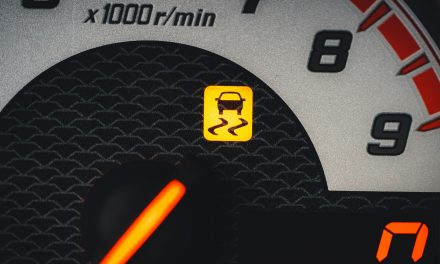
2. **Traction Control Light**: Often depicted as a car with squiggly lines behind it, this light indicates that traction control is active or malfunctioning.
3. **Stability Control Light**: Similar in appearance to the traction control light but often includes an icon of a car losing traction.
Understanding these distinctions is vital for accurate interpretation of dashboard warnings and ensuring timely responses.
Preventative Maintenance to Avoid Warning Light Alerts
Preventative maintenance plays a crucial role in minimizing the occurrence of warning lights on your dashboard. Here are some effective strategies:
1. **Regular Oil Changes**: Adhering to recommended oil change intervals helps maintain engine health and prevents oil-related warning lights from illuminating.
2. **Tire Maintenance**: Regularly check tire pressure and tread depth to avoid TPMS alerts and ensure optimal handling.
3. **Brake Inspections**: Periodically inspect brake pads and fluid levels to prevent brake-related warning lights from appearing.
4. **Battery Checks**: Regularly test your battery’s health and connections to avoid battery warning lights.
By implementing these preventative measures, drivers can significantly reduce the likelihood of encountering dashboard alerts.
When to Seek Professional Help for Warning Light Issues
While some warning lights may indicate minor issues that can be addressed at home, others require professional intervention. It is advisable to seek help from a qualified mechanic in situations such as:
1. **Persistent Warning Lights**: If a warning light remains illuminated after addressing potential issues, professional diagnostics may be necessary.
2. **Multiple Warning Lights**: The simultaneous illumination of multiple warning lights often indicates more complex problems that require expert analysis.
3. **Unusual Vehicle Behavior**: If your vehicle exhibits strange noises, vibrations, or handling issues alongside warning lights, immediate professional evaluation is warranted.
Recognizing when to seek professional assistance can prevent further damage and ensure safe operation.
Staying Safe by Understanding Your Car’s Warning Lights
In conclusion, understanding car warning lights is essential for maintaining vehicle safety and performance. The triangle symbol with an exclamation mark serves as a critical alert that requires immediate attention but varies in meaning across different models. By familiarizing oneself with dashboard symbols and taking proactive measures in response to warnings, drivers can enhance their safety on the road while minimizing repair costs.
Regular maintenance practices and timely diagnostics play pivotal roles in preventing warning light alerts from becoming serious issues. Ultimately, staying informed about your vehicle’s operational status empowers you as a driver and contributes significantly to road safety for all users.
In summary, being proactive about understanding car warning lights not only enhances personal safety but also extends the lifespan of your vehicle through timely interventions and maintenance practices.
FAQs
What does a triangle with an exclamation mark indicate in a car?
A triangle with an exclamation mark typically indicates a warning or alert related to the vehicle’s systems. It serves as a general warning light that something requires attention, but it does not specify the exact issue.
What should I do if I see the triangle with an exclamation mark light up?
If you see this warning light, it is advisable to check your vehicle’s dashboard for any additional warning lights or messages that may provide more specific information. If necessary, consult the owner’s manual or seek assistance from a qualified mechanic.
Can the triangle with an exclamation mark indicate low tire pressure?
Yes, in some vehicles, the triangle with an exclamation mark can indicate low tire pressure. It is important to check your tire pressure and inflate them to the recommended levels if needed.
Is the triangle with an exclamation mark the same as the check engine light?
No, the triangle with an exclamation mark is not the same as the check engine light. The check engine light specifically indicates issues with the engine or emissions system, while the triangle serves as a general warning for various potential problems.
How can I reset the triangle with an exclamation mark warning light?
Resetting the triangle with an exclamation mark warning light typically involves addressing the underlying issue that triggered it. Once the problem is resolved, the light may turn off automatically. In some cases, you may need to disconnect the battery or use an OBD-II scanner to reset the warning light.