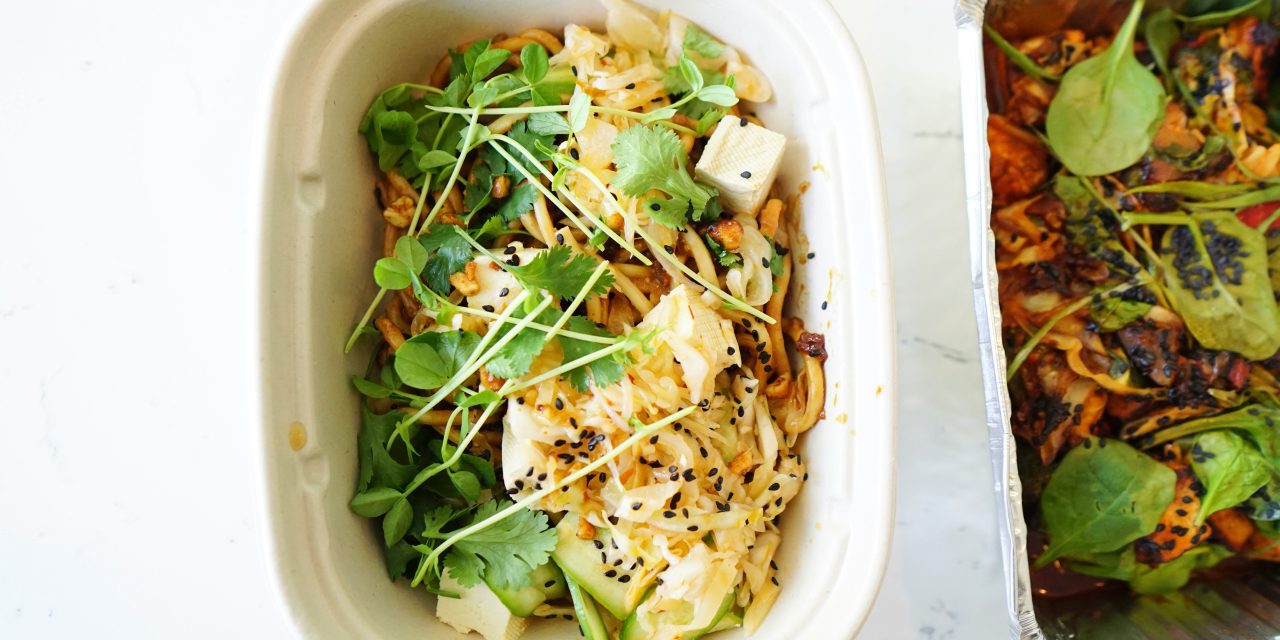
Meal planning is an essential strategy for maintaining a balanced diet and ensuring nutritional needs are met. By dedicating time to plan meals for the week, individuals can make informed choices about their food intake, which can lead to improved health outcomes. This proactive approach allows for the incorporation of a variety of food groups, ensuring that meals are not only nutritious but also enjoyable. Planning meals ahead of time can significantly reduce the likelihood of impulsive eating, which often leads to unhealthy choices.
When planning meals, it is beneficial to consider dietary preferences and restrictions, as well as seasonal ingredients that may enhance flavor and nutrition. Utilizing a calendar or meal-planning app can streamline this process, allowing for easy adjustments as needed. Additionally, planning meals can help in budgeting, as it encourages the purchase of only necessary ingredients, minimizing food waste and saving money in the long run.
Meal prepping for one person can be a great way to save time and ensure you have healthy meals ready to go. To enhance your meal prep experience, it’s essential to consider food safety practices that can keep your meals fresh and safe to eat. For more information on this topic, check out this informative article on the top food safety practices every home cook should follow: Top 10 Food Safety Practices. By combining effective meal prep techniques with proper food safety measures, you can enjoy delicious and safe meals throughout the week.
Keep a Simple Grocery List
A well-structured grocery list is a cornerstone of effective meal preparation. By keeping the list simple and organized, individuals can navigate the grocery store efficiently, reducing the time spent shopping and minimizing distractions that may lead to impulse purchases. A categorized list—divided into sections such as produce, dairy, grains, and proteins—can facilitate a quicker shopping experience and ensure that all necessary items are acquired.
Moreover, maintaining a grocery list encourages mindfulness about food choices. It allows individuals to focus on whole foods and nutrient-dense options rather than processed items that may be less beneficial to health. Regularly updating the list based on meal plans and pantry inventory can also prevent overbuying and ensure that ingredients remain fresh and usable.
Choose Versatile Ingredients

Selecting versatile ingredients is crucial for creating a diverse range of meals without overwhelming complexity. Ingredients such as quinoa, brown rice, lentils, chicken breast, and seasonal vegetables can serve as foundational components for various dishes. These staples can be prepared in multiple ways—grilled, roasted, sautéed, or incorporated into soups and salads—allowing for creativity in the kitchen while maintaining nutritional integrity.
Incorporating versatile ingredients not only simplifies meal preparation but also enhances culinary skills. Experimenting with different spices and cooking methods can transform basic ingredients into exciting meals. This adaptability is particularly beneficial for those with busy lifestyles, as it allows for quick adjustments based on time constraints or ingredient availability.
Batch Cook Staples Like Grains and Proteins

Batch cooking is an efficient method for preparing staple foods in advance, saving time during busy weekdays. Cooking large quantities of grains such as brown rice or quinoa, along with proteins like chicken or beans, can provide a solid foundation for numerous meals throughout the week. By preparing these staples in bulk, individuals can easily assemble balanced plates without the need for extensive cooking each day.
Additionally, batch cooking promotes portion control and reduces food waste. Leftovers can be stored in appropriate containers and utilized in various recipes, ensuring that no food goes to waste while providing convenient meal options. This practice not only supports healthy eating habits but also fosters a sense of accomplishment in meal preparation.
If you’re looking to simplify your cooking routine and make healthy eating more manageable, meal prepping for one person can be a game changer. By planning your meals in advance, you can save time and reduce food waste while ensuring you have nutritious options ready to go. For additional tips on how to get started with meal prepping, you might find this article on creating a beautiful native plant garden helpful, as it emphasizes the importance of planning and organization, which are key elements in both gardening and meal preparation.
Use Portion-Control Containers
Portion control is a vital aspect of maintaining a healthy diet and managing weight effectively. Utilizing portion-control containers can aid individuals in understanding serving sizes and preventing overeating. These containers are designed to hold specific amounts of food, making it easier to adhere to recommended dietary guidelines.
By measuring out portions ahead of time, individuals can create balanced meals that align with their nutritional goals. This practice also simplifies meal prep by allowing for easy grab-and-go options during busy days. Furthermore, portion-control containers can help in tracking caloric intake, which is particularly beneficial for those looking to lose weight or maintain a healthy lifestyle.
If you’re looking to streamline your cooking routine, you might find it helpful to explore some tips on how to meal prep for one person. This approach not only saves time but also minimizes food waste, making it a practical choice for solo diners. For more insights on this topic, check out this informative article on meal prepping for one, which offers a variety of strategies and recipes tailored specifically for individuals. By incorporating these techniques, you can enjoy delicious meals throughout the week without the hassle of daily cooking.
Prep Ingredients Separately for Flexibility
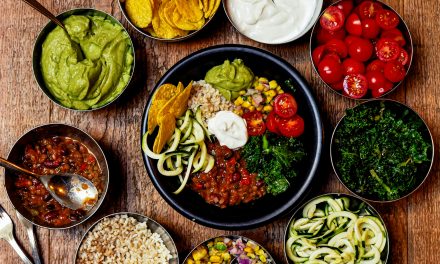
Preparing ingredients separately offers unparalleled flexibility when it comes to meal assembly. By chopping vegetables, marinating proteins, or cooking grains in advance, individuals can mix and match components to create diverse meals throughout the week. This approach not only saves time but also allows for spontaneous culinary creativity based on cravings or dietary needs.
Separately prepped ingredients can be stored in clear containers in the refrigerator, making it easy to visualize available options. This method encourages experimentation with flavors and textures while ensuring that meals remain fresh and appealing. Additionally, having prepped ingredients on hand can reduce the temptation to resort to unhealthy convenience foods when time is limited.
Invest in Quality Storage Solutions
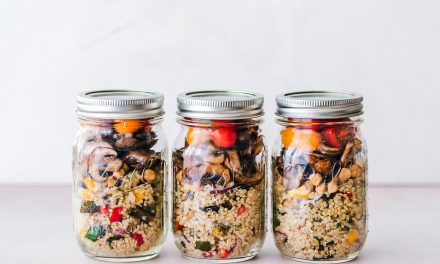
Quality storage solutions are essential for maintaining the freshness and longevity of prepped ingredients and cooked meals. Investing in airtight containers made from durable materials can prevent spoilage and keep food safe for consumption over extended periods. Glass containers are particularly advantageous as they are microwave-safe and do not retain odors or stains from previous meals.
Proper labeling of containers with dates and contents can further enhance organization within the refrigerator or freezer. This practice ensures that older items are consumed first, reducing waste and promoting food safety. By prioritizing quality storage solutions, individuals can maximize their meal prep efforts while minimizing the risk of foodborne illnesses.
Utilize One-Pot or Sheet Pan Recipes
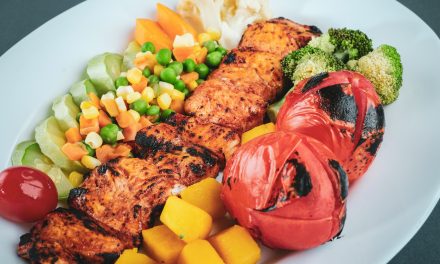
One-pot or sheet pan recipes are a game-changer for those seeking simplicity in meal preparation without sacrificing flavor or nutrition. These cooking methods allow for multiple ingredients to be cooked simultaneously, reducing cleanup time while maximizing taste. For instance, a sheet pan dinner featuring seasoned chicken thighs alongside an array of colorful vegetables can yield a satisfying meal with minimal effort.
These recipes often require fewer cooking utensils and can be easily adapted based on available ingredients or dietary preferences. The convenience of one-pot meals also makes them ideal for busy families or individuals who may not have extensive culinary experience but still wish to enjoy wholesome home-cooked dishes.
Incorporate Ready-to-Eat Vegetables
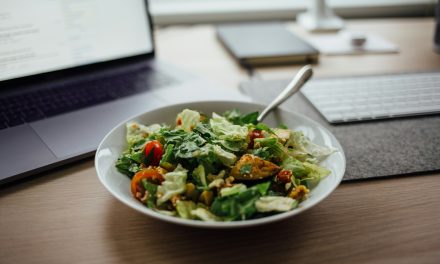
Incorporating ready-to-eat vegetables into meal prep can significantly enhance nutritional intake while saving time during busy weeks. Pre-washed salad greens, baby carrots, or sliced bell peppers are excellent options that require minimal preparation yet provide essential vitamins and minerals. These vegetables can be easily added to salads, wraps, or stir-fries for an instant nutritional boost.
Utilizing ready-to-eat vegetables also encourages healthier snacking habits. Having convenient options readily available can deter individuals from reaching for less nutritious snacks when hunger strikes. By prioritizing these vegetables in meal prep routines, individuals can effortlessly increase their daily vegetable consumption.
Schedule Weekly Meal Prep Sessions
Establishing a dedicated time each week for meal prep can transform the way individuals approach their dietary habits. Scheduling these sessions allows for focused preparation without distractions, ensuring that all necessary tasks are completed efficiently. Whether it’s Sunday afternoons or weekday evenings, consistency is key to making meal prep a sustainable practice.
During these sessions, individuals can engage in various activities such as cooking grains, marinating proteins, chopping vegetables, and assembling meals into containers. This structured approach not only streamlines the cooking process but also fosters a sense of accomplishment as individuals witness their efforts translate into healthy meals ready for the week ahead.
Mix and Match Meals for Variety Throughout the Week
To prevent monotony in meal planning, mixing and matching components from prepped ingredients can create exciting variations throughout the week. For example, grilled chicken served with quinoa one day can be transformed into a hearty salad with leafy greens and vinaigrette the next day. This flexibility allows individuals to enjoy diverse flavors while utilizing similar ingredients.
Incorporating different sauces or spices can further enhance variety without requiring extensive additional preparation. By embracing this approach, individuals can maintain enthusiasm for their meals while adhering to their nutritional goals.
In summary, effective meal planning involves several strategic practices that promote healthy eating habits while simplifying the cooking process. From planning meals ahead of time to investing in quality storage solutions, each step contributes to a more organized and enjoyable culinary experience. By incorporating versatile ingredients and utilizing batch cooking techniques, individuals can create diverse meals that cater to their dietary preferences while minimizing waste and maximizing nutrition.
FAQs
What is meal prepping for one person?
Meal prepping for one person involves planning and preparing meals in advance to ensure that you have healthy, ready-to-eat options throughout the week. This practice helps save time, reduce food waste, and maintain a balanced diet by allowing you to control portion sizes and ingredients.
How do I start meal prepping for one person?
To start meal prepping for one person, begin by planning your meals for the week. Choose recipes that are easy to prepare and can be stored well. Create a shopping list based on your meal plan, then cook and portion out your meals into individual containers. Label the containers with dates to keep track of freshness.
What containers are best for meal prepping?
The best containers for meal prepping are those that are airtight, microwave-safe, and easy to stack. Glass containers are a popular choice as they are durable and do not retain odors. BPA-free plastic containers are also a good option, especially for on-the-go meals. Ensure that the containers are appropriately sized for single servings.
How long can I store meal prepped food?
Meal prepped food can typically be stored in the refrigerator for 3 to 5 days, depending on the ingredients used. For longer storage, consider freezing meals, which can last for up to 3 months. Always check for signs of spoilage before consuming stored meals.
What types of meals are best for meal prepping?
Meals that are best for meal prepping include those that reheat well and maintain their texture and flavor. Examples include grain bowls, stir-fries, soups, stews, and casseroles. Incorporating a variety of proteins, vegetables, and whole grains can help keep your meals interesting and nutritious.