In today’s fast-paced world, the convenience of meal preparation has become increasingly important. Freezing homemade meals offers a plethora of benefits that cater to busy lifestyles while promoting healthier eating habits. One of the most significant advantages is the time-saving aspect; preparing meals in bulk and freezing them allows individuals to enjoy home-cooked dishes without the daily hassle of cooking. This practice not only reduces the frequency of takeout and processed foods but also ensures that families consume nutritious meals tailored to their dietary preferences.
Moreover, freezing meals can lead to substantial cost savings. By purchasing ingredients in bulk and preparing large quantities, individuals can minimize food waste and take advantage of seasonal produce or sales. Additionally, having a well-stocked freezer can alleviate the stress of last-minute meal planning, providing a reliable solution for busy weeknights or unexpected guests. The ability to control portion sizes also contributes to healthier eating habits, as individuals can manage their caloric intake more effectively.
If you’re looking to streamline your meal prep and make weeknight dinners easier, you might find it helpful to read about how to freeze individual portions of homemade meals. This method not only saves time but also helps in managing portion sizes effectively. For more tips on maintaining a clean and happy environment for your pets while you cook, check out this related article on cat grooming: 10 Tips for Excessive Cat Grooming: Keep Your Kitty Clean & Happy.
How to Choose Recipes Ideal for Freezing
Selecting the right recipes for freezing is crucial to ensure that meals maintain their flavor and texture after thawing. Ideally, recipes should be hearty and robust, containing ingredients that freeze well. Dishes with high moisture content, such as soups and stews, are excellent candidates for freezing, as they tend to retain their quality better than delicate items like salads or fried foods. Additionally, recipes that can be easily portioned into individual servings are preferable, allowing for convenient reheating.
When choosing recipes, consider those that incorporate ingredients known for their freezing capabilities. For instance, vegetables such as carrots, peas, and bell peppers freeze well and can enhance the nutritional value of meals. Proteins like chicken, beef, and legumes also hold up nicely in the freezer. Furthermore, it is essential to avoid recipes that contain dairy products or sauces that may separate upon thawing. Instead, opt for dishes where dairy can be added fresh during reheating for optimal flavor.
Essential Tips for Portioning Meals Individually

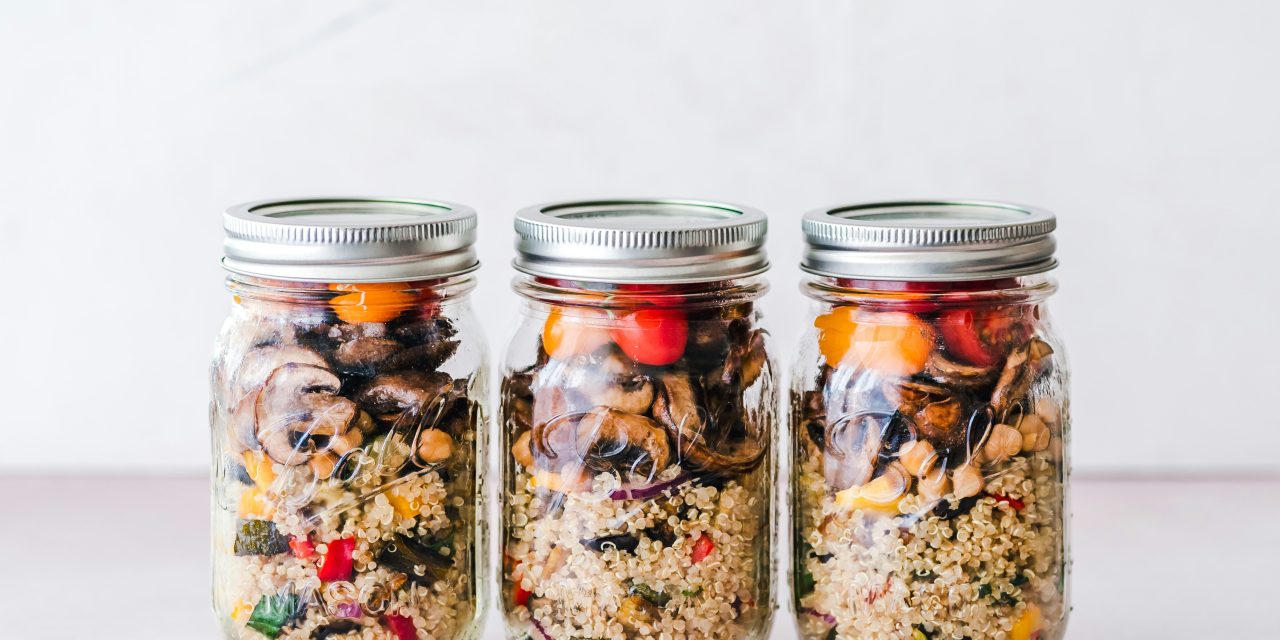
Proper portioning is key to maximizing the benefits of frozen meals. Individual servings not only facilitate easy reheating but also help in managing portion sizes effectively. When preparing meals for freezing, consider using airtight containers or freezer bags designed specifically for this purpose. These containers help prevent freezer burn and maintain the quality of the food over time.
To ensure uniform portions, utilize measuring cups or a kitchen scale when dividing meals into containers. This practice not only aids in portion control but also simplifies meal planning by allowing individuals to track their caloric intake more accurately. Label each container with the meal name and date of preparation to keep track of freshness. Additionally, consider freezing meals flat in bags to save space in the freezer; this method allows for easier stacking and organization.
Classic Chicken Alfredo Pasta Bake

The Classic Chicken Alfredo Pasta Bake is a comforting dish that freezes exceptionally well. This creamy pasta dish combines tender chicken breast with al dente pasta, enveloped in a rich Alfredo sauce made from butter, cream, and Parmesan cheese. To prepare this dish for freezing, cook the pasta until just underdone; it will continue to cook during reheating. Combine the pasta with sautéed chicken and sauce before transferring it to a freezer-safe baking dish.
When ready to enjoy, simply thaw the dish overnight in the refrigerator before baking it at 350°F (175°C) until heated through and bubbly. This meal not only provides a satisfying dinner option but also serves as an excellent source of protein and carbohydrates, making it ideal for post-workout nourishment.
If you’re looking to make meal prep easier and more efficient, freezing individual portions of homemade meals can be a game changer. Not only does it save time during busy weeks, but it also helps reduce food waste. For tips on how to effectively freeze your meals and keep them fresh, you might find this related article on removing food stains particularly useful, as it highlights the importance of maintaining a clean environment while cooking and storing your delicious creations.
Hearty Beef and Vegetable Stew
Hearty Beef and Vegetable Stew is another fantastic option for freezing due to its robust flavors and textures. This dish typically features tender chunks of beef simmered with an array of vegetables such as carrots, potatoes, and peas in a savory broth. The key to a successful stew lies in browning the beef before adding it to the pot; this step enhances the overall flavor profile.
To freeze this stew effectively, allow it to cool completely before transferring it into airtight containers or freezer bags. When reheating, it is advisable to thaw it overnight in the refrigerator or use a microwave-safe container for quicker thawing. This stew not only warms the soul but also provides essential nutrients from the vegetables while delivering a hearty dose of protein.
If you’re looking to streamline your meal prep and save time during busy weeks, freezing individual portions of homemade meals can be a game changer. This method not only preserves the freshness of your dishes but also allows for convenient access to healthy options whenever you need them. For more tips on optimizing your meal planning, you might find this article on meal preparation particularly helpful. By implementing these strategies, you can enjoy delicious homemade meals without the stress of daily cooking.
Vegetarian Chili with Beans and Corn
Vegetarian Chili with Beans and Corn is an excellent choice for those seeking a plant-based meal that freezes beautifully. Packed with protein-rich beans, sweet corn, and a medley of spices, this chili is both nutritious and satisfying. The combination of kidney beans, black beans, and pinto beans creates a hearty texture while providing essential amino acids.
To prepare this dish for freezing, allow it to cool completely before portioning it into freezer-safe containers. When ready to enjoy, simply thaw overnight in the refrigerator or use a stovetop method for quicker reheating. This chili is not only delicious but also offers a wealth of fiber and vitamins, making it an ideal option for health-conscious individuals.
Creamy Spinach and Mushroom Lasagna
Creamy Spinach and Mushroom Lasagna is a delightful vegetarian option that freezes exceptionally well while retaining its creamy texture. Layers of lasagna noodles are interspersed with sautéed mushrooms, fresh spinach, ricotta cheese, and marinara sauce, creating a rich and flavorful dish. To prepare this lasagna for freezing, assemble it in a freezer-safe baking dish without baking it first.
When ready to serve, thaw the lasagna overnight in the refrigerator before baking it at 375°F (190°C) until bubbly and golden brown on top. This dish not only provides a comforting meal but also delivers essential nutrients from spinach while satisfying cravings for Italian cuisine.
Spicy Thai Peanut Chicken Bowls
Spicy Thai Peanut Chicken Bowls offer a unique flavor profile that transports you straight to Southeast Asia. This dish features marinated chicken cooked in a savory peanut sauce served over rice or quinoa with fresh vegetables like bell peppers and broccoli. The combination of protein and healthy fats makes this meal both satisfying and nutritious.
To freeze these bowls effectively, prepare the chicken and sauce separately from the rice or quinoa. Portion each component into airtight containers before freezing. When ready to enjoy, thaw overnight in the refrigerator and reheat each component separately before assembling your bowl. This meal not only tantalizes taste buds but also provides a balanced mix of macronutrients.
Baked Ziti with Sausage and Mozzarella
Baked Ziti with Sausage and Mozzarella is a classic Italian-American dish that freezes beautifully while maintaining its cheesy goodness. This hearty casserole combines ziti pasta with savory sausage, marinara sauce, and layers of melted mozzarella cheese. To prepare this dish for freezing, cook the pasta until al dente before mixing it with cooked sausage and sauce.
Assemble the baked ziti in a freezer-safe dish without baking it first. When ready to enjoy, thaw overnight in the refrigerator before baking at 375°F (190°C) until heated through and bubbly on top. This dish not only satisfies cravings for comfort food but also provides ample protein from sausage while delivering carbohydrates from pasta.
Lentil and Sweet Potato Curry
Lentil and Sweet Potato Curry is an excellent vegetarian option that freezes exceptionally well while offering a wealth of flavors and nutrients. This dish combines protein-rich lentils with sweet potatoes simmered in coconut milk and aromatic spices such as cumin and coriander. The result is a creamy curry that is both satisfying and nourishing.
To freeze this curry effectively, allow it to cool completely before portioning it into airtight containers or freezer bags. When ready to enjoy, thaw overnight in the refrigerator or use a stovetop method for quicker reheating. This meal not only provides essential vitamins from sweet potatoes but also delivers plant-based protein from lentils.
BBQ Pulled Pork Sliders
BBQ Pulled Pork Sliders are an ideal option for those looking to prepare meals ahead of time while enjoying bold flavors. This dish features slow-cooked pork shoulder shredded and mixed with tangy barbecue sauce served on slider buns. To prepare this dish for freezing, allow the pulled pork to cool completely before portioning it into airtight containers.
When ready to serve, thaw overnight in the refrigerator before reheating on low heat until warmed through. Serve on slider buns with coleslaw for added crunch and flavor. This meal not only satisfies cravings for barbecue but also provides ample protein while being easy to prepare in bulk.
Turkey Meatballs in Marinara Sauce
Turkey Meatballs in Marinara Sauce is a leaner alternative to traditional meatballs that freezes beautifully while maintaining its flavor profile. Ground turkey is combined with breadcrumbs, herbs, and spices before being baked or simmered in marinara sauce for added moisture and flavor. To prepare this dish for freezing, allow the meatballs to cool completely before portioning them into airtight containers along with marinara sauce.
When ready to enjoy, thaw overnight in the refrigerator before reheating on low heat until warmed through. Serve over pasta or on sub rolls for a delicious meatball sandwich option. This meal not only provides lean protein but also offers versatility in serving options.
Quinoa and Black Bean Stuffed Peppers
Quinoa and Black Bean Stuffed Peppers are an excellent vegetarian option that freezes well while delivering vibrant flavors and nutrients. Bell peppers are filled with a mixture of quinoa, black beans, corn, diced tomatoes, and spices before being baked until tender. To prepare this dish for freezing, allow the stuffed peppers to cool completely before placing them in airtight containers.
When ready to enjoy, thaw overnight in the refrigerator before reheating at 375°F (190°C) until heated through. This meal not only provides essential vitamins from bell peppers but also delivers plant-based protein from quinoa and black beans.
Tips for Properly Thawing and Reheating Frozen Meals
Proper thawing and reheating techniques are essential to ensure that frozen meals maintain their quality and safety when consumed. The safest method for thawing frozen meals is to transfer them from the freezer to the refrigerator 24 hours prior to reheating; this gradual thawing process helps preserve texture and flavor while minimizing bacterial growth.
For quicker thawing methods, individuals can use microwave settings designed specifically for defrosting or place sealed bags of food under cold running water until softened enough for cooking. When reheating meals, ensure they reach an internal temperature of at least 165°F (74°C) to eliminate any potential foodborne pathogens.
In conclusion, freezing homemade meals presents numerous advantages including time savings, cost-effectiveness, and healthier eating habits. By selecting appropriate recipes that freeze well and employing proper portioning techniques, individuals can enjoy delicious home-cooked meals even on their busiest days. With careful planning and execution, frozen meals can provide nourishment without sacrificing flavor or quality.
FAQs
What is the best way to freeze individual portions of homemade meals?
The best way to freeze individual portions of homemade meals is to first allow the food to cool completely. Then, use airtight containers or freezer-safe bags to portion out the meals. Make sure to remove as much air as possible from the bags to prevent freezer burn. Label each container with the date and contents for easy identification later.
How long can I keep frozen homemade meals in the freezer?
Frozen homemade meals can typically be stored in the freezer for up to 3 to 6 months for best quality. While they may remain safe to eat beyond this time, the taste and texture may deteriorate. It’s important to regularly check the condition of the meals and use them within this timeframe for optimal flavor.
Can I freeze meals that contain dairy or pasta?
Yes, you can freeze meals that contain dairy or pasta, but there are some considerations. Dairy products may separate or change texture upon thawing, so it’s best to use recipes that are specifically designed for freezing. For pasta, undercook it slightly before freezing, as it will continue to cook when reheated.
How should I thaw frozen meals before reheating?
The safest way to thaw frozen meals is to transfer them from the freezer to the refrigerator and let them thaw overnight. If you’re short on time, you can also use the microwave’s defrost setting or place the sealed container in cold water. Avoid thawing at room temperature to prevent bacterial growth.
Is it safe to refreeze meals after they have been thawed?
It is generally safe to refreeze meals that have been thawed in the refrigerator, as long as they have not been left out at room temperature for more than two hours. However, refreezing can affect the texture and quality of the food, so it’s best to only refreeze meals if absolutely necessary.