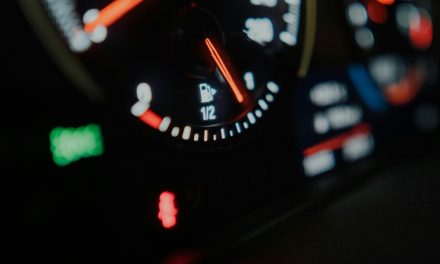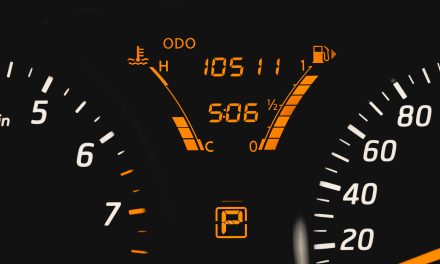
Car dashboard warning lights serve as critical indicators of a vehicle’s operational status, alerting drivers to potential issues that may require immediate attention. These lights are designed to provide visual cues regarding the health of various systems within the automobile, ranging from engine performance to safety features. Understanding these warning signals is essential for maintaining vehicle integrity and ensuring the safety of both the driver and passengers.
The dashboard is equipped with a variety of symbols, each representing a specific function or alert. When illuminated, these lights can indicate anything from minor inconveniences to serious mechanical failures. Familiarity with these indicators not only enhances the driving experience but also promotes proactive maintenance, potentially saving drivers from costly repairs and hazardous situations.
Understanding what dashboard warning lights mean on a car is crucial for maintaining vehicle safety and performance. For a deeper dive into automotive care, you might find this article on how to make a pan sauce from steak or chicken drippings interesting, as it highlights the importance of attention to detail in both cooking and car maintenance. You can read more about it here.
Check Engine Light: Causes and Actions
The Check Engine Light (CEL) is one of the most recognized warning indicators on a vehicle’s dashboard. Its illumination can stem from a myriad of causes, ranging from minor issues such as a loose gas cap to more severe problems like engine misfires or catalytic converter failures. The complexity of modern automotive systems means that the CEL can signal various malfunctions, making it imperative for drivers to address it promptly.
When the Check Engine Light activates, the first step is to conduct a diagnostic scan using an On-Board Diagnostics II (OBD-II) scanner. This device retrieves error codes that pinpoint the underlying issue. Depending on the severity of the problem, actions may range from tightening or replacing the gas cap to seeking professional mechanical assistance for more intricate repairs. Ignoring this warning can lead to decreased fuel efficiency, increased emissions, and potentially catastrophic engine damage.
Battery Warning Light: What It Indicates

The Battery Warning Light is another crucial indicator that alerts drivers to potential electrical system issues. When this light illuminates, it typically signifies that the vehicle’s charging system is malfunctioning, which could be due to a failing alternator, a dead battery, or corroded battery terminals. Understanding this warning is vital for preventing unexpected breakdowns.
If the Battery Warning Light appears while driving, it is advisable to check the battery connections for corrosion or looseness. If connections are secure and the light remains illuminated, it may be necessary to have the battery and alternator tested by a professional technician. Proactive measures include regular battery maintenance and replacement every three to five years, depending on usage and environmental conditions.
Oil Pressure Warning Light: Importance and Response

The Oil Pressure Warning Light is an essential indicator that monitors the lubrication system of the engine. When this light activates, it signifies that oil pressure has dropped below optimal levels, which can lead to severe engine damage if not addressed immediately. Low oil pressure may result from insufficient oil levels, oil leaks, or a malfunctioning oil pump.
Upon noticing this warning light, drivers should pull over safely and turn off the engine to prevent further damage. Checking the oil level using the dipstick is crucial; if levels are low, adding oil may resolve the issue temporarily. However, if the light persists after adding oil or if there are visible leaks, it is imperative to consult a qualified mechanic for further diagnosis and repair.
Understanding what dashboard warning lights mean on a car is crucial for maintaining vehicle safety and performance. For those interested in learning more about how to care for your pets, you might find it helpful to read an article on the best urinary care cat foods, which can be found here. Just as dashboard lights indicate issues that require attention, ensuring your cat has the right diet can prevent health problems down the line.
Brake System Warning Light: Safety First
The Brake System Warning Light is a critical safety feature that alerts drivers to potential issues within the braking system. This light may illuminate due to various reasons, including low brake fluid levels, worn brake pads, or malfunctioning anti-lock braking systems (ABS). Given the importance of brakes in ensuring vehicle safety, immediate attention is warranted when this light appears.
Drivers should first check the brake fluid reservoir for adequate levels; if low, topping off with the appropriate fluid type may resolve the issue temporarily. However, if the light remains illuminated or if there are noticeable changes in braking performance—such as grinding noises or a spongy brake pedal—professional inspection is necessary. Regular brake maintenance and timely replacement of worn components are essential for maintaining optimal braking performance.
Understanding what dashboard warning lights mean on a car is crucial for maintaining vehicle safety and performance. For those interested in exploring how sudden changes in behavior can signal underlying issues, you might find a related article on pet behavior enlightening. It discusses the reasons behind a cat’s sudden aggression, which can be surprisingly similar to how we interpret warning signs in our vehicles. You can read more about this intriguing topic here.
Tire Pressure Monitoring System (TPMS) Light: Maintaining Proper Inflation
The Tire Pressure Monitoring System (TPMS) Light serves as an essential reminder for maintaining proper tire inflation levels. Under-inflated tires can lead to decreased fuel efficiency, increased tire wear, and compromised handling capabilities. Conversely, over-inflated tires can result in reduced traction and increased risk of blowouts.
When the TPMS Light illuminates, drivers should check tire pressures using a reliable gauge and inflate tires to manufacturer-recommended levels as indicated on the driver’s side door jamb. Regular tire maintenance—including rotation and alignment—can enhance tire longevity and performance. Additionally, seasonal checks are advisable as temperature fluctuations can significantly impact tire pressure.
Engine Temperature Warning Light: Preventing Overheating
The Engine Temperature Warning Light is an indicator that alerts drivers when the engine is operating at excessively high temperatures. Overheating can lead to severe engine damage, including warped cylinder heads or complete engine failure. Common causes of overheating include coolant leaks, malfunctioning thermostats, or blocked radiators.
Upon activation of this warning light, drivers should immediately pull over and turn off the engine to prevent further damage. Allowing the engine to cool down before checking coolant levels is crucial; if levels are low, adding coolant may be necessary. Persistent overheating issues require professional evaluation to identify underlying problems and ensure proper cooling system function.
ABS Warning Light: Understanding Anti-lock Braking System Alerts
The ABS Warning Light indicates potential issues with the Anti-lock Braking System (ABS), which prevents wheel lock-up during hard braking scenarios. This system enhances vehicle control and stability during emergency stops; thus, any malfunction can compromise safety. The ABS light may illuminate due to faulty sensors, low brake fluid levels, or issues with the ABS module itself.
If the ABS Warning Light activates while driving, it is essential to maintain cautious driving practices until the issue is resolved. Drivers should check brake fluid levels and inspect for any visible leaks or damage in brake lines. If problems persist after addressing these factors, consulting a qualified technician for diagnostic testing is recommended.
Airbag Warning Light: Ensuring Passenger Safety
The Airbag Warning Light serves as an important reminder regarding passenger safety features within a vehicle. When illuminated, it indicates potential malfunctions in the airbag system that could prevent airbags from deploying in an accident. Common causes include faulty sensors or issues with wiring connections.
Drivers should not ignore this warning light; immediate inspection by a qualified technician is necessary to ensure that all safety features are functioning correctly. Regular maintenance checks can help identify potential issues before they escalate into serious safety concerns.
Traction Control Warning Light: When to Be Cautious
The Traction Control Warning Light indicates that the vehicle’s traction control system is actively engaged or experiencing issues. This system helps prevent wheel spin during acceleration on slippery surfaces by adjusting engine power and applying brakes selectively. When this light illuminates, it may signify that road conditions are challenging or that there is a malfunction within the system.
Drivers should exercise caution when this light appears; it may be necessary to reduce speed and increase following distances in adverse weather conditions. If the light remains illuminated after road conditions improve or if there are noticeable changes in vehicle handling, professional evaluation is warranted.
Seat Belt Reminder Light: Importance of Buckling Up
The Seat Belt Reminder Light serves as a crucial reminder for driver and passenger safety by indicating whether seat belts are fastened properly. This warning light activates when occupants fail to buckle up before driving and remains illuminated until all seat belts are secured.
Adhering to seat belt regulations not only enhances personal safety but also complies with legal requirements in many jurisdictions. Drivers should ensure that all passengers are buckled up before starting their journey; this simple action significantly reduces injury risk in case of an accident.
Staying Alert and Safe on the Road
In conclusion, understanding car dashboard warning lights is essential for maintaining vehicle health and ensuring safety on the road. Each indicator serves a specific purpose and requires prompt attention when illuminated. By familiarizing oneself with these signals and taking appropriate actions—such as conducting diagnostics or seeking professional assistance—drivers can mitigate risks associated with mechanical failures and enhance overall driving experiences.
Regular vehicle maintenance plays a pivotal role in preventing many issues associated with dashboard warnings. By staying vigilant and proactive about vehicle care, drivers can ensure their safety and that of their passengers while navigating diverse driving conditions.
FAQs
What are dashboard warning lights?
Dashboard warning lights are indicators on a vehicle’s dashboard that alert the driver to potential issues or malfunctions within the car. These lights can signify anything from minor issues, such as low fuel, to serious problems, like engine failure or brake system malfunctions.
What does the check engine light mean?
The check engine light can indicate a variety of issues, ranging from a loose gas cap to more serious engine problems. It is essential to have the vehicle diagnosed by a professional to determine the exact cause of the warning.
What should I do if the oil pressure warning light comes on?
If the oil pressure warning light illuminates, it typically means that the oil pressure is low, which can lead to engine damage. It is crucial to pull over safely and check the oil level. If the oil level is adequate, the vehicle should be taken to a mechanic immediately.
What does the battery warning light indicate?
The battery warning light indicates that there may be an issue with the vehicle’s charging system, such as a failing battery or alternator. If this light comes on, it is advisable to have the electrical system checked to avoid being stranded due to a dead battery.
How can I reset dashboard warning lights?
Dashboard warning lights can often be reset by disconnecting the vehicle’s battery for a few minutes or using an OBD-II scanner to clear the codes. However, it is important to address the underlying issue before resetting the lights to ensure safe vehicle operation.