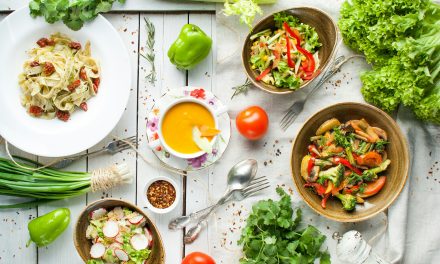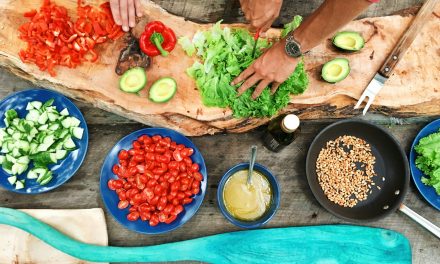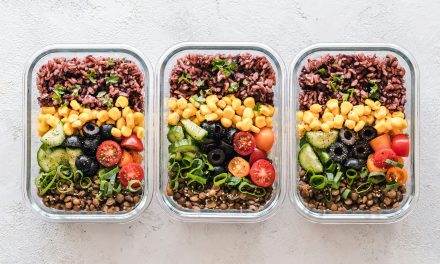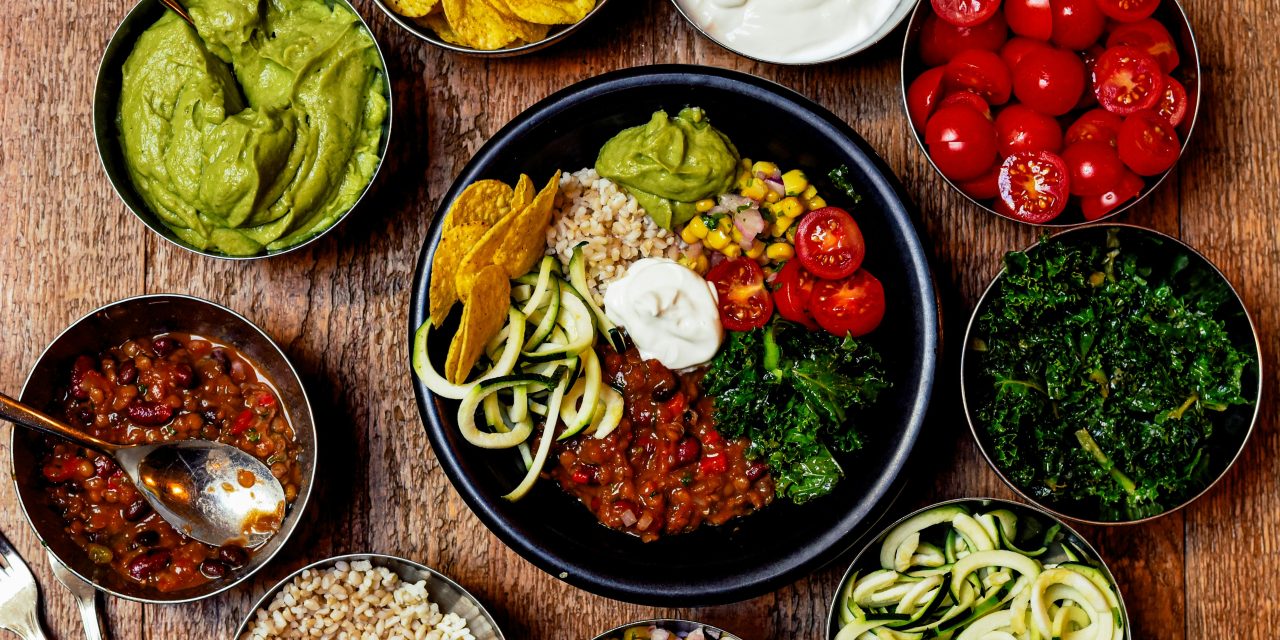
In recent years, the culinary world has witnessed a remarkable shift towards plant-based diets, with vegetarianism gaining immense popularity. This movement is not merely a trend; it reflects a growing awareness of health, environmental sustainability, and ethical considerations surrounding food choices. Embracing vegetarian delights opens up a treasure trove of flavors, textures, and nutritional benefits that can enhance one’s diet while promoting overall well-being. The incorporation of vibrant vegetables, legumes, grains, and fruits into daily meals can lead to improved health outcomes, including reduced risks of chronic diseases such as heart disease, diabetes, and certain cancers.
The beauty of vegetarian cuisine lies in its versatility. From hearty stews to refreshing salads, the options are endless. This article will explore a variety of delectable vegetarian dishes that not only tantalize the taste buds but also nourish the body. Each recipe is designed to be both satisfying and wholesome, showcasing the rich tapestry of flavors that plant-based ingredients can offer. Let us embark on this culinary journey through the world of vegetarian delights.
Hearty Lentil and Vegetable Stew
Lentils are a powerhouse of nutrition, packed with protein, fiber, and essential vitamins and minerals. A hearty lentil and vegetable stew serves as a perfect introduction to the world of vegetarian cooking. This dish combines the earthy flavors of lentils with a medley of seasonal vegetables such as carrots, celery, and bell peppers. The stew is simmered in a rich vegetable broth infused with aromatic herbs like thyme and bay leaves, creating a comforting meal that warms the soul.
To prepare this delightful stew, begin by sautéing diced onions and garlic in olive oil until fragrant. Add chopped vegetables and lentils to the pot, followed by vegetable broth and spices. Allow the mixture to simmer for approximately 30-40 minutes until the lentils are tender and the flavors meld beautifully. This dish not only provides a hearty meal but also offers an excellent source of plant-based protein, making it an ideal choice for vegetarians and vegans alike.
Creamy Spinach and Mushroom Risotto

Risotto is a classic Italian dish known for its creamy texture and rich flavor profile. By incorporating spinach and mushrooms, this creamy risotto transforms into a nutritious vegetarian delight. Arborio rice is the star ingredient, renowned for its ability to absorb liquid while releasing starch, resulting in a velvety consistency that is simply irresistible.
To create this dish, start by sautéing finely chopped onions and garlic in olive oil until translucent. Gradually add Arborio rice, stirring continuously to toast the grains lightly. Slowly incorporate vegetable broth, allowing the rice to absorb the liquid gradually while stirring frequently. Once the rice reaches a creamy consistency, fold in sautéed mushrooms and fresh spinach until wilted. Finish with a sprinkle of Parmesan cheese or nutritional yeast for a vegan option, enhancing the dish’s umami flavor.
Spicy Chickpea and Sweet Potato Curry

Curry is a beloved dish across various cultures, celebrated for its bold flavors and aromatic spices. A spicy chickpea and sweet potato curry offers a delightful fusion of textures and tastes that will excite your palate. Chickpeas provide a hearty base rich in protein, while sweet potatoes add natural sweetness and vibrant color.
To prepare this curry, begin by sautéing onions, garlic, and ginger in coconut oil until fragrant. Add diced sweet potatoes and cook until slightly softened before incorporating canned chickpeas, diced tomatoes, and an array of spices such as cumin, coriander, and turmeric. Allow the mixture to simmer until the sweet potatoes are tender and the flavors meld together beautifully. Serve this curry over steamed basmati rice or with warm naan bread for a satisfying meal that warms both body and spirit.
Classic Caprese Salad with a Twist
The classic Caprese salad is a staple in Italian cuisine, traditionally made with fresh mozzarella, tomatoes, basil, olive oil, and balsamic vinegar. However, adding a twist can elevate this dish to new heights. By incorporating grilled peaches or avocados into the mix, you introduce an unexpected sweetness that complements the savory elements beautifully.
To create this refreshing salad, layer slices of ripe tomatoes with fresh mozzarella or burrata cheese on a platter. Add grilled peach slices or avocado for an added dimension of flavor. Drizzle with high-quality extra virgin olive oil and balsamic reduction for a touch of acidity that balances the richness of the cheese. Garnish with fresh basil leaves for an aromatic finish. This salad not only looks stunning but also provides a burst of freshness that is perfect for warm summer days.
Quinoa and Black Bean Stuffed Peppers
Stuffed peppers are an excellent way to showcase colorful vegetables while providing a nutritious meal option. Quinoa and black bean stuffed peppers are not only visually appealing but also packed with protein, fiber, and essential nutrients. This dish is versatile; you can customize it with various spices or additional vegetables based on personal preferences.
To prepare stuffed peppers, begin by cooking quinoa according to package instructions. In a separate pan, sauté onions, garlic, corn, and black beans until heated through. Combine the cooked quinoa with the sautéed mixture and season with cumin, chili powder, salt, and pepper. Hollow out bell peppers and fill them generously with the quinoa mixture before baking them in the oven until tender. Serve these vibrant stuffed peppers with a dollop of Greek yogurt or avocado crema for added creaminess.
Zucchini Noodles with Pesto and Cherry Tomatoes
Zucchini noodles, or “zoodles,” have gained popularity as a low-carb alternative to traditional pasta. This dish combines spiralized zucchini with homemade pesto sauce and juicy cherry tomatoes for a light yet satisfying meal that bursts with flavor. The freshness of basil in pesto complements the natural sweetness of cherry tomatoes beautifully.
To create this dish, spiralize fresh zucchini into noodle-like strands using a spiralizer or julienne peeler. Prepare homemade pesto by blending fresh basil leaves, pine nuts, garlic, Parmesan cheese (or nutritional yeast), and olive oil until smooth. Toss the zucchini noodles with pesto sauce until well coated before adding halved cherry tomatoes for an extra pop of color and flavor. Serve immediately for a refreshing meal that showcases seasonal produce.
Roasted Cauliflower Tacos with Avocado Salsa
Tacos are a beloved culinary creation that can be easily adapted to suit vegetarian preferences. Roasted cauliflower tacos offer a delightful twist on traditional fillings while providing an abundance of flavor and texture. The caramelization from roasting enhances the natural nuttiness of cauliflower, making it an excellent taco filling.
To prepare these tacos, cut cauliflower into florets and toss them with olive oil, cumin, paprika, salt, and pepper before roasting them in the oven until golden brown. While the cauliflower roasts, prepare avocado salsa by combining diced avocados with lime juice, red onion, cilantro, and jalapeño for added heat. Assemble tacos using corn tortillas filled with roasted cauliflower and topped generously with avocado salsa for a satisfying meal that is both nutritious and delicious.
Mediterranean Eggplant and Tomato Bake
Eggplant is often celebrated in Mediterranean cuisine for its versatility and ability to absorb flavors beautifully. A Mediterranean eggplant and tomato bake showcases this vegetable’s potential while incorporating other delightful ingredients such as tomatoes, olives, and feta cheese for added richness.
To create this dish, slice eggplants into rounds and layer them in a baking dish with sliced tomatoes, olives, garlic, oregano, and crumbled feta cheese (or vegan cheese). Drizzle with olive oil before baking until the eggplant is tender and the flavors meld together harmoniously. This bake serves as an excellent side dish or main course when paired with crusty bread or served over couscous.
Thai Peanut Noodle Salad
Thai cuisine is renowned for its bold flavors and vibrant ingredients. A Thai peanut noodle salad combines rice noodles with crunchy vegetables such as bell peppers, carrots, and cucumbers while being tossed in a creamy peanut sauce that adds depth to each bite. This dish is not only visually appealing but also packed with nutrients.
To prepare this salad, cook rice noodles according to package instructions before rinsing them under cold water to stop cooking. In a bowl, whisk together peanut butter, soy sauce (or tamari), lime juice, honey (or maple syrup), garlic powder, and ginger until smooth to create the dressing. Toss cooked noodles with sliced vegetables before drizzling with peanut sauce for an explosion of flavor in every bite.
Decadent Chocolate Avocado Mousse Dessert
For those seeking a guilt-free indulgence after a satisfying meal, decadent chocolate avocado mousse offers an exquisite solution. This dessert utilizes ripe avocados as its base ingredient while providing healthy fats along with rich chocolate flavor without compromising on taste or texture.
To create this mousse dessert, blend ripe avocados until smooth before adding cocoa powder (or melted dark chocolate), maple syrup (or agave nectar), vanilla extract, and a pinch of salt until creamy consistency is achieved. Chill in the refrigerator before serving for an ultra-smooth texture that will impress even the most discerning chocolate lovers.
In conclusion, embracing vegetarian delights opens up an exciting world of culinary possibilities that cater to diverse tastes while promoting healthful eating habits. From hearty stews to refreshing salads and decadent desserts—each recipe showcases how plant-based ingredients can be transformed into delicious meals that nourish both body and soul.
FAQ Section
- What are the health benefits of adopting a vegetarian diet?
- A vegetarian diet can lead to lower cholesterol levels, reduced risk of heart disease, improved digestion due to higher fiber intake, weight management benefits due to lower calorie density in plant foods, and increased intake of essential vitamins and minerals.
- Can I get enough protein on a vegetarian diet?
- Yes! Protein can be obtained from various sources such as legumes (beans and lentils), nuts/seeds (chia seeds or almonds), whole grains (quinoa or brown rice), dairy products (if lacto-vegetarian), eggs (if ovo-vegetarian), or plant-based protein powders.
- How can I ensure I’m getting all essential nutrients?
- Focus on consuming a variety of foods across all food groups—fruits/vegetables/grains/proteins/fats—to ensure adequate nutrient intake; consider fortified foods or supplements for nutrients like Vitamin B12 or iron if necessary.
- Are vegetarian meals more expensive than meat-based meals?
- Not necessarily! While some specialty items may be pricier (like vegan cheeses), staples such as beans/lentils/rice/seasonal vegetables are often more affordable than meat products.
- How do I transition to a vegetarian diet?
- Start gradually by incorporating more plant-based meals into your weekly routine; experiment with different recipes; replace meat with legumes or tofu; listen to your body’s needs throughout this process.
- What are some easy vegetarian meal prep ideas?
- Prepare large batches of soups/stews/curries; make grain bowls using quinoa/rice/vegetables; create snack packs with hummus/veggies; assemble salads in jars for quick grab-and-go options.
- Can children thrive on a vegetarian diet?
- Yes! With careful planning ensuring they receive adequate calories/nutrients from diverse sources—fruits/vegetables/grains/proteins—children can thrive on well-balanced vegetarian diets.
- What are some common misconceptions about vegetarianism?
- Common misconceptions include beliefs that vegetarians lack protein intake or struggle to find satisfying meals; however—when planned properly—vegetarian diets can be fulfilling/nutritious!
In summary, embracing vegetarian delights offers numerous health benefits while providing an array of delicious options that cater to diverse palates. From hearty stews to refreshing salads and decadent desserts—each recipe showcases how plant-based ingredients can be transformed into satisfying meals that nourish both body and soul.
FAQs
What are some common ingredients used in vegetarian recipes?
Common ingredients in vegetarian recipes include a variety of vegetables, legumes (such as beans and lentils), grains (like quinoa, rice, and pasta), nuts and seeds, dairy products (if not vegan), and plant-based proteins such as tofu and tempeh. Herbs and spices are also essential for adding flavor.
Are vegetarian recipes suitable for everyone?
Vegetarian recipes can be suitable for most people, including those looking to reduce meat consumption for health, ethical, or environmental reasons. However, individuals with specific dietary restrictions or allergies should ensure that the recipes meet their nutritional needs and avoid any allergens.
Can vegetarian recipes provide enough protein?
Yes, vegetarian recipes can provide sufficient protein through a combination of plant-based sources. Foods such as legumes, nuts, seeds, whole grains, and dairy products (for lacto-vegetarians) can contribute to a balanced protein intake. Combining different protein sources can help achieve a complete amino acid profile.
How can I make vegetarian recipes more flavorful?
To enhance the flavor of vegetarian recipes, use a variety of herbs and spices, incorporate umami-rich ingredients like mushrooms, tomatoes, and nutritional yeast, and experiment with different cooking techniques such as roasting or grilling. Adding sauces, marinades, and dressings can also elevate the taste.
Are there quick vegetarian recipes for busy weeknights?
Yes, there are many quick vegetarian recipes that can be prepared in 30 minutes or less. Options include stir-fries, salads, pasta dishes, and grain bowls that utilize pre-cooked grains or canned legumes. Meal prepping ingredients in advance can also save time during busy weeknights.