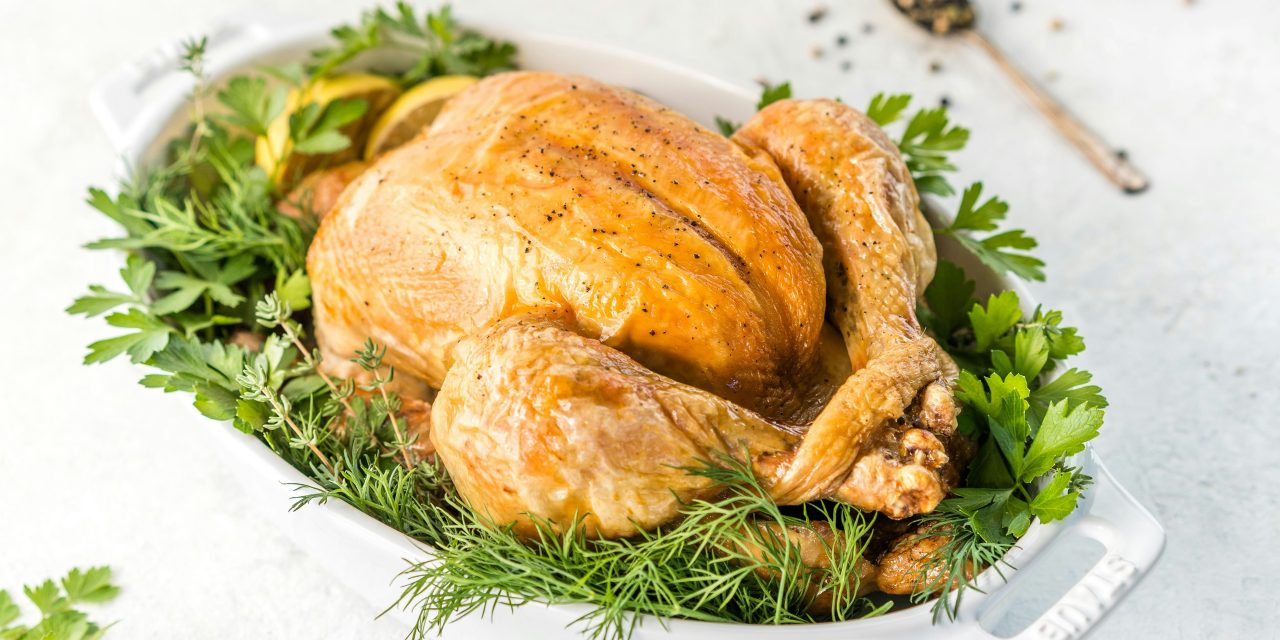
When embarking on the culinary journey of roasting a whole chicken, the initial step is selecting the right bird. The quality of the chicken significantly influences the final outcome, making this choice paramount. Opt for a fresh, organic chicken whenever possible, as these birds are typically raised without antibiotics or hormones, resulting in superior flavor and texture. Look for chickens that are plump and have a firm texture, with skin that is smooth and free from blemishes. The color of the skin should be a pale yellow, indicating a healthy bird.
Consider the size of the chicken as well. A standard roasting chicken typically weighs between 3.5 to 5.5 pounds, which is ideal for a family meal. Larger birds may require longer cooking times, while smaller ones can dry out more easily. Additionally, pay attention to the label; free-range or pasture-raised chickens often have a richer flavor profile due to their varied diet and natural living conditions. Ultimately, selecting the right whole chicken sets the foundation for a delicious roast.
If you’re looking to enhance your meal alongside a perfectly roasted whole chicken, consider trying out a delicious side of asparagus. Cooking asparagus in the oven is a simple and flavorful way to complement your main dish. For a detailed guide on how to prepare this tasty vegetable, check out this article on how to cook asparagus in the oven. This combination will surely impress your guests and elevate your dining experience.
Preparing Your Chicken for Roasting
Once you have procured your chicken, the next step involves proper preparation to ensure optimal flavor and texture during roasting. Begin by removing any giblets or organs from the cavity of the bird; these can often be found in a small bag inside the chicken. Rinse the chicken under cold water and pat it dry thoroughly with paper towels. This step is crucial as moisture on the skin can hinder browning and crispiness during cooking.
After drying, consider brining your chicken for enhanced juiciness and flavor. A simple brine can be made using water, salt, and sugar, allowing the chicken to soak for several hours or overnight. This process helps to break down proteins and infuse moisture into the meat. If brining is not an option, seasoning the chicken generously with salt and pepper both inside and out will suffice. This basic seasoning enhances the natural flavors of the chicken while creating a savory crust during roasting.
Choosing the Perfect Seasonings and Marinade

The selection of seasonings and marinades plays a pivotal role in elevating the flavor profile of your roast chicken. Classic combinations include garlic, rosemary, thyme, and lemon, which complement the poultry beautifully. For a Mediterranean twist, consider using olive oil, oregano, and paprika to create a vibrant marinade that infuses the meat with aromatic flavors.
To prepare a marinade, combine your chosen ingredients in a bowl and whisk until well blended. Submerge the chicken in this mixture, ensuring it is evenly coated. Allow it to marinate in the refrigerator for at least one hour or up to overnight for maximum flavor absorption. If time is limited, simply rubbing the chicken with olive oil and sprinkling it with herbs and spices can still yield delicious results. The key is to balance flavors that enhance rather than overpower the natural taste of the chicken.
Preheating the Oven to the Ideal Temperature

Preheating your oven is an essential step that should not be overlooked when roasting a whole chicken. The ideal temperature for roasting is typically between 375°F (190°C) and 425°F (220°C). A higher temperature will yield a crispy skin while ensuring that the meat remains juicy inside. Preheating allows for even cooking throughout the bird, preventing any cold spots that could lead to uneven doneness.
To preheat effectively, set your oven to your desired temperature and allow it to heat for at least 15-20 minutes before placing your chicken inside. An oven thermometer can be beneficial to ensure accuracy, as many ovens can be off by several degrees. Once preheated, you can confidently place your seasoned chicken in the oven, knowing that it will cook evenly and develop that coveted golden-brown exterior.
If you’re looking to enhance your culinary skills, you might find it helpful to explore techniques for cooking a whole chicken in the oven. This method not only yields a deliciously juicy bird but also allows for a variety of seasoning options to suit your taste. For additional tips on maintaining a clean kitchen while you cook, check out this informative article on how to remove stubborn stains from ceramic tile floors, which can be particularly useful when dealing with any spills that may occur during meal preparation.
Trussing the Chicken for Even Cooking
Trussing is a technique that involves tying the legs of the chicken together with kitchen twine to promote even cooking and maintain moisture during roasting. This method helps to ensure that the breast meat cooks at a similar rate to the darker thigh meat, preventing overcooking of one part while undercooking another.
To truss your chicken, start by placing it breast-side up on a cutting board. Take a length of kitchen twine and slide it under the bird’s back, bringing both ends up towards the front. Cross the twine over the legs and pull tightly before tying a knot at the top of the legs. This simple technique not only aids in cooking but also presents a more aesthetically pleasing bird when served.
If you’re looking to elevate your culinary skills, mastering how to cook a whole chicken in the oven is a fantastic starting point. Not only does it provide a delicious centerpiece for any meal, but it also allows for a variety of flavor combinations. For those interested in enhancing their cooking repertoire, you might find it helpful to explore related topics, such as how to keep your pets happy at home. You can read more about this in the article on DIY pet grooming tips, which can be found here.
Placing the Chicken Properly in the Roasting Pan
The placement of your chicken in the roasting pan can significantly affect its cooking process. Ideally, use a sturdy roasting pan that allows for proper air circulation around the bird. A rack within the pan is highly recommended as it elevates the chicken above its juices, promoting even browning on all sides.
When positioning your chicken in the pan, ensure that it is breast-side up and that there is ample space around it for heat circulation. If desired, you can add vegetables such as carrots, onions, and potatoes around the chicken; these will absorb flavorful drippings during cooking while also serving as a delicious side dish.
Timing Your Roast for Juicy, Tender Meat
Timing is crucial when roasting a whole chicken to achieve juicy and tender meat. A general rule of thumb is to roast for approximately 20 minutes per pound at 375°F (190°C). For example, a 4-pound chicken would require about 80 minutes of cooking time. However, factors such as oven calibration and chicken size can affect this timing.
To ensure optimal results, it’s advisable to check for doneness periodically rather than relying solely on time estimates. Using a meat thermometer inserted into the thickest part of the thigh (without touching bone) should read at least 165°F (74°C) for safe consumption. This method guarantees that you achieve perfectly cooked meat without risking dryness or undercooking.
Basting Techniques to Enhance Flavor and Moisture
Basting is an optional yet effective technique that can enhance both flavor and moisture during roasting. By periodically spooning pan juices over the chicken, you help to keep its surface moist while also promoting browning. This process can be done every 20-30 minutes after the first hour of cooking.
For added flavor, consider incorporating herbs or citrus into your basting liquid. A mixture of melted butter with minced garlic and fresh herbs can create an aromatic glaze that seeps into the skin as it cooks. Alternatively, using white wine or broth as a baste can add depth to the overall flavor profile of your roast chicken.
Checking for Doneness with a Meat Thermometer
The most reliable method for determining whether your roast chicken is done is by using a meat thermometer. This tool provides an accurate reading of internal temperatures, ensuring food safety while preventing overcooking. Insert the thermometer into the thickest part of the thigh without touching bone; this area takes longer to cook than other parts of the bird.
The USDA recommends an internal temperature of 165°F (74°C) for poultry to ensure safety from harmful bacteria such as Salmonella or Campylobacter. Once this temperature is reached, remove your chicken from the oven immediately to prevent carryover cooking from raising its temperature further.
Resting the Chicken Before Carving
Resting your roast chicken before carving is an essential step that should not be overlooked. Allowing it to rest for at least 15-20 minutes after removing it from the oven enables juices to redistribute throughout the meat, resulting in a more succulent final product. Cutting into it too soon can lead to significant juice loss, leaving you with dry meat.
During this resting period, loosely cover your chicken with aluminum foil to retain warmth without steaming it. This simple practice enhances both texture and flavor while ensuring that each slice remains moist and tender when served.
Tips for Carving and Serving Your Perfect Roast Chicken
Carving a roast chicken may seem daunting at first; however, with practice and technique, it becomes an effortless task. Begin by placing your rested chicken on a cutting board breast-side up. Use a sharp carving knife or chef’s knife for clean cuts.
Start by removing one leg by cutting through the skin connecting it to the body and then cutting through the joint where it meets the thigh. Repeat this process on the other side before moving on to slice off each breast half by cutting along either side of the breastbone. Serve pieces on a platter alongside roasted vegetables or sides of your choice for an inviting presentation.
In summary, mastering roast chicken involves careful selection of ingredients, precise preparation techniques, and attention to cooking times and temperatures. By following these steps—from selecting quality poultry to resting before carving—you can create a deliciously juicy roast chicken that will impress family and friends alike.
In conclusion, roasting a whole chicken is an art form that combines careful selection, preparation techniques, seasoning choices, and precise cooking methods to achieve succulent results. By adhering to these guidelines—selecting quality poultry, preparing it properly with brining or seasoning, ensuring even cooking through trussing and proper placement in a roasting pan—you will create an unforgettable meal that showcases both skill and flavor mastery in your culinary repertoire.
FAQs
What temperature should I set my oven to for cooking a whole chicken?
For cooking a whole chicken in the oven, it is generally recommended to preheat your oven to 375°F (190°C). This temperature allows the chicken to cook evenly and develop a crispy skin while ensuring that the meat remains juicy.
How long does it take to cook a whole chicken in the oven?
The cooking time for a whole chicken typically ranges from 1.5 to 2 hours, depending on the weight of the chicken. A good rule of thumb is to cook the chicken for about 20 minutes per pound. Always use a meat thermometer to ensure the internal temperature reaches 165°F (74°C) in the thickest part of the meat.
Should I cover the chicken while it cooks?
It is not necessary to cover the chicken while it cooks, as this can prevent the skin from becoming crispy. However, if the chicken starts to brown too quickly, you can loosely tent it with aluminum foil during the last part of the cooking process to prevent burning.
What should I do to prepare the chicken before cooking?
Before cooking, you should remove any giblets from the cavity of the chicken and pat it dry with paper towels. Season the chicken generously with salt, pepper, and any other desired herbs or spices. You can also stuff the cavity with aromatics like garlic, lemon, or herbs for added flavor.
How can I tell when the chicken is done cooking?
The best way to determine if a whole chicken is done cooking is to use a meat thermometer. Insert the thermometer into the thickest part of the thigh without touching the bone; it should read 165°F (74°C). Additionally, the juices should run clear when the chicken is pierced, and the meat should no longer be pink.