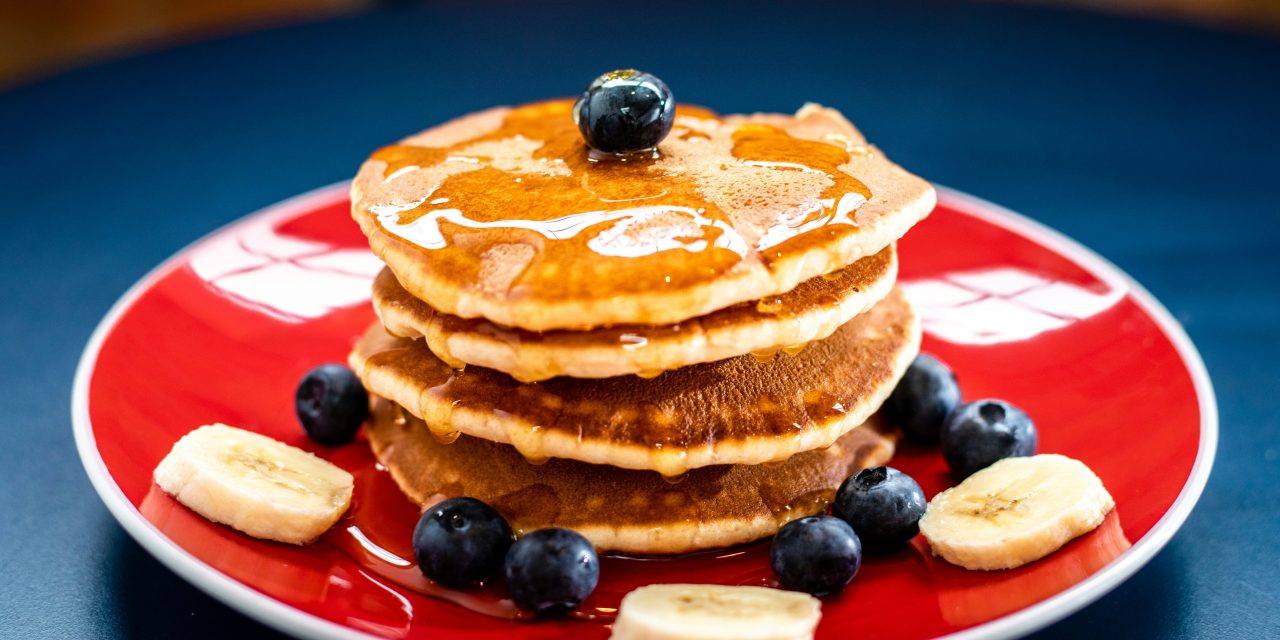
In the realm of health and nutrition, protein pancakes have emerged as a popular breakfast choice, particularly among fitness enthusiasts and those seeking to maintain a balanced diet. However, the conventional approach often involves the use of protein powder, which can be costly and may not appeal to everyone’s palate. Opting for protein pancakes without protein powder allows individuals to harness the nutritional benefits of whole foods while avoiding artificial additives and sweeteners commonly found in commercial protein supplements. This article delves into various natural ingredients that can be incorporated into pancake recipes to enhance their protein content, flavor, and overall nutritional profile.
Choosing to create protein pancakes without relying on protein powder opens up a world of culinary possibilities. Whole food ingredients not only provide essential amino acids but also contribute vitamins, minerals, and healthy fats that are often absent in processed powders. By utilizing ingredients such as Greek yogurt, cottage cheese, eggs, nut butters, and various seeds, one can craft delicious pancakes that are both satisfying and nourishing. This approach not only promotes a wholesome diet but also encourages creativity in the kitchen, allowing for personalized flavors and textures that cater to individual preferences.
If you’re looking for a delicious way to enjoy protein pancakes without the use of protein powder, you might find it helpful to explore alternative ingredients that can boost the protein content naturally. For instance, using Greek yogurt, cottage cheese, or even mashed bananas can enhance the nutritional value of your pancakes. Additionally, you can check out this informative article on essential dog care tips, which emphasizes the importance of a balanced diet for your furry friends, paralleling the idea of nourishing your body with wholesome ingredients. You can read more about it here: 10 Essential Dog Care Training Tips Every Owner Should Know.
Using Greek Yogurt for a Creamy Protein Boost
Greek yogurt stands out as an exceptional ingredient for enhancing the protein content of pancakes. With approximately 10 grams of protein per 100 grams, it serves as a creamy base that adds moisture and richness to the batter. The thick consistency of Greek yogurt not only contributes to a delightful texture but also aids in binding the ingredients together, resulting in fluffy pancakes that are easy to flip and serve.
In addition to its protein content, Greek yogurt is rich in probiotics, which promote gut health and aid digestion. Incorporating this ingredient into pancake recipes can elevate the nutritional value significantly. For instance, a simple recipe might include one cup of Greek yogurt mixed with eggs and whole grain flour, yielding a deliciously creamy batter that is both satisfying and nutritious. The tangy flavor of Greek yogurt also complements sweet toppings such as fresh fruits or honey, making it a versatile choice for breakfast or brunch.
Incorporating Cottage Cheese for Extra Protein and Moisture

Cottage cheese is another powerhouse ingredient that can be seamlessly integrated into pancake recipes. With about 11 grams of protein per half-cup serving, it not only boosts the protein content but also adds moisture and a subtle creaminess to the pancakes. The curds in cottage cheese create a unique texture that can enhance the overall mouthfeel of the dish.
When using cottage cheese in pancake batter, it is advisable to blend it until smooth to avoid any lumps. This ensures an even distribution throughout the mixture, resulting in light and fluffy pancakes. Additionally, cottage cheese is low in fat and calories while being high in calcium, making it an excellent choice for those looking to maintain a healthy lifestyle. Pairing cottage cheese pancakes with fresh fruit or a drizzle of maple syrup can create a delightful balance of flavors that appeals to both adults and children alike.
Adding Eggs: The Classic Protein Powerhouse

Eggs are often hailed as one of nature’s most complete sources of protein, containing all nine essential amino acids necessary for human health. Each large egg provides approximately 6 grams of high-quality protein along with vital nutrients such as vitamin D, choline, and selenium. Incorporating eggs into pancake recipes not only enhances the protein content but also contributes to the structural integrity of the pancakes.
When preparing pancakes, using whole eggs or egg whites can significantly improve the nutritional profile without compromising taste. The emulsifying properties of eggs help bind the ingredients together while providing moisture and richness. For those who prefer a lighter option, substituting egg whites can reduce calories while still delivering ample protein. A classic pancake recipe might include two eggs whisked together with flour and milk, resulting in a fluffy stack that is both satisfying and nutritious.
If you’re looking for a delicious way to enjoy a healthy breakfast, you might want to explore how to make protein pancakes without protein powder. These pancakes can be made using ingredients like oats, bananas, and eggs, which provide a great source of protein and flavor. For more tips on creating nutritious meals, check out this informative article on removing wasp nests, which highlights the importance of maintaining a safe and healthy environment for cooking.
Utilizing Nut Butters to Enhance Flavor and Protein Content
Nut butters such as almond butter, peanut butter, or cashew butter are excellent additions to pancake recipes for those seeking an extra boost of flavor and protein. These spreads are not only rich in protein—typically containing around 7-8 grams per two-tablespoon serving—but they also provide healthy fats that contribute to satiety and overall well-being.
Incorporating nut butter into pancake batter can create a rich, nutty flavor that pairs beautifully with sweet toppings like sliced bananas or berries. Additionally, nut butters are packed with vitamins and minerals such as vitamin E, magnesium, and potassium, making them a nutritious choice for breakfast. A simple recipe might involve mixing nut butter with oats and eggs to create a hearty pancake that is both delicious and filling.
Including Oats to Increase Fiber and Protein Naturally
Oats are a fantastic ingredient for enhancing both fiber and protein content in pancakes. With approximately 6 grams of protein per cup when cooked, oats provide a wholesome base that contributes to heart health and digestive wellness. The soluble fiber found in oats helps regulate blood sugar levels while promoting feelings of fullness.
Using rolled oats or oat flour in pancake recipes can yield a hearty texture that complements other ingredients beautifully. For instance, blending oats into a fine flour before mixing them with eggs and milk can create a nutritious batter that cooks up fluffy and satisfying. Additionally, oats can be combined with fruits like blueberries or apples for added flavor and nutrients, making them an ideal choice for a balanced breakfast.
Using Quinoa Flour as a Protein-Rich Alternative
Quinoa flour is an excellent gluten-free alternative that boasts an impressive protein content of approximately 8 grams per cup. This ancient grain is not only rich in protein but also contains all nine essential amino acids, making it a complete source of nutrition. Incorporating quinoa flour into pancake recipes can provide a unique flavor profile while enhancing the overall nutritional value.
When using quinoa flour in pancakes, it is essential to combine it with other flours or ingredients to achieve the desired texture. A blend of quinoa flour with almond flour or whole wheat flour can create a delightful pancake batter that is both nutritious and satisfying. Additionally, quinoa flour is rich in fiber, magnesium, and antioxidants, making it an excellent choice for those seeking to improve their dietary intake.
Adding Chia Seeds or Flaxseeds for Protein and Omega-3s
Chia seeds and flaxseeds are nutrient-dense additions that can significantly enhance the protein content of pancakes while providing essential fatty acids such as omega-3s. Chia seeds contain approximately 5 grams of protein per ounce along with high levels of fiber and antioxidants. Flaxseeds offer similar benefits with about 6 grams of protein per ounce.
Incorporating these seeds into pancake recipes not only boosts nutritional value but also adds texture and crunch. For instance, mixing chia seeds into the batter can create a delightful crunch while providing hydration due to their gel-forming properties when soaked in liquid. Flaxseeds can be ground into meal form before adding them to the batter for optimal nutrient absorption. Both seeds pair well with fruits or nut butters for added flavor.
Combining Milk or Plant-Based Milk for Additional Protein
Milk is an excellent source of protein, providing approximately 8 grams per cup along with calcium and vitamin D essential for bone health. Incorporating milk into pancake recipes enhances both flavor and nutritional content while contributing to the overall moisture of the batter. For those who prefer plant-based options, almond milk or soy milk can serve as suitable alternatives—soy milk contains about 7 grams of protein per cup.
When preparing pancakes, using milk or plant-based milk can create a light and fluffy texture while enriching the dish with essential nutrients. A simple recipe might involve combining whole wheat flour with eggs and milk for a classic pancake experience that is both satisfying and nutritious. Experimenting with different types of milk can also introduce unique flavors that elevate the overall dish.
Sweetening Naturally with Banana or Applesauce for Nutrients
Natural sweeteners such as ripe bananas or applesauce can enhance the flavor profile of pancakes while providing additional nutrients without added sugars. Bananas are rich in potassium and vitamin C while offering about 1 gram of protein per medium-sized fruit. Applesauce serves as a low-calorie alternative that adds moisture while contributing fiber.
Incorporating mashed bananas or applesauce into pancake batter not only sweetens the dish but also adds natural flavors that complement other ingredients beautifully. A simple recipe might involve mashing one ripe banana into the batter along with oats and eggs for a deliciously sweet pancake option that is both nutritious and satisfying.
Tips for Cooking and Serving Your Protein Pancakes Perfectly
To achieve perfectly cooked protein pancakes, several tips can enhance both texture and flavor. First, ensure that your griddle or skillet is preheated adequately before pouring in the batter; this helps achieve an even cook without burning the exterior while leaving the interior undercooked. Using non-stick cooking spray or a small amount of oil can prevent sticking while promoting browning.
When pouring batter onto the cooking surface, use a measuring cup or ladle for uniformity in size; this ensures even cooking times across all pancakes. Allow each pancake to cook until bubbles form on the surface before flipping—this indicates readiness for turning over without compromising fluffiness. Serve your pancakes warm with toppings such as fresh fruit, yogurt, or nut butter for added flavor and nutrition.
In conclusion, crafting protein pancakes without relying on protein powder opens up numerous avenues for creativity while promoting healthful eating habits. By incorporating whole food ingredients such as Greek yogurt, cottage cheese, eggs, nut butters, oats, quinoa flour, chia seeds, milk alternatives, bananas, or applesauce into your recipes, you can create deliciously nutritious pancakes that cater to your dietary needs without sacrificing taste or texture.
### FAQ Section
1. **Can I make these pancakes gluten-free?**
Yes! Substitute regular flour with gluten-free alternatives like almond flour or quinoa flour.
2. **How do I store leftover pancakes?**
Store leftover pancakes in an airtight container in the refrigerator for up to three days or freeze them for longer storage.
3. **Can I use egg substitutes?**
Absolutely! You can use flaxseed meal mixed with water or commercial egg replacers if you prefer vegan options.
4. **What toppings pair well with these pancakes?**
Fresh fruits like berries or bananas, yogurt, nut butter, honey, or maple syrup make excellent toppings.
5. **How do I make my pancakes fluffier?**
Ensure your baking powder is fresh; consider separating egg whites from yolks—whipping whites before folding them into the batter can add extra fluffiness.
6. **Can I add chocolate chips?**
Yes! Dark chocolate chips can be added for extra flavor; just be mindful of portion sizes if you’re watching sugar intake.
7. **How do I adjust sweetness levels?**
You can adjust sweetness by varying the amount of mashed banana or applesauce used in your recipe.
8. **Are these pancakes suitable for meal prep?**
Yes! These pancakes freeze well; simply reheat them in a toaster or microwave when ready to eat.
9. **What’s the best way to reheat frozen pancakes?**
The toaster works best; alternatively, you can microwave them on low power until warmed through.
10. **Can I add vegetables like spinach or zucchini?**
Yes! Finely grated vegetables can be added for extra nutrients without compromising flavor.
In summary, creating protein-rich pancakes without relying on protein powder allows individuals to enjoy delicious meals packed with nutrients from whole food sources. By utilizing ingredients like Greek yogurt, cottage cheese, eggs, nut butters, oats, quinoa flour, chia seeds, milk alternatives, bananas, or applesauce—one can craft flavorful dishes that cater to diverse dietary needs while promoting overall health.
FAQs
What ingredients can I use to make protein pancakes without protein powder?
You can use ingredients such as oats, cottage cheese, Greek yogurt, eggs, and nut butters to increase the protein content of your pancakes. For example, blending oats into a flour-like consistency or using cottage cheese can provide a good protein boost.
Can I use bananas in my protein pancake recipe?
Yes, bananas can be used in protein pancake recipes. They not only add natural sweetness but also contribute to the overall texture and moisture of the pancakes. Mashed bananas can replace some of the liquid or fat in the recipe.
How can I make my protein pancakes fluffier?
To make your protein pancakes fluffier, you can separate the egg whites from the yolks and whip the egg whites until they form stiff peaks before folding them into the batter. Additionally, using baking powder can help create a lighter texture.
Are protein pancakes suitable for people with dietary restrictions?
Yes, protein pancakes can be adapted for various dietary restrictions. For gluten-free options, you can use almond flour or oat flour. For dairy-free versions, substitute Greek yogurt or cottage cheese with plant-based alternatives like almond yogurt or silken tofu.
How can I enhance the flavor of my protein pancakes?
You can enhance the flavor of your protein pancakes by adding ingredients such as vanilla extract, cinnamon, or cocoa powder. Toppings like fresh fruits, nuts, or a drizzle of honey or maple syrup can also elevate the taste.