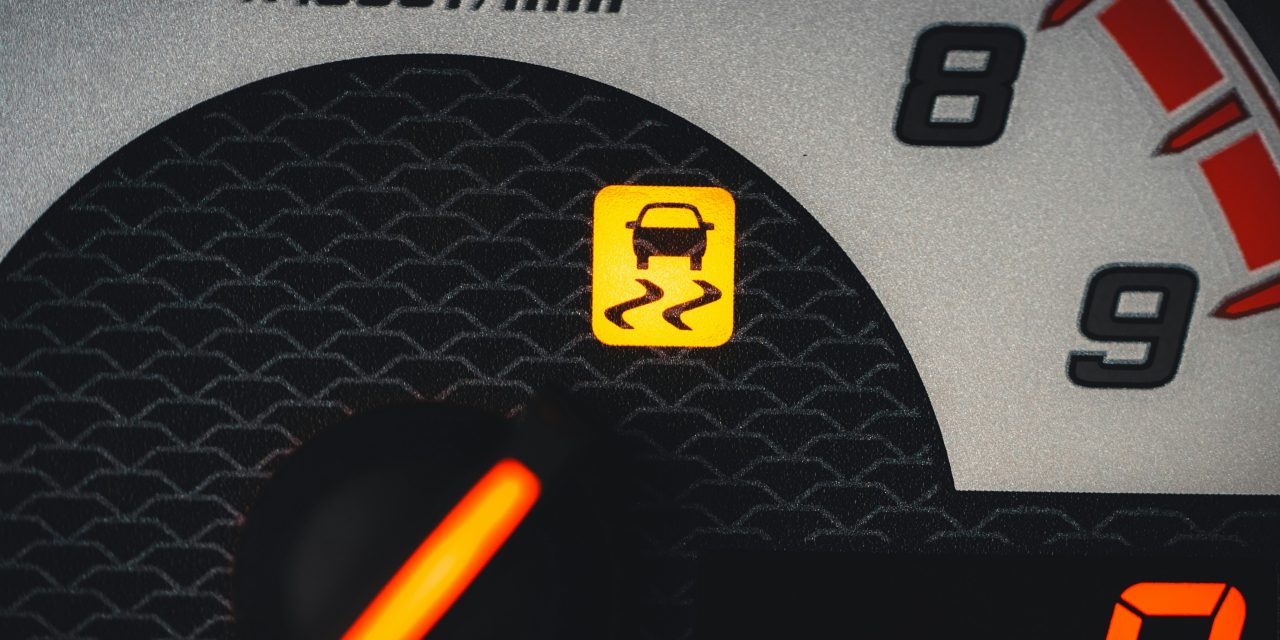
The Anti-lock Braking System (ABS) warning light is a crucial indicator on your vehicle’s dashboard, designed to alert drivers to potential issues within the braking system. When illuminated, this warning signifies that the ABS is not functioning optimally, which can compromise vehicle safety during braking maneuvers. The ABS plays a vital role in preventing wheel lock-up during sudden stops, thereby enhancing vehicle control and stability. Understanding the implications of this warning light is essential for maintaining safe driving conditions.
When the ABS warning light activates, it typically appears as a yellow or amber icon resembling the letters “ABS.” This light may illuminate for various reasons, ranging from minor issues to significant malfunctions. Ignoring this warning can lead to decreased braking efficiency and increased stopping distances, posing a risk to both the driver and other road users. Therefore, recognizing the importance of this warning light is paramount for ensuring vehicle safety and performance.
If you’re curious about vehicle maintenance and safety features, you might find it helpful to read about the ABS warning light and what it signifies. Understanding this warning can help you address potential braking issues before they become serious. For more information on maintaining your home, you can check out this article on how to clean hardwood floors without damaging the finish: How to Clean Hardwood Floors Without Damaging the Finish.
Reason 1: Faulty Wheel Speed Sensors
One of the primary culprits behind an illuminated ABS warning light is faulty wheel speed sensors. These sensors are integral components of the ABS, responsible for monitoring the rotational speed of each wheel. When a wheel speed sensor malfunctions, it can send incorrect data to the ABS control module, leading to improper braking responses. This can result in the ABS system failing to engage during emergency braking situations, increasing the likelihood of skidding or loss of control.
Common symptoms of faulty wheel speed sensors include erratic braking behavior, unusual noises during braking, and the ABS warning light illuminating on the dashboard. Diagnosing this issue typically involves using an OBD-II scanner to retrieve diagnostic trouble codes (DTCs) related to the ABS system. If a faulty sensor is identified, replacement is often necessary to restore proper functionality and ensure safe braking performance.
Reason 2: Damaged or Worn ABS Module

The ABS module serves as the brain of the anti-lock braking system, processing information from various sensors and controlling hydraulic pressure to prevent wheel lock-up. A damaged or worn ABS module can lead to erratic braking behavior and trigger the ABS warning light. Factors contributing to module failure include exposure to moisture, corrosion, and electrical issues.
Symptoms of a malfunctioning ABS module may include inconsistent braking performance, a pulsating brake pedal, or a complete loss of ABS functionality. Diagnosing this issue often requires specialized diagnostic equipment to assess the module’s performance and integrity. In cases where the module is found to be defective, replacement is typically necessary to restore proper braking function and ensure safety on the road.
Reason 3: Low Brake Fluid Levels

Low brake fluid levels can significantly impact the performance of the ABS system and trigger the warning light. Brake fluid is essential for transmitting hydraulic pressure within the braking system; insufficient fluid can lead to reduced braking efficiency and compromised safety. Low fluid levels may result from leaks in the brake lines, worn brake components, or simply neglecting regular maintenance.
Drivers should regularly check their brake fluid levels as part of routine vehicle maintenance. If low fluid levels are detected, it is crucial to investigate the underlying cause and address any leaks or component wear promptly. Refilling brake fluid may temporarily resolve the warning light issue; however, identifying and rectifying the root cause is essential for long-term safety and performance.
If you’ve ever wondered what the ABS warning light means in your vehicle, it’s essential to understand its significance for your safety. The ABS, or Anti-lock Braking System, is a crucial feature that helps prevent your wheels from locking up during hard braking, allowing you to maintain steering control. For a deeper understanding of vehicle maintenance and safety, you might find this article on decluttering your life interesting, as it emphasizes the importance of keeping your surroundings organized, much like how you should keep your car in optimal condition. You can read more about it here.
Reason 4: Blown ABS Fuse or Electrical Issues
Electrical issues can also trigger the ABS warning light, with a blown fuse being one of the most common culprits. The ABS system relies on a network of electrical components to function correctly; if any part of this network fails, it can lead to system malfunctions. A blown fuse may disrupt power supply to critical components, resulting in an illuminated warning light.
In addition to blown fuses, other electrical issues such as damaged wiring or corroded connectors can also affect ABS functionality. Diagnosing electrical problems typically involves visual inspections and continuity tests to identify faulty components. Replacing blown fuses or repairing damaged wiring can often resolve these issues and restore proper ABS operation.
Reason 5: Problems with the Hydraulic Pump or Valves
The hydraulic pump and valves are essential components of the ABS system, responsible for modulating brake pressure during emergency stops. If either of these components malfunctions, it can lead to an illuminated ABS warning light and compromised braking performance. Common issues include pump failure due to wear and tear or valve blockages caused by debris or corrosion.
Symptoms of hydraulic pump or valve problems may include a spongy brake pedal feel, inconsistent braking response, or unusual noises during braking. Diagnosing these issues often requires specialized equipment to assess hydraulic pressure levels and component functionality. In cases where repairs are not feasible, replacement of the hydraulic pump or valves may be necessary to restore optimal braking performance.
Reason 6: Worn Brake Pads or Rotors Affecting ABS
Worn brake pads or rotors can indirectly affect the performance of the ABS system by altering braking dynamics. When brake pads become excessively worn, they may not provide adequate friction during braking, leading to longer stopping distances and potential activation of the ABS system during normal driving conditions. Similarly, warped or damaged rotors can create uneven braking forces that trigger the ABS warning light.
Regular inspection and maintenance of brake components are essential for ensuring optimal performance and safety. Drivers should be vigilant for signs of wear, such as squeaking noises or reduced braking efficiency. Replacing worn brake pads and resurfacing or replacing damaged rotors can help maintain proper braking function and prevent unnecessary activation of the ABS system.
Reason 7: Malfunctioning ABS Tone Ring
The ABS tone ring is a critical component that works in conjunction with wheel speed sensors to provide accurate data regarding wheel rotation. If the tone ring becomes damaged or misaligned, it can lead to incorrect readings being sent to the ABS control module, resulting in an illuminated warning light. Common causes of tone ring failure include physical damage from road debris or corrosion due to exposure to moisture.
Symptoms of a malfunctioning tone ring may include erratic speed readings on the dashboard or inconsistent braking behavior. Diagnosing this issue typically involves visual inspections to assess the condition of the tone ring and its alignment with wheel speed sensors. If damage is detected, replacement of the tone ring is necessary to restore accurate data transmission and proper ABS functionality.
How to Diagnose ABS Warning Light Issues
Diagnosing issues related to an illuminated ABS warning light requires a systematic approach that combines visual inspections with advanced diagnostic tools. The first step involves using an OBD-II scanner to retrieve any diagnostic trouble codes (DTCs) associated with the ABS system. These codes provide valuable insights into specific components that may be malfunctioning.
Following code retrieval, technicians should conduct thorough visual inspections of key components such as wheel speed sensors, wiring harnesses, fuses, and hydraulic systems. Testing individual components for functionality using multimeters or pressure gauges can help pinpoint issues accurately. Once identified, appropriate repairs or replacements can be made to restore proper ABS operation.
The Importance of Promptly Addressing ABS Warnings
Addressing an illuminated ABS warning light promptly is crucial for maintaining vehicle safety and performance. Ignoring this warning can lead to compromised braking efficiency, increased stopping distances, and heightened risk of accidents during emergency situations. The ABS system plays a vital role in enhancing vehicle control; therefore, any malfunction should be treated with urgency.
Regular maintenance checks and timely repairs can prevent minor issues from escalating into significant problems that jeopardize safety on the road. Drivers should prioritize addressing any ABS warnings immediately by consulting qualified technicians who can diagnose and rectify underlying issues effectively.
When to Seek Professional Help for ABS Repairs
While some minor issues related to the ABS system may be resolved through basic troubleshooting, seeking professional help is advisable for more complex problems. If you encounter persistent ABS warning lights despite addressing potential causes such as low fluid levels or blown fuses, it is essential to consult a qualified mechanic with expertise in automotive braking systems.
Professional technicians possess specialized diagnostic tools and knowledge necessary for accurately diagnosing intricate issues within the ABS system. They can provide comprehensive inspections, recommend appropriate repairs or replacements, and ensure that your vehicle’s braking system operates safely and efficiently.
In summary, understanding the implications of an illuminated ABS warning light is vital for maintaining vehicle safety. Various factors such as faulty wheel speed sensors, damaged modules, low brake fluid levels, electrical issues, hydraulic pump problems, worn brake components, malfunctioning tone rings can contribute to this warning light activation. Prompt diagnosis and resolution are essential for ensuring optimal braking performance and preventing accidents on the road. Regular maintenance checks and professional assistance are key components in safeguarding your vehicle’s anti-lock braking system against potential failures.
FAQs
What is the ABS warning light?
The ABS warning light indicates a problem with the Anti-lock Braking System (ABS) in a vehicle. This system helps prevent the wheels from locking up during hard braking, allowing for better control and stability.
What causes the ABS warning light to turn on?
The ABS warning light can turn on due to various reasons, including a malfunctioning ABS sensor, low brake fluid levels, a faulty ABS module, or issues with the vehicle’s electrical system. It may also activate if the brake system is experiencing a general fault.
Is it safe to drive with the ABS warning light on?
While it may be safe to drive with the ABS warning light on in some cases, it is not advisable. The ABS system may not function properly, which can affect braking performance. It is recommended to have the vehicle inspected by a professional as soon as possible.
How can I reset the ABS warning light?
Resetting the ABS warning light typically requires a diagnostic tool to clear the error codes stored in the vehicle’s computer. However, it is essential to address the underlying issue before resetting the light to ensure the ABS system is functioning correctly.
What should I do if the ABS warning light stays on?
If the ABS warning light stays on after starting the vehicle, it is important to have the vehicle checked by a qualified mechanic. They can diagnose the issue and perform necessary repairs to ensure the safety and functionality of the braking system.