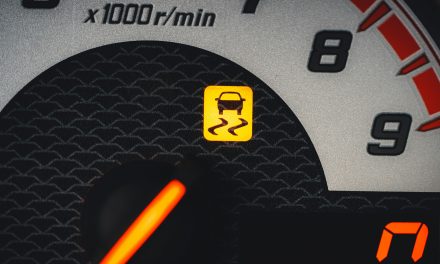
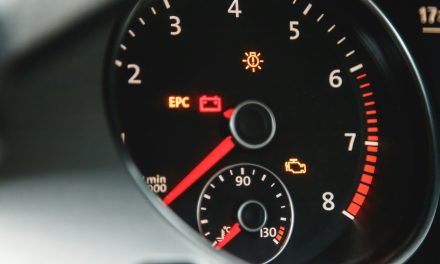
The check engine light (CEL) is an integral component of modern automotive diagnostics, serving as a warning indicator that alerts drivers to potential issues within the vehicle’s engine or emissions system. This light can illuminate for a myriad of reasons, ranging from minor issues such as a loose gas cap to more severe problems like engine misfires or catalytic converter failures. The CEL is part of the onboard diagnostics (OBD) system, which monitors various engine parameters and performance metrics to ensure optimal functionality.
When the check engine light activates, it is crucial for drivers to understand that it signifies a need for immediate attention. Ignoring this warning can lead to more significant mechanical failures, decreased fuel efficiency, and increased emissions. The light may appear as a steady glow or flash; a steady light typically indicates a non-urgent issue, while a flashing light suggests a critical problem that requires immediate intervention. Understanding the implications of the CEL is essential for maintaining vehicle health and ensuring safety on the road.
If you’re experiencing a flashing check engine light accompanied by a shaking car, it’s crucial to address the issue promptly, as it may indicate a serious problem with your vehicle. Common causes can range from ignition system failures to issues with the fuel system. For a deeper understanding of potential automotive problems and their solutions, you can check out this related article that provides insights into car maintenance and troubleshooting: here.
The Connection Between a Flashing Check Engine Light and Car Shaking
A flashing check engine light often correlates with noticeable symptoms such as car shaking or vibrations during operation. This phenomenon occurs when the engine experiences irregular combustion cycles, leading to an imbalance in power delivery. The shaking can manifest as a rough idle, vibrations felt through the steering wheel, or even a loss of acceleration. Such symptoms indicate that the engine is struggling to maintain optimal performance, which can be attributed to various underlying issues.
The connection between a flashing CEL and car shaking is primarily rooted in engine misfires. When the engine misfires, it fails to ignite fuel in one or more cylinders at the appropriate time, resulting in uneven power distribution. This misalignment not only triggers the CEL but also causes the vehicle to shake as it attempts to compensate for the lost power. Addressing these symptoms promptly is vital to prevent further damage and ensure safe driving conditions.
Common Causes of a Flashing Check Engine Light

Several factors can trigger a flashing check engine light, each requiring careful diagnosis and resolution. Among the most prevalent causes are:
1. **Engine Misfires**: As previously mentioned, misfires are often the primary culprit behind both the CEL activation and car shaking.
2. **Faulty Ignition Components**: Issues with spark plugs or ignition coils can lead to incomplete combustion, resulting in misfires.
3. **Fuel System Malfunctions**: Problems such as clogged fuel injectors or dirty fuel filters can disrupt fuel delivery, affecting engine performance.
4. **Oxygen Sensor Failures**: A malfunctioning oxygen sensor can lead to incorrect air-fuel mixture readings, causing inefficient combustion.
5. **Transmission Issues**: Problems within the transmission system can also manifest as engine performance issues, leading to vibrations and warning lights.
Understanding these common causes is essential for diagnosing and addressing the root of the problem effectively.
Engine Misfire: The Primary Reason for Shaking and Warning Light

Engine misfires occur when one or more cylinders fail to ignite fuel properly, leading to a loss of power and efficiency. This condition can be caused by various factors, including faulty ignition components, fuel delivery issues, or even mechanical problems within the engine itself. When a misfire occurs, it disrupts the smooth operation of the engine, resulting in vibrations that can be felt throughout the vehicle.
The consequences of an engine misfire extend beyond mere discomfort; they can lead to increased emissions and potential damage to critical components such as the catalytic converter. If left unaddressed, persistent misfires can result in costly repairs and diminished vehicle performance. Therefore, recognizing the signs of an engine misfire—such as rough idling, decreased acceleration, and a flashing check engine light—is crucial for timely intervention.
If you are experiencing a flashing check engine light along with your car shaking, it is crucial to address these issues promptly to avoid further damage. Common causes for these symptoms can range from ignition system problems to issues with the fuel system. For a deeper understanding of car maintenance and how it relates to performance, you might find this article on preventive measures helpful. It discusses the importance of regular check-ups, which can help prevent unexpected car troubles in the future. You can read more about it here.
Faulty Spark Plugs and Ignition Coils: How They Affect Performance
Spark plugs and ignition coils play pivotal roles in ensuring proper combustion within an internal combustion engine. Spark plugs generate the electrical spark necessary to ignite the air-fuel mixture in each cylinder, while ignition coils provide the high-voltage current required for this process. When either component malfunctions, it can lead to incomplete combustion, resulting in engine misfires and subsequent shaking.
Faulty spark plugs may exhibit signs such as wear, carbon buildup, or improper gap settings, all of which can hinder their ability to produce a strong spark. Similarly, malfunctioning ignition coils may fail to deliver adequate voltage, leading to weak or absent sparks. Regular maintenance of these components is essential for optimal engine performance; replacing worn spark plugs and testing ignition coils can prevent misfires and ensure smooth operation.
Fuel System Issues: Clogged Injectors and Dirty Fuel Filters
The fuel system is responsible for delivering the correct amount of fuel to the engine for combustion. Clogged fuel injectors or dirty fuel filters can significantly impede this process, leading to poor engine performance and triggering the check engine light. Clogged injectors may restrict fuel flow, resulting in lean or rich air-fuel mixtures that can cause misfires and vibrations.
Dirty fuel filters can exacerbate these issues by preventing clean fuel from reaching the injectors. Over time, contaminants such as dirt, rust, and debris accumulate in the fuel system, necessitating regular maintenance to ensure optimal functionality. Replacing fuel filters at recommended intervals and using high-quality fuel can help mitigate these problems and maintain engine performance.
Problems with the Oxygen Sensor and Emission Control Systems
The oxygen sensor plays a critical role in monitoring the air-fuel mixture entering the engine and ensuring optimal combustion efficiency. A malfunctioning oxygen sensor can lead to incorrect readings, causing the engine control unit (ECU) to adjust fuel delivery improperly. This imbalance can result in poor performance, increased emissions, and ultimately trigger the check engine light.
Additionally, issues within emission control systems—such as catalytic converters or exhaust gas recirculation (EGR) valves—can further complicate matters. These components work together to reduce harmful emissions; when they fail, they not only affect vehicle performance but also contribute to environmental pollution. Regular diagnostics and timely replacement of faulty sensors are essential for maintaining compliance with emission standards and ensuring efficient engine operation.
Transmission Troubles Leading to Engine Warning and Vibrations
Transmission problems can also manifest as vibrations and trigger the check engine light. The transmission is responsible for transferring power from the engine to the wheels; any disruption in this process can lead to noticeable symptoms such as shaking or slipping gears. Common transmission issues include low fluid levels, worn-out components, or electronic malfunctions.
When transmission fluid levels are low or contaminated, it can lead to inadequate lubrication and overheating of internal components. This situation may result in erratic shifting patterns or vibrations felt throughout the vehicle. Regular transmission fluid checks and maintenance are crucial for preventing these issues and ensuring smooth operation.
The Role of Vacuum Leaks in Engine Performance Problems
Vacuum leaks occur when there is an unintended gap in the intake manifold or vacuum hoses that allows air to enter the system without passing through the throttle body. This excess air disrupts the air-fuel mixture ratio, leading to lean conditions that can cause misfires and rough idling. Symptoms of vacuum leaks may include hissing sounds from the engine bay, fluctuating idle speeds, and poor acceleration.
Diagnosing vacuum leaks often involves visual inspections of hoses and connections as well as using diagnostic tools such as smoke machines to identify leaks effectively. Addressing vacuum leaks promptly is essential for restoring proper engine performance and preventing further complications.
Diagnosing the Issue: When to Use an OBD-II Scanner
Utilizing an OBD-II scanner is an invaluable tool for diagnosing issues related to a flashing check engine light and accompanying symptoms such as car shaking. These scanners interface with the vehicle’s onboard diagnostics system to retrieve trouble codes that indicate specific malfunctions within various systems.
When faced with a flashing CEL, connecting an OBD-II scanner allows technicians or knowledgeable vehicle owners to pinpoint the underlying issue quickly. The retrieved codes provide insight into which components may be malfunctioning—be it ignition systems, fuel delivery mechanisms, or emission controls—enabling targeted repairs rather than guesswork.
Preventive Measures and When to Seek Professional Help
Preventive measures play a crucial role in maintaining vehicle health and minimizing the risk of encountering a flashing check engine light or related symptoms. Regular maintenance practices such as timely oil changes, spark plug replacements, fuel filter changes, and thorough inspections of ignition components can significantly enhance overall performance.
However, there are instances when seeking professional help becomes imperative. If a driver experiences persistent shaking accompanied by a flashing CEL despite performing routine maintenance or if they are unsure about diagnosing complex issues themselves, consulting with an experienced mechanic is advisable. Professional technicians possess specialized knowledge and tools necessary for accurate diagnostics and effective repairs.
In summary, understanding the implications of a flashing check engine light is vital for maintaining vehicle health and safety on the road. Recognizing common causes such as engine misfires, faulty ignition components, fuel system issues, oxygen sensor malfunctions, transmission troubles, vacuum leaks, and utilizing diagnostic tools like OBD-II scanners can aid in timely interventions. Preventive measures combined with professional assistance when needed will ensure optimal vehicle performance while minimizing repair costs over time.
FAQs
What does it mean when my check engine light is flashing?
A flashing check engine light typically indicates a serious issue with your vehicle’s engine or emissions system. It often signifies that the engine is misfiring, which can lead to increased emissions and potential damage to the catalytic converter if not addressed promptly.
Why is my car shaking when the check engine light is on?
Car shaking in conjunction with a flashing check engine light usually points to engine misfires or issues with the fuel system, ignition system, or air intake. These problems can cause uneven engine performance, leading to vibrations felt throughout the vehicle.
What should I do if my check engine light is flashing and my car is shaking?
If your check engine light is flashing and your car is shaking, it is crucial to stop driving the vehicle as soon as it is safe to do so. Continuing to drive can cause further damage. You should have the vehicle diagnosed by a professional mechanic as soon as possible.
Can I drive my car with a flashing check engine light?
It is not advisable to drive your car with a flashing check engine light. This warning indicates a potentially severe issue that could lead to more significant damage or safety hazards. It is best to pull over and seek professional assistance immediately.
What are common causes of a flashing check engine light and car shaking?
Common causes include faulty spark plugs, ignition coils, fuel injector problems, or issues with the engine’s air-fuel mixture. Other potential causes could be a malfunctioning mass airflow sensor or a vacuum leak. A diagnostic scan can help identify the specific issue.