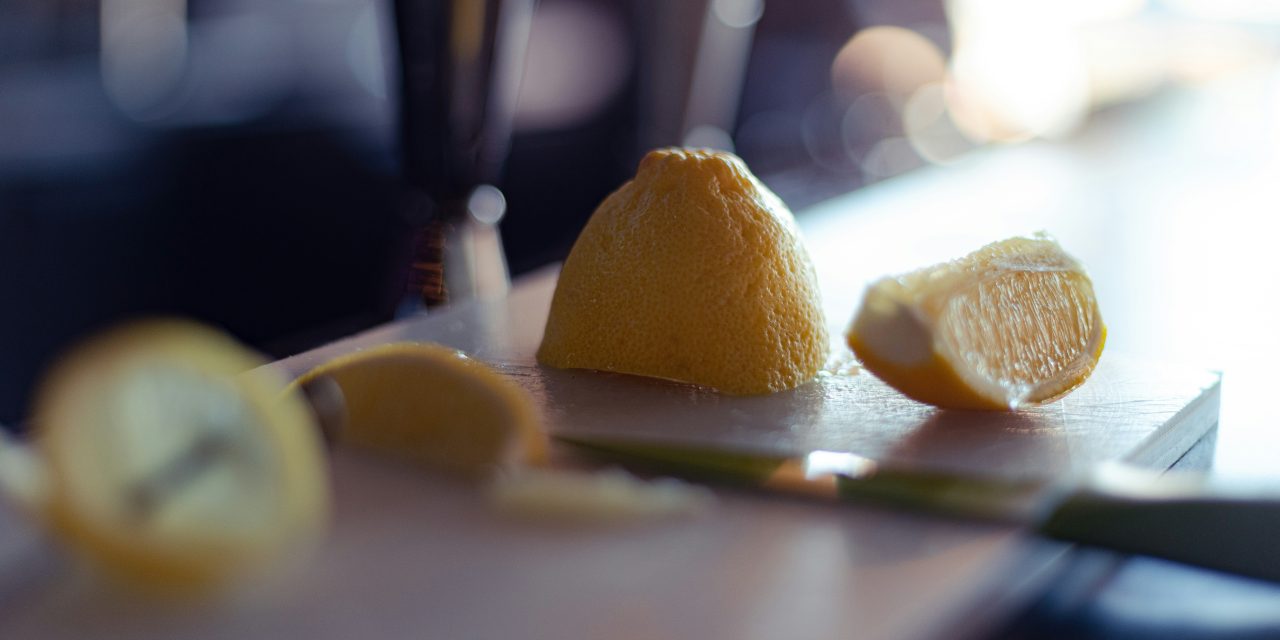
Lemon zest refers to the outermost layer of the lemon peel, which is rich in essential oils and aromatic compounds. This vibrant yellow layer is not only visually appealing but also packed with flavor, offering a bright, citrusy essence that can elevate a variety of culinary creations. The zest contains no bitter white pith beneath it, making it a sought-after ingredient for enhancing dishes without imparting unwanted bitterness. The zest is often used in both sweet and savory recipes, showcasing its versatility in the kitchen.
The zest is obtained by grating or peeling the outer layer of the lemon, and it is important to note that it should be sourced from organic lemons whenever possible. This is due to the fact that conventionally grown lemons may be coated with wax or pesticides that can affect the purity of the zest. By using organic lemons, one can ensure that the zest retains its natural flavor and aroma, free from harmful chemicals.
If you’re curious about how much zest is in one lemon, you might find it interesting to explore the various culinary uses of lemons and their zest in cooking and baking. For a related article that discusses practical tips for removing chocolate stains, which can sometimes occur while preparing delicious lemon desserts, check out this informative piece on how to tackle stubborn stains: How to Get Chocolate Stains Out of Clothes and Washable Fabrics. Understanding the versatility of lemons can enhance your cooking experience, while knowing how to manage kitchen mishaps can keep your clothes looking fresh.
How to Properly Zest a Lemon
Zesting a lemon can be accomplished using various tools, including microplane graters, zesters, or even vegetable peelers. Each method has its advantages, but the microplane is often favored for its ability to produce fine zest without incorporating any pith. To begin, wash the lemon thoroughly under running water to remove any residues. Once clean, dry it with a towel to prevent slipping during the zesting process.
When using a microplane, hold the lemon firmly in one hand and the grater in the other. Gently glide the lemon against the grater, rotating it as you go to capture zest from all sides. It is crucial to avoid pressing too hard, as this can lead to the inclusion of bitter pith. If using a zester, simply drag it across the surface of the lemon to create thin strips of zest. For those using a vegetable peeler, carefully peel away strips of zest, ensuring minimal pith is included. Regardless of the method chosen, always zest before juicing the lemon to maximize yield.
How Much Zest Can You Get from One Lemon?

The amount of zest obtained from a single lemon can vary based on its size and freshness. On average, a medium-sized lemon yields approximately 1 to 2 tablespoons of zest. Larger lemons may provide up to 3 tablespoons, while smaller varieties may yield less than a tablespoon. It is essential to consider that the zest’s intensity can also differ depending on the lemon’s ripeness; fresher lemons tend to have more aromatic oils concentrated in their peels.
When planning recipes that require lemon zest, it is advisable to have multiple lemons on hand, especially if you are preparing large batches or dishes that heavily rely on citrus flavor. This ensures that you have enough zest to achieve the desired taste profile without compromising on quality.
Using Lemon Zest to Enhance Baked Goods

Incorporating lemon zest into baked goods can significantly enhance their flavor profile. The bright citrus notes complement sweet ingredients beautifully, adding depth and complexity to cakes, cookies, and pastries. For instance, adding lemon zest to pound cake or muffins can create a refreshing contrast to rich buttery flavors. The zest can also be used in frostings and glazes, providing an aromatic finish that elevates the overall dessert experience.
When baking with lemon zest, it is important to consider the balance of flavors. A little goes a long way; typically, one tablespoon of zest is sufficient for most recipes. However, experimentation is encouraged—bakers may find that adjusting the amount of zest can yield delightful results tailored to personal preferences. Additionally, pairing lemon zest with complementary flavors such as lavender or rosemary can create unique and sophisticated baked goods.
When considering the zest of a lemon, it’s interesting to note how much flavor and aroma can be extracted from this vibrant fruit. For those curious about the culinary uses of lemons, you might find it helpful to explore a related article that discusses the importance of cleanliness in your kitchen, which can enhance your cooking experience. You can read more about this in the ultimate move-in cleaning checklist for your new apartment, where maintaining a tidy space is essential for preparing delicious meals.
Adding Zest to Salad Dressings and Marinades
Lemon zest serves as an excellent addition to salad dressings and marinades, imparting a bright acidity that enhances the overall flavor profile of dishes. When crafting vinaigrettes, incorporating lemon zest alongside fresh lemon juice can create a harmonious balance between tartness and richness. The essential oils in the zest contribute aromatic qualities that elevate simple dressings into gourmet creations.
For marinades, lemon zest can help tenderize proteins while infusing them with citrusy notes. Combining zest with olive oil, garlic, herbs, and spices creates a flavorful marinade for chicken, fish, or vegetables. Allowing proteins to marinate for at least 30 minutes ensures that the flavors penetrate deeply, resulting in a more flavorful dish upon cooking.
Infusing Beverages with Lemon Zest
Lemon zest can transform ordinary beverages into refreshing delights by adding a burst of citrus flavor. Whether used in cocktails, teas, or infused waters, the zest enhances both aroma and taste. For cocktails like mojitos or martinis, incorporating lemon zest into the mix can elevate the drink’s complexity and appeal.
To infuse beverages with lemon zest, simply add strips or grated zest to your drink of choice and allow it to steep for several minutes. For iced teas or sparkling waters, combining lemon zest with fresh herbs such as mint or basil can create invigorating flavor combinations that are perfect for warm weather refreshment.
Incorporating Zest into Sauces and Soups
Lemon zest can be an invaluable ingredient in sauces and soups, providing brightness and depth that balances rich flavors. In creamy sauces such as Alfredo or carbonara, adding lemon zest can cut through heaviness while enhancing overall taste. Similarly, in soups like chowders or bisques, a touch of lemon zest can brighten flavors and add an unexpected twist.
When incorporating lemon zest into sauces or soups, it is best added towards the end of cooking to preserve its aromatic qualities. A teaspoon or two is usually sufficient; however, adjusting based on personal preference is encouraged. The result is a dish that feels lighter and more vibrant while maintaining its comforting essence.
Using Lemon Zest in Homemade Cleaning Products
Beyond culinary applications, lemon zest possesses natural antibacterial properties that make it an excellent ingredient for homemade cleaning products. The essential oils found in lemon peel are effective at cutting through grease and grime while leaving behind a fresh scent. By combining lemon zest with vinegar or baking soda, one can create powerful cleaning solutions that are both eco-friendly and effective.
To make a simple all-purpose cleaner, combine lemon zest with white vinegar in a jar and let it steep for several days. Strain out the solids before transferring the liquid into a spray bottle for easy use around the home. This natural cleaner not only disinfects surfaces but also leaves behind a pleasant citrus aroma that enhances indoor air quality.
Lemon Zest for Garnishing and Presentation
The visual appeal of dishes can be significantly enhanced through the use of lemon zest as a garnish. Its vibrant color and texture add an artistic touch to plates while also hinting at the flavors within the dish. Sprinkling freshly grated lemon zest over seafood dishes or salads creates an inviting presentation that entices diners.
In addition to its aesthetic qualities, garnishing with lemon zest provides an aromatic experience as well. When served alongside dishes like grilled meats or desserts, it invites guests to engage their senses fully—both sight and smell—before indulging in their meal.
Preserving Lemon Zest for Later Use
For those who wish to enjoy lemon zest beyond its seasonal availability or simply want to reduce waste, preserving it for later use is an excellent option. One effective method involves freezing freshly grated lemon zest in ice cube trays filled with water or olive oil. Once frozen solid, these cubes can be transferred to airtight containers for long-term storage.
Another preservation technique includes drying lemon zest in a dehydrator or low-temperature oven until completely moisture-free. Once dried, it can be stored in airtight jars away from light and heat sources for several months without losing its flavor potency.
Tips for Maximizing Flavor from Lemon Zest
To maximize flavor extraction from lemon zest, consider these practical tips: always use fresh lemons rather than pre-packaged options; store lemons at room temperature until ready for use; and avoid pressing too hard when grating to prevent bitterness from pith inclusion. Additionally, pairing lemon zest with complementary ingredients such as garlic or herbs can enhance its flavor profile even further.
Experimentation is key—try incorporating different amounts of zest into various recipes until you find your ideal balance of flavors. Remember that freshness plays a crucial role; using freshly zested lemons will yield superior results compared to dried alternatives.
In summary, lemon zest is an incredibly versatile ingredient that enhances culinary creations across various applications—from baked goods and dressings to beverages and cleaning products. By understanding how to properly extract and utilize this flavorful component while exploring preservation methods for future use, one can fully appreciate its potential in both cooking and everyday life.
FAQs
How much zest can you get from one lemon?
On average, one medium-sized lemon can yield about 1 to 2 tablespoons of zest. The amount can vary depending on the size and freshness of the lemon.
What is lemon zest used for?
Lemon zest is commonly used to add flavor to a variety of dishes, including baked goods, marinades, dressings, and cocktails. It provides a bright, citrusy aroma and taste that enhances many recipes.
How do you properly zest a lemon?
To zest a lemon, use a microplane or a zester to scrape the outer yellow skin of the lemon. Be careful to avoid the white pith underneath, as it is bitter and can affect the flavor of your dish.
Can you use bottled lemon zest instead of fresh?
Bottled lemon zest can be used as a substitute for fresh zest, but it may not provide the same intensity of flavor. Fresh zest is generally preferred for its vibrant aroma and taste.
Is lemon zest the same as lemon juice?
No, lemon zest and lemon juice are not the same. Lemon zest is the outer peel of the lemon, which contains essential oils and flavor compounds, while lemon juice is the liquid extracted from the fruit’s pulp. They are often used together for a balanced citrus flavor.