Onions are a staple ingredient in culinary practices worldwide, revered for their ability to enhance flavors and add depth to a variety of dishes. However, there are numerous reasons why one might seek alternatives to this ubiquitous bulb. Individuals with allergies or intolerances to onions, those following specific dietary restrictions, or simply those who wish to experiment with different flavor profiles may find themselves in need of substitutes. Additionally, the availability of fresh onions can vary seasonally, prompting cooks to seek alternatives that can deliver similar taste and texture.
Substituting onions does not mean compromising on flavor; rather, it opens the door to a plethora of culinary possibilities. Each alternative brings its unique characteristics, allowing for creativity in the kitchen. Understanding the flavor profiles and cooking properties of these substitutes is essential for achieving the desired outcome in your dishes. This article will explore various onion substitutes, their flavor nuances, and practical tips for incorporating them into your cooking repertoire.
When cooking, it’s often useful to know how much dried onion equals one fresh onion, as dried herbs and spices can provide a more concentrated flavor. For a detailed guide on this topic, you can refer to the article that discusses various cooking substitutions and their equivalents. Additionally, if you’re interested in maintaining your kitchen environment, you might find this article on cleaning hardwood floors without damaging the finish quite helpful.
Understanding Onion Flavor Profiles
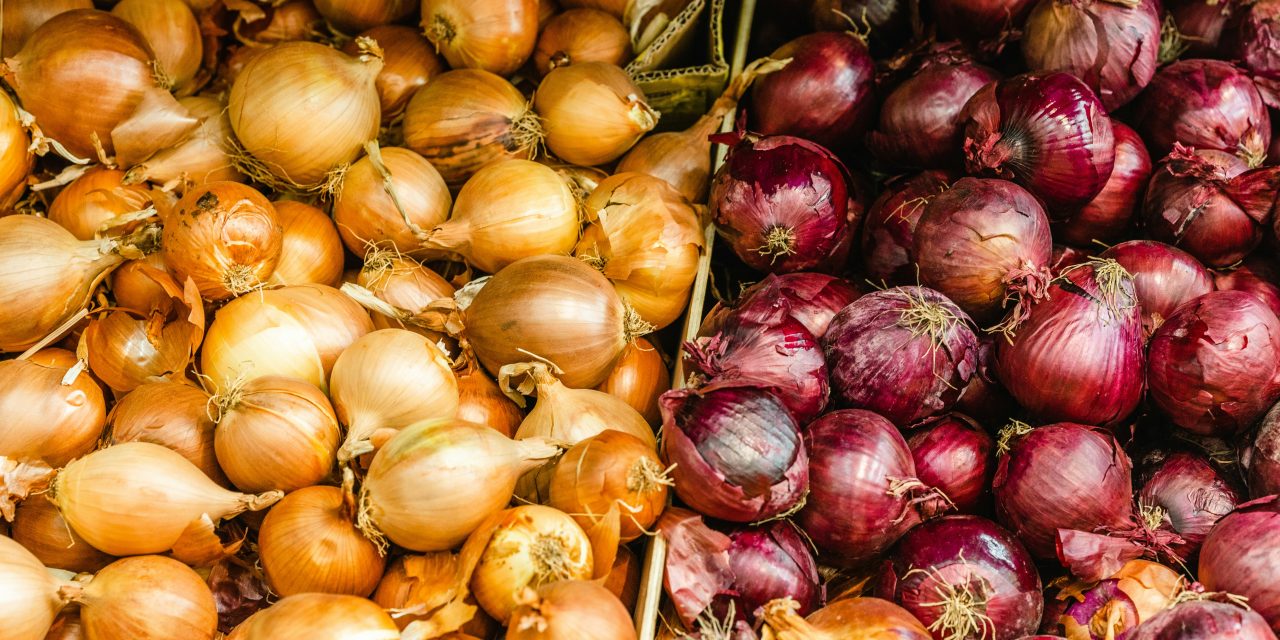
Onions possess a complex flavor profile that can range from sharp and pungent to sweet and mild, depending on the variety and preparation method. The primary compounds responsible for their distinctive taste include sulfur compounds, which contribute to their pungency, and sugars that provide sweetness when caramelized. Different types of onions—such as yellow, red, and white—exhibit varying degrees of these flavor components.
When selecting an onion substitute, it is crucial to consider the intended flavor outcome of your dish. For instance, yellow onions are often used for their balanced flavor, while red onions offer a sharper bite and vibrant color. Sweet onions, like Vidalia or Walla Walla, provide a milder taste that can enhance salads and raw preparations. Understanding these nuances allows cooks to choose substitutes that align closely with their culinary goals.
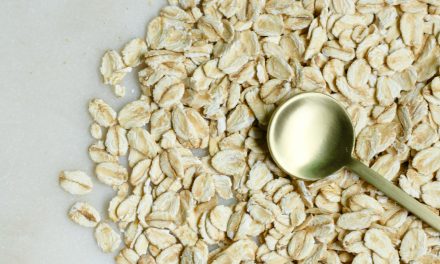
When substituting dried onion for fresh onion or vice versa, accurate measurement is vital to maintain the intended flavor balance in your dish. Dried onion is significantly more concentrated than its fresh counterpart due to the removal of moisture during the drying process. As a general rule of thumb, one tablespoon of dried onion flakes is equivalent to approximately one medium-sized fresh onion.
To convert measurements effectively, consider the following guidelines:
– **Fresh Onion to Dried Onion**: For every medium onion (about 1 cup chopped), use 1 tablespoon of dried onion flakes.
– **Dried Onion to Fresh Onion**: For every tablespoon of dried onion flakes, use about 1 medium onion (approximately 1 cup chopped).
These conversions ensure that the flavor intensity remains consistent throughout your dish, allowing for a seamless transition between fresh and dried forms.
Substitute #1: Shallots – A Milder Onion Alternative

Shallots are an excellent substitute for onions due to their mild flavor and subtle sweetness. They belong to the same Allium family as onions but possess a more delicate taste profile that can enhance dishes without overpowering them. Shallots are particularly well-suited for vinaigrettes, sauces, and gourmet dishes where a nuanced flavor is desired.
When using shallots as a substitute, consider that they are typically smaller than standard onions. A single shallot can replace about half of a medium onion in recipes. Their versatility extends beyond raw applications; shallots caramelize beautifully when cooked, providing a rich depth of flavor similar to that of sautéed onions.
Substitute #2: Leeks – Adding Sweetness and Texture

Leeks offer a unique alternative to onions with their sweet and mild flavor profile. These elongated vegetables have a subtle taste that can elevate soups, stews, and casseroles without overwhelming other ingredients. The white and light green parts of leeks are typically used in cooking, while the dark green tops can be reserved for stocks or broths.
When substituting leeks for onions, it is essential to note that they have a higher water content. As such, they may require slightly longer cooking times to achieve the desired tenderness. A general guideline is to use one medium leek in place of one medium onion. Their distinct texture adds an appealing element to dishes, making them an excellent choice for enhancing both flavor and mouthfeel.
When cooking, it’s often useful to know how much dried onion equals one fresh onion, as the two can be used interchangeably in recipes. For those looking for more information on related topics, you might find this article on how to tell if bed bugs are gone after treatment quite interesting, as it provides insights into household management and pest control. Understanding these conversions can help streamline your cooking process while ensuring that your meals remain flavorful.
Substitute #3: Green Onions (Scallions) – Fresh and Crisp
Green onions, also known as scallions, provide a fresh and crisp alternative to traditional onions. With their mild flavor and vibrant green tops, they can be used both raw and cooked in various dishes. Green onions are particularly popular in Asian cuisine but can be incorporated into salads, salsas, and garnishes across diverse culinary traditions.
When substituting green onions for regular onions, consider using both the white and green parts for maximum flavor impact. Approximately three green onions can replace one medium onion in recipes. Their refreshing taste adds brightness to dishes while maintaining a hint of onion flavor without the pungency associated with other varieties.
When cooking, it’s often useful to know how much dried onion equals one fresh onion, especially for those who prefer the convenience of dried ingredients. For a detailed guide on this topic, you can refer to a related article that explains the conversion ratios and offers tips on using dried onions effectively. If you’re interested in exploring more recipes that incorporate onions, check out this delicious slow cooker salsa chicken that pairs wonderfully with various onion types.
Substitute #4: Chives – A Delicate Onion Flavor
Chives are another member of the Allium family that offers a delicate onion flavor without the intensity found in traditional onions. Their slender green stalks are often used as a garnish or seasoning in various dishes, including soups, salads, and omelets. Chives impart a subtle taste that complements rather than dominates other ingredients.
When using chives as an onion substitute, it is advisable to use them fresh rather than dried for optimal flavor. A tablespoon of chopped chives can replace about one tablespoon of chopped onion in recipes. Their vibrant color and mild taste make them an attractive addition to dishes where visual appeal is as important as flavor.
Substitute #5: Onion Powder – Convenient and Concentrated
Onion powder is a convenient alternative that provides concentrated onion flavor without the need for chopping or peeling. This dehydrated form retains much of the essence of fresh onions while offering ease of use in various culinary applications. It is particularly useful in spice blends, marinades, and dry rubs.
When substituting onion powder for fresh onions, it is essential to adjust quantities accordingly due to its potency. A general guideline is that one tablespoon of fresh onion equates to approximately one teaspoon of onion powder. This substitution allows for quick incorporation into recipes while maintaining the desired flavor profile.
Substitute #6: Garlic – When You Need a Different Twist
Garlic is often considered an aromatic powerhouse in cooking and can serve as an intriguing substitute for onions when seeking a different flavor dimension. While garlic does not replicate the taste of onions directly, its robust and savory profile can enhance many dishes where onions would typically be used.
When substituting garlic for onions, it is crucial to consider the intensity of garlic’s flavor. A single clove of garlic can replace about one tablespoon of chopped onion; however, this may vary based on personal preference and the specific dish being prepared. Garlic’s versatility allows it to shine in sauces, stir-fries, and roasted dishes while providing a unique twist on traditional recipes.
Substitute #7: Fennel Bulb – A Unique, Slightly Sweet Option
Fennel bulbs present an unconventional yet delightful alternative to onions with their slightly sweet and anise-like flavor profile. This vegetable adds complexity to dishes while offering a crunchy texture that can enhance salads or roasted preparations. Fennel’s unique taste pairs well with various ingredients, making it an exciting option for culinary experimentation.
When substituting fennel for onions, consider using equal amounts by volume; one medium fennel bulb can replace one medium onion in recipes. Fennel’s distinct flavor may not suit every dish but can elevate Mediterranean-inspired meals or seafood preparations beautifully.
Tips for Adjusting Quantities and Cooking Times with Onion Substitutes
When incorporating onion substitutes into your cooking, adjusting quantities and cooking times is essential for achieving optimal results. Here are some practical tips:
– **Flavor Intensity**: Start with smaller amounts of substitutes like garlic or onion powder since they can be more potent than fresh onions.
– **Cooking Times**: Some substitutes may require longer cooking times due to their water content (e.g., leeks). Monitor texture closely during cooking.
– **Layering Flavors**: Consider combining multiple substitutes (e.g., shallots with garlic) to create a more complex flavor profile.
– **Taste Testing**: Always taste your dish as you go; this allows you to adjust seasoning and flavors according to your preferences.
In conclusion, substituting onions does not mean sacrificing flavor or quality in your culinary creations. With various alternatives available—from shallots and leeks to garlic and fennel—cooks can explore new dimensions in their dishes while accommodating dietary needs or preferences. Understanding each substitute’s unique characteristics allows for creative experimentation in the kitchen while ensuring delicious outcomes.
Summary: This article explores various substitutes for onions, including shallots, leeks, green onions, chives, onion powder, garlic, and fennel bulbs. Each alternative offers distinct flavors and textures suitable for different culinary applications. By understanding how to measure these substitutes accurately and adjust cooking times accordingly, cooks can maintain the integrity of their dishes while accommodating dietary restrictions or preferences.
FAQs
How much dried onion is equivalent to one medium fresh onion?
One medium fresh onion typically weighs about 150 grams. When using dried onion, approximately 1 tablespoon of dried onion flakes is equivalent to one medium fresh onion.
What is the conversion ratio for dried onion powder to fresh onion?
The conversion ratio for dried onion powder to fresh onion is about 1 teaspoon of dried onion powder for every 1/4 cup of chopped fresh onion. This means that if a recipe calls for one medium onion, you would use about 3 teaspoons of dried onion powder.
Can I use dried onion in place of fresh onion in any recipe?
Yes, dried onion can be used in place of fresh onion in most recipes. However, keep in mind that dried onion has a more concentrated flavor, so you may need to adjust the quantity based on your taste preferences.
How should I store dried onion to maintain its flavor?
Dried onion should be stored in an airtight container in a cool, dark place to maintain its flavor and potency. Proper storage can help prevent moisture absorption and prolong its shelf life.
Does the cooking time change when using dried onion instead of fresh onion?
Yes, the cooking time may change when using dried onion instead of fresh onion. Dried onion rehydrates during cooking, so it may take less time to soften compared to fresh onion. It’s advisable to add dried onion earlier in the cooking process to allow it to fully rehydrate.