Brake failure is a critical automotive issue that can lead to catastrophic consequences, including accidents and injuries. The braking system is one of the most vital components of any vehicle, ensuring the safety of both the driver and passengers. Understanding the signs of brake failure is essential for maintaining vehicle safety and preventing potential disasters on the road. Regular maintenance and timely intervention can significantly reduce the risk of brake-related incidents.
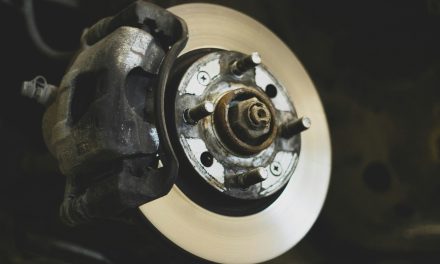
The braking system comprises various components, including brake pads, rotors, calipers, and hydraulic systems, all of which must function harmoniously to ensure effective stopping power. Recognizing early warning signs can help drivers take proactive measures to address issues before they escalate into severe problems. This article will delve into the seven critical signs of brake failure, how to conduct a basic brake inspection at home, and when to seek professional assistance.
If you’re concerned about the safety of your vehicle, it’s crucial to recognize the signs of failing brakes. A related article that provides valuable insights on home maintenance is available at How to Fix a Bathtub Drain That Won’t Hold Water. While this article focuses on plumbing issues, understanding how to address problems in your home can be just as important as knowing how to maintain your car. Both require attention to detail and timely action to prevent further complications.
Sign 1: Squeaking or Squealing Noises When Braking
One of the most common indicators of impending brake failure is the presence of squeaking or squealing noises when applying the brakes. These sounds often arise from worn brake pads that have reached their wear indicators, which are designed to emit a high-pitched noise as a warning signal. The friction material on the pads wears down over time, and once it reaches a certain threshold, metal contacts metal, resulting in these audible alerts.
Ignoring these sounds can lead to more severe damage, such as rotor scoring or complete brake failure. If you hear these noises consistently, it is crucial to have your braking system inspected promptly. In many cases, replacing the brake pads can resolve the issue and restore optimal braking performance.
Sign 2: Grinding Sounds Indicating Worn Brake Pads

Grinding noises during braking are a more alarming sign that indicates significant wear on the brake pads. Unlike squeaking, which may be a minor issue, grinding sounds suggest that the pads have worn down completely, exposing the metal backing plate. This condition can lead to severe rotor damage and necessitate costly repairs if not addressed immediately.
When grinding occurs, it is essential to stop using the vehicle and seek professional assistance. Continuing to drive with worn-out brake pads can compromise the entire braking system’s integrity and increase the risk of accidents. Regular inspections and timely replacements of brake pads can prevent such scenarios from occurring.
Sign 3: Brake Pedal Feels Soft or Spongy

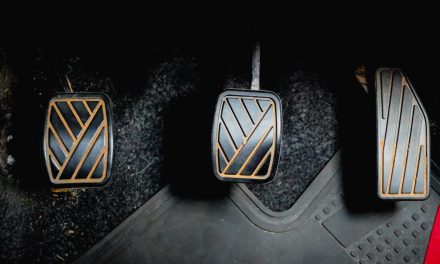
A soft or spongy brake pedal is another critical sign that should not be overlooked. When you press the brake pedal and it feels unusually soft or sinks to the floor without resistance, it may indicate a problem with the hydraulic system. This could be due to air trapped in the brake lines, a leak in the brake fluid, or a failing master cylinder.
A soft pedal can significantly impair your ability to stop the vehicle effectively, increasing stopping distances and compromising safety. If you experience this sensation while driving, it is imperative to have your braking system evaluated by a qualified technician as soon as possible.
If you’re concerned about the safety of your vehicle, it’s crucial to know how to tell if your car brakes are failing. Signs such as unusual noises, a soft brake pedal, or vibrations when braking can indicate potential issues. For more tips on maintaining your vehicle and ensuring everything is in top shape, you might find this article on holiday cleaning helpful, as it emphasizes the importance of regular checks. You can read more about it here.
Sign 4: Vehicle Pulls to One Side When Braking
If your vehicle pulls to one side during braking, it may indicate uneven wear on the brake pads or issues with the braking system itself. This phenomenon can occur due to several factors, including a malfunctioning caliper, unevenly worn pads, or misaligned wheels. Such imbalances can lead to decreased stopping power on one side of the vehicle, increasing the risk of losing control while braking.
Addressing this issue promptly is crucial for maintaining vehicle stability and safety. A thorough inspection by a professional mechanic can identify the underlying cause and ensure that all components are functioning correctly.
If you’re concerned about the safety of your vehicle, it’s crucial to know how to tell if your car brakes are failing. Signs such as unusual noises, a soft brake pedal, or vibrations can indicate that your braking system needs attention. For more detailed information on this topic, you can check out this helpful article that provides insights on brake maintenance and warning signs. Additionally, if you’re looking for a light-hearted distraction, you might enjoy this article about adorable newborn kitties that you can find here.
Sign 5: Increased Stopping Distance
An increase in stopping distance is a significant warning sign that your brakes may be failing. If you notice that your vehicle takes longer to come to a complete stop than it used to, it could indicate worn brake pads, degraded rotors, or issues with the hydraulic system. Factors such as weather conditions and road surfaces can also affect stopping distances; however, if this change is consistent regardless of external factors, it warrants immediate attention.
Increased stopping distances can lead to dangerous situations, especially in emergency scenarios where quick reactions are necessary. Regular maintenance checks can help identify issues before they escalate into serious problems that compromise safety.
Sign 6: Brake Warning Light Illuminates on Dashboard
Modern vehicles are equipped with advanced diagnostic systems that monitor various components, including the braking system. If the brake warning light illuminates on your dashboard, it serves as an alert that something is amiss within the braking system. This warning could indicate low brake fluid levels, worn brake pads, or even a malfunctioning ABS (Anti-lock Braking System).
Ignoring this warning light can lead to severe consequences, including complete brake failure. It is essential to address any dashboard alerts promptly by consulting your vehicle’s manual and seeking professional assistance if necessary.
Sign 7: Vibrations or Pulsations in the Brake Pedal
Experiencing vibrations or pulsations in the brake pedal while applying pressure can indicate warped rotors or issues with the calipers. Warped rotors create an uneven surface that causes vibrations when braking, leading to discomfort and reduced control over the vehicle. This condition can also result from excessive heat buildup due to aggressive driving or prolonged braking.
Addressing vibrations promptly is crucial for maintaining optimal braking performance and ensuring safety on the road. A qualified technician can assess the condition of your rotors and recommend appropriate solutions, such as resurfacing or replacement.
How to Conduct a Basic Brake Inspection at Home
Conducting a basic brake inspection at home can help you identify potential issues before they escalate into serious problems. Here are some steps you can follow:
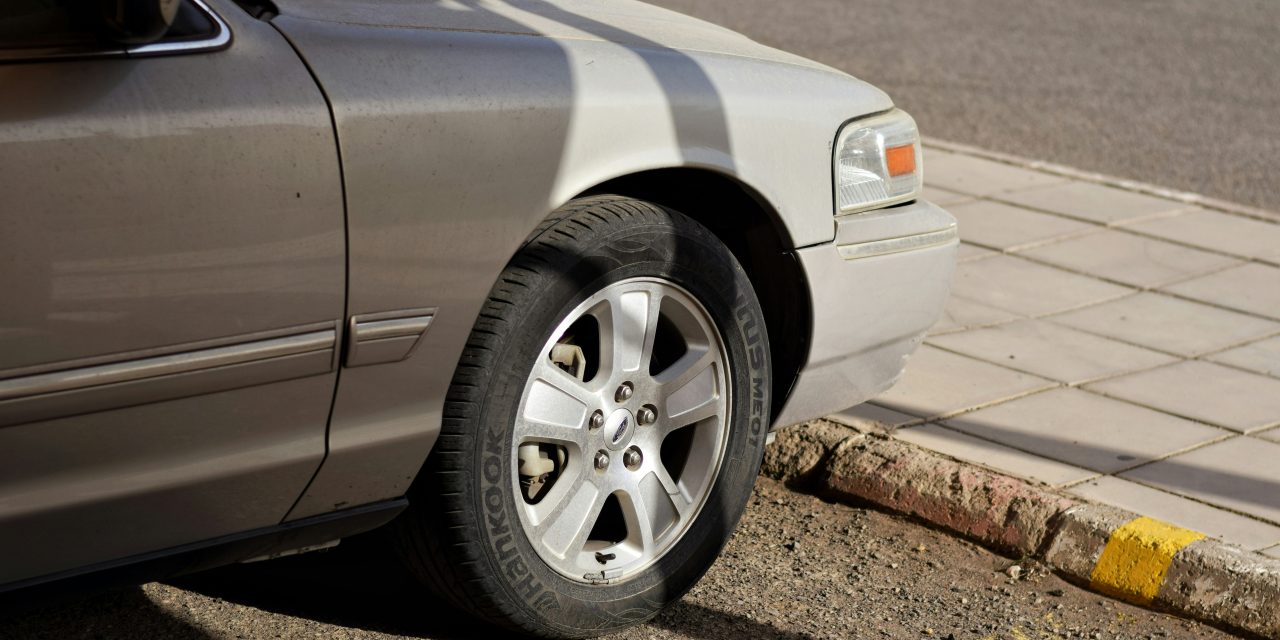
1. **Visual Inspection**: Begin by visually inspecting your brake pads through the wheel spokes. Look for signs of wear or damage; if they appear thin or unevenly worn, they may need replacement.
2. **Check Brake Fluid**: Locate the brake fluid reservoir under the hood and check fluid levels. If levels are low, it may indicate a leak or worn components.
3. **Listen for Noises**: While driving at low speeds, listen for any unusual noises when applying brakes. Squeaking or grinding sounds should prompt further investigation.
4. **Feel for Performance**: Pay attention to how your brake pedal feels during operation. A soft or spongy pedal requires immediate attention.
5. **Inspect Rotors**: If possible, visually inspect your rotors for grooves or discoloration that may indicate warping or excessive wear.
By performing these simple checks regularly, you can maintain awareness of your braking system’s condition and address issues proactively.
When to Seek Professional Brake Service
While basic inspections can help identify some issues, certain situations necessitate professional intervention. If you experience any of the following conditions, it is crucial to seek expert assistance:
– Persistent squeaking or grinding noises
– Soft or spongy brake pedal
– Vehicle pulling to one side during braking
– Illuminated brake warning light
– Increased stopping distance
– Vibrations in the brake pedal
Professional mechanics possess specialized tools and expertise to diagnose complex issues accurately and recommend appropriate solutions. Regular maintenance checks by qualified technicians can help ensure your braking system remains in optimal condition.
Prioritizing Brake Maintenance for Safety
In conclusion, recognizing signs of brake failure is paramount for ensuring vehicle safety and preventing accidents on the road. By being vigilant about auditory cues like squeaking or grinding noises, monitoring pedal performance, and conducting regular inspections, drivers can take proactive measures to maintain their braking systems effectively.
Prioritizing brake maintenance not only enhances safety but also prolongs the lifespan of critical components within the braking system. Timely interventions can save drivers from costly repairs and ensure peace of mind while navigating various driving conditions.
In summary, understanding these signs and taking appropriate action can significantly enhance road safety for all drivers and passengers alike.
FAQs
What are the common signs of failing car brakes?
Common signs of failing car brakes include squeaking or grinding noises when braking, a soft or spongy brake pedal, vibrations or pulsations when applying the brakes, the car pulling to one side when braking, and a warning light on the dashboard indicating brake issues.
How can I tell if my brake pads need to be replaced?
You can tell if your brake pads need to be replaced by listening for squeaking or squealing sounds, which indicate that the wear indicators are making contact with the brake rotor. Additionally, if you notice a decrease in braking performance or if the brake pedal feels softer than usual, it may be time to inspect the brake pads.
What should I do if my brakes feel spongy?
If your brakes feel spongy, it may indicate air in the brake lines or a problem with the brake fluid. It’s important to check the brake fluid level and inspect for leaks. If the issue persists, you should have a professional mechanic inspect the braking system to ensure safety.
How often should I have my brakes inspected?
It is recommended to have your brakes inspected at least once a year or every 12,000 miles, whichever comes first. However, if you notice any signs of brake failure or unusual noises, you should have them checked immediately, regardless of the last inspection date.
Can I drive my car if the brake warning light is on?
No, you should not drive your car if the brake warning light is on. This light indicates a potential issue with the braking system, such as low brake fluid or worn brake pads. Continuing to drive can compromise your safety and lead to more severe damage to the braking system.