The presence of a musty odor emanating from car vents is a common issue that many vehicle owners encounter. This unpleasant scent is often indicative of mold, mildew, or bacteria thriving within the vehicle’s HVAC (Heating, Ventilation, and Air Conditioning) system. The accumulation of moisture in the air conditioning system creates an ideal environment for these microorganisms to flourish. Factors contributing to this moisture buildup include high humidity levels, water leaks, and the use of air conditioning without adequate ventilation.
In addition to microbial growth, organic debris such as leaves, dirt, and dust can accumulate in the air intake system, further exacerbating the problem. When these materials decompose, they release volatile organic compounds (VOCs) that contribute to the musty smell. Understanding the underlying causes of this odor is crucial for implementing effective solutions and maintaining a pleasant driving environment.
If you’re dealing with a musty smell in your car vents, it’s essential to address the issue promptly to ensure a pleasant driving experience. One effective method is to clean the air conditioning system and replace the cabin air filter. For more insights on maintaining a fresh environment, you might find it helpful to read about effective mosquito yard treatments in this article: Mosquito Yard Treatments: What Works and What to Avoid. This resource can provide you with additional tips on keeping your surroundings fresh and free from unpleasant odors.
Step 1: Clean or Replace the Cabin Air Filter
The cabin air filter plays a vital role in maintaining air quality within the vehicle’s interior. It filters out dust, pollen, and other airborne particles before they enter the cabin. Over time, this filter can become clogged with debris and moisture, leading to reduced airflow and potential odor issues. Therefore, cleaning or replacing the cabin air filter is an essential first step in addressing musty smells.
To clean the cabin air filter, locate it—typically found behind the glove compartment or under the dashboard. Remove it carefully and inspect for any signs of mold or excessive dirt. If the filter appears heavily soiled or damaged, replacing it with a new one is advisable. A clean cabin air filter not only improves air quality but also enhances the efficiency of the HVAC system, reducing strain on the vehicle’s components.
Step 2: Use a Vent Cleaning Spray

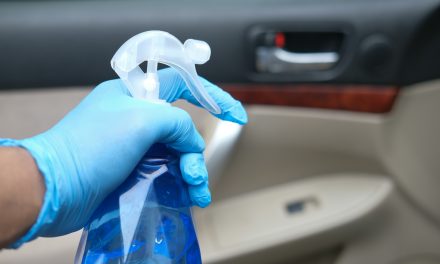
After addressing the cabin air filter, utilizing a vent cleaning spray can effectively eliminate odors trapped within the ventilation system. These specialized sprays are designed to penetrate the ducts and neutralize odors caused by mold and mildew. When selecting a vent cleaning spray, opt for products that contain antimicrobial agents to ensure thorough disinfection.
To apply the spray, follow the manufacturer’s instructions carefully. Typically, this involves spraying the product directly into the air intake vents while running the vehicle’s fan on high. This process allows the cleaning solution to circulate through the entire ventilation system, targeting hidden contaminants and leaving behind a fresh scent. Regular use of vent cleaning sprays can help maintain a clean and odor-free environment within your vehicle.
Step 3: Run the Air Conditioner on High with Fresh Air Mode

Running the air conditioner on high with the fresh air mode activated is an effective method for reducing moisture buildup within the HVAC system. This practice allows outside air to enter the system, promoting airflow and preventing stagnation. Stagnant air can lead to increased humidity levels, creating an environment conducive to mold growth.
To implement this step, start your vehicle and set the air conditioning system to its highest setting while ensuring that the fresh air intake is selected. Allow the system to run for approximately 10-15 minutes. This process helps to dry out any residual moisture within the ducts and evaporator core, significantly reducing the likelihood of musty odors developing in the future.
If you’re struggling with a musty smell coming from your car vents, it might be helpful to explore some related topics that can improve your overall environment. For instance, understanding the reasons behind indoor plant issues can provide insights into maintaining a fresh atmosphere in your vehicle. You can read more about this in the article on indoor plants and how to fix common problems, which may help you create a more pleasant space both inside your car and at home.
Step 4: Utilize Baking Soda to Absorb Odors
Baking soda is a versatile household product known for its odor-absorbing properties. It can be effectively used to combat musty smells within your vehicle’s interior. The alkaline nature of baking soda allows it to neutralize acidic odors, making it an excellent choice for tackling unpleasant scents.
To utilize baking soda, sprinkle a generous amount onto carpets, upholstery, and floor mats within your car. Allow it to sit for several hours or overnight to absorb odors effectively. Afterward, vacuum thoroughly to remove any residue. For added effectiveness, consider placing an open container of baking soda in your car’s cup holder or under seats as a continuous deodorizing agent.
If you’re struggling with a musty smell in your car vents, it’s essential to tackle the issue promptly to ensure a pleasant driving experience. One effective method is to clean the air conditioning system and replace the cabin air filter, which can often harbor mold and mildew. For a more thorough approach to maintaining a fresh environment, you might find it helpful to explore a related article on how to deep clean your home. This comprehensive guide offers valuable insights that can also be applied to your vehicle’s interior. You can read it here: how to deep clean your house.
Step 5: Apply White Vinegar Solution to Vents
White vinegar is another powerful natural remedy for eliminating musty odors from car vents. Its acetic acid content acts as a disinfectant, effectively killing mold and mildew while neutralizing unpleasant smells. To create a vinegar solution, mix equal parts of white vinegar and water in a spray bottle.
To apply this solution, turn on your vehicle’s fan at a low setting and spray it directly into the air intake vents. Allow the solution to circulate through the ventilation system for several minutes before turning off the fan. The vinegar will help eliminate any lingering odors while leaving behind a fresh scent. However, ensure that you ventilate your car afterward to dissipate any residual vinegar smell.
Step 6: Use Activated Charcoal Packs Inside the Car
Activated charcoal is renowned for its exceptional ability to absorb odors and impurities from the air. Utilizing activated charcoal packs inside your vehicle can significantly improve air quality and eliminate musty smells effectively. These packs contain porous charcoal that traps moisture and odors, making them an excellent choice for odor control.
To use activated charcoal packs, simply place them in various locations throughout your car—such as under seats or in cup holders. Allow them to remain in place for several days or weeks to absorb unwanted odors effectively. Regularly replacing or rejuvenating these packs will ensure continued effectiveness in maintaining a fresh-smelling interior.
Step 7: Keep the Car Interior Dry and Well-Ventilated
Preventing musty odors from developing in your vehicle requires consistent attention to moisture control and ventilation. Keeping your car interior dry is essential in inhibiting mold growth and maintaining a pleasant atmosphere. After rain or snow, ensure that wet items such as umbrellas or clothing are removed promptly from the vehicle.
Additionally, regularly open windows during dry weather to promote airflow and reduce humidity levels inside your car. Parking in shaded areas or using sunshades can also help minimize heat buildup and moisture accumulation within the cabin. By prioritizing ventilation and dryness, you can significantly reduce the likelihood of musty odors returning.
Additional Tips to Prevent Musty Smells from Returning
In addition to implementing cleaning methods and moisture control strategies, several proactive measures can help prevent musty smells from recurring in your vehicle. Regularly inspecting and maintaining your HVAC system is crucial; consider scheduling routine professional inspections to ensure optimal performance.
Furthermore, avoid using recirculated air mode for extended periods while driving; this can trap humidity inside your vehicle. Instead, alternate between fresh air intake and recirculation modes as needed during your journeys. Lastly, consider using odor-neutralizing products specifically designed for automotive use; these can provide ongoing protection against unpleasant scents.
When to Seek Professional Help for Persistent Odors
If you have diligently followed all recommended steps yet continue to experience persistent musty odors in your vehicle, it may be time to seek professional assistance. A qualified automotive technician can conduct a thorough inspection of your HVAC system and identify underlying issues such as leaks or extensive mold growth that may require specialized treatment.
Professional cleaning services often utilize advanced equipment such as ozone generators or steam cleaners to eliminate stubborn odors effectively. Additionally, they can provide insights into potential repairs or replacements needed for components contributing to moisture buildup within your vehicle.
Summary: Maintaining a Fresh-Smelling Car Interior
In conclusion, addressing musty smells in car vents requires a multifaceted approach that includes understanding their causes and implementing effective cleaning strategies. By regularly cleaning or replacing cabin air filters, utilizing vent cleaning sprays, and employing natural remedies like baking soda and vinegar solutions, you can significantly improve your vehicle’s air quality.
Moreover, maintaining a dry and well-ventilated interior is crucial in preventing future odor issues. Should persistent odors remain despite your efforts, seeking professional assistance may be necessary to ensure a thorough resolution. By prioritizing these practices, you can enjoy a fresh-smelling car interior that enhances your overall driving experience.
FAQs
What causes a musty smell in car vents?
A musty smell in car vents is often caused by mold and mildew growth within the HVAC system. This can occur due to moisture accumulation from humidity, spills, or leaks, which creates an ideal environment for these fungi to thrive.
How can I clean my car vents to eliminate the musty smell?
To clean your car vents, you can use a mixture of water and vinegar or a specialized automotive cleaner. Spray the solution into the vents and use a soft brush or cloth to scrub the interior surfaces. Additionally, running the air conditioning on high for a few minutes can help dry out any remaining moisture.
Are there any products specifically designed to remove musty odors from car vents?
Yes, there are several products available specifically designed to eliminate musty odors from car vents. These include air fresheners, odor eliminators, and HVAC cleaning sprays that target mold and mildew. Look for products that contain antimicrobial agents to effectively combat the source of the smell.
How often should I clean my car vents to prevent musty smells?
It is recommended to clean your car vents at least once every six months to prevent musty smells. However, if you live in a humid climate or frequently use your air conditioning, you may want to clean them more often to reduce moisture buildup.
Can professional detailing help with musty smells in car vents?
Yes, professional detailing services often include thorough cleaning of the HVAC system, which can effectively remove musty smells. Detailers have specialized equipment and cleaning solutions that can reach areas that are difficult to clean on your own, ensuring a more comprehensive treatment.