Mildew smell in vehicles is a common issue that arises primarily due to excessive moisture accumulation within the car’s interior. This unpleasant odor is often a result of mold and mildew growth, which thrives in damp environments. Factors contributing to this problem include wet clothing, spilled liquids, or even leaks from the vehicle’s roof or windows. The presence of organic materials, such as food particles or dirt, can further exacerbate the situation by providing a breeding ground for fungal spores.
The car’s climate control system can also play a significant role in mildew development. If the air conditioning system is not functioning correctly, it may fail to remove humidity effectively, leading to stagnant moisture. Additionally, seasonal changes can influence humidity levels, making certain times of the year more susceptible to mildew growth. Understanding these causes is crucial for implementing effective solutions to eliminate the odor and prevent its recurrence.
If you’re struggling with a persistent mildew smell in your car, you might find it helpful to explore related tips on maintaining a clean vehicle environment. For instance, an article that discusses how to identify deer ticks versus dog ticks can provide insights into the importance of keeping your car free from unwanted pests, which can contribute to unpleasant odors. You can read more about this topic by visiting this article.
Safety Precautions Before Starting the Cleaning Process
Before embarking on the cleaning process to eliminate mildew odors, it is essential to take specific safety precautions. First and foremost, ensure that you are wearing appropriate personal protective equipment (PPE). This includes gloves, a mask, and goggles to protect against inhalation of spores and contact with cleaning agents. Mold spores can trigger allergic reactions and respiratory issues, so safeguarding your health is paramount.
Furthermore, it is advisable to work in a well-ventilated area. Open the car windows and doors to allow fresh air circulation while cleaning. If possible, park the vehicle in a shaded area to avoid direct sunlight, which can cause cleaning solutions to evaporate too quickly or become ineffective. Lastly, ensure that any cleaning products used are suitable for automotive interiors and do not contain harsh chemicals that could damage upholstery or surfaces.
Removing Moisture: The First Step to Eliminate Mildew

The initial step in combating mildew smell involves addressing the root cause: moisture. Begin by thoroughly inspecting your vehicle for any sources of water intrusion. Check for leaks in the windshield, doors, or sunroof seals. If you discover any leaks, they must be repaired promptly to prevent further moisture accumulation. Additionally, remove any wet items from the car, such as towels or clothing, as they can contribute to mold growth.
Once you have identified and eliminated sources of moisture, utilize absorbent materials like towels or sponges to soak up any remaining dampness from the upholstery and carpets. A wet/dry vacuum can be particularly effective in extracting moisture from deep within the fibers. After this initial drying process, consider using a dehumidifier or placing silica gel packets inside the vehicle to absorb residual humidity effectively.
Using Baking Soda to Absorb Odors

Baking soda is a versatile and natural deodorizer that can effectively neutralize mildew odors in your car. To utilize this method, sprinkle a generous amount of baking soda over affected areas such as carpets and upholstery. Allow it to sit for several hours or overnight; this will give the baking soda ample time to absorb odors and moisture.
After allowing it to sit, vacuum the baking soda thoroughly from the surfaces. This process not only removes the baking soda but also extracts any trapped odors along with it. For persistent smells, repeat this process multiple times until satisfactory results are achieved. Baking soda is an economical solution that poses no risk of damaging your vehicle’s interior while providing effective odor elimination.
If you’re struggling with a persistent mildew smell in your car, it can be quite frustrating, but there are effective methods to tackle the issue. One helpful resource is an article that provides detailed steps on how to remove mildew smell from a car, ensuring that you can enjoy a fresh and clean environment while driving. For more information on maintaining a pleasant atmosphere in your vehicle, you can check out this related article on pet care, which discusses the importance of keeping your car clean, especially if you travel with pets.
Applying White Vinegar for Natural Deodorizing
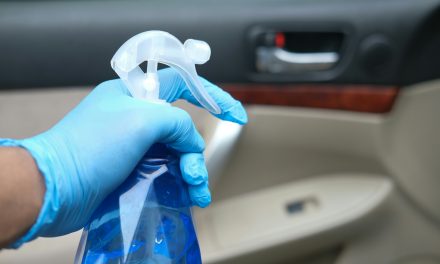
White vinegar is another powerful natural remedy for combating mildew smells in vehicles. Its acetic acid content acts as a potent antimicrobial agent that can kill mold spores and neutralize odors effectively. To use white vinegar, mix equal parts vinegar and water in a spray bottle. Lightly mist the affected areas without saturating them excessively.
Allow the vinegar solution to sit for approximately 30 minutes before wiping it down with a clean cloth. The vinegar smell will dissipate quickly, taking the mildew odor with it. This method not only deodorizes but also disinfects surfaces, making it an excellent choice for maintaining a clean environment within your vehicle.
Utilizing Activated Charcoal to Trap Mildew Smell
Activated charcoal is renowned for its exceptional ability to absorb odors and impurities from the air. To utilize this method effectively, place activated charcoal bags or containers strategically throughout your vehicle—under seats, in cup holders, or in the trunk. The porous nature of activated charcoal allows it to trap moisture and odors efficiently.
For optimal results, replace activated charcoal bags every few months or as needed based on odor intensity. This method is particularly advantageous because it requires minimal effort while providing long-lasting odor control without introducing any harsh chemicals into your vehicle’s interior.
Cleaning Car Upholstery with Mild Detergents
Cleaning upholstery with mild detergents is an essential step in eliminating mildew smells effectively. Begin by selecting a gentle detergent specifically formulated for automotive fabrics. Dilute the detergent according to the manufacturer’s instructions and apply it using a soft brush or cloth.
Gently scrub the affected areas while being cautious not to saturate the fabric excessively. After cleaning, use a wet/dry vacuum or clean cloths to remove excess moisture from the upholstery. Allow ample time for drying before using the vehicle again; this will help prevent any residual moisture from fostering further mildew growth.
Employing Commercial Odor Eliminators
In cases where natural remedies do not yield satisfactory results, consider utilizing commercial odor eliminators specifically designed for automotive use. These products often contain advanced formulations that target stubborn odors at their source rather than merely masking them.
When selecting a commercial product, look for those labeled as safe for use on various surfaces within vehicles. Follow the manufacturer’s instructions carefully for application methods and recommended dwell times. Many commercial products also offer additional benefits such as antimicrobial properties that help prevent future mildew growth.
Ventilating Your Car to Freshen the Air
Proper ventilation plays a crucial role in maintaining a fresh-smelling vehicle interior. After cleaning and deodorizing your car, ensure that you allow fresh air circulation by opening windows and doors for an extended period. This practice helps eliminate any lingering odors while promoting airflow throughout the cabin.
Additionally, consider running your vehicle’s air conditioning system on high with windows open for several minutes. This action helps circulate air through the cabin filter and evaporator core, which can also harbor moisture if not maintained properly. Regularly replacing cabin air filters will further enhance air quality within your vehicle.
Preventing Future Mildew Smells with Regular Maintenance
Preventing mildew smells requires consistent maintenance practices aimed at minimizing moisture accumulation within your vehicle. Regularly inspect seals around windows and doors for wear or damage; replacing these seals promptly can prevent water intrusion during rainstorms or car washes.
Moreover, make it a habit to remove any wet items from your car immediately after use—this includes umbrellas, towels, or sports gear that may retain moisture. Regularly vacuuming carpets and upholstery will also help eliminate organic debris that could contribute to mold growth over time.
When to Seek Professional Cleaning Services
If you find that persistent mildew odors remain despite your best efforts at home, it may be time to seek professional cleaning services specializing in automotive interiors. Professionals possess advanced equipment such as steam cleaners and ozone generators that can effectively eliminate stubborn odors and contaminants.
Additionally, they can conduct thorough inspections for hidden sources of moisture or mold growth that may not be immediately visible. Investing in professional cleaning services can provide peace of mind knowing that your vehicle’s interior is not only odor-free but also hygienically clean.
In summary, addressing mildew smells in your car involves understanding their causes and implementing effective cleaning strategies while prioritizing safety precautions throughout the process. By removing moisture sources, utilizing natural deodorizers like baking soda and vinegar, and maintaining regular upkeep practices, you can ensure a fresh-smelling vehicle environment free from unpleasant odors. If necessary, do not hesitate to seek professional assistance for comprehensive cleaning solutions tailored to your needs.
FAQs
What causes mildew smell in a car?
Mildew smell in a car is typically caused by moisture accumulation, which can result from leaks, spills, or high humidity. When organic materials like food or fabric are present, they can foster the growth of mold and mildew, leading to unpleasant odors.
How can I identify the source of the mildew smell?
To identify the source of the mildew smell, check for damp areas in the car, such as under the seats, in the trunk, or around the floor mats. Inspect for any signs of water leaks, such as wet upholstery or carpets, and look for mold growth in hidden areas like the air conditioning system.
What are some effective methods to remove mildew smell from a car?
Effective methods to remove mildew smell include cleaning the interior with a mixture of vinegar and water, using baking soda to absorb odors, and employing activated charcoal or odor-eliminating sprays. Additionally, ensuring proper ventilation and using a dehumidifier can help reduce moisture levels.
Can professional detailing help eliminate mildew smell?
Yes, professional detailing can be very effective in eliminating mildew smell. Detailers have specialized equipment and cleaning solutions that can thoroughly clean upholstery, carpets, and air conditioning systems, removing mold and mildew more effectively than standard cleaning methods.
How can I prevent mildew smell from returning in the future?
To prevent mildew smell from returning, keep the car dry by promptly addressing spills and leaks, using moisture absorbers, and ensuring proper ventilation. Regularly cleaning the interior and using air conditioning to reduce humidity can also help maintain a fresh-smelling environment.