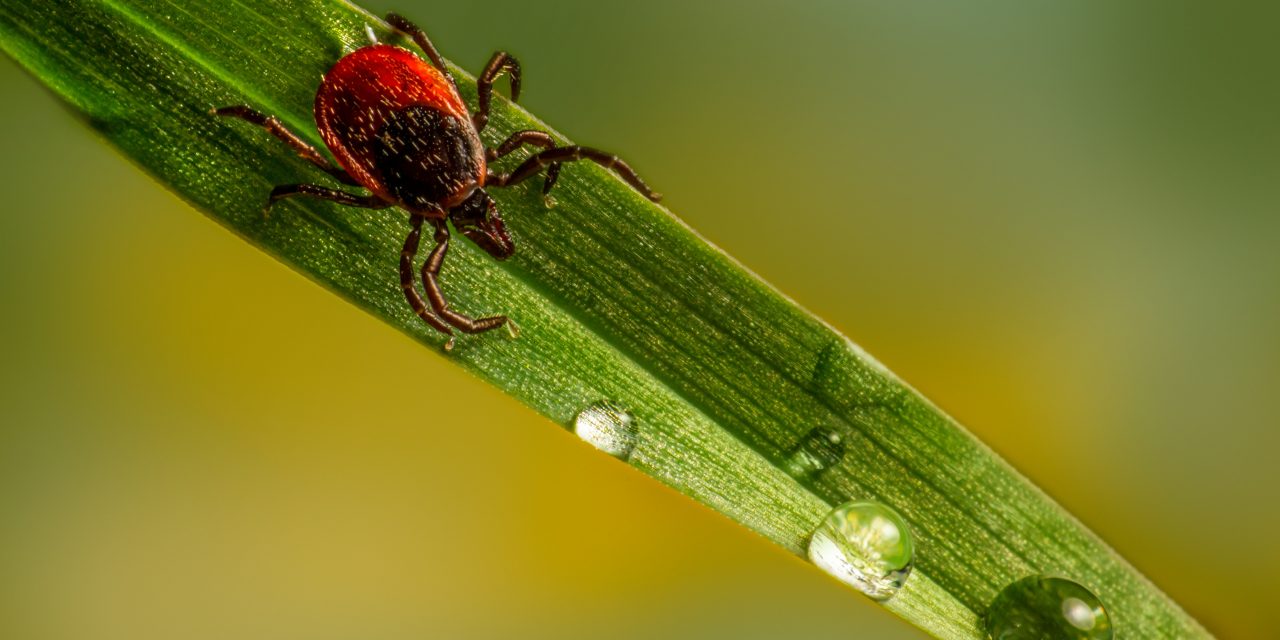
Ticks are ectoparasitic arachnids that pose significant health risks to both humans and animals. Among the various species, deer ticks (Ixodes scapularis) and dog ticks (Dermacentor variabilis) are particularly noteworthy due to their prevalence and the diseases they transmit. Deer ticks are primarily associated with Lyme disease, while dog ticks are known for transmitting Rocky Mountain spotted fever and other illnesses. Understanding these ticks is crucial for effective prevention and management strategies.
The life cycle of these ticks includes several stages: larva, nymph, and adult. Each stage has distinct feeding behaviors and habitat preferences, which can influence their interaction with hosts. As climate change alters ecosystems, the distribution of these ticks is expanding, increasing the likelihood of encounters with humans and pets. This article delves into the characteristics, behaviors, and health implications of deer ticks and dog ticks, providing essential information for effective tick management.
Understanding the Importance of Tick Identification
Accurate identification of tick species is paramount for assessing the risk of disease transmission. Different ticks harbor various pathogens, and recognizing whether a tick is a deer tick or a dog tick can inform appropriate medical responses. For instance, a bite from a deer tick may necessitate monitoring for Lyme disease symptoms, while a dog tick bite could lead to vigilance for signs of Rocky Mountain spotted fever.
Moreover, understanding tick identification aids in implementing targeted prevention strategies. For example, if a specific area is known to harbor deer ticks, individuals can take extra precautions when venturing into those environments. Knowledge of tick species also empowers pet owners to protect their animals effectively, as certain preventive treatments are tailored to combat specific tick types.
Physical Characteristics of Deer Ticks

Deer ticks exhibit distinct physical features that aid in their identification. Adult deer ticks are relatively small, measuring approximately 3-5 mm in length when unfed. Their bodies are flat and oval-shaped, allowing them to easily navigate through vegetation. A notable characteristic is their mouthparts, which extend forward, giving them a distinctive appearance compared to other tick species.
Coloration plays a significant role in identifying deer ticks. Unfed adults typically display a reddish-brown hue, while engorged females can appear dark gray or black after feeding. The presence of a scutum (shield-like structure) on the dorsal side further distinguishes them from other ticks. Additionally, the legs of deer ticks are often darker than their bodies, providing another visual cue for identification.
Physical Characteristics of Dog Ticks

Dog ticks possess unique physical traits that differentiate them from their deer counterparts. Adult dog ticks are larger than deer ticks, measuring about 4-6 mm in length when unfed. Their bodies are more rounded and robust, which aids in their attachment to hosts during feeding. The mouthparts of dog ticks are shorter and less pronounced than those of deer ticks.
In terms of coloration, dog ticks exhibit a mottled brown appearance with lighter markings on their dorsal surfaces. This coloration can vary based on the tick’s life stage and feeding status. Engorged females may appear grayish due to the blood they have consumed. The presence of distinct white markings on the scutum is another identifying feature that sets dog ticks apart from deer ticks.
Size Comparison Between Deer Ticks and Dog Ticks
When comparing the sizes of deer ticks and dog ticks, it becomes evident that size can be a crucial factor in identification. Adult deer ticks typically range from 3-5 mm in length when unfed, while adult dog ticks measure approximately 4-6 mm. This size difference may seem minimal but can be significant when assessing potential risks associated with bites.
Moreover, the size variation extends to their nymphal stages as well. Nymphs of deer ticks are particularly small, measuring about 1-2 mm in length, making them more challenging to detect than nymphs of dog ticks, which are slightly larger at around 2-3 mm. This size discrepancy emphasizes the importance of vigilance during outdoor activities, as smaller nymphs are often responsible for transmitting diseases due to their inconspicuous nature.
Color and Markings: Key Visual Differences
Coloration and markings serve as vital indicators for distinguishing between deer ticks and dog ticks. Deer ticks typically exhibit a reddish-brown color in their unfed state, while engorged females may appear dark gray or black due to blood intake. The legs of deer ticks are often darker than their bodies, enhancing their visual identification.
Conversely, dog ticks display a more mottled brown appearance with distinct white markings on their scutum. These markings can vary among individual ticks but generally provide a reliable visual cue for identification. The contrasting colors and patterns between these two species highlight the importance of careful observation when encountering ticks in natural environments.
Understanding habitat preferences is essential for predicting where encounters with these ticks may occur. Deer ticks thrive in wooded areas, tall grasses, and leaf litter where humidity levels remain high. They prefer environments that provide ample cover for questing behavior—where they wait for hosts to pass by—making them prevalent in suburban areas adjacent to forests.
In contrast, dog ticks favor open fields, grassy areas, and even urban environments where they can easily access hosts such as dogs and humans. They are often found in areas with abundant vegetation but are less reliant on dense cover compared to deer ticks. Recognizing these habitat preferences can guide individuals in taking preventive measures when engaging in outdoor activities.
Behavior and Feeding Patterns
The behavior of deer ticks and dog ticks varies significantly during their questing and feeding phases. Deer ticks exhibit a behavior known as “questing,” where they climb onto vegetation and extend their front legs to latch onto passing hosts. This behavior is most common during warmer months when humidity levels are optimal for survival.
Dog ticks also engage in questing behavior but tend to be more aggressive in seeking hosts due to their larger size and feeding requirements. They can attach quickly upon contact with a host and may remain attached for several days while feeding. Understanding these behaviors is crucial for individuals who spend time outdoors, as it informs strategies for minimizing exposure to tick bites.
Common Diseases Transmitted by Each Tick Species
Both deer ticks and dog ticks are vectors for various diseases that pose serious health risks to humans and animals alike. Deer ticks are primarily associated with Lyme disease, which is caused by the bacterium Borrelia burgdorferi. Symptoms may include fever, fatigue, joint pain, and characteristic erythema migrans rash if left untreated.
On the other hand, dog ticks transmit diseases such as Rocky Mountain spotted fever (RMSF), caused by Rickettsia rickettsii, and tularemia caused by Francisella tularensis. RMSF symptoms include fever, rash, headache, and muscle pain; if untreated, it can lead to severe complications or even death. Awareness of these diseases is vital for prompt diagnosis and treatment following tick bites.
How to Safely Remove Deer Ticks and Dog Ticks
Proper removal techniques are essential for minimizing the risk of disease transmission following a tick bite. To safely remove a tick—whether it be a deer tick or a dog tick—individuals should follow these steps:
1. **Use Fine-Tipped Tweezers**: Grasp the tick as close to the skin’s surface as possible.
2. **Pull Upward Steadily**: Apply even pressure without twisting or jerking the tick.
3. **Clean the Area**: After removal, clean the bite area with soap and water or an antiseptic.
4. **Dispose of the Tick**: Place it in alcohol or seal it in a plastic bag before discarding it.
5. **Monitor for Symptoms**: Keep an eye on the bite site for signs of infection or illness over the following weeks.
Following these steps ensures that the entire tick is removed without leaving mouthparts embedded in the skin, which could lead to infection or increased risk of disease transmission.
Preventative Measures to Avoid Tick Bites
Preventing tick bites requires a multifaceted approach that includes personal protective measures and environmental management strategies:
1. **Wear Protective Clothing**: Long sleeves, pants tucked into socks, and light-colored clothing can help identify ticks more easily.
2. **Use Insect Repellents**: Apply repellents containing DEET or permethrin on clothing and exposed skin.
3. **Avoid Tick Habitats**: Steer clear of dense woods or tall grasses where ticks are likely to reside.
4. **Perform Tick Checks**: Conduct thorough body checks after outdoor activities to identify any attached ticks promptly.
5. **Maintain Yard Hygiene**: Keep grass trimmed short and remove leaf litter or debris where ticks may thrive.
By implementing these preventative measures consistently, individuals can significantly reduce their risk of encountering both deer ticks and dog ticks during outdoor activities.
In summary, understanding the differences between deer ticks and dog ticks is crucial for effective prevention and management strategies against tick-borne diseases. Accurate identification based on physical characteristics such as size, color, markings, habitat preferences, behavior patterns, and associated diseases can empower individuals to take appropriate actions following potential exposure. Safe removal techniques combined with preventative measures can mitigate risks associated with these ectoparasites effectively.
FAQs
What are the main differences between deer ticks and dog ticks?
Deer ticks, also known as black-legged ticks, are typically smaller than dog ticks and have a more elongated shape. Deer ticks are usually dark brown or black, while dog ticks are larger and have a more rounded body with a distinctive white or gray pattern on their back. Additionally, deer ticks are known to transmit Lyme disease, whereas dog ticks are more commonly associated with Rocky Mountain spotted fever.
How can I visually identify a deer tick?
To visually identify a deer tick, look for a small, flat, oval-shaped body that is about the size of a poppy seed when unfed. They have a reddish-brown color and a distinct black scutum (shield-like structure) on their back. When engorged with blood, they can appear much larger and more rounded. Their legs are also long and slender compared to dog ticks.
What are the characteristics of dog ticks?
Dog ticks, or American dog ticks, are larger than deer ticks, typically measuring about 1/4 inch in length when unfed. They have a more rounded body and are often brown with a lighter-colored pattern on their dorsal side. Their legs are shorter and thicker compared to deer ticks. Dog ticks also have a more robust appearance and are known for their ability to transmit diseases like Rocky Mountain spotted fever and tularemia.
Where are deer ticks and dog ticks commonly found?
Deer ticks are commonly found in wooded or grassy areas, particularly in regions with high deer populations, as they rely on deer for their life cycle. They are most active in the spring and fall. Dog ticks, on the other hand, are often found in grassy fields, along trails, and in areas where dogs frequent. They are more prevalent in the warmer months, especially during late spring and summer.
How can I protect myself from deer and dog ticks?
To protect yourself from deer and dog ticks, wear long sleeves and pants when in tick-prone areas, and tuck your pants into your socks. Use insect repellent containing DEET on exposed skin and clothing. After spending time outdoors, perform a thorough tick check on yourself, your pets, and your clothing. Showering soon after outdoor activities can also help remove ticks before they attach.