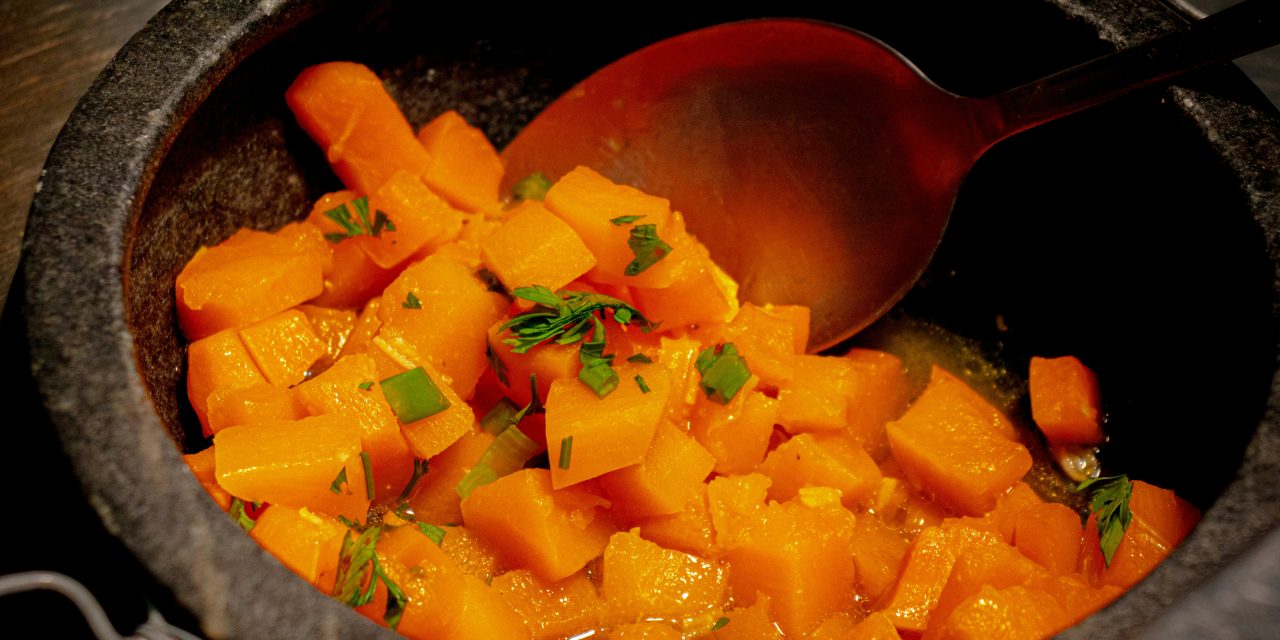
Selecting the ideal butternut squash is crucial for achieving optimal flavor and texture when roasting. Look for specimens that are firm, heavy for their size, and have a smooth, tan skin. The skin should be free from blemishes, soft spots, or any signs of decay. A well-ripened butternut squash will have a deep, rich color and a slightly curved neck, indicating that it has matured properly. The size of the squash can also influence cooking time; smaller squashes tend to be sweeter and more tender, while larger ones may require longer roasting periods.
When purchasing butternut squash, consider the seasonality as well. Typically, these squashes are harvested in the fall and can be found in markets from late summer through winter. Opting for locally sourced produce can enhance freshness and flavor. Additionally, if you have access to organic options, they may provide a more robust taste profile due to the absence of synthetic pesticides and fertilizers.
Roasting butternut squash cubes in the oven is a delightful way to enhance their natural sweetness and achieve a tender texture. For those interested in maintaining a clean cooking environment while preparing this delicious dish, you might find it helpful to read about effective cleaning methods. Check out this article on how to clean a greasy oven without using harsh oven cleaners. It provides useful tips to keep your oven spotless, ensuring that your roasted vegetables come out perfectly every time.
How to Peel and Cube Butternut Squash Efficiently
Peeling and cubing butternut squash can be a daunting task due to its tough exterior. However, with the right technique, this process can be streamlined significantly. Begin by washing the squash thoroughly under running water to remove any dirt or debris. Using a sharp vegetable peeler or a sturdy knife, carefully remove the skin, starting from the top and working your way down. It is advisable to peel the squash over a cutting board to catch any stray pieces.
Once peeled, place the squash on a stable surface and cut off both ends to create a flat base. This will prevent it from rolling while you cube it. Slice the squash in half lengthwise to expose the seeds and stringy flesh inside. Use a spoon to scoop out the seeds and fibrous material before cutting each half into manageable sections. Finally, slice these sections into uniform cubes, ensuring they are approximately 1-inch in size for even cooking.
Preheating Your Oven to the Ideal Temperature

Preheating your oven is an essential step in the roasting process that should not be overlooked. The ideal temperature for roasting butternut squash is typically between 400°F (204°C) and 425°F (218°C). This range allows for caramelization of the natural sugars within the squash, resulting in a delightful sweetness and enhanced flavor profile. Preheating ensures that the squash begins cooking immediately upon entering the oven, promoting even roasting and preventing sogginess.
To preheat your oven effectively, set it to your desired temperature and allow it to heat for at least 15-20 minutes before placing your butternut squash inside. An oven thermometer can be beneficial in ensuring accuracy, as some ovens may have discrepancies in temperature settings. Once preheated, you can confidently roast your squash cubes to achieve that perfect golden-brown exterior.
Selecting the Best Oil for Roasting Butternut Squash

Choosing the right oil is pivotal in enhancing the flavor and texture of roasted butternut squash. Oils with high smoke points are ideal for roasting as they can withstand high temperatures without breaking down or imparting undesirable flavors. Extra virgin olive oil is a popular choice due to its rich flavor profile and health benefits, including monounsaturated fats and antioxidants. Alternatively, avocado oil is another excellent option, boasting a higher smoke point and a mild taste that complements the natural sweetness of the squash.
When applying oil, aim for about 1-2 tablespoons per pound of butternut squash cubes. This amount ensures even coating without making the dish overly greasy. For those seeking a more robust flavor, consider infusing your oil with herbs or spices prior to roasting. This technique can elevate your dish by adding depth and complexity to each bite.
Roasting butternut squash cubes in the oven is a delicious way to enhance their natural sweetness and create a perfect side dish for any meal. If you’re looking for additional tips on preparing healthy meals, you might find this article on creating a weekly pet hygiene routine helpful, as it emphasizes the importance of maintaining a balanced lifestyle for both you and your furry friends. For more insights, check out the article here.
Seasoning Tips: Herbs and Spices to Enhance Flavor
Seasoning is where creativity can truly shine when preparing roasted butternut squash. A simple combination of salt and pepper can enhance its natural sweetness; however, experimenting with various herbs and spices can elevate your dish to new heights. Common choices include ground cinnamon or nutmeg for a warm, autumnal flavor profile. Alternatively, smoked paprika or cumin can introduce an earthy depth that pairs beautifully with the squash’s sweetness.
Fresh herbs such as rosemary or thyme can also be added before roasting for an aromatic touch. For those who enjoy a bit of heat, consider incorporating red pepper flakes or cayenne pepper into your seasoning mix. Remember to toss your seasoned cubes thoroughly to ensure an even distribution of flavors across all pieces.
Spreading Cubes Evenly for Perfect Roasting
Achieving perfectly roasted butternut squash cubes hinges on how they are arranged on the baking sheet. Spreading them out evenly is essential for optimal air circulation and even cooking. Overcrowding the pan can lead to steaming rather than roasting, resulting in a less desirable texture. Use a large baking sheet or two smaller ones if necessary to ensure ample space between each cube.
When arranging the cubes, make sure they are in a single layer without overlapping. This allows each piece to develop a caramelized exterior while maintaining tenderness on the inside. If you notice any cubes touching during roasting, consider rotating them halfway through cooking to promote even browning.
Using Parchment Paper or Silicone Mats for Easy Cleanup
Utilizing parchment paper or silicone baking mats can significantly simplify cleanup after roasting butternut squash. These materials create a non-stick surface that prevents food from adhering to the baking sheet, making it easier to remove roasted cubes without damaging their shape or texture. Parchment paper also absorbs excess moisture, contributing to crispier results.
To use parchment paper effectively, cut it to fit your baking sheet before spreading out your seasoned squash cubes. If opting for silicone mats, ensure they are clean and dry before placing them on your baking sheet. Both options not only facilitate easy cleanup but also promote healthier cooking by reducing the need for excess oil.
The Importance of Tossing Cubes Midway Through Roasting
Tossing your butternut squash cubes midway through roasting is a critical step that should not be overlooked. This technique ensures that all sides of each cube receive equal exposure to heat, promoting uniform browning and preventing any pieces from becoming overly charred or burnt on one side. Aim to toss the cubes gently with a spatula or tongs about halfway through the cooking time.
This practice also allows you to assess the doneness of your squash cubes as they roast. If you notice any pieces browning faster than others, you can rearrange them accordingly during this tossing process. By actively engaging with your dish while it cooks, you can achieve that perfect balance of caramelization and tenderness.
Checking for Doneness: Texture and Color Indicators
Determining when your butternut squash is perfectly roasted involves observing both texture and color indicators. Ideally, roasted cubes should exhibit a golden-brown exterior with slightly crispy edges while remaining tender on the inside. To check for doneness, insert a fork or knife into one of the larger cubes; it should glide through easily without resistance.
Another visual cue is the caramelization of sugars on the surface of the squash cubes; this indicates that they have reached an optimal level of roasting. If you find that some pieces are browning faster than others while others remain pale, consider removing those that are done first while allowing others to continue cooking until they reach perfection.
Adding a Sweet or Savory Glaze Before Serving
Enhancing roasted butternut squash with a glaze can elevate its flavor profile significantly before serving. For those who prefer sweetness, consider drizzling maple syrup or honey over the warm cubes just before serving; this will create a delightful contrast between savory and sweet flavors while adding an appealing sheen.
Conversely, if you lean towards savory flavors, balsamic reduction or a mixture of soy sauce with sesame oil can impart depth and richness to your dish. Whichever glaze you choose, ensure it is applied sparingly; you want it to complement rather than overpower the natural flavors of the roasted squash.
Creative Serving Suggestions for Roasted Butternut Squash Cubes
Roasted butternut squash cubes offer versatility in serving options that can cater to various culinary preferences. One delightful way to serve them is as part of a warm grain salad; combine roasted cubes with quinoa or farro along with fresh greens, nuts, and a tangy vinaigrette for a nutritious meal option.
Alternatively, consider incorporating roasted butternut squash into tacos or wraps alongside black beans, avocado slices, and fresh salsa for a hearty vegetarian dish bursting with flavor. For those seeking comfort food options, blending roasted cubes into creamy soups or purees can create a velvety texture that warms the soul during colder months.
In summary, mastering the art of roasting butternut squash involves careful selection of ingredients and techniques that enhance flavor and texture. From choosing the right squash to employing effective seasoning strategies and creative serving suggestions, each step contributes to achieving delicious results that celebrate this versatile vegetable’s natural sweetness and richness.
FAQs
What temperature should I set my oven to for roasting butternut squash cubes?
For roasting butternut squash cubes, it is recommended to preheat your oven to 400°F (200°C). This temperature allows the squash to caramelize and develop a rich flavor while ensuring it cooks evenly.
How long does it take to roast butternut squash cubes?
Roasting butternut squash cubes typically takes about 25 to 30 minutes. It’s important to toss the cubes halfway through the cooking time to ensure they roast evenly and achieve a nice golden-brown color.
Should I peel butternut squash before cubing it for roasting?
While peeling butternut squash is not strictly necessary, it is recommended if you prefer a smoother texture. The skin can be tough, so peeling it before cubing will result in a more tender final dish. However, if you roast the squash with the skin on, it can add extra flavor and nutrients.
What seasonings work well with roasted butternut squash cubes?
Common seasonings for roasted butternut squash cubes include olive oil, salt, pepper, garlic powder, and herbs like thyme or rosemary. You can also experiment with spices such as cinnamon, nutmeg, or paprika for added flavor.
Can I store leftover roasted butternut squash cubes?
Yes, you can store leftover roasted butternut squash cubes in an airtight container in the refrigerator for up to 4 days. They can also be frozen for longer storage, typically up to 3 months. To reheat, simply warm them in the oven or microwave until heated through.