Establishing a weekly hygiene routine for pets is paramount for their overall health and well-being. Regular grooming not only enhances the aesthetic appeal of your furry companion but also plays a crucial role in preventing various health issues. For instance, consistent brushing can help mitigate the risk of matting, which can lead to skin irritations and infections. Furthermore, a well-maintained coat can significantly reduce shedding, thereby minimizing allergens in the home environment.
Moreover, a structured hygiene regimen fosters a stronger bond between pet and owner. Engaging in grooming activities allows for quality time spent together, which can enhance trust and comfort. This routine also provides an opportunity for pet owners to conduct thorough health checks, identifying potential issues such as lumps, skin lesions, or parasites early on. By prioritizing hygiene, pet owners can ensure their companions lead healthier, happier lives.
Assessing Your Pet’s Specific Hygiene Needs
Every pet has unique hygiene requirements based on factors such as breed, age, and health status. For example, long-haired breeds like the Maltese or Persian cats require more frequent grooming to prevent tangles and mats compared to short-haired breeds like Beagles or American Shorthairs. Additionally, older pets may have specific needs due to mobility issues or underlying health conditions that necessitate gentle handling during grooming sessions.
It is essential to evaluate your pet’s individual characteristics to tailor a hygiene routine that suits them best. For instance, pets with sensitive skin may benefit from hypoallergenic grooming products, while those prone to ear infections may require more frequent ear cleaning. Understanding these specific needs will not only enhance your pet’s comfort but also contribute to their overall health.
Gathering Essential Grooming Supplies

To effectively maintain your pet’s hygiene, it is crucial to gather the appropriate grooming supplies. A comprehensive grooming kit should include items such as brushes and combs tailored to your pet’s coat type, nail clippers or grinders, ear cleaning solutions, and toothbrushes designed for pets. Selecting high-quality products is vital; for instance, using a slicker brush for long-haired breeds can help remove tangles without damaging the coat.
Additionally, consider investing in specialized shampoos and conditioners that cater to your pet’s skin type and coat condition. For example, oatmeal-based shampoos are excellent for pets with sensitive skin, while clarifying shampoos can help remove excess oil from greasy coats. Having the right tools on hand will streamline the grooming process and ensure that your pet receives the best care possible.
Setting a Consistent Schedule for Hygiene Tasks

Establishing a consistent schedule for hygiene tasks is essential for maintaining your pet’s health. A weekly routine allows pet owners to stay organized and ensures that no aspect of grooming is overlooked. For instance, designating specific days for brushing, bathing, and nail trimming can help create a predictable environment for your pet, reducing anxiety associated with grooming.
Moreover, consistency in scheduling allows pet owners to monitor their pet’s condition over time. Regularly assessing changes in coat texture, skin condition, or dental health can provide valuable insights into your pet’s overall well-being. By adhering to a structured routine, you can promptly address any emerging issues before they escalate into more significant health concerns.
Brushing and Combing: Techniques for Different Coat Types
Brushing and combing are fundamental components of any pet hygiene routine. The technique employed should be tailored to the specific coat type of your pet. For example, short-haired breeds benefit from a rubber curry brush that effectively removes loose hair while stimulating the skin’s natural oils. In contrast, long-haired breeds require a slicker brush followed by a wide-toothed comb to detangle knots without causing discomfort.
When grooming pets with curly or wiry coats, such as Poodles or Terriers, it is essential to use a comb designed specifically for these textures to prevent breakage. Additionally, employing the right technique—such as brushing in the direction of hair growth—can enhance comfort and effectiveness. Regular brushing not only keeps your pet looking their best but also promotes healthy skin by distributing natural oils throughout the coat.
Bathing Your Pet: Frequency and Best Practices
Bathing frequency varies significantly among pets and is influenced by factors such as breed, activity level, and skin condition. Generally speaking, dogs may require baths every four to six weeks, while cats typically groom themselves and may only need occasional baths unless they get into something particularly messy. However, pets with skin conditions may necessitate more frequent bathing with medicated shampoos as prescribed by a veterinarian.
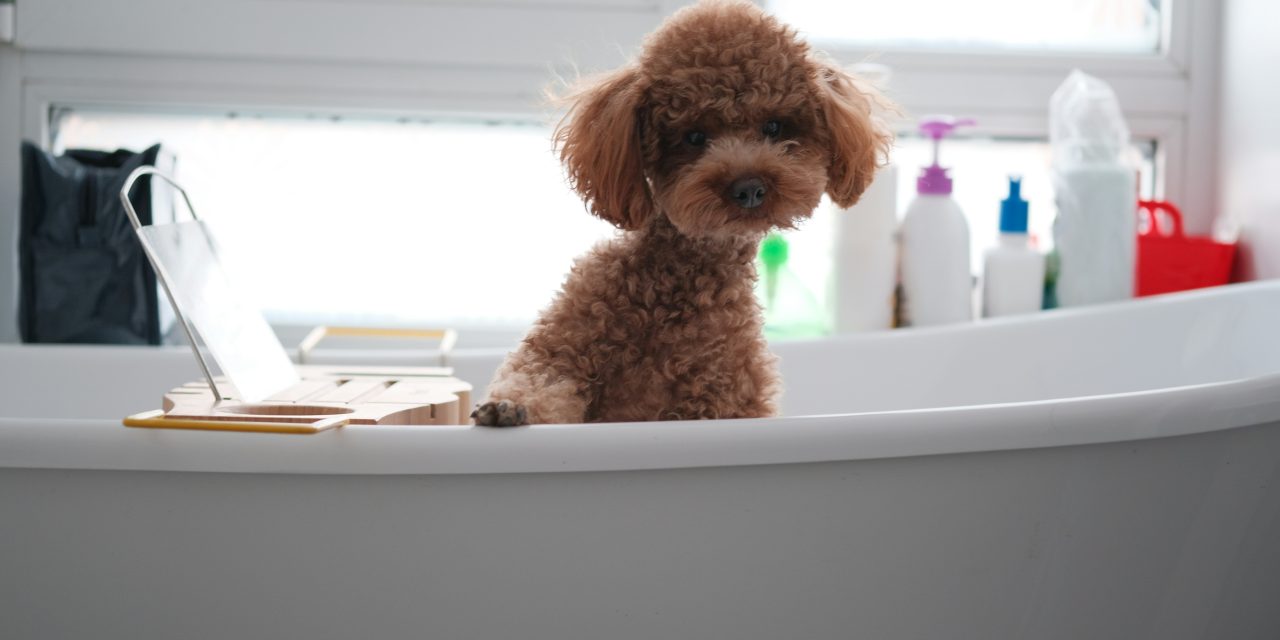
When bathing your pet, it is crucial to use lukewarm water and ensure that the bathing area is safe and comfortable. Employing a non-slip mat can prevent accidents during bath time. Additionally, using a gentle shampoo formulated for pets will help maintain their skin’s natural pH balance. Rinsing thoroughly is essential to avoid residue buildup that could lead to irritation or allergic reactions.
Nail Trimming Tips to Keep Your Pet Comfortable
Nail trimming is an often-dreaded aspect of pet hygiene but is vital for preventing discomfort and potential injury. Overgrown nails can lead to painful splaying of the toes or even fractures in severe cases. To ensure a positive experience during nail trimming sessions, it is advisable to acclimate your pet gradually by handling their paws regularly and rewarding them with treats.
When trimming nails, it is essential to use sharp clippers designed specifically for pets to avoid crushing the nail. Identifying the quick—the pink area within the nail that contains blood vessels—is crucial; cutting into this area can cause pain and bleeding. If your pet has dark nails where the quick is not visible, trimming small amounts gradually can help avoid accidents. Regular nail maintenance not only enhances comfort but also contributes to better mobility.
Cleaning Ears and Eyes Safely
Ear and eye care are critical components of a comprehensive hygiene routine. Pets are susceptible to ear infections due to moisture buildup or wax accumulation; therefore, regular cleaning is essential. Using a veterinarian-recommended ear cleaning solution can help dissolve wax buildup without causing irritation. Gently massaging the base of the ear after applying the solution can facilitate effective cleaning.
Eye care is equally important; many pets experience tear staining or discharge that requires attention. Using a soft cloth dampened with warm water can help clean away debris without causing discomfort. For pets prone to excessive tearing, consulting with a veterinarian may be necessary to rule out underlying health issues such as allergies or infections.
Dental Care: Brushing and Beyond
Dental hygiene is often overlooked yet plays a crucial role in preventing periodontal disease and other systemic health issues in pets. Regular brushing of your pet’s teeth should be an integral part of their hygiene routine; ideally, this should occur daily or at least several times per week using toothpaste formulated specifically for pets.
In addition to brushing, providing dental chews or toys designed to promote oral health can further enhance your pet’s dental care regimen. These products help reduce plaque buildup while satisfying your pet’s natural chewing instincts. Regular veterinary dental check-ups are also essential; professional cleanings may be necessary depending on your pet’s dental health status.
Monitoring Your Pet’s Skin and Coat Health
Regular monitoring of your pet’s skin and coat health is vital for early detection of potential issues such as allergies or infections. During grooming sessions, pay close attention to any changes in texture, color, or odor that may indicate underlying problems. Skin irritations may manifest as redness or excessive scratching; these symptoms warrant prompt veterinary attention.
Additionally, observing changes in coat condition—such as excessive shedding or dullness—can provide insights into your pet’s overall health status. Nutritional deficiencies or underlying medical conditions may contribute to these changes; therefore, consulting with a veterinarian can help identify appropriate interventions.
Adjusting Your Routine Based on Seasonal Changes and Pet Behavior
Seasonal changes can significantly impact your pet’s hygiene needs; thus, it is essential to adjust your routine accordingly. For instance, during shedding seasons such as spring and fall, more frequent brushing may be necessary to manage loose fur effectively. Conversely, winter months may require additional attention to prevent dry skin caused by indoor heating.
Behavioral changes in pets can also signal adjustments in hygiene routines; increased outdoor activity during warmer months may necessitate more frequent baths due to dirt accumulation or exposure to allergens. Being attuned to these changes will ensure that your pet remains comfortable and healthy throughout the year.
In summary, establishing a comprehensive weekly hygiene routine for pets is essential for their overall health and well-being. By assessing individual needs, gathering appropriate supplies, setting consistent schedules, and employing effective grooming techniques tailored to coat types, owners can significantly enhance their pets’ quality of life. Regular monitoring of skin and coat health alongside seasonal adjustments ensures that pets remain comfortable year-round while fostering a strong bond between owner and companion through shared grooming experiences.
FAQs
What are the essential components of a weekly pet hygiene routine?
A comprehensive weekly pet hygiene routine should include brushing your pet’s fur, checking and cleaning their ears, trimming their nails, brushing their teeth, and giving them a bath if necessary. Each of these components helps maintain your pet’s overall health and comfort.
How often should I bathe my pet?
The frequency of bathing your pet depends on their breed, coat type, and lifestyle. Generally, dogs can be bathed every 4 to 6 weeks, while cats typically require less frequent baths. Always consult your veterinarian for specific recommendations based on your pet’s needs.
What tools do I need for a proper pet hygiene routine?
Essential tools for a pet hygiene routine include a brush suitable for your pet’s coat type, nail clippers or a grinder, a toothbrush and toothpaste designed for pets, ear cleaning solution, and pet shampoo. Having these tools on hand will make the hygiene process more efficient and effective.
How can I make my pet comfortable during grooming?
To make your pet comfortable during grooming, start by creating a calm environment, using positive reinforcement such as treats and praise, and introducing grooming tools gradually. Regular grooming sessions can also help your pet become accustomed to the process, reducing anxiety over time.
What signs indicate that my pet needs a hygiene routine adjustment?
Signs that your pet may need an adjustment to their hygiene routine include excessive shedding, bad odor, dirty ears, tartar buildup on teeth, or difficulty walking due to long nails. If you notice any of these signs, it may be time to reassess and enhance your pet’s hygiene practices.