Tree sap is a viscous substance produced by various species of trees, primarily as a defense mechanism against injury or disease. Composed of sugars, resins, and various organic compounds, sap can be sticky and difficult to remove once it adheres to surfaces, particularly automotive paint. The chemical composition of tree sap varies significantly depending on the tree species, which can influence its potential to damage car paint. For instance, sap from coniferous trees, such as pines, contains high levels of terpenes and resins that can lead to discoloration and degradation of the clear coat on vehicles.
When tree sap comes into contact with car paint, it can create a host of problems. The sticky residue can attract dirt and grime, leading to unsightly stains that are challenging to eliminate. Over time, if left untreated, sap can harden and bond with the paint surface, making removal increasingly difficult. Additionally, prolonged exposure to sunlight can exacerbate the situation, as UV rays can cause the sap to cure and adhere more firmly to the paint. Understanding these effects is crucial for car owners who wish to maintain the aesthetic and structural integrity of their vehicles.
If you’re dealing with the sticky problem of tree sap on your car’s paint, you might find it helpful to read a related article that offers tips on maintaining your vehicle’s exterior. Proper care can prevent damage and keep your car looking its best. For more insights on pet care that can also relate to maintaining a clean environment around your vehicle, check out this article on top 10 rover cat sitting tips for happy, healthy felines.
Preparing Your Car for Sap Removal
Before embarking on the sap removal process, it is essential to prepare your vehicle adequately. Start by finding a shaded area or a garage to work in; this will prevent the sap from hardening further due to heat exposure. Ensure that the surface of the car is cool to the touch, as heat can make the sap more challenging to remove. Gather all necessary materials beforehand, including microfiber cloths, rubbing alcohol, commercial bug and tar remover, warm soapy water, baking soda, WD-40, and protective gloves.
Next, assess the extent of the sap damage. Inspect the affected areas closely to determine whether the sap is fresh or has hardened. Fresh sap may be easier to remove than older deposits that have had time to cure. If you notice any scratches or imperfections in the paint, take note of these areas as they may require special attention during the cleaning process. Proper preparation will not only streamline the removal process but also minimize the risk of damaging your vehicle’s paint.
Using Rubbing Alcohol to Dissolve Tree Sap
Rubbing alcohol is a highly effective solvent for dissolving tree sap due to its ability to break down organic compounds. To utilize this method, pour a small amount of rubbing alcohol onto a clean microfiber cloth. Gently dab the cloth onto the sap-stained area without rubbing vigorously, as this could cause further damage to the paint surface. Allow the alcohol to sit for a few moments to penetrate and soften the sap.
After letting it sit, use a clean section of the cloth to wipe away the dissolved sap gently. You may need to repeat this process several times for stubborn deposits. It is crucial to rinse the area with water afterward to remove any residual alcohol and sap remnants. This method is particularly advantageous because it is non-abrasive and safe for most automotive finishes when used correctly.
Applying Commercial Bug and Tar Remover Safely
Commercial bug and tar removers are specifically formulated to tackle tough residues like tree sap without harming automotive paint. When selecting a product, ensure it is compatible with your vehicle’s finish by reading labels carefully. To apply the remover safely, spray a small amount onto a clean microfiber cloth rather than directly onto the car’s surface; this minimizes overspray and potential damage.
Gently rub the cloth over the sap-stained area in circular motions, allowing the product to penetrate and dissolve the residue effectively. After a few moments, wipe away any excess product with a separate clean cloth. It is advisable to follow up with a thorough wash of the affected area using warm soapy water to eliminate any chemical residues left behind by the remover. Always wear gloves during this process to protect your skin from harsh chemicals.
If you’re dealing with the frustrating issue of tree sap on your car’s paint, you might find it helpful to explore some effective removal techniques. For additional tips on maintaining your vehicle’s appearance, you can check out this informative article on waterless dog shampoo, which discusses how to keep your car clean while also considering the best practices for various surfaces.
Utilizing Warm Soapy Water for Gentle Cleaning
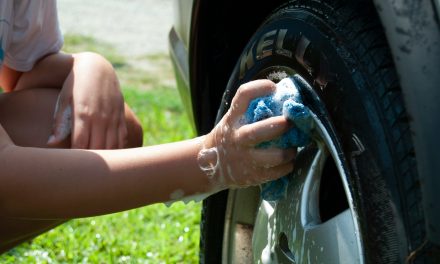
For those who prefer a more natural approach, warm soapy water can be an effective solution for removing tree sap without resorting to harsh chemicals. Begin by mixing a few drops of mild dish soap with warm water in a bucket. Using a soft sponge or microfiber cloth, dip it into the soapy solution and gently scrub the affected area.
The warmth of the water helps soften the sap while the soap breaks down its stickiness. Rinse the sponge frequently in clean water to avoid spreading sap around. After thoroughly cleaning the area, rinse it with plain water to remove any soap residue. This method is particularly beneficial for light sap deposits and is safe for all types of automotive finishes.
The Effectiveness of Baking Soda Paste on Sap Stains
Baking soda is renowned for its versatility in household cleaning applications, including automotive care. To create a baking soda paste for sap removal, mix three parts baking soda with one part water until you achieve a thick consistency. Apply this paste directly onto the sap-stained area and let it sit for approximately 10-15 minutes.
The mild abrasiveness of baking soda helps lift stubborn stains without scratching the paint surface. After allowing it to sit, use a damp microfiber cloth to gently scrub away the paste along with the dissolved sap. Rinse thoroughly with water afterward to ensure no baking soda residue remains on your vehicle’s finish. This method is particularly effective for older stains that have had time to set.
Using WD-40 as a Quick Sap Removal Solution
WD-40 is often hailed as a miracle product for various household tasks, including automotive maintenance. Its unique formulation allows it to penetrate and dissolve sticky substances like tree sap effectively. To use WD-40 for sap removal, spray a small amount directly onto the affected area and let it sit for several minutes.
After allowing it time to work its magic, use a clean microfiber cloth to wipe away both the WD-40 and dissolved sap residue. This method is quick and efficient but should be followed by washing the area with soap and water to remove any oily residue left behind by WD-40. While effective, it’s essential to use this method sparingly as frequent application may lead to buildup on your vehicle’s surface.
Tips for Avoiding Paint Damage During Sap Removal
When attempting to remove tree sap from your vehicle’s paintwork, it is crucial to take precautions that minimize potential damage. First and foremost, always use soft materials such as microfiber cloths or sponges designed specifically for automotive care; abrasive materials can scratch or dull your paint finish.
Additionally, avoid using excessive force when scrubbing; gentle pressure is often sufficient for removing sap without harming the underlying surface. If using solvents or commercial products, always test them on an inconspicuous area first to ensure compatibility with your vehicle’s finish. Lastly, never attempt to scrape off hardened sap with sharp objects; this can lead to significant scratches or chips in your paint.
How to Protect Your Car Paint After Sap Removal
Once you have successfully removed tree sap from your vehicle’s surface, taking steps to protect your car’s paint is essential for long-term maintenance. Consider applying a high-quality wax or sealant after cleaning; these products create a protective barrier against environmental contaminants such as tree sap in the future.
Regularly washing your vehicle will also help prevent sap buildup by removing any potential contaminants before they have a chance to adhere firmly. Additionally, consider investing in a car cover if you frequently park under trees; this simple measure can significantly reduce exposure to falling sap and other debris.
When to Seek Professional Help for Sap Removal
While many homeowners can successfully remove tree sap using DIY methods, there are instances where professional intervention may be necessary. If you notice that sap has penetrated deeply into your vehicle’s clear coat or if there are accompanying scratches or damage that could worsen during removal attempts, consulting an automotive detailing professional is advisable.
Professionals possess specialized tools and products designed specifically for automotive care that can effectively address stubborn stains without risking further damage. Additionally, if you are unsure about which method or product is best suited for your vehicle’s finish, seeking expert advice can save you time and potential headaches down the line.
Preventative Measures to Avoid Future Sap Problems
Preventing tree sap issues before they arise is far more effective than dealing with them after they occur. One of the most straightforward preventative measures is parking away from trees whenever possible; this simple habit can significantly reduce exposure to falling sap.
If parking under trees is unavoidable, consider using a high-quality car cover designed specifically for outdoor use; these covers provide an additional layer of protection against environmental contaminants while also shielding your vehicle from UV rays that can degrade paint over time.
Regular maintenance routines should also include waxing your vehicle every few months; this creates a protective barrier that makes it more difficult for contaminants like tree sap to adhere firmly to your car’s surface.
In summary, understanding tree sap’s effects on car paint is crucial for maintaining your vehicle’s appearance and integrity. Preparing adequately before removal and utilizing effective methods such as rubbing alcohol or commercial products can yield positive results without damaging your paintwork. Employing preventative measures will help mitigate future issues while knowing when to seek professional assistance ensures that your vehicle remains in optimal condition over time.
FAQs
What is tree sap and why is it problematic for car paint?
Tree sap is a sticky substance produced by trees, primarily as a defense mechanism against injury or disease. It can be problematic for car paint because it can harden and bond with the surface, leading to potential damage, discoloration, and difficulty in removal if not addressed promptly.
What are some effective methods to remove tree sap from car paint?
Effective methods to remove tree sap include using rubbing alcohol, hand sanitizer, or a commercial sap remover. You can apply these substances to a soft cloth and gently rub the affected area. Additionally, using a clay bar can help lift the sap without damaging the paint.
Is it safe to use household products to remove tree sap?
While some household products like rubbing alcohol and vinegar can be effective, it’s important to test them on a small, inconspicuous area first to ensure they do not damage the paint. Avoid using harsh chemicals or abrasive materials that could scratch the surface.
How can I prevent tree sap from damaging my car in the future?
To prevent tree sap from damaging your car, try to park away from trees whenever possible. Regularly washing and waxing your car can also create a protective barrier against sap and other contaminants, making it easier to remove if it does come into contact with your vehicle.
What should I do if the sap has already damaged the paint?
If the sap has already damaged the paint, you may need to consult a professional detailer or body shop for repair options. They can assess the damage and recommend solutions, which may include polishing, repainting, or applying a protective coating to restore the car’s finish.