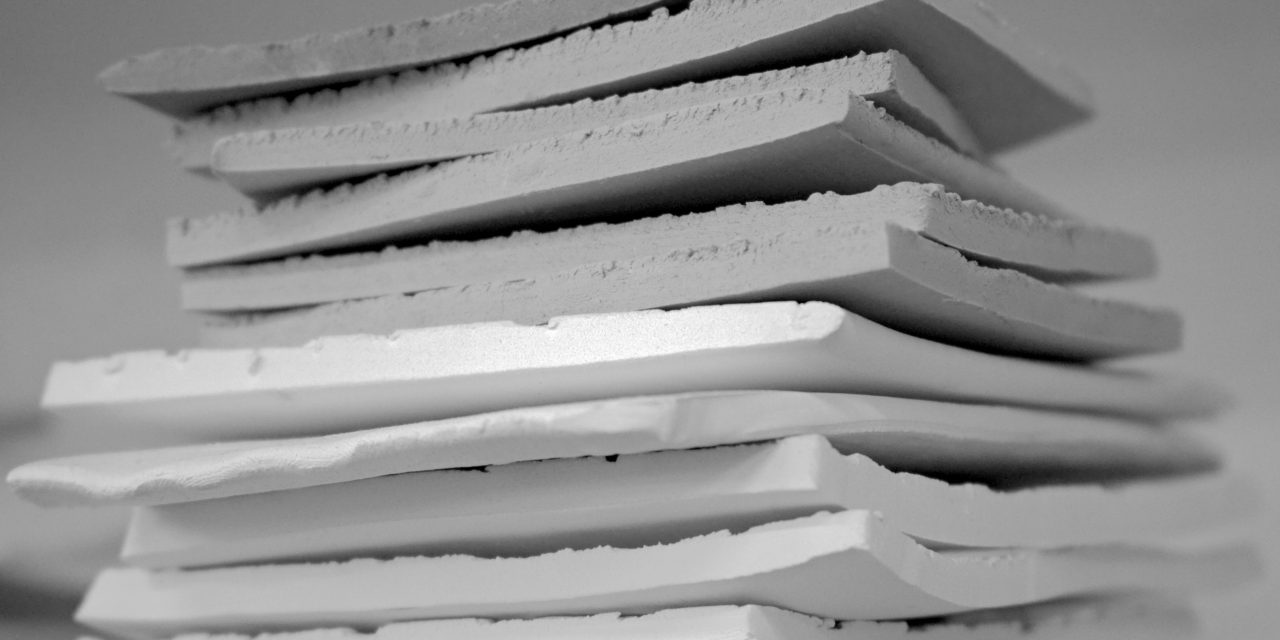
Clay bar treatment is an essential process in automotive detailing that serves to enhance and protect the vehicle’s exterior finish. This technique involves using a specially formulated clay compound to remove contaminants that regular washing cannot eliminate. These contaminants include industrial fallout, tree sap, road grime, and other environmental pollutants that adhere to the paint surface. The primary purpose of a clay bar is to restore the smoothness of the paint, allowing for a more effective application of wax or sealant, which ultimately enhances the vehicle’s shine and longevity.
The clay bar treatment works by utilizing a non-abrasive material that gently lifts and encapsulates these impurities without damaging the underlying paint. This process not only improves the aesthetic appeal of the vehicle but also prepares the surface for further protective treatments. By removing embedded contaminants, the clay bar treatment ensures that subsequent layers of wax or sealant adhere better, providing a more durable protective barrier against future environmental damage.
When considering how often you should clay bar your car, it’s essential to understand the broader context of vehicle maintenance and care. Regular cleaning and detailing can significantly enhance your car’s appearance and longevity. For additional tips on maintaining your vehicle, you might find this article on keeping your car happy and healthy helpful. You can read it here: Top 7 Hydracare Tips to Keep Your Cat Happy and Healthy.
Signs Your Car Needs a Clay Bar Treatment
Several indicators suggest that your vehicle may benefit from a clay bar treatment. One of the most noticeable signs is a rough texture on the paint surface, which can be felt when running your fingers over it. This roughness is often caused by contaminants that have bonded to the paint, making it feel gritty or uneven. Additionally, if you notice a dull appearance or a lack of shine despite regular washing and waxing, it may be time to consider a clay bar treatment.
Another sign that your car requires this treatment is the presence of water spots or streaks that do not come off with standard cleaning methods. These spots can be caused by mineral deposits from hard water or other environmental factors. Furthermore, if you observe that wax or sealant does not seem to last as long as it should or does not provide the desired gloss, it may indicate that contaminants are preventing proper adhesion. Addressing these issues with a clay bar treatment can significantly improve both the look and protection of your vehicle’s paint.
How Often Should You Clay Bar Your Car?

The frequency of clay bar treatments largely depends on various factors, including environmental conditions, driving habits, and the type of maintenance performed on the vehicle. Generally, it is recommended to perform a clay bar treatment every six months to one year for most vehicles. However, those who frequently drive in urban areas with high levels of pollution or near industrial zones may need to perform this treatment more often due to increased exposure to contaminants.
For car enthusiasts or individuals who take pride in maintaining their vehicle’s appearance, quarterly treatments may be beneficial. Regular inspections of the paint surface can help determine when a clay bar treatment is necessary. If you notice any signs of contamination or roughness, it is advisable to address these issues promptly to maintain optimal paint condition.
Factors That Influence Clay Bar Frequency

Several factors influence how often a vehicle should undergo clay bar treatment. Environmental conditions play a significant role; for instance, cars parked outdoors are more susceptible to bird droppings, tree sap, and industrial fallout than those kept in garages. Additionally, geographic location can impact contamination levels; urban areas typically have higher pollution rates compared to rural settings.
Driving habits also contribute to the frequency of clay bar treatments. Frequent highway driving exposes vehicles to road grime and debris, while off-road driving can introduce additional contaminants such as mud and dirt. Furthermore, the type of maintenance performed on the vehicle affects how often claying is necessary. Regular washing with high-quality products can help minimize contamination buildup, potentially extending the time between clay bar treatments.
When considering how often you should clay bar your car, it’s essential to understand the factors that can affect your vehicle’s paint condition. Regular maintenance can help preserve the finish, but if you’re also interested in home upkeep, you might want to check out this article on how to identify plumbing issues in your home. Keeping both your car and home in top shape can save you time and money in the long run. For more information, you can read the article here.
Choosing the Right Clay Bar for Your Vehicle
Selecting the appropriate clay bar for your vehicle is crucial for achieving optimal results without damaging the paint surface. Clay bars come in various grades, typically categorized as fine, medium, and aggressive. Fine-grade clay bars are ideal for vehicles with minimal contamination and are suitable for regular maintenance. Medium-grade options are versatile and can handle moderate levels of contamination effectively.
Aggressive-grade clay bars are designed for heavily contaminated surfaces but should be used with caution as they can potentially mar softer paint finishes. It is essential to assess your vehicle’s condition before choosing a clay bar grade. Additionally, consider using a clay bar kit that includes lubricant specifically formulated for use with clay bars; this ensures smooth application and minimizes the risk of scratching.
If you’re wondering how often you should clay bar your car to maintain its pristine finish, you might find it helpful to read a related article that discusses the importance of regular car maintenance. This article emphasizes the benefits of keeping your vehicle clean and protected, which can ultimately prolong its lifespan. For more insights on this topic, check out this informative piece on pet grooming and hygiene, as it draws parallels between caring for your car and your beloved pets.
Preparing Your Car Before Clay Bar Application
Proper preparation is vital before applying a clay bar to ensure effective results and protect your vehicle’s finish. Begin by thoroughly washing the car using a pH-balanced car shampoo to remove loose dirt and grime. Pay special attention to areas prone to contamination, such as wheel wells and lower panels. After washing, rinse the vehicle thoroughly and dry it using a microfiber towel to prevent water spots.
Once the car is clean and dry, inspect the paint surface for any visible imperfections or scratches. If necessary, consider performing paint correction before claying to achieve optimal results. Additionally, ensure that you have all necessary supplies on hand, including a clay bar, lubricant, microfiber towels, and possibly gloves to maintain cleanliness during the process.
Step-by-Step Guide to Using a Clay Bar
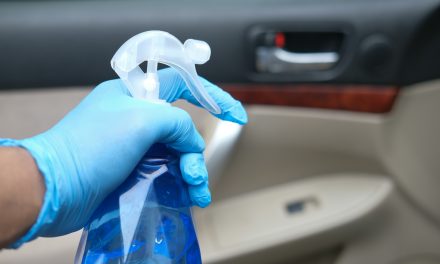
Using a clay bar effectively requires following a systematic approach to achieve the best results. Begin by dividing the vehicle into manageable sections; this allows for thorough attention to detail without overwhelming yourself. Spray a generous amount of lubricant onto the section you are working on to create a slippery surface for the clay bar.
Take a small piece of clay and flatten it into a disc shape before gently gliding it over the lubricated area using light pressure. Use back-and-forth motions rather than circular ones to avoid potential marring of the paint surface. As you work, periodically check the clay for dirt buildup; knead it into a fresh shape when it becomes dirty to expose clean surfaces.
After completing each section, wipe away any remaining lubricant with a clean microfiber towel before moving on to the next area. Continue this process until you have treated the entire vehicle. Once finished, inspect the paint surface for any remaining contaminants and repeat as necessary.
Common Mistakes to Avoid When Claying Your Car
While using a clay bar can yield impressive results, several common mistakes can hinder effectiveness or even damage your vehicle’s finish. One frequent error is neglecting to use adequate lubrication; insufficient lubricant can cause the clay bar to stick or drag on the paint surface, leading to scratches or marring.
Another mistake is applying too much pressure while using the clay bar; excessive force can damage delicate finishes or create swirl marks. It is essential to let the clay do its job without forcing it into the surface. Additionally, failing to knead the clay regularly can result in reintroducing contaminants back onto the paint during application.
Lastly, many individuals overlook post-clay care; neglecting to polish or wax after claying can leave the paint vulnerable to future damage. Always follow up with appropriate protective treatments after completing a clay bar session.
Post-Clay Bar Care: Polishing and Waxing Tips
After completing a clay bar treatment, it is crucial to follow up with polishing and waxing to maximize protection and enhance shine. Polishing helps remove any minor imperfections or haze left behind after claying while also restoring clarity and depth to the paint finish. Choose a high-quality polish suitable for your vehicle’s paint type and apply it using an orbital polisher or by hand with a foam applicator pad.
Once polishing is complete, proceed with waxing or sealing the paint surface. Wax provides a protective layer against UV rays and environmental contaminants while enhancing gloss and depth. Apply wax evenly using circular motions and allow it to cure according to manufacturer instructions before buffing off with a clean microfiber towel.
Regular maintenance after claying is essential; consider using spray wax or detailer products between washes to maintain shine and protection while minimizing contamination buildup.
Benefits of Regular Clay Bar Treatments for Paint Protection
Regularly incorporating clay bar treatments into your vehicle maintenance routine offers numerous benefits for paint protection and overall appearance. One significant advantage is enhanced smoothness; removing embedded contaminants results in a silky-smooth surface that reflects light more effectively, leading to improved gloss.
Additionally, regular claying helps prolong the life of wax or sealant applications by ensuring proper adhesion and reducing contamination buildup over time. This proactive approach minimizes potential damage from environmental factors such as UV rays, acid rain, and bird droppings.
Moreover, maintaining clean paint surfaces through regular claying can prevent costly repainting or correction services down the line. By investing time in this preventative measure, vehicle owners can enjoy their cars’ aesthetic appeal while preserving their value over time.
Expert Tips for Maintaining Perfect Paint Between Clay Bar Sessions
To maintain optimal paint condition between clay bar treatments, several expert tips can be employed. First and foremost, establish a regular washing routine using high-quality products designed specifically for automotive finishes; this helps minimize contamination buildup while preserving shine.
Consider utilizing detailing sprays or quick detailers after washes; these products provide additional lubrication and protection while enhancing gloss between claying sessions. Additionally, avoid parking under trees or near industrial areas whenever possible to reduce exposure to harmful contaminants.
Lastly, invest in high-quality microfiber towels for drying and detailing; these materials are gentle on paint surfaces and help prevent scratches during maintenance tasks.
In summary, understanding clay bar treatment’s purpose is essential for maintaining your vehicle’s exterior finish effectively. Recognizing signs that indicate when your car needs this treatment will help preserve its aesthetic appeal while prolonging protective coatings’ effectiveness. Factors such as environmental conditions and driving habits influence how often claying should occur; thus, selecting an appropriate clay bar grade tailored to your vehicle’s needs is crucial.
Preparing your car adequately before application ensures optimal results while following proper techniques during use minimizes potential mistakes that could damage your finish. Post-clay care through polishing and waxing enhances protection against environmental factors while maintaining shine over time.
Regularly incorporating clay bar treatments into your maintenance routine offers numerous benefits for paint protection and overall appearance while expert tips help maintain perfect paint condition between sessions. By investing time in these practices, vehicle owners can enjoy their cars’ beauty while preserving their value for years to come.
FAQs
How often should I clay bar my car?
It is generally recommended to clay bar your car every 6 to 12 months, depending on your driving conditions and how often you wash your vehicle. If you frequently drive in polluted areas or near construction sites, you may need to clay bar more often.
What are the signs that my car needs to be clay barred?
Signs that your car may need to be clay barred include a rough or gritty surface when you run your hand over the paint, visible contaminants like tree sap or industrial fallout, and a decrease in the effectiveness of wax or sealant applications.
Can I clay bar my car too often?
Yes, clay barring your car too often can lead to damage to the clear coat and paint. Overuse can cause micro-scratches and diminish the protective layer on your vehicle, so it’s important to follow a reasonable schedule based on your car’s condition.
Is it necessary to wash my car before using a clay bar?
Yes, it is essential to wash your car thoroughly before using a clay bar. This removes loose dirt and debris, which can cause scratches during the claying process. A clean surface ensures that the clay bar can effectively remove embedded contaminants.
What type of lubricant should I use with a clay bar?
It is best to use a dedicated clay bar lubricant, which is specifically formulated to provide the right slip and protection during the claying process. Alternatively, you can use a quick detailer or a mixture of water and car soap, but ensure it is safe for your vehicle’s paint.