Cooking salmon in foil is a culinary technique that has gained popularity due to its simplicity and effectiveness. This method not only preserves the delicate flavors of the fish but also ensures that it remains moist and tender throughout the cooking process. Foil-wrapping creates a sealed environment that traps steam, allowing the salmon to cook evenly while infusing it with the aromas of added ingredients. This technique is particularly beneficial for those who may be intimidated by traditional grilling or pan-searing methods, as it minimizes the risk of overcooking or drying out the fish.
Moreover, cooking salmon in foil is an incredibly versatile approach. It allows for a wide range of flavor combinations and can easily accommodate various dietary preferences. Whether you prefer a simple seasoning of salt and pepper or a more complex blend of herbs and spices, foil-wrapped salmon can be tailored to suit any palate. Additionally, this method simplifies cleanup, as the foil can be discarded after use, leaving minimal mess behind.
If you’re looking to enhance your culinary skills, particularly with seafood, you might find it useful to explore techniques for cooking salmon in foil in the oven. This method not only helps retain moisture and flavor but also makes for an easy cleanup. For more tips on maintaining a clean kitchen while you experiment with delicious recipes, check out this informative article on how to get rid of sugar ants in the kitchen at this link.
Selecting the Freshest Salmon Fillets
When it comes to preparing salmon, the quality of the fish is paramount. Selecting the freshest salmon fillets is essential for achieving optimal flavor and texture. Look for fillets that exhibit a vibrant color, typically ranging from deep pink to bright orange, depending on the species. The flesh should be firm to the touch and should spring back when pressed gently. Avoid fillets that appear dull or have brown spots, as these are indicators of age and potential spoilage.
In addition to visual cues, consider the source of your salmon. Wild-caught salmon is often regarded as superior in taste and nutritional value compared to farmed varieties. Species such as Sockeye, Coho, and King salmon are particularly prized for their rich flavor profiles. If purchasing farmed salmon, ensure it comes from reputable sources that adhere to sustainable practices. Checking for certifications such as the Marine Stewardship Council (MSC) label can provide assurance regarding the sustainability of your seafood choices.
Preparing Your Ingredients and Seasonings

Once you have selected your salmon fillets, it’s time to prepare your ingredients and seasonings. A well-seasoned salmon dish can elevate the overall dining experience, making it essential to choose complementary flavors that enhance the fish without overpowering it. Common seasonings include salt, black pepper, garlic powder, and onion powder, which provide a solid foundation for flavor.
In addition to basic seasonings, consider incorporating fresh herbs such as dill, parsley, or thyme. These herbs not only add aromatic qualities but also contribute to the dish’s visual appeal. Citrus fruits like lemons or limes can provide a refreshing acidity that balances the richness of the salmon. Slicing these fruits into rounds or wedges allows for even distribution of flavor when placed atop the fish before wrapping it in foil.
Preheating the Oven to the Ideal Temperature

Preheating your oven is a crucial step in ensuring that your salmon cooks evenly and thoroughly. The ideal temperature for baking salmon in foil typically ranges between 375°F (190°C) and 425°F (220°C). A moderate temperature allows for gentle cooking, which helps maintain moisture while achieving a desirable texture.
To preheat your oven effectively, set it to your desired temperature and allow it to heat for at least 10-15 minutes before placing your salmon inside. This ensures that the cooking environment is stable and consistent from the moment you introduce your dish. Using an oven thermometer can help verify that your oven reaches the correct temperature, as some models may have discrepancies in their settings.
If you’re looking for a simple and delicious way to prepare salmon, cooking it in foil in the oven is an excellent method that locks in flavor and moisture. For more tips on enhancing your cooking skills, you might find this article on adorable puppies and kittens quite delightful, as it can inspire you to create a warm and inviting atmosphere in your kitchen while you cook. Check out the article here for a dose of cuteness that might just make your cooking experience even more enjoyable.
Wrapping the Salmon: Step-by-Step Foil Technique
The technique of wrapping salmon in foil is straightforward yet requires attention to detail for optimal results. Begin by tearing off a piece of aluminum foil large enough to encase your salmon fillet completely. Lay the foil shiny side up on a flat surface. Place the seasoned salmon fillet in the center of the foil sheet.
Next, fold the sides of the foil over the fish, creating a sealed packet by crimping the edges together tightly. This step is crucial as it prevents steam from escaping during cooking, ensuring that the salmon remains moist. If desired, you can create a double layer of foil for added protection against leaks. Once sealed, place the foil packet on a baking sheet for easy handling when transferring it to the oven.
If you’re looking for a simple and delicious way to prepare salmon, cooking it in foil in the oven is an excellent method that locks in moisture and flavor. For more tips on cooking fish, you might find this article on grooming a French Bulldog surprisingly helpful, as it emphasizes the importance of care and attention, which can also apply to preparing your meals. By following a few straightforward steps, you can enjoy a perfectly baked salmon that is both healthy and satisfying.
Adding Flavor Enhancers: Herbs, Citrus, and Spices
Enhancing the flavor of your salmon is an opportunity to get creative with various ingredients. Fresh herbs are an excellent choice for adding depth and complexity to your dish. Dill pairs exceptionally well with salmon due to its bright and slightly tangy profile, while parsley adds a fresh note that complements many seasonings.
Citrus fruits are another fantastic addition; their acidity helps cut through the richness of the fish while imparting a refreshing taste. Squeeze fresh lemon juice over the fillet before sealing it in foil or place thin slices directly on top of the fish for an aromatic infusion during baking. Additionally, spices such as paprika or cumin can introduce warmth and earthiness to your dish.
Baking Time: How Long to Cook for Perfect Doneness
The baking time for salmon wrapped in foil varies based on several factors, including thickness and oven temperature. As a general guideline, plan for approximately 15-20 minutes of cooking time at 375°F (190°C) for a standard fillet that is about one inch thick. Thicker cuts may require an additional 5-10 minutes.
To ensure even cooking, it’s advisable to check for doneness periodically during baking. The internal temperature of cooked salmon should reach 145°F (63°C) when measured at its thickest part using an instant-read thermometer. This temperature guarantees that harmful bacteria are eliminated while preserving moisture and tenderness.
Checking for Doneness Without Overcooking
Determining when your salmon is perfectly cooked can be challenging but is essential for achieving optimal results. One effective method is to use an instant-read thermometer; insert it into the thickest part of the fillet without touching bone or foil. If you do not have a thermometer on hand, you can also check for doneness visually.
Cooked salmon will change from translucent to opaque as it cooks through; it should flake easily with a fork when done. If you notice any remaining translucency in the center or if it resists flaking, allow it to bake for an additional few minutes before checking again. Avoid overcooking by keeping a close eye on your fish during its final moments in the oven.
Serving Suggestions: Complementary Sides and Garnishes
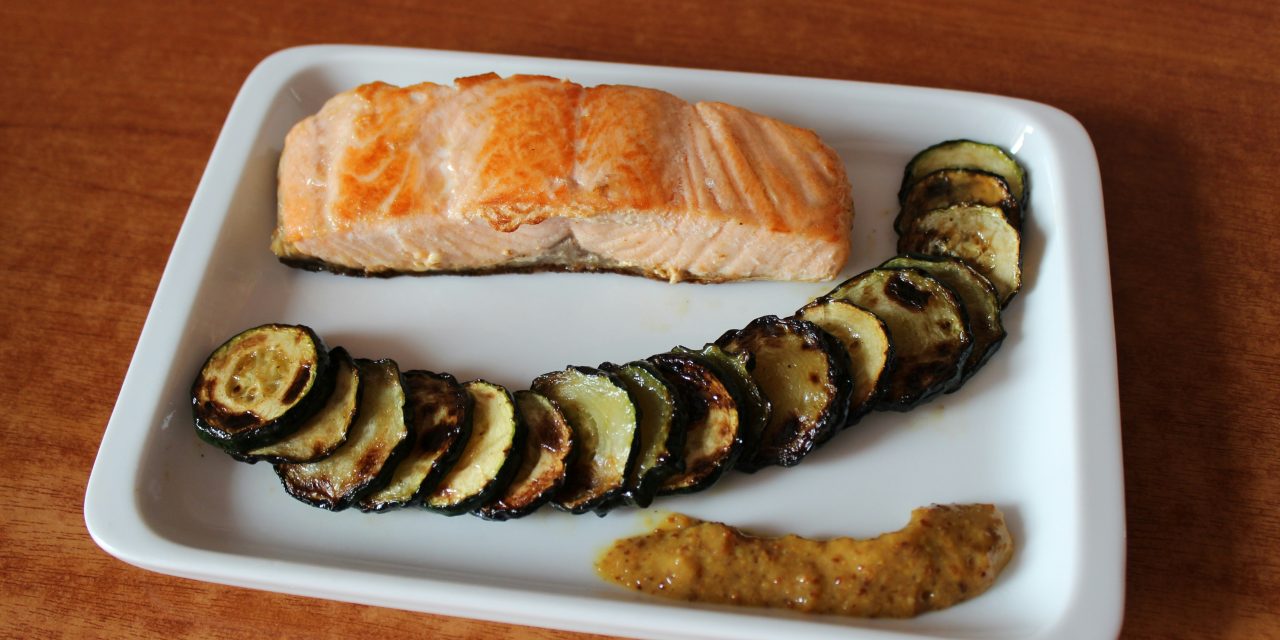
Once your salmon has reached perfect doneness, it’s time to serve it alongside complementary sides that enhance its flavors. Consider pairing your dish with roasted vegetables such as asparagus, Brussels sprouts, or carrots; their natural sweetness balances well with savory fish.
Grains like quinoa or brown rice provide a hearty base that absorbs any juices from the salmon while adding nutritional value to your meal. For a refreshing contrast, consider serving a light salad dressed with vinaigrette or citrus-based dressing alongside your main dish. Garnishing with fresh herbs or lemon wedges adds visual appeal and invites diners to enjoy additional flavor enhancements.
Tips for Cleaning Up and Reusing Foil
Cleaning up after cooking can often be tedious; however, using aluminum foil simplifies this process significantly. After removing your salmon from the oven, allow the foil packet to cool slightly before carefully unwrapping it—be cautious of escaping steam.
If you wish to reuse aluminum foil, ensure that it is free from food residue before storing it away for future use. Gently wipe down any grease or food particles with a damp cloth or paper towel before folding it neatly for storage. However, if you have used foil with acidic ingredients like citrus or vinegar, it’s best to discard it due to potential degradation.
Troubleshooting Common Issues and Final Thoughts
Despite its simplicity, cooking salmon in foil may present some challenges that require troubleshooting. If you find that your salmon is overcooked or dry, consider adjusting your baking time or temperature during future attempts. Additionally, ensure that you are using fresh ingredients and properly sealing your foil packets to retain moisture.
Conversely, if your salmon appears undercooked after following recommended times, increase cooking duration incrementally while monitoring closely until desired doneness is achieved. Remember that factors such as oven calibration and fillet thickness can influence cooking times significantly.
In conclusion, cooking salmon in foil is an accessible yet sophisticated method that yields delicious results with minimal effort. By selecting high-quality ingredients and employing proper techniques throughout preparation and cooking processes, you can create a flavorful dish that impresses family and friends alike.
In summary:
– Cooking salmon in foil preserves moisture and enhances flavor.
– Select fresh fillets with vibrant color and firm texture.
– Prepare seasonings thoughtfully; consider herbs and citrus.
– Preheat oven between 375°F (190°C) and 425°F (220°C).
– Wrap salmon securely in foil for even cooking.
– Monitor baking time based on thickness; aim for 145°F (63°C).
– Serve with complementary sides like roasted vegetables or grains.
– Clean up easily by reusing aluminum foil when possible.
– Troubleshoot common issues by adjusting cooking times as needed.
This method not only simplifies preparation but also allows for endless creativity in flavor combinations while ensuring a delightful dining experience every time you serve this delectable fish dish!
FAQs
What temperature should I set my oven to when cooking salmon in foil?
For cooking salmon in foil, it is recommended to preheat your oven to 375°F (190°C). This temperature allows the salmon to cook evenly while retaining moisture.
How long does it take to cook salmon in foil in the oven?
The cooking time for salmon in foil typically ranges from 15 to 25 minutes, depending on the thickness of the fillet. A general rule of thumb is to cook it for about 10 minutes per inch of thickness.
Should I add seasoning or marinade to the salmon before cooking?
Yes, adding seasoning or a marinade enhances the flavor of the salmon. Common options include olive oil, lemon juice, garlic, herbs, and spices. Allow the salmon to marinate for at least 30 minutes for better flavor absorption.
Can I cook vegetables with the salmon in the foil?
Absolutely! Cooking vegetables alongside the salmon in the foil is a great way to create a complete meal. Just make sure to cut the vegetables into similar sizes for even cooking and adjust the cooking time as needed.
Is it necessary to use aluminum foil when cooking salmon in the oven?
Using aluminum foil is not strictly necessary, but it is highly recommended. Foil helps to lock in moisture, prevents the salmon from drying out, and makes for easier cleanup. Alternatively, you can use parchment paper for a similar effect.