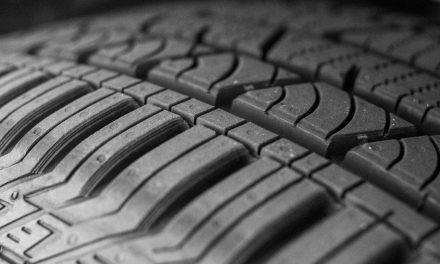
Tire rotation is a crucial maintenance procedure that involves periodically changing the position of each tire on a vehicle. This practice is essential for ensuring even wear across all tires, which can significantly enhance vehicle performance, safety, and longevity. Tires are subjected to varying forces depending on their location on the vehicle; for instance, front tires often bear more weight and experience different wear patterns compared to rear tires. By rotating the tires, drivers can mitigate uneven wear, thereby extending the lifespan of the tires and improving overall handling.
The importance of tire rotation cannot be overstated. Uneven tire wear can lead to compromised traction, reduced fuel efficiency, and an increased risk of blowouts. Furthermore, maintaining balanced tire wear contributes to a smoother ride and enhances the effectiveness of braking systems. Regular tire rotation is not merely a recommendation; it is a vital component of vehicle maintenance that can save drivers from costly replacements and ensure optimal performance.
When considering vehicle maintenance, it’s essential to understand not only how often you should rotate your tires but also the importance of keeping your car clean. A related article discusses the differences between steam cleaning and carpet shampooing, which can be beneficial for maintaining the interior of your vehicle. For more insights on this topic, you can read the article here: Steam Cleaning vs. Carpet Shampooing: Which Method Works Better?.
The Recommended Frequency for Tire Rotation
The frequency of tire rotation is generally dictated by the manufacturer’s recommendations, which can typically be found in the vehicle’s owner manual. Most experts suggest that tires should be rotated every 5,000 to 7,500 miles, although this can vary based on driving habits and conditions. For instance, individuals who frequently drive in harsh conditions—such as off-road environments or areas with extreme weather—may need to rotate their tires more often to counteract accelerated wear.
Additionally, certain driving styles can influence how quickly tires wear down. Aggressive driving, characterized by rapid acceleration and hard braking, can lead to uneven wear patterns that necessitate more frequent rotations. Therefore, it is prudent for drivers to assess their driving habits and adjust their tire rotation schedule accordingly to maintain optimal tire health.
Signs Your Tires Need Rotation Sooner

While adhering to a regular rotation schedule is essential, there are specific indicators that may suggest a need for earlier intervention. One of the most common signs is uneven tread wear; if one tire appears significantly more worn than others, it may be time for a rotation. Drivers should also monitor for vibrations or pulling sensations while driving, as these can indicate misalignment or uneven tire wear.
Another critical sign is the presence of noise emanating from the tires while driving. If a driver notices unusual sounds—such as humming or thumping—it may indicate that the tires are not making proper contact with the road surface due to uneven wear. Regular visual inspections can help identify these issues early on, allowing for timely rotations that prevent further complications.
How Tire Rotation Extends Tire Life

Tire rotation plays a pivotal role in extending the life of tires by promoting uniform wear across all four tires. When tires are rotated regularly, they experience similar levels of stress and strain, which helps to equalize tread depth and prolong their usability. This practice not only enhances safety but also maximizes the return on investment for tire purchases.
Moreover, maintaining even tread depth across all tires contributes to improved fuel efficiency. Tires with uneven wear can create additional drag, leading to increased fuel consumption. By ensuring that all tires wear evenly through regular rotation, drivers can enjoy better mileage and reduced fuel costs over time.
Regular tire rotation is essential for maintaining even tire wear and extending the life of your tires. To learn more about the importance of proper maintenance in different areas, you might find it interesting to read about how to keep your pets’ dental health in check. This article provides valuable insights into ensuring your furry friends have healthy smiles, which is just as important as taking care of your vehicle. For more information, check out this helpful guide on pet dental care.
Different Rotation Patterns Explained
There are several established tire rotation patterns that cater to different types of vehicles and tire configurations. The most common patterns include:
1. **Forward Cross**: This pattern is typically used for front-wheel-drive vehicles. The front tires are moved straight back to the rear axle, while the rear tires are crossed over to the front.
2. **X-Pattern**: Suitable for both front-wheel and rear-wheel-drive vehicles, this pattern involves swapping the front tires diagonally with the rear tires.
3. **Rearward Cross**: This pattern is often used for rear-wheel-drive vehicles. The rear tires move straight forward to the front axle, while the front tires cross over to the rear.
4. **Side-to-Side**: This pattern is primarily used for vehicles equipped with directional tires or staggered setups where different sizes are used on the front and rear axles.
Understanding these patterns is essential for ensuring that tire rotation is performed correctly, as improper rotation can exacerbate uneven wear rather than alleviate it.
When considering tire maintenance, it’s essential to understand the importance of regular tire rotation to ensure even wear and prolong the life of your tires. For more insights on how often you should rotate your tires, you might find this article helpful. Additionally, if you’re looking for tips on caring for your furry friends while you’re away, check out this informative piece on dog boarding kennels that can provide excellent care for your pets.
Factors That Influence Rotation Intervals
Several factors can influence how often tires should be rotated beyond just mileage. Driving conditions play a significant role; frequent driving on rough or unpaved roads can lead to accelerated wear and necessitate more frequent rotations. Additionally, climate conditions—such as extreme heat or cold—can affect tire performance and longevity.
Vehicle type also impacts rotation intervals; heavier vehicles or those with larger tires may experience different wear patterns compared to lighter cars with standard-sized tires. Furthermore, individual driving habits—such as aggressive acceleration or frequent hard braking—can lead to uneven wear that requires more frequent attention.
While some vehicle owners may opt for DIY tire rotation as a cost-saving measure, it is essential to weigh the benefits against potential drawbacks. Performing tire rotation at home requires specific tools such as a jack, jack stands, and a torque wrench, along with a solid understanding of proper techniques to avoid damaging the vehicle or compromising safety.
On the other hand, professional tire services offer expertise and equipment that ensure rotations are performed correctly according to manufacturer specifications. Professionals can also conduct additional inspections during service appointments, identifying other potential issues such as alignment problems or suspension wear that may require attention.
The Role of Tire Pressure in Tire Health
Tire pressure is a critical factor in maintaining overall tire health and performance. Under-inflated tires can lead to increased rolling resistance, resulting in higher fuel consumption and accelerated tread wear. Conversely, over-inflated tires can cause reduced traction and an increased risk of blowouts due to excessive heat buildup.
Regularly checking tire pressure—ideally once a month or before long trips—is essential for ensuring optimal performance. Most vehicles have recommended pressure levels indicated on a sticker located inside the driver’s door jamb or in the owner’s manual. Maintaining proper inflation not only enhances safety but also contributes to improved fuel efficiency and extended tire life.
Additional Tire Care Tips to Maximize Performance
In addition to regular rotations and maintaining proper pressure, several other practices can help maximize tire performance:
1. **Regular Alignment Checks**: Misalignment can lead to uneven tire wear; having alignment checked periodically ensures that all four tires make proper contact with the road.
2. **Balancing Tires**: Properly balanced tires reduce vibrations and improve handling; this should be checked whenever new tires are installed or rotated.
3. **Visual Inspections**: Regularly inspecting tires for signs of damage—such as cuts, punctures, or bulges—can help identify issues before they become serious problems.
4. **Avoiding Overloading**: Adhering to the vehicle’s load capacity prevents excessive strain on tires, reducing the risk of premature wear.
Common Mistakes to Avoid When Rotating Tires
Several common mistakes can undermine the effectiveness of tire rotation efforts:
1. **Ignoring Manufacturer Recommendations**: Failing to follow specific guidelines provided by the vehicle manufacturer can lead to improper rotations and increased wear.
2. **Neglecting Other Maintenance**: Tire rotation should be part of a comprehensive maintenance plan that includes alignment checks and brake inspections.
3. **Inconsistent Rotations**: Skipping rotations or failing to adhere to a regular schedule can lead to uneven wear patterns that compromise safety.
4. **Improper Torque Settings**: When reinstalling wheels after rotation, it is crucial to use the correct torque settings; improper torque can lead to wheel loosening or damage.
When to Replace Your Tires Instead of Rotating
Despite diligent maintenance practices, there comes a time when replacing tires becomes necessary rather than simply rotating them. Key indicators include:
1. **Tread Depth**: If tread depth falls below 2/32 of an inch, it is time for replacement; insufficient tread compromises traction and increases stopping distances.
2. **Visible Damage**: Tires exhibiting cracks, bulges, or punctures may require replacement rather than repair.
3. **Age**: Tires older than six years should be inspected regularly; even if tread appears adequate, rubber degrades over time.
4. **Uneven Wear Patterns**: If one or more tires show significant uneven wear despite regular rotations, replacement may be necessary to ensure safety and performance.
In summary, understanding tire rotation is essential for maintaining vehicle safety and performance. Regular rotations promote even wear and extend tire life while adhering to recommended intervals based on driving conditions and habits is crucial for optimal results. Recognizing signs that indicate early rotation needs can prevent further complications down the line. By employing proper rotation patterns and considering professional services when necessary, drivers can maximize their investment in tires while ensuring safe travels on the road ahead.
FAQs
How often should I rotate my tires?
It is generally recommended to rotate your tires every 5,000 to 7,500 miles, or approximately every six months, depending on your vehicle and driving conditions. Always refer to your owner’s manual for specific recommendations.
What are the benefits of rotating my tires?
Rotating your tires helps to promote even tire wear, extend the lifespan of your tires, improve vehicle handling, and enhance fuel efficiency. It can also help maintain traction and stability while driving.
Can I rotate my tires myself?
Yes, you can rotate your tires yourself if you have the proper tools, such as a jack and lug wrench. However, it is important to follow the correct rotation pattern and ensure that the tires are properly inflated and secured after the rotation.
What happens if I don’t rotate my tires?
If you neglect to rotate your tires, you may experience uneven tire wear, which can lead to reduced traction, handling issues, and a shorter lifespan for your tires. This can ultimately result in a need for premature tire replacement.
Are there different rotation patterns for different vehicles?
Yes, there are different tire rotation patterns depending on whether your vehicle is front-wheel drive, rear-wheel drive, or all-wheel drive. Common patterns include the forward cross, rearward cross, and X-pattern. Always consult your owner’s manual for the recommended pattern for your specific vehicle.