The serpentine belt, a crucial component in modern automotive engines, plays a vital role in the operation of various engine accessories. This single, continuous belt drives multiple peripheral devices such as the alternator, power steering pump, water pump, and air conditioning compressor. Given its significance, regular inspection of the serpentine belt is essential for maintaining optimal vehicle performance and preventing unexpected breakdowns. A compromised serpentine belt can lead to a cascade of mechanical failures, resulting in costly repairs and potential safety hazards.
Neglecting the serpentine belt can have dire consequences. A worn or damaged belt may slip or break, causing the engine to overheat or the battery to lose charge. Furthermore, a malfunctioning serpentine belt can lead to a loss of power steering, making vehicle control difficult. Therefore, understanding the importance of routine inspections is paramount for vehicle owners who wish to ensure longevity and reliability in their automobiles.
When it comes to maintaining your vehicle, inspecting the serpentine belt for wear is crucial to ensure optimal performance. For a comprehensive guide on vehicle maintenance, you might find it helpful to read this article on how to remove slime from carpet without damaging the fibers, which emphasizes the importance of careful handling and attention to detail—skills that are equally important when working on your car. You can check out the article here: how to remove slime from carpet without damaging the fibers.
Gathering the Necessary Tools and Safety Equipment
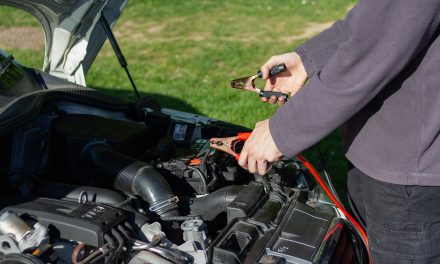
Before embarking on a serpentine belt inspection, it is imperative to gather the appropriate tools and safety equipment. Essential tools include a ratchet set, a serpentine belt tool or breaker bar, and a torque wrench. These instruments will facilitate the removal and installation of the belt if necessary. Additionally, having a flashlight on hand can help illuminate hard-to-see areas within the engine compartment.
Safety equipment is equally important during this process. Protective gloves should be worn to prevent injuries from sharp edges or hot components. Safety goggles are recommended to shield the eyes from debris that may dislodge during inspection. Lastly, ensuring that the vehicle is parked on a level surface with the engine turned off will create a safe working environment. By preparing adequately, vehicle owners can conduct thorough inspections with confidence.
Locating the Serpentine Belt in Your Vehicle

Locating the serpentine belt within your vehicle’s engine compartment is the next step in the inspection process. Typically, the serpentine belt is situated at the front of the engine, encircling various pulleys and components. Most vehicles have a belt routing diagram affixed to the radiator support or inside the engine bay, which serves as a helpful reference for identifying the correct path of the belt.
In some cases, accessing the serpentine belt may require removing other components or covers. It is essential to consult the vehicle’s service manual for specific instructions related to your make and model. Familiarizing oneself with the layout of the engine compartment will streamline the inspection process and ensure that all necessary components are visible for thorough evaluation.
Checking for Visible Cracks and Fraying

Once the serpentine belt is located, a visual inspection for cracks and fraying is crucial. Over time, exposure to heat, oil, and environmental factors can cause rubber belts to deteriorate. Inspecting for surface cracks is vital; even small fissures can indicate significant wear that may lead to eventual failure. Additionally, fraying along the edges of the belt can compromise its integrity and performance.
When examining the belt, it is advisable to run your fingers along its surface to feel for any irregularities. A healthy serpentine belt should feel smooth and uniform without any signs of wear. If any cracks or fraying are detected, it is imperative to consider replacement options promptly to avoid further complications.
When it comes to maintaining your vehicle, regularly inspecting the serpentine belt for wear is crucial to ensure optimal performance. A helpful resource for understanding the signs of wear and how to properly check your belt can be found in this article about vehicle maintenance. By following the guidelines provided, you can prevent potential issues and extend the life of your engine components. For more detailed information on this topic, you can read the article here.
Inspecting for Glazing and Shiny Surfaces
Another critical aspect of serpentine belt inspection involves checking for glazing or shiny surfaces on the belt itself. Glazing occurs when excessive heat causes the rubber material to harden and become slick, resulting in reduced friction between the belt and pulleys. This condition can lead to slippage and decreased efficiency in powering engine accessories.
To assess for glazing, closely examine both sides of the serpentine belt for any shiny patches or smooth areas. If such surfaces are present, it may indicate that the belt is operating under excessive tension or that there are alignment issues with the pulleys. Addressing these underlying problems is essential to prevent further deterioration of the serpentine belt.
When it comes to maintaining your vehicle, understanding how to inspect a serpentine belt for wear is crucial for preventing potential breakdowns. Regular checks can help you identify signs of fraying or cracking, ensuring your engine runs smoothly. For more insights on vehicle maintenance, you might find this article on administering feline subcutaneous fluids interesting, as it highlights the importance of routine care, whether for pets or cars.
Assessing Belt Tension and Alignment
Proper tension and alignment are critical factors in ensuring that a serpentine belt functions effectively. An improperly tensioned belt can lead to slippage or excessive wear, while misalignment can cause uneven wear patterns on both the belt and pulleys. To assess tension, many vehicles are equipped with an automatic tensioner that maintains optimal tightness; however, manual checks may still be necessary.
To evaluate alignment, visually inspect how well the belt sits on each pulley. The belt should sit evenly without any noticeable deviation from its intended path. If misalignment is detected, it may be necessary to adjust or replace components such as pulleys or tensioners to restore proper function.
Looking for Signs of Belt Wear on Pulleys
In addition to inspecting the serpentine belt itself, it is essential to examine the pulleys for signs of wear that could affect belt performance. Pulleys should be free from grooves, rust, or other damage that could impede smooth operation. Any irregularities on pulley surfaces can lead to increased friction and premature wear on the serpentine belt.
When inspecting pulleys, rotate them by hand if possible to ensure they spin freely without any binding or noise. If any issues are detected during this assessment, it may be necessary to replace affected pulleys before proceeding with further use of the serpentine belt.
Identifying Unusual Noises Indicating Belt Issues
Unusual noises emanating from the engine compartment can often signal problems with the serpentine belt or its associated components. Common sounds include squeaking, squealing, or chirping noises that may indicate slippage or misalignment. These sounds often become more pronounced during acceleration or when turning on accessories such as air conditioning.
If such noises are detected, it is crucial to investigate further rather than dismiss them as minor annoyances. Ignoring these auditory warnings can lead to more severe mechanical failures down the line. Addressing potential issues promptly can save time and money while ensuring safe vehicle operation.
Comparing Belt Condition to Manufacturer’s Guidelines
To ensure that your serpentine belt remains in optimal condition, it is essential to compare its state against manufacturer guidelines outlined in your vehicle’s service manual. Most manufacturers provide specific recommendations regarding inspection intervals and replacement timelines based on mileage or time elapsed since installation.
By adhering to these guidelines, vehicle owners can proactively manage their maintenance schedules and avoid unexpected failures. Regularly consulting these recommendations will help ensure that your serpentine belt remains functional and effective throughout its lifespan.
Deciding When to Replace the Serpentine Belt
Determining when to replace a serpentine belt requires careful consideration of several factors including visible wear indicators, manufacturer recommendations, and overall performance issues. Generally speaking, most serpentine belts should be replaced every 60,000 to 100,000 miles; however, this can vary based on driving conditions and environmental factors.
If any signs of wear such as cracks, fraying, glazing, or unusual noises are present during inspection, it is advisable to replace the serpentine belt sooner rather than later. Proactive replacement can prevent more significant issues from arising and ensure continued reliability in vehicle operation.
Performing Regular Maintenance to Extend Belt Life
To maximize the lifespan of your serpentine belt and maintain optimal performance levels, regular maintenance practices should be implemented. This includes routine inspections every few months or at each oil change interval to catch potential issues early on. Additionally, keeping engine components clean and free from debris will help reduce wear on both belts and pulleys.
Proper alignment of pulleys and maintaining appropriate tension levels are also critical aspects of extending serpentine belt life. If any adjustments are needed during inspections, addressing them promptly will contribute significantly to overall vehicle health.
In summary, understanding how to inspect and maintain your vehicle’s serpentine belt is crucial for ensuring reliable performance and preventing costly repairs down the line. By following systematic inspection protocols and adhering closely to manufacturer guidelines regarding replacement intervals, vehicle owners can safeguard their automobiles against unexpected failures while promoting longevity in their engines’ accessory systems.
FAQs
What is a serpentine belt?
A serpentine belt is a long, continuous belt that drives multiple peripheral devices in an engine, such as the alternator, power steering pump, water pump, and air conditioning compressor. It is typically made of rubber and has grooves that fit into pulleys to ensure proper grip and function.
How can I visually inspect a serpentine belt for wear?
To visually inspect a serpentine belt, look for signs of cracking, fraying, or glazing on the surface. Check for any missing sections or significant wear on the edges. A healthy belt should have a smooth surface without any visible damage.
What are the common signs that a serpentine belt needs replacement?
Common signs that a serpentine belt needs replacement include squeaking or squealing noises, visible cracks or frays, a shiny or glazed appearance, and loss of power to accessories like the alternator or power steering. If the belt is slipping or has excessive wear, it should be replaced promptly.
How often should I inspect my serpentine belt?
It is recommended to inspect your serpentine belt at least once every six months or during routine maintenance checks. Additionally, you should inspect it more frequently if you notice any unusual noises or performance issues with your vehicle.
Can I replace a serpentine belt myself?
Yes, replacing a serpentine belt can be a DIY task if you have basic mechanical skills and tools. However, it is important to consult your vehicle’s manual for specific instructions and to ensure you have the correct replacement belt. If you’re unsure, it’s best to seek professional assistance.