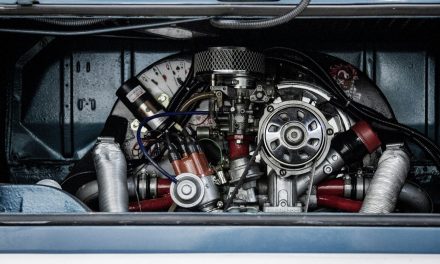
Acceleration issues in vehicles can be a source of frustration for drivers, impacting both performance and safety. These problems can manifest in various ways, including sluggish acceleration, stalling, or even complete loss of power. Understanding the underlying causes is crucial for effective diagnosis and resolution. Factors contributing to acceleration problems often stem from mechanical failures, electronic malfunctions, or fuel system inefficiencies.
The complexity of modern vehicles means that pinpointing the exact cause of acceleration issues can be challenging. However, by familiarizing oneself with common symptoms and potential solutions, drivers can take proactive steps to maintain their vehicles. This article will delve into several key components that may affect acceleration, providing insights into symptoms, diagnosis, and treatment options.
If you’re experiencing issues with your car not accelerating past 40 mph, it could be due to various mechanical problems, such as a faulty fuel system or transmission issues. For more insights on how to address common vehicle problems, you might find this article helpful: How to Stop Mosquitoes from Breeding Around Your Home. While it primarily focuses on pest control, it also highlights the importance of maintaining your environment, which can be analogous to keeping your vehicle in optimal condition.
Faulty Fuel Pump: Symptoms and Solutions
A malfunctioning fuel pump is one of the primary culprits behind poor acceleration. The fuel pump is responsible for delivering gasoline from the tank to the engine at the correct pressure. Symptoms of a faulty fuel pump include difficulty starting the vehicle, sputtering during acceleration, and a noticeable decrease in power when climbing hills or merging onto highways. In severe cases, the engine may stall altogether.
To address a faulty fuel pump, it is essential to conduct a thorough diagnostic evaluation. Mechanics typically use a fuel pressure gauge to measure the pump’s output. If the pressure is below manufacturer specifications, replacement is necessary. Solutions may involve installing an OEM (Original Equipment Manufacturer) fuel pump to ensure compatibility and reliability. Regular maintenance, including fuel filter changes and monitoring fuel quality, can help prevent premature pump failure.
Clogged Air Filter: How It Affects Speed and Replacement Tips

The air filter plays a vital role in maintaining optimal engine performance by ensuring that clean air enters the combustion chamber. A clogged air filter restricts airflow, leading to reduced engine efficiency and sluggish acceleration. Symptoms of a clogged air filter include decreased fuel economy, rough idling, and a noticeable drop in power during acceleration.
Replacing a clogged air filter is a straightforward process that can significantly enhance vehicle performance. It is advisable to inspect the air filter every 12,000 to 15,000 miles or as recommended by the manufacturer. When replacing the filter, ensure that you select a high-quality product that meets OEM specifications. Additionally, consider using an air filter cleaning kit if your vehicle has a reusable filter type. Regular maintenance of the air intake system can prevent clogging and ensure optimal airflow.
Dirty or Malfunctioning Mass Air Flow Sensor

The Mass Air Flow (MAF) sensor measures the amount of air entering the engine, allowing the Engine Control Unit (ECU) to adjust the fuel-to-air ratio accordingly. A dirty or malfunctioning MAF sensor can lead to poor acceleration due to incorrect readings, resulting in an improper fuel mixture. Symptoms of MAF sensor issues include rough idling, stalling, and decreased power during acceleration.
Cleaning or replacing the MAF sensor can restore proper function and improve acceleration performance. Cleaning involves using a specialized MAF sensor cleaner to remove dirt and debris without damaging sensitive components. If cleaning does not resolve the issue, replacement may be necessary. It is crucial to use OEM parts for replacement to ensure compatibility with your vehicle’s ECU. Regular inspections of the MAF sensor can help identify issues early and maintain optimal engine performance.
If you’re experiencing issues with your vehicle not accelerating past 40 mph, it could be due to several factors such as a malfunctioning throttle, transmission problems, or even issues with the fuel system. For a more in-depth understanding of potential causes and solutions, you might find it helpful to read this related article on car performance issues. Understanding these factors can help you diagnose the problem more effectively. You can check out the article here for more insights.
Transmission Problems: Signs and Repair Options
Transmission problems can significantly impact a vehicle’s acceleration capabilities. Symptoms may include slipping gears, delayed engagement when shifting from park to drive, or unusual noises during operation. These issues often stem from low transmission fluid levels, worn components, or internal damage.
To address transmission problems, it is essential to conduct a comprehensive inspection of the transmission system. Mechanics typically check fluid levels and condition, looking for signs of contamination or burning odors. If low fluid levels are detected, topping off with the appropriate transmission fluid may resolve minor issues. However, more severe problems may require rebuilding or replacing the transmission entirely. Regular transmission fluid changes and inspections can help prevent major failures and ensure smooth operation.
Worn Spark Plugs: Impact on Performance and Replacement Guide
Spark plugs are critical components in the ignition system, igniting the air-fuel mixture within the combustion chamber. Worn or fouled spark plugs can lead to misfires, reduced power output, and poor acceleration performance. Symptoms of worn spark plugs include rough idling, difficulty starting the engine, and decreased fuel efficiency.
Replacing spark plugs is a relatively simple maintenance task that can yield significant improvements in performance. It is recommended to replace spark plugs every 30,000 to 100,000 miles, depending on the type used (copper vs. iridium). When replacing spark plugs, ensure that you use the correct heat range and gap specifications as outlined in your vehicle’s manual. Regular inspections of spark plugs can help identify wear early and maintain optimal engine performance.
Blocked Catalytic Converter: Diagnosis and Cleaning Methods
The catalytic converter plays a crucial role in reducing harmful emissions by converting exhaust gases into less harmful substances. A blocked catalytic converter can lead to increased back pressure in the exhaust system, resulting in poor acceleration and reduced engine performance. Symptoms of a blocked converter include sluggish acceleration, unusual noises from the exhaust system, and a noticeable decrease in fuel efficiency.
Diagnosing a blocked catalytic converter typically involves checking exhaust flow and monitoring back pressure using specialized tools. If blockage is confirmed, cleaning methods such as chemical cleaners or professional services may be employed to restore function. In severe cases where cleaning is ineffective, replacement of the catalytic converter may be necessary. Regular inspections of the exhaust system can help identify blockages early and maintain optimal engine performance.
Throttle Position Sensor Malfunction: Causes and Fixes
The throttle position sensor (TPS) monitors the position of the throttle valve and sends this information to the ECU for optimal fuel delivery. A malfunctioning TPS can lead to erratic acceleration behavior, including hesitation or sudden surges in power. Symptoms may include poor throttle response and illuminated check engine lights.
To address TPS issues, diagnostic tools are used to read error codes from the ECU. If a malfunction is detected, cleaning or recalibrating the sensor may resolve minor issues; however, replacement is often necessary for more severe malfunctions. It is essential to use OEM parts for replacement to ensure compatibility with your vehicle’s systems. Regular inspections of the throttle system can help prevent malfunctions and maintain smooth acceleration.
Fuel Injector Issues: Identification and Cleaning Procedures
Fuel injectors are responsible for delivering precise amounts of fuel into the combustion chamber at high pressure. Clogged or malfunctioning injectors can lead to poor acceleration due to uneven fuel distribution or misfires. Symptoms of fuel injector issues include rough idling, decreased power during acceleration, and increased emissions.
Identifying fuel injector problems typically involves conducting a fuel pressure test and inspecting injector spray patterns using specialized equipment. Cleaning procedures may involve ultrasonic cleaning or using fuel injector cleaning solutions that dissolve deposits without disassembling components. In cases where cleaning does not restore function, replacement may be necessary. Regular maintenance of the fuel system can help prevent injector issues and ensure optimal engine performance.
Engine Control Unit (ECU) Problems: Reset and Reprogramming
The Engine Control Unit (ECU) serves as the brain of modern vehicles, managing various engine functions based on input from multiple sensors. ECU problems can lead to erratic acceleration behavior due to incorrect data processing or software glitches. Symptoms may include poor throttle response, stalling, or illuminated warning lights on the dashboard.
To address ECU issues, mechanics often perform diagnostic scans to identify error codes related to sensor malfunctions or software errors. Resetting the ECU by disconnecting the battery for a short period may resolve minor glitches; however, reprogramming may be necessary for more complex issues involving software updates or calibration adjustments. Regular software updates from manufacturers can help prevent ECU-related problems and maintain optimal vehicle performance.
Vacuum Leaks: Detection and Repair Techniques
Vacuum leaks occur when unmetered air enters the intake manifold, disrupting the air-fuel mixture and leading to poor acceleration performance. Symptoms of vacuum leaks include rough idling, hissing noises from under the hood, and decreased power during acceleration.
Detecting vacuum leaks typically involves visual inspections for cracked hoses or loose connections as well as using smoke tests to identify leaks in hard-to-reach areas. Repair techniques may involve replacing damaged hoses or re-sealing connections with appropriate adhesives or clamps. Regular inspections of vacuum lines can help prevent leaks and ensure optimal engine performance.
When to Seek Professional Help
While many acceleration issues can be diagnosed and resolved through basic maintenance practices or DIY repairs, some problems require professional intervention due to their complexity or severity. If symptoms persist despite attempts at resolution or if you lack experience with automotive repairs, seeking assistance from a qualified mechanic is advisable.
Professional mechanics possess specialized tools and knowledge necessary for accurate diagnosis and effective repairs. They can provide comprehensive inspections of all systems affecting acceleration performance while ensuring that repairs are conducted safely and efficiently.
In summary, understanding common causes of acceleration issues—such as faulty fuel pumps, clogged air filters, dirty MAF sensors, transmission problems, worn spark plugs, blocked catalytic converters, TPS malfunctions, fuel injector issues, ECU problems, and vacuum leaks—can empower drivers to take proactive measures in maintaining their vehicles’ performance. Regular inspections and timely repairs are essential for ensuring optimal vehicle operation and safety on the road.
FAQs
What are common reasons a car won’t accelerate past 40 mph?
Common reasons include issues with the fuel system, such as a clogged fuel filter or failing fuel pump, problems with the ignition system like worn spark plugs, transmission issues, or a malfunctioning throttle position sensor. Additionally, a car may enter “limp mode” due to engine problems, limiting speed for safety.
Can a faulty transmission cause acceleration issues?
Yes, a faulty transmission can significantly impact a car’s ability to accelerate. If the transmission is slipping, has low fluid levels, or is experiencing mechanical failure, it may prevent the vehicle from shifting into higher gears, thus limiting speed.
How can I diagnose the problem if my car won’t accelerate?
To diagnose the problem, start by checking for warning lights on the dashboard. Use an OBD-II scanner to read any trouble codes. Inspect the fuel system, ignition components, and transmission fluid levels. If you’re unsure, it’s advisable to consult a professional mechanic for a thorough inspection.
Is it safe to drive a car that won’t accelerate past 40 mph?
Driving a car that won’t accelerate past 40 mph can be unsafe, especially in high-speed traffic conditions. It may also indicate a serious mechanical issue that could worsen over time. It’s best to have the vehicle inspected and repaired before driving it further.
Could a clogged air filter affect acceleration?
Yes, a clogged air filter can restrict airflow to the engine, leading to poor combustion and reduced power output. This can result in acceleration issues, including the inability to exceed certain speeds. Regular maintenance, including air filter replacement, can help prevent this problem.