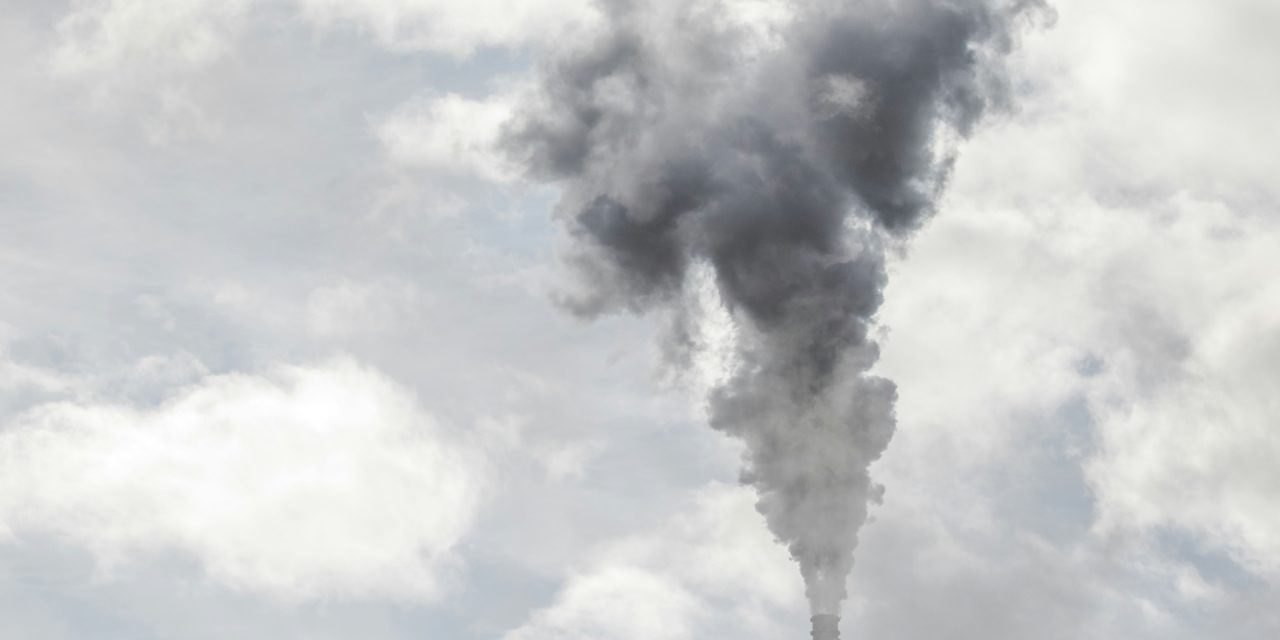
Black smoke emanating from a vehicle’s exhaust system is a significant indicator of underlying issues within the engine’s combustion process. This phenomenon typically signifies that the engine is burning an excessive amount of fuel, leading to incomplete combustion. The presence of black smoke can be alarming for vehicle owners, as it not only indicates inefficiency but also suggests potential damage to engine components if left unaddressed. Understanding the implications of black smoke is crucial for maintaining optimal engine performance and ensuring environmental compliance.
The color of exhaust smoke serves as a diagnostic tool for mechanics and vehicle owners alike. Black smoke is often associated with diesel engines, although gasoline engines can also produce it under certain conditions. The emission of black smoke can lead to increased fuel consumption, reduced engine performance, and heightened emissions, which may result in failing emissions tests. Therefore, recognizing the causes and implications of black smoke is essential for timely intervention and repair.
If you’re noticing black smoke coming from your exhaust, it could indicate a serious issue with your vehicle’s engine, such as an overly rich fuel mixture or a malfunctioning fuel injector. Understanding the potential causes is crucial for timely repairs. For more insights on maintaining a clean and organized environment, which can also apply to keeping your vehicle in top shape, check out this related article on decluttering: 10 Simple Decluttering Rules for Small Homes to Maximize Space.
Excessive Fuel Injection: The Primary Cause
One of the primary culprits behind black smoke emission is excessive fuel injection into the combustion chamber. This condition occurs when the fuel delivery system malfunctions, causing an imbalance in the air-fuel mixture. An optimal air-fuel ratio is crucial for efficient combustion; when this ratio is disrupted, it leads to incomplete combustion and the production of black smoke. Factors contributing to excessive fuel injection include faulty sensors, malfunctioning fuel pumps, and issues with the engine control unit (ECU).
When the ECU receives incorrect data from sensors, it may erroneously increase fuel delivery to compensate for perceived deficiencies in combustion efficiency. This overcompensation results in an overly rich mixture, leading to unburned fuel being expelled through the exhaust system. Addressing excessive fuel injection requires a thorough diagnostic assessment to identify the root cause and implement corrective measures, such as recalibrating the ECU or replacing faulty components.
Faulty Fuel Injectors and Their Impact

Fuel injectors play a pivotal role in delivering the precise amount of fuel into the combustion chamber at the right time. When these injectors become faulty or clogged, they can disrupt the delicate balance of the air-fuel mixture, resulting in black smoke emissions. A malfunctioning injector may either leak fuel continuously or fail to atomize it properly, leading to inefficient combustion.
The impact of faulty fuel injectors extends beyond just black smoke; it can also lead to poor engine performance, increased emissions, and reduced fuel economy. Regular maintenance and inspection of fuel injectors are essential to ensure their proper functioning. Cleaning or replacing injectors as needed can significantly improve combustion efficiency and reduce the likelihood of black smoke production.
Clogged Air Filters Leading to Incomplete Combustion

Air filters are critical components that ensure clean air enters the engine for combustion. Over time, these filters can become clogged with dirt, debris, and contaminants, restricting airflow into the engine. Insufficient air supply leads to an overly rich fuel mixture, resulting in incomplete combustion and the emission of black smoke.
To prevent this issue, regular inspection and replacement of air filters are recommended as part of routine vehicle maintenance. A clean air filter not only enhances engine performance but also contributes to better fuel efficiency and reduced emissions. Vehicle owners should be vigilant about monitoring air filter condition and replacing them according to manufacturer recommendations.
If you have noticed black smoke coming from your exhaust, it could indicate a serious issue with your vehicle’s engine or fuel system. This phenomenon often suggests that the engine is burning too much fuel, which can lead to decreased performance and increased emissions. To understand more about potential causes and solutions, you might find it helpful to read a related article that discusses common automotive problems and their implications. For further insights, check out this informative piece on roof leak repair costs, which, while focused on home maintenance, emphasizes the importance of addressing issues promptly to avoid more significant problems down the line.
Turbocharger Malfunctions and Black Smoke Emission
Turbochargers are designed to enhance engine performance by forcing more air into the combustion chamber, allowing for a more complete burn of fuel. However, when a turbocharger malfunctions, it can lead to inadequate airflow and subsequently result in black smoke emissions. Common turbocharger issues include bearing failure, wastegate problems, or intercooler leaks.
When a turbocharger fails to deliver sufficient air pressure, the engine compensates by injecting more fuel into the combustion chamber. This imbalance leads to incomplete combustion and the characteristic black smoke. Regular maintenance of turbocharger systems is essential for preventing such issues. Routine inspections can help identify early signs of wear or malfunction, allowing for timely repairs or replacements.
If you’ve noticed black smoke coming from your exhaust, it could indicate a serious issue with your vehicle’s engine or fuel system. This phenomenon often points to problems such as an overly rich fuel mixture, which can lead to inefficient combustion. To understand more about potential causes and solutions, you might find it helpful to read a related article on maintaining your vehicle’s performance. For instance, you can explore how to remove unwanted substances from your car’s interior by checking out this helpful guide on removing slime from carpet. Keeping your car clean can sometimes help you spot issues earlier, potentially saving you from more significant repairs down the line.
Issues with the EGR Valve Affecting Exhaust Color
The Exhaust Gas Recirculation (EGR) valve plays a crucial role in reducing nitrogen oxide emissions by recirculating a portion of exhaust gases back into the intake manifold. However, if the EGR valve becomes stuck open or clogged with carbon deposits, it can disrupt the air-fuel mixture and lead to black smoke emissions.
A malfunctioning EGR valve can cause excessive exhaust gases to enter the intake system, resulting in an overly rich mixture that promotes incomplete combustion. Regular cleaning or replacement of the EGR valve is essential for maintaining optimal engine performance and minimizing black smoke production. Vehicle owners should be aware of symptoms such as rough idling or decreased acceleration, which may indicate EGR valve issues.
Using Incorrect or Poor-Quality Fuel
The quality of fuel used in a vehicle significantly impacts its performance and emissions profile. Using incorrect or low-quality fuel can lead to incomplete combustion and result in black smoke emissions. Fuels with high sulfur content or improper octane ratings can adversely affect engine operation and contribute to excessive soot production.
To mitigate this issue, vehicle owners should always use fuel that meets manufacturer specifications and avoid low-quality alternatives that may contain impurities or additives detrimental to engine health. Regularly monitoring fuel quality and sourcing from reputable suppliers can help ensure optimal combustion efficiency and reduce the likelihood of black smoke emissions.
Engine Overheating and Its Role in Smoke Production
Engine overheating is a serious condition that can lead to various complications, including black smoke emissions. When an engine operates at excessively high temperatures, it can cause fuel to vaporize prematurely or lead to incomplete combustion due to thermal breakdown of lubricants and other fluids.
Overheating can stem from several factors, including coolant leaks, malfunctioning thermostats, or blocked radiators. Addressing overheating issues promptly is crucial for preventing further damage to engine components and minimizing black smoke production. Regular maintenance checks on cooling systems can help identify potential problems before they escalate into more severe issues.
Problems with the Fuel Pressure Regulator
The fuel pressure regulator is responsible for maintaining consistent fuel pressure within the system. If this component malfunctions or becomes clogged, it can lead to fluctuations in fuel delivery that result in an overly rich mixture and subsequent black smoke emissions. Symptoms of a failing fuel pressure regulator may include poor acceleration, stalling, or difficulty starting the engine.
To address issues related to the fuel pressure regulator, vehicle owners should consider regular inspections as part of their maintenance routine. Replacing a faulty regulator can restore proper fuel pressure levels and improve overall engine performance while reducing black smoke emissions.
Diagnosing Sensor Failures That Affect Air-Fuel Mixture
Modern vehicles rely on various sensors to monitor and adjust the air-fuel mixture for optimal combustion efficiency. Failures in critical sensors such as the Mass Air Flow (MAF) sensor or Oxygen (O2) sensors can lead to incorrect readings and adjustments by the ECU, resulting in an overly rich mixture that produces black smoke.
Diagnosing sensor failures requires specialized diagnostic tools that can read error codes from the vehicle’s onboard computer system. Regular maintenance checks that include sensor inspections can help identify potential issues early on, allowing for timely repairs or replacements that restore proper air-fuel mixture balance.
When to Seek Professional Help for Black Smoke Problems
While some issues related to black smoke emissions can be addressed through routine maintenance by vehicle owners, others may require professional intervention. If black smoke persists despite attempts at troubleshooting or if accompanied by other symptoms such as loss of power or unusual noises from the engine, seeking professional help is advisable.
Certified mechanics possess the expertise and diagnostic tools necessary to accurately identify underlying problems contributing to black smoke emissions. Timely intervention not only prevents further damage but also ensures compliance with environmental regulations regarding emissions standards.
In summary, understanding the causes of black smoke emissions is vital for maintaining optimal vehicle performance and ensuring environmental compliance. Factors such as excessive fuel injection, faulty injectors, clogged air filters, turbocharger malfunctions, EGR valve issues, poor-quality fuel, overheating engines, problems with fuel pressure regulators, sensor failures, and more contribute significantly to this phenomenon. Regular maintenance checks and timely interventions are essential for preventing these issues from escalating into more severe problems that could compromise both vehicle performance and environmental standards.
FAQs
What does black smoke from the exhaust indicate?
Black smoke from the exhaust typically indicates that the engine is burning too much fuel. This can be caused by a variety of issues, including a malfunctioning fuel injector, a clogged air filter, or problems with the engine’s sensors that regulate fuel delivery.
Is black smoke harmful to my vehicle?
Yes, black smoke can be harmful to your vehicle. It suggests that the engine is not operating efficiently, which can lead to increased wear and tear on engine components, reduced fuel economy, and potential long-term damage if not addressed.
Can black smoke be a sign of a serious engine problem?
Yes, black smoke can indicate serious engine problems. Issues such as a failing turbocharger, a malfunctioning fuel pressure regulator, or significant engine wear can lead to excessive fuel consumption and black smoke. It’s important to diagnose and fix these issues promptly to avoid further damage.
How can I fix the black smoke issue?
To fix black smoke issues, start by checking and replacing the air filter if it’s clogged. Inspect the fuel injectors for proper operation and consider having the engine’s sensors checked. If you’re unsure, it’s best to consult a professional mechanic for a thorough diagnosis and repair.
When should I seek professional help for black smoke from my exhaust?
You should seek professional help if the black smoke persists after basic checks, such as replacing the air filter or inspecting fuel injectors. Additionally, if you notice a significant drop in fuel efficiency or other symptoms like rough idling or engine misfires, it’s advisable to consult a mechanic.