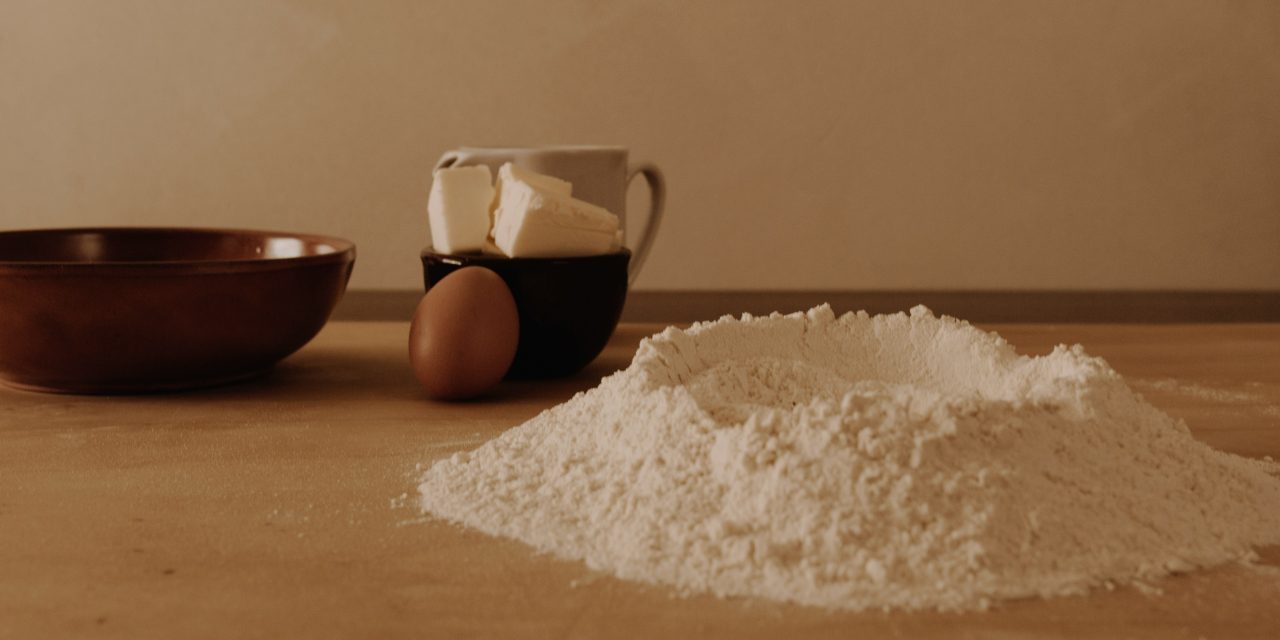
Baking is an art that requires precision, creativity, and sometimes, adaptability. One of the most common ingredients in baking is eggs, which serve multiple purposes, including binding, leavening, and adding moisture. However, there are various reasons why one might seek alternatives to eggs. Dietary restrictions such as veganism, allergies, or intolerances can necessitate the use of egg substitutes. Additionally, some individuals may simply prefer to avoid animal products for ethical or health reasons. Understanding the role of eggs in baking and the available substitutes can empower bakers to create delicious treats without compromising on texture or flavor.
The demand for egg substitutes has surged in recent years, leading to a plethora of options that cater to diverse dietary needs. Whether you are baking a cake, cookies, or bread, knowing how to effectively replace eggs can enhance your culinary repertoire. This article will explore various egg substitutes, detailing their unique properties and how they can be utilized in different baking scenarios.
If you’re looking for alternatives to eggs in baking, you might find it helpful to explore various substitutes that can maintain the texture and moisture of your baked goods. For instance, ingredients like applesauce, mashed bananas, or flaxseed meal can be excellent choices. To see a delicious recipe that doesn’t require eggs, check out this article on no-bake peanut butter oatmeal energy bites, which can inspire your baking adventures: No-Bake Peanut Butter Oatmeal Energy Bites.
Understanding the Role of Eggs in Baking
Eggs play a multifaceted role in baking, contributing to the overall structure and quality of baked goods. One of their primary functions is binding ingredients together. The proteins in eggs coagulate when heated, creating a cohesive structure that holds the other components in place. This is particularly important in recipes like cakes and cookies, where a stable structure is essential for achieving the desired texture.
In addition to binding, eggs also act as leavening agents. When beaten, eggs incorporate air into the batter, which expands during baking and contributes to a light and fluffy texture. Furthermore, eggs add moisture and richness to baked goods, enhancing flavor and mouthfeel. Understanding these roles is crucial when selecting an appropriate substitute, as each alternative will have varying effects on the final product.
Applesauce: A Moisture-Rich Egg Replacement

Applesauce is a popular egg substitute that excels in providing moisture and sweetness to baked goods. Typically used in a 1:1 ratio, one-quarter cup of unsweetened applesauce can replace one egg. This fruit-based alternative is particularly effective in recipes for cakes, muffins, and brownies, where added moisture is beneficial.
The natural sugars present in applesauce can enhance the sweetness of baked goods without the need for additional sugar. Moreover, it contributes a subtle apple flavor that can complement many recipes. However, it is essential to consider that using applesauce may slightly alter the texture of the final product, making it denser than traditional recipes containing eggs.
Mashed Bananas: Adding Natural Sweetness and Binding

Mashed bananas serve as another excellent egg substitute, particularly in recipes where a hint of banana flavor is desirable. Similar to applesauce, mashed bananas can be used in a 1:1 ratio; one medium banana typically replaces one egg. This alternative not only provides moisture but also adds natural sweetness due to its inherent sugars.
The binding properties of bananas come from their starch content, which helps hold ingredients together during baking. This makes them particularly suitable for pancakes, muffins, and quick breads. However, bakers should be mindful of the banana flavor that may dominate the final product; thus, it is best used in recipes where this flavor complements other ingredients.
When exploring alternatives for eggs in baking, you might find it helpful to read about various home cleaning solutions that can keep your kitchen in top shape. For instance, using natural ingredients not only enhances your baking but also contributes to a cleaner environment. If you’re interested in learning more about effective cleaning methods, check out this article on top home cleaners that can help maintain a sparkling clean kitchen while you experiment with egg substitutes.
Flaxseed Meal: A Nutty and Fiber-Packed Substitute
Flaxseed meal is a nutrient-dense egg substitute that offers both binding properties and a boost of omega-3 fatty acids. To create a flaxseed “egg,” mix one tablespoon of flaxseed meal with three tablespoons of water and let it sit for about 15 minutes until it forms a gel-like consistency. This mixture can replace one egg in most recipes.
The nutty flavor of flaxseed meal can enhance the taste of baked goods while adding fiber and essential nutrients. It works particularly well in denser recipes such as cookies, brownies, and bread. However, it is important to note that flaxseed meal may impart a slight color change to lighter batters and may not be suitable for all types of baked goods.
Chia Seeds: Gel-Forming and Nutrient-Dense Alternative
Chia seeds are another excellent option for those seeking an egg substitute rich in nutrients. Similar to flaxseeds, chia seeds can be transformed into a gel-like consistency by mixing one tablespoon of chia seeds with three tablespoons of water and allowing it to sit for approximately 15 minutes. This mixture serves as an effective replacement for one egg.
Chia seeds are packed with fiber, protein, and omega-3 fatty acids, making them a healthful addition to baked goods. Their neutral flavor allows them to blend seamlessly into various recipes without altering the taste significantly. Chia seeds work well in muffins, pancakes, and energy bars but may create a slightly denser texture compared to traditional recipes.
Yogurt: Creamy Texture and Protein Boost
Yogurt is an excellent egg substitute that adds creaminess and moisture to baked goods while also providing a protein boost. When using yogurt as an egg replacement, one-quarter cup of plain yogurt can replace one egg. This option works particularly well in recipes for cakes, muffins, and pancakes.
The acidity of yogurt can also enhance the leavening process when combined with baking soda or baking powder. Additionally, yogurt contributes a subtle tanginess that can elevate the flavor profile of certain baked goods. However, it is essential to choose plain yogurt without added sugars or flavors to maintain control over the final taste.
Silken Tofu: Smooth and Neutral Flavor for Dense Bakes
Silken tofu is an ideal egg substitute for those seeking a neutral-flavored option that provides moisture and density to baked goods. To use silken tofu as an egg replacement, blend one-quarter cup of silken tofu until smooth to replace one egg in recipes.
This versatile ingredient works exceptionally well in dense baked goods such as brownies and cakes where added moisture is beneficial. Silken tofu also contributes protein without altering the flavor significantly. However, it may not be suitable for recipes requiring a light texture due to its density.
Commercial Egg Replacers: Convenient and Consistent
For those who prefer convenience and consistency in their baking endeavors, commercial egg replacers are readily available on the market. These products are typically made from starches or other plant-based ingredients designed specifically to mimic the binding and leavening properties of eggs.
Using commercial egg replacers is straightforward; simply follow the instructions on the packaging for the appropriate ratio to replace eggs in your recipe. These products are particularly useful for bakers who require reliable results without experimenting with various substitutes. However, it is essential to read labels carefully to ensure compatibility with specific dietary needs.
Vinegar and Baking Soda: Leavening Power for Fluffiness
A combination of vinegar and baking soda can serve as an effective leavening agent in place of eggs. When combined, these two ingredients create carbon dioxide gas that helps baked goods rise and achieve a light texture. To replace one egg, mix one tablespoon of vinegar (such as apple cider vinegar) with one teaspoon of baking soda.
This method works exceptionally well in recipes like cakes and cupcakes where fluffiness is desired. The acidity from vinegar also enhances flavor while contributing to the overall leavening process. However, bakers should be cautious about using this method in recipes where the flavor profile may clash with vinegar’s tanginess.
Buttermilk: Tangy Moisture with Leavening Support
Buttermilk serves as another viable egg substitute that adds moisture while providing leavening support due to its acidity. To replace one egg, use one-quarter cup of buttermilk in your recipe. This ingredient works particularly well in pancakes, muffins, and cakes where added moisture is beneficial.
The tangy flavor of buttermilk can enhance the overall taste profile of baked goods while also contributing to a tender crumb structure. Additionally, its acidity interacts with baking soda or baking powder to promote leavening during baking. However, bakers should consider potential flavor implications when using buttermilk as an egg substitute.
Carbonated Water: Light and Airy Texture Enhancer
Carbonated water can serve as an innovative egg substitute that adds lightness and airiness to baked goods without altering their flavor significantly. To replace one egg, use one-quarter cup of carbonated water in your recipe.
This alternative works exceptionally well in recipes such as cakes and muffins where a fluffy texture is desired. The bubbles in carbonated water help create air pockets during baking, resulting in a lighter final product. However, it is essential to consider that carbonated water may not provide binding properties like traditional egg substitutes.
Choosing the Best Egg Substitute for Your Recipe
Selecting the right egg substitute depends on various factors including dietary restrictions, desired texture, and flavor profile of the final product. Each alternative offers unique benefits that cater to different baking needs; therefore, understanding their properties is crucial for successful outcomes.
Whether you opt for applesauce for moisture or flaxseed meal for added nutrition, experimenting with these substitutes can lead to delightful discoveries in your baking journey. By embracing these alternatives, you can create delicious treats that accommodate diverse dietary preferences without sacrificing quality or taste.
In summary, there are numerous effective egg substitutes available for bakers looking to adapt their recipes for various dietary needs or preferences. From fruit-based options like applesauce and mashed bananas to nutrient-rich choices like flaxseed meal and chia seeds, each alternative brings its own unique qualities to baked goods. Understanding these substitutes allows bakers to maintain the integrity of their creations while catering to diverse audiences.
FAQs
What are some common egg substitutes for baking?
Common egg substitutes for baking include applesauce, mashed bananas, yogurt, silken tofu, and commercial egg replacers. Each of these alternatives can provide moisture and binding properties similar to eggs, making them suitable for various recipes.
How much applesauce can I use to replace one egg?
You can use 1/4 cup of unsweetened applesauce to replace one egg in baking recipes. This works particularly well in cakes, muffins, and quick breads, adding moisture and a hint of sweetness.
Can I use flaxseed meal as an egg substitute, and how do I prepare it?
Yes, flaxseed meal can be used as an egg substitute. To replace one egg, mix 1 tablespoon of flaxseed meal with 2.5 tablespoons of water. Let the mixture sit for about 5-10 minutes until it becomes gelatinous, then use it in your baking recipe.
Is there a vegan option for replacing eggs in baking?
Yes, there are several vegan options for replacing eggs in baking, including mashed bananas, applesauce, silken tofu, and commercial egg replacers. These alternatives can help achieve similar textures and flavors in baked goods without using animal products.
Can I use yogurt as an egg substitute, and what type is best?
You can use yogurt as an egg substitute, with 1/4 cup of yogurt replacing one egg. Greek yogurt is often preferred due to its thicker consistency, which helps maintain the structure of baked goods. However, regular yogurt can also work well in recipes where moisture is needed.